
 Business License

Which factors will affect the hygiene and safety performance of stainless steel pipes
Core conclusion: The key factors influencing the hygiene and safety performance of stainless steel pipes are concentrated in five dimensions: material itself, processing technology, surface treatment, installation and use, and compliance certification. Any deficiency in any of these aspects will lead to medium contamination, microbial growth, or the release of harmful substances, especially affecting the safety of use in sensitive industries such as food and medicine.
1. Material foundation: The "inherent conditions" determining hygiene and safety
Material grade: Food-grade / pharmaceutical-grade stainless steel (such as 304, 316L, 2205) must be selected. Industrial-grade stainless steel (containing many impurities and poor corrosion resistance) is prohibited.
Contamination control: The content of heavy metals (lead, cadmium, mercury) and harmful non-metallic impurities must comply with FDA, GB 4806.9 standards. To avoid leaching into the medium.
Carbon content: Low-carbon materials (such as 316L, 2205) are better as they reduce the risk of intergranular corrosion and lower the probability of material leaching, especially suitable for welding scenarios.
Material purity: Use raw materials only, prohibit recycled materials (which are prone to contain unknown impurities and have a high risk of leaching), and provide material certificates (MTC).
2. Processing techniques: Key steps to avoid "post-harvest contamination"
Forming process: Prioritize cold processing (cold bending, cold drawing), and prohibit hot processing (hot processing is prone to generating oxide scales that can fall off and contaminate the medium); the bending radius should be ≥ 3D, and avoid internal wall wrinkles (which can accumulate dirt and contaminants).
Welding process: Must use argon arc welding (TIG welding) + internal inert gas protection, and prohibit using ordinary welding rods for welding (which is prone to generating slag and pores); the welding wire must be of the same material as the base material (e.g., 316L uses ER316L, 2205 uses ER2209), and avoid material mismatch that leads to leaching.
Cutting and port treatment: Use laser / plasma cutting (without burrs), and after cutting, the sharp edges and burrs of the ports need to be removed (to avoid scratching the seals or leaving residues), and prohibit using ordinary grinding wheels for cutting (which generates iron filings and causes contamination).
Processing environment: Processing must be carried out in a clean workshop (free of dust and oil stains), and it is prohibited to mix with carbon steel tools (to prevent rust contamination), and during processing, avoid using non-food-grade lubricants (food-grade silicone oil can be used).
3. Surface Treatment: Directly Affects Cleanliness and Microbial Control
Surface Roughness: The inner wall must be polished to Ra ≤ 0.8 μm (≤ 0.4 μm in highly clean scenarios), excessive roughness will lead to residue of the medium and microbial adhesion, making thorough cleaning difficult.
Polishing Process: Prefer electrolytic polishing (smooth surface, no polishing powder residue), use mechanical polishing with caution (easily causes scratches, residual polishing powder, difficult to clean); the inner wall polishing must be uniform, without local roughness or depressions.
Passivation Treatment: Must perform food-grade acid washing passivation (prohibited use of chromium-containing and heavy metal industrial passivators), form a dense passivation film to enhance corrosion resistance, avoid material oxidation and rusting; after passivation, rinse with deionized water until pH = 6-8, no residual chemicals.
Appearance Quality: No scratches on the surface (depth ≤ 0.1 mm), no oxide spots, no welding slag residue, the weld seam needs to be ground to be flush with the base material to avoid forming cleaning dead corners.
4. Installation and Usage: Key Steps to Avoid "Secondary Pollution"
Connection Method: Preferentially choose sanitary compression type, quick-connect flanges or butt welding connections. Avoid threaded connections (threaded gaps are prone to retaining media and cannot be thoroughly cleaned); the sealing components used for connection must be FDA-certified materials (EPDM, PTFE), and ordinary rubber rings are prohibited (they are prone to aging and falling off).
Pipeline Layout: Slope ≥ 3‰ (for easy drainage and residue removal), no blind pipes (length ≤ 3 times pipe diameter), use large radius for elbows (≥ 3D), avoid right-angle hard bends (forming stagnant liquid dead zones).
Material Matching for Contact: Auxiliary components such as supports and bolts must be made of stainless steel or have stainless steel isolation pads. Direct contact of carbon steel with stainless steel pipes is prohibited (to prevent electrochemical corrosion and rust contamination).
Cleaning and Maintenance: Before installation, the inner wall must be rinsed with pure water (flow rate ≥ 1.5m/s) to remove transportation residues; during use, regular cleaning and sterilization (such as SIP sterilization) are required to avoid residual media breeding microorganisms.
5. Compliance and Testing: The "Final Guarantee" for Hygiene and Safety
Comprehensive Certification: Must have food-contact stainless steel certification (GB 4806.9), FDA 21 CFR Part 175 certification. For pharmaceutical grade, a biocompatibility test report is also required.
Testing Compliance: Must pass dissolution tests (heavy metals, organic residue ≤ standard limit), microbial tests (bacterial count <10CFU/mL), and salt spray tests (no rust spots after 72 hours).
Traceability: Must retain material certificates, welding records, surface treatment reports, and test reports to facilitate GMP audits or quality traceability. Products without traceable information are prohibited.
Key points for avoiding pitfalls:
Don't overlook "hidden risks": For instance, using industrial-grade 304 instead of food-grade, using mechanical polishing instead of electrolytic polishing, or using threaded connections in a sterile environment all pose hygiene safety hazards.
Matching process and material: For example, 316L welding requires ER316L welding wire, while 2205 requires ER2209 welding wire. Mixing different welding wires will cause the weld seam to corrode and dissolve.
Avoid excessive processing: For instance, excessive internal wall polishing (Ra <0.2μm) will reduce the adhesion of the passivation film and instead affect the corrosion resistance. The roughness should be controlled according to industry standards.
Recently Posted
-
Does the stainless steel welded pipe have specific temperature requirements during the solution heat
January 20, 2026Solution heat treatment involves heating stainless steel to a high temperature and then rapidly cooling it to achieve an oversatur Read More
 -
Can stainless steel welded pipes be made into thick pipes
January 20, 2026With the improvement of high-quality welding technology and increasingly strict weld inspection, the application fields of s Read More
 -
Three types of commonly available food-grade stainless steel on the market
January 20, 2026The common food-grade stainless steel pipes are mainly composed of iron, chromium and carbon and other elements. Household stainle Read More
 -
What are the requirements for stainless steel welding pipe production equipment
January 20, 2026As is well known, stainless steel welded pipes have been widely used in various industries such as machinery, chemical engineering Read More

Contact Us
Recommended Products
-
 Stainless Steel Elbow Welded Elbow 45/90/180-degree Seamless Pressed Elbow Long Radius Elbow Short Radius Elbow WholesaleNegotiableMOQ: 1 Piece
 -
316L/1.4405 Seamless Stainless Steel PipeNegotiableMOQ: 2 Meters
-
310s 440 Seamless Sanitary Piping Price 321 904l 201 20 Inch Seamless Steel Pipe A554 Stainless Steel PipeNegotiableMOQ: 1 Piece
-
China Brand ZZ Wholesale 304L 316 316L Welded Austenitic Piping Stainless Steel Pipe SupplierNegotiableMOQ: 2 Meters
-
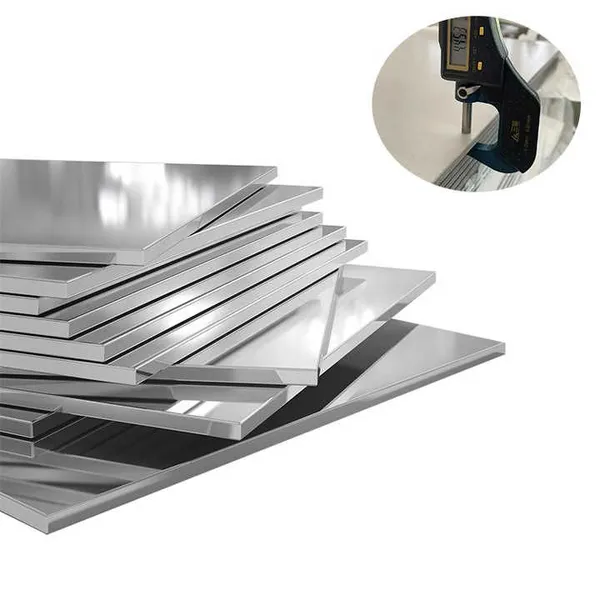
304/304L/316/409/410/904L/2205/2507/310H Premium Stainless Steel Sheets Supplier Custom Sizes & FinishesUS$ 1.72MOQ: 1 Ton
-
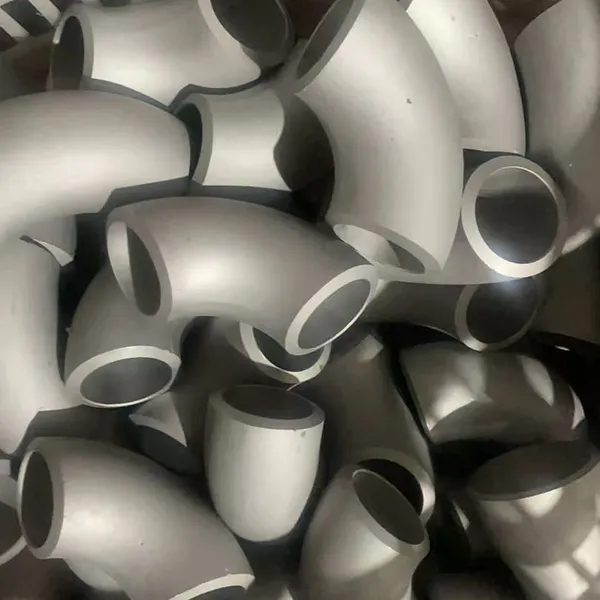
Stainless Steel ASME B16.9 Sch 45 90 Degree Pipe Fittings ElbowUS$ 8MOQ: 1 Piece
-
China Brand Zz 304L 316/316L GB En JIS Standard Thin Wall Welded Stainless Steel Water Pipe/TubeNegotiableMOQ: 2 Meters
-
BA 4 Inch 6 Inch 8 Inch 201 304 304L 316 316L Welded Seamless Stainless Steel PipeNegotiableMOQ: 2 Meters
-
ASME B36.19M-2004 SCH40S Stainless Steel Pipe - Complies With EU 3.1 CertificationUS$ 1 - 650MOQ: 1 Piece
-
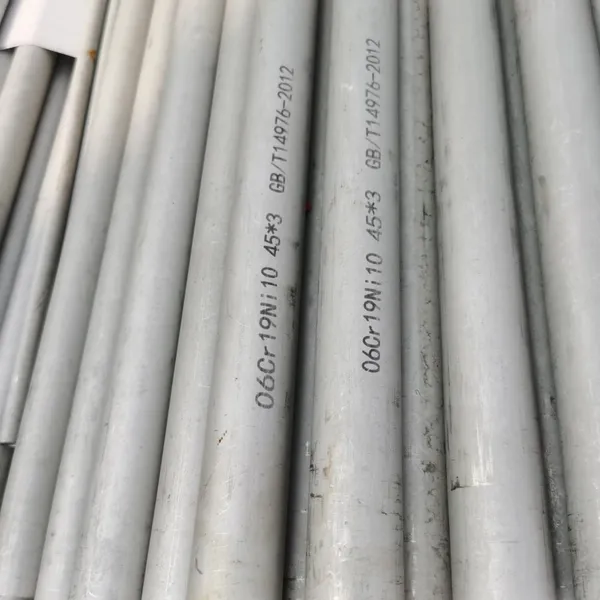
Factory TP309/TP309S/TP309H (UNS30900) Seamless Stainless Steel Pipe and Tube for Boiler BafflesUS$ 8MOQ: 200 Kilograms
-
TP347/TP347H/1.4961/S34709 Seamless Stainless Steel Pipe for UseNegotiableMOQ: 2 Meters
-
China 304 316 Stainless Steel Sanitary Welded Tube Food Grade Sanitary Grade Welded Pipe PolishingNegotiableMOQ: 1 Piece
-
China Manufacture Stainless Steel 316L Ba Seamless Welded Steel Pipe TubesUS$ 1760 - 1860MOQ: 5 Tons
-
316L/1.4405 Seamless Stainless Steel PipeNegotiableMOQ: 2 Meters
-
Stainless Steel Globe Valve – High Durability & Corrosion ResistanceNegotiableMOQ: 1 Piece
-
1.4529 Stainless Steel Flat Plate for Chemical Processing EquipmentUS$ 25 - 35MOQ: 1 Kilogram
-
Color Coated Steel Panels for Warehouse Partition Walls (Fireproof Grade)US$ 1 - 1.2MOQ: 50 Kilograms
-
Custom Width (600mm-1250mm) Colored Steel Coil With Scratch ResistanceUS$ 1 - 1.2MOQ: 50 Kilograms
-
0.5mm-3.0mm Colored Coated Steel Sheet With PVDF/Polyester CoatingUS$ 1 - 1.2MOQ: 50 Kilograms
-
JIS G 3322 Compliant Colored Coils With Third-Party Inspection ReportUS$ 1 - 1.2MOQ: 50 Kilograms