
 Business License

316, 316L, and 316H - What are the differences among them
316, 316L and 316H stainless steels all belong to the molybdenum-containing austenitic stainless steel (16-18% chromium, 10-14% nickel, 2-3% molybdenum system). The core difference among them lies in the carbon content and the resulting performance characteristics. The following is a detailed comparative analysis of the three:
1. Chemical composition and core differences
Image 1
II. Performance Comparison
1. Corrosion Resistance
316L: Low carbon content inhibits the precipitation of carbide chromium, significantly reducing the risk of intergranular corrosion, suitable for media containing Cl⁻ (such as seawater, chemical environments).
316H: Forms carbide chromium easily at high temperatures, resulting in chromium deficiency at grain boundaries, decreased corrosion resistance, but superior oxidation resistance compared to 316L.
316: Intermediate between the two, good corrosion resistance in normal environments, but needs caution in high-temperature or high Cl⁻ environments.
2. High Temperature Performance
316H: High carbon content (0.04-0.10%), forms strengthened carbides at high temperatures (500-800℃), excellent creep resistance and endurance strength, suitable for boilers, petrochemical equipment.
316L: Less prone to carbide precipitation, can be used in the range of 425-860℃, suitable for thick-section welded components.
316: Intermittent use up to 870℃, continuous use up to 925℃, but long-term high temperature should avoid the sensitization temperature range (425-860℃).
3. Mechanical Properties
Normal Temperature Mechanical Properties: The tensile strength (≥515 MPa), yield strength (≥205 MPa) of all three are similar, and the elongation rate is all ≥40%.
Cold Work Hardening: 316H shows more significant strength improvement after cold deformation (e.g., 20% deformation reaches 900 MPa), suitable for forming structural components.
III. Application Areas
Picture 2
IV. Processing and Welding Precautions
Weldability:
316L: No annealing is required after welding, and it is suitable for thick plate welding (above 5mm).
316H: The welding temperature needs to be controlled (to avoid sensitization), and it is recommended to use high-carbon welding wire and combine with annealing.
316: Regular welding is sufficient, but thick plates may require post-weld heat treatment.
Processability:
316L is easier to cold process due to its low carbon content, while 316H requires higher cutting force due to its high carbon content.
The improved 316Ugima material has significantly better machining performance than the standard 316 series.
V. Selection Suggestions
For high-temperature and high-pressure scenarios (≥500℃): Opt for 316H, considering both strength and oxidation resistance.
In corrosive sensitive environments (such as Cl⁻, seawater): Choose 316L to avoid intergranular corrosion.
For general applications: 316 offers the best cost performance and meets most industrial requirements.
VI. Data Verification Examples
Resistance to Cl⁻ corrosion: 316L shows no pitting corrosion in an environment with 300mg/L Cl⁻ at 60℃, while 316H may corrode under these conditions.
High-temperature strength: The yield strength of 316H at 600℃ is approximately 30% higher than that of 316L, making it suitable for components of supercritical boilers.
VII. Alternative Solutions Reference
316Ti: Suitable for thick-section welded components that require stabilization treatment, as an alternative to 316H to avoid the sensitization risk.
904L: A super austenitic steel with superior Cl⁻ corrosion resistance compared to the 316 series, but at a higher cost.
By considering the carbon content, performance requirements, and cost factors comprehensively, the material selection can be precisely matched. In practical applications, a life cycle cost analysis (LCCA) needs to be conducted in combination with specific operating conditions (temperature, medium, mechanical load).
Recently Posted
-
Does the stainless steel welded pipe have specific temperature requirements during the solution heat
January 20, 2026Solution heat treatment involves heating stainless steel to a high temperature and then rapidly cooling it to achieve an oversatur Read More
 -
Can stainless steel welded pipes be made into thick pipes
January 20, 2026With the improvement of high-quality welding technology and increasingly strict weld inspection, the application fields of s Read More
 -
Three types of commonly available food-grade stainless steel on the market
January 20, 2026The common food-grade stainless steel pipes are mainly composed of iron, chromium and carbon and other elements. Household stainle Read More
 -
What are the requirements for stainless steel welding pipe production equipment
January 20, 2026As is well known, stainless steel welded pipes have been widely used in various industries such as machinery, chemical engineering Read More

Contact Us
Recommended Products
-
 Stainless Steel Elbow Welded Elbow 45/90/180-degree Seamless Pressed Elbow Long Radius Elbow Short Radius Elbow WholesaleNegotiableMOQ: 1 Piece
 -
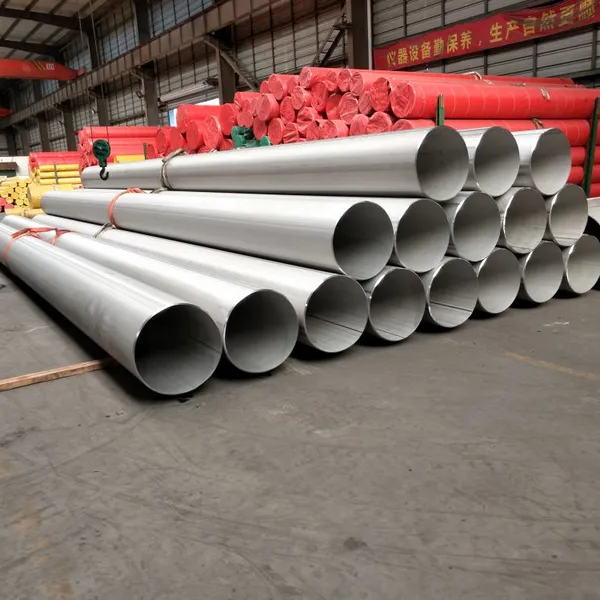
316L/1.4405 Seamless Stainless Steel PipeNegotiableMOQ: 2 Meters
-
310s 440 Seamless Sanitary Piping Price 321 904l 201 20 Inch Seamless Steel Pipe A554 Stainless Steel PipeNegotiableMOQ: 1 Piece
-
China Brand ZZ Wholesale 304L 316 316L Welded Austenitic Piping Stainless Steel Pipe SupplierNegotiableMOQ: 2 Meters
-
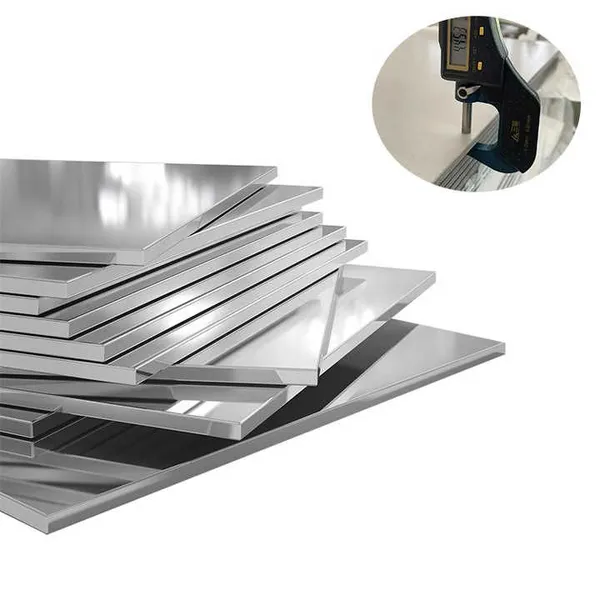
304/304L/316/409/410/904L/2205/2507/310H Premium Stainless Steel Sheets Supplier Custom Sizes & FinishesUS$ 1.72MOQ: 1 Ton
-
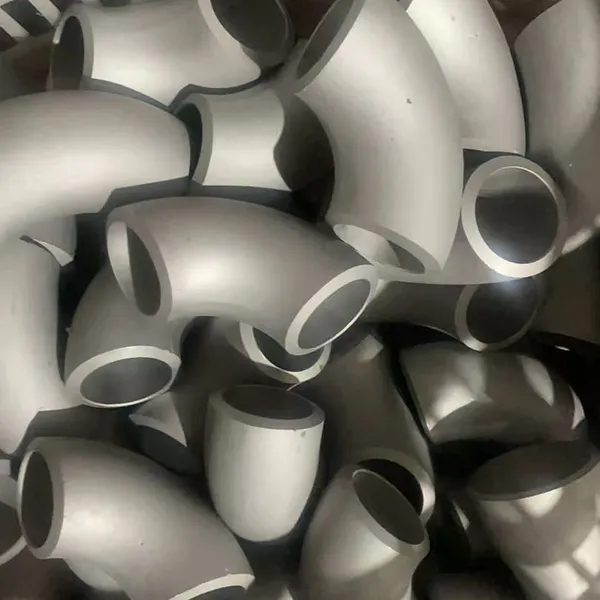
Stainless Steel ASME B16.9 Sch 45 90 Degree Pipe Fittings ElbowUS$ 8MOQ: 1 Piece
-
China Brand Zz 304L 316/316L GB En JIS Standard Thin Wall Welded Stainless Steel Water Pipe/TubeNegotiableMOQ: 2 Meters
-
BA 4 Inch 6 Inch 8 Inch 201 304 304L 316 316L Welded Seamless Stainless Steel PipeNegotiableMOQ: 2 Meters
-
ASME B36.19M-2004 SCH40S Stainless Steel Pipe - Complies With EU 3.1 CertificationUS$ 1 - 650MOQ: 1 Piece
-
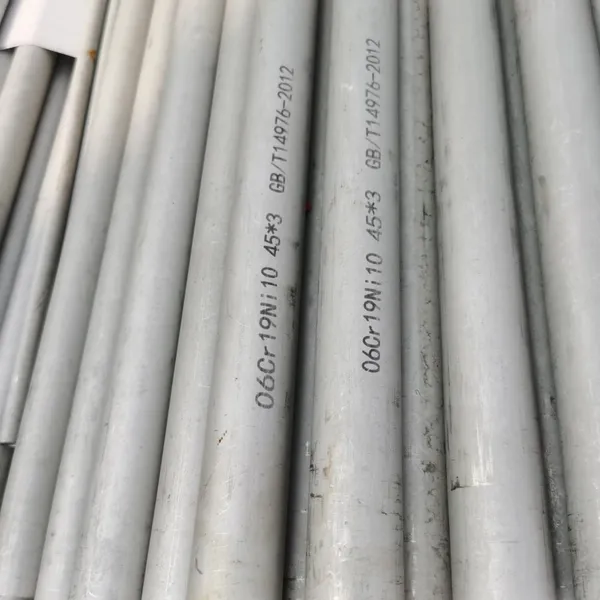
Factory TP309/TP309S/TP309H (UNS30900) Seamless Stainless Steel Pipe and Tube for Boiler BafflesUS$ 8MOQ: 200 Kilograms
-
TP347/TP347H/1.4961/S34709 Seamless Stainless Steel Pipe for UseNegotiableMOQ: 2 Meters
-
China 304 316 Stainless Steel Sanitary Welded Tube Food Grade Sanitary Grade Welded Pipe PolishingNegotiableMOQ: 1 Piece
-
China Manufacture Stainless Steel 316L Ba Seamless Welded Steel Pipe TubesUS$ 1760 - 1860MOQ: 5 Tons
-
316L/1.4405 Seamless Stainless Steel PipeNegotiableMOQ: 2 Meters
-
Stainless Steel Globe Valve – High Durability & Corrosion ResistanceNegotiableMOQ: 1 Piece
-
1.4529 Stainless Steel Flat Plate for Chemical Processing EquipmentUS$ 25 - 35MOQ: 1 Kilogram
-
Color Coated Steel Panels for Warehouse Partition Walls (Fireproof Grade)US$ 1 - 1.2MOQ: 50 Kilograms
-
Custom Width (600mm-1250mm) Colored Steel Coil With Scratch ResistanceUS$ 1 - 1.2MOQ: 50 Kilograms
-
0.5mm-3.0mm Colored Coated Steel Sheet With PVDF/Polyester CoatingUS$ 1 - 1.2MOQ: 50 Kilograms
-
JIS G 3322 Compliant Colored Coils With Third-Party Inspection ReportUS$ 1 - 1.2MOQ: 50 Kilograms