
 Business License

What are the differences between stainless steel double-wall pipes and duplex stainless steel pipes
Stainless steel double-wall pipes and duplex stainless steel pipes are two completely different concepts based on distinct classification dimensions: the former is defined by "structural form", while the latter is defined by "material composition". They have both essential differences and may also have a "combination of material and structure" relationship (such as stainless steel double-wall pipes made of duplex stainless steel). The following provides a detailed comparison from dimensions such as core definition, key features, and functional applications to help clearly distinguish them:
I. Core Definition: Completely Different Classification Dimensions
Image 1
II. Key Feature Comparison: From Structure, Material to Performance
1. Stainless Steel Double-Walled Tube: Focusing on "Structural Advantages"
Its core value is determined by the "double-layer structure", and the material can be flexibly selected (not limited to duplex stainless steel). The key features revolve around "structural function":
Structural Form: Must include "inner tube (transport medium) + outer tube (protection / auxiliary)", with a "casing space" between the two layers. This space can be designed as:
Vacuum insulation (such as LNG transportation, reducing cold loss at low temperatures);
Suction channel (if transporting toxic gases, it can promptly discharge and alarm after leakage);
Filling insulation / cold insulation materials (such as high-temperature exhaust pipes, reducing heat radiation).
Material Range: The inner and outer tubes can use any stainless steel material. Common ones include:
Ordinary austenitic stainless steel (304, 316L, used in conventional corrosion-resistant scenarios);
Duplex stainless steel (2205, 2507, used for double-walled scenarios requiring high strength and corrosion resistance);
Martensitic stainless steel (such as 1Cr13, used for low-pressure, wear-resistant double-walled structures).
Core Performance: The performance focus is on "safety redundancy brought by the structure", rather than the ultimate performance of the material itself:
Secondary Protection: The outer tube serves as a "leakage barrier", even if the inner tube is damaged, the medium will not directly leak into the environment;
Special Working Conditions Adaptation: Through the casing space, "insulation, anti-condensation, leakage monitoring" and other additional functions can be achieved;
Structural Strength: Relying on the effect of the double-layer tube wall, rather than the high strength of a single material.
2. Duplex Stainless Steel Tube: Focusing on "Material Performance"
Its core value is determined by the "duplex microstructure". The structure is a conventional single-walled tube, and the key features revolve around "material performance":
Structural Form: Standard "single-walled tube shape", without inner and outer double-layer structure, consistent with the structure of ordinary stainless steel tubes (such as 304 single-walled tubes), only the material is different.
Material Core: Must meet the "ferroptite + austenite" two-phase balance (such as 2205 duplex steel: 22% Cr, 5% Ni, 3% Mo, with a ratio of approximately 50:50), different from:
Austenitic stainless steel (such as 304, 316L, single austenitic structure, good plasticity but lower strength);
Ferritic stainless steel (such as 430, single ferritic structure, general corrosion resistance).
Core Performance: The performance focus is on "high strength of the material itself + resistance to harsh corrosion", achieved by the synergy of the duplex structure:
High Strength: Yield strength is approximately 450-600 MPa, which is 2-3 times that of 304 stainless steel (about 205 MPa);
Resistant to Harsh Corrosion: Especially resistant to "chloride stress corrosion cracking (SCC)" and "pitting corrosion", superior to 316L (such as better performance in seawater and chloride-containing chemical media);
Medium Plasticity: Between austenitic stainless steel (good plasticity) and ferritic stainless steel (poor plasticity), can meet conventional welding, bending processing requirements.
III. Application Scenarios: Function Requirements Determine Selection
1. Stainless Steel Double-Walled Pipe: Suitable for "requiring structural protection / special working conditions"
The application logic is "a double-layer structure is needed to solve the problems that a single-walled pipe cannot meet", and it is independent of the material:
Low/High Temperature Medium Transportation: such as LNG (-163℃), high-temperature flue gas, through jacketed vacuum / insulation layer to reduce heat loss / cold loss;
High-risk Medium Transportation: such as hydrogen, toxic chemical products, the outer pipe serves as a secondary barrier, combined with jacketed leakage sensor to achieve "zero leakage risk";
High Cleanliness / Anti-Pollution Scenarios: such as semiconductor ultra-pure water transportation, the outer pipe prevents the inner pipe from being corroded by the external environment.
2. Duplex Stainless Steel Pipe: Suitable for "requiring high strength + resistance to harsh corrosion" scenarios
The application logic is "the performance of ordinary stainless steel is insufficient under a single-walled structure, and a duplex material is needed to enhance performance":
Seawater Desalination Equipment: such as reverse osmosis membrane component pipelines, resistant to seawater (high chloride) corrosion, and high strength can reduce the pipe wall thickness and reduce the equipment weight;
Chemical / Oil and Gas Field: such as transportation pipelines for chlorinated organic acids, hydrogen sulfide media, resistant to pitting and stress corrosion;
Deep Sea / High Pressure Pipelines: such as submarine oil pipelines, high strength can withstand deep-sea pressure, and resistant to seawater corrosion without the need for additional thick anti-corrosion layers.
IV. Association and Combination: "Double-wall stainless steel pipe made of duplex stainless steel"
The two are not in an opposing relationship; instead, they can be combined to form a product with "structure + material" dual advantages: For example, the double-wall pipe for LNG transportation at sea:
Structurally: Adopting a "inner pipe (for transporting LNG) + outer pipe (for protection)" double-wall design, with the jacket evacuated to achieve insulation;
In terms of material: Both the inner and outer pipes use 2507 super duplex stainless steel (more corrosion-resistant than 2205), which not only utilizes the "leak prevention + insulation" functions of the double-wall structure, but also takes advantage of the "resistance to seawater corrosion + high strength" properties of duplex stainless steel, suitable for the harsh environment of deep-sea low temperatures and high salt content.
V. Summary: 3 sentences for quick distinction
1. Check the classification dimension: Stainless steel double-wall pipes are classified as "structural issues" (single-wall / double-wall), while duplex stainless steel pipes are classified as "material issues" (single-phase / duplex-phase);
2. Check the core requirements: For "secondary protection, insulation, and leak detection", stainless steel double-wall pipes should be chosen; for "high strength and resistance to chloride corrosion", duplex stainless steel pipes should be selected;
3. Check the structural form: Stainless steel double-wall pipes must be "double-layer pipes", while duplex stainless steel pipes must be "single-wall pipes" (unless specifically stated as "double-wall pipes with duplex stainless steel material").
Recently Posted
-
Does the stainless steel welded pipe have specific temperature requirements during the solution heat
January 20, 2026Solution heat treatment involves heating stainless steel to a high temperature and then rapidly cooling it to achieve an oversatur Read More
 -
Can stainless steel welded pipes be made into thick pipes
January 20, 2026With the improvement of high-quality welding technology and increasingly strict weld inspection, the application fields of s Read More
 -
Three types of commonly available food-grade stainless steel on the market
January 20, 2026The common food-grade stainless steel pipes are mainly composed of iron, chromium and carbon and other elements. Household stainle Read More
 -
What are the requirements for stainless steel welding pipe production equipment
January 20, 2026As is well known, stainless steel welded pipes have been widely used in various industries such as machinery, chemical engineering Read More

Contact Us
Recommended Products
-
 Stainless Steel Elbow Welded Elbow 45/90/180-degree Seamless Pressed Elbow Long Radius Elbow Short Radius Elbow WholesaleNegotiableMOQ: 1 Piece
 -
316L/1.4405 Seamless Stainless Steel PipeNegotiableMOQ: 2 Meters
-
310s 440 Seamless Sanitary Piping Price 321 904l 201 20 Inch Seamless Steel Pipe A554 Stainless Steel PipeNegotiableMOQ: 1 Piece
-
China Brand ZZ Wholesale 304L 316 316L Welded Austenitic Piping Stainless Steel Pipe SupplierNegotiableMOQ: 2 Meters
-
304/304L/316/409/410/904L/2205/2507/310H Premium Stainless Steel Sheets Supplier Custom Sizes & FinishesUS$ 1.72MOQ: 1 Ton
-
Stainless Steel ASME B16.9 Sch 45 90 Degree Pipe Fittings ElbowUS$ 8MOQ: 1 Piece
-
China Brand Zz 304L 316/316L GB En JIS Standard Thin Wall Welded Stainless Steel Water Pipe/TubeNegotiableMOQ: 2 Meters
-
BA 4 Inch 6 Inch 8 Inch 201 304 304L 316 316L Welded Seamless Stainless Steel PipeNegotiableMOQ: 2 Meters
-
ASME B36.19M-2004 SCH40S Stainless Steel Pipe - Complies With EU 3.1 CertificationUS$ 1 - 650MOQ: 1 Piece
-
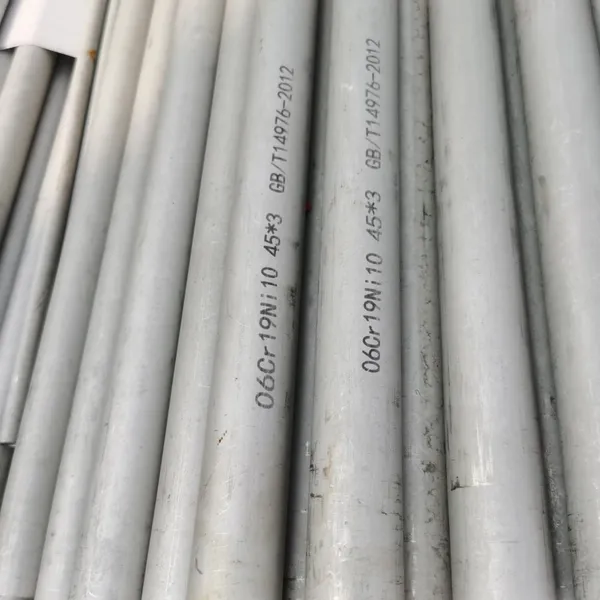
Factory TP309/TP309S/TP309H (UNS30900) Seamless Stainless Steel Pipe and Tube for Boiler BafflesUS$ 8MOQ: 200 Kilograms
-
TP347/TP347H/1.4961/S34709 Seamless Stainless Steel Pipe for UseNegotiableMOQ: 2 Meters
-
China 304 316 Stainless Steel Sanitary Welded Tube Food Grade Sanitary Grade Welded Pipe PolishingNegotiableMOQ: 1 Piece
-
China Manufacture Stainless Steel 316L Ba Seamless Welded Steel Pipe TubesUS$ 1760 - 1860MOQ: 5 Tons
-
316L/1.4405 Seamless Stainless Steel PipeNegotiableMOQ: 2 Meters
-
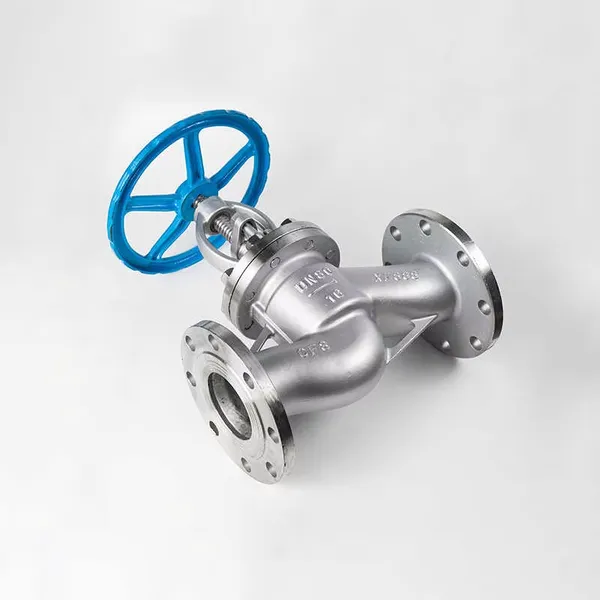
Stainless Steel Globe Valve – High Durability & Corrosion ResistanceNegotiableMOQ: 1 Piece
-
1.4529 Stainless Steel Flat Plate for Chemical Processing EquipmentUS$ 25 - 35MOQ: 1 Kilogram
-
Color Coated Steel Panels for Warehouse Partition Walls (Fireproof Grade)US$ 1 - 1.2MOQ: 50 Kilograms
-
Custom Width (600mm-1250mm) Colored Steel Coil With Scratch ResistanceUS$ 1 - 1.2MOQ: 50 Kilograms
-
0.5mm-3.0mm Colored Coated Steel Sheet With PVDF/Polyester CoatingUS$ 1 - 1.2MOQ: 50 Kilograms
-
JIS G 3322 Compliant Colored Coils With Third-Party Inspection ReportUS$ 1 - 1.2MOQ: 50 Kilograms