
 Business License

The differences between eddy current testing of stainless steel pipes, radiographic testing
To understand the differences between eddy current testing, radiographic testing and solution hardening of stainless steel pipes, one must first clarify the core attributes of these three methods: The former two are non-destructive testing techniques used to detect quality defects in pipe materials, while the latter is a heat treatment and surface treatment process for enhancing the performance of the pipes (corrosion resistance, mechanical properties), essentially belonging to the category differences between "testing methods" and "processing techniques". The following provides a detailed comparison from the dimensions of principle, purpose, and characteristics:
I. Core Definition and Essential Differences
Picture 1
II. Detailed Dimensional Analysis
1. Eddy Current Testing (ET)
(1) Principle
Based on the electromagnetic induction phenomenon: Place a coil (probe) carrying alternating current close to the surface of the stainless steel pipe. The pipe will induce "eddy currents" (closed circuits); if there are surface or near-surface defects (such as cracks, inclusions, scratches, uneven wall thickness) on the pipe, the size and distribution of the eddy currents will change, thereby causing a change in the impedance of the probe coil. By capturing this impedance signal difference through the instrument, the defect can be located and identified.
(2) Detection Object and Scope
Defect Types: Mainly detect surface and near-surface defects (depth usually ≤ 10%-20% of the pipe wall thickness), such as:
Surface cracks, scratches, pits;
Near-surface inclusions, pores, delamination;
Local wall thickness thinning (caused by corrosion, wear, etc.).
Applicable Scenarios: Online continuous detection of stainless steel pipes (especially thin-walled pipes, seamless pipes) during production (real-time inspection) or offline sampling detection. It cannot detect deep internal defects of the pipe.
(3) Core Characteristics
Advantages:
Fast detection speed (can match the production line speed of the pipe, several meters per second);
No need for coupling agent (probe and pipe are not in contact or have slight contact, suitable for high-temperature, high-speed scenarios);
High sensitivity to conductive materials (stainless steel is a conductive material), especially sensitive to surface micro-cracks.
Limitations:
Can only detect surface/near-surface defects, cannot penetrate to the interior of the pipe;
Affected greatly by the surface condition of the pipe (such as excessive oxide scale, excessive oil stains will interfere with the signal);
Difficult to perform precise "quantification" (such as defect depth and size need to be verified with other methods).
2. Radiographic Testing (RT)
(1) Principle
Based on the principle of radiation penetration attenuation: Use X-rays, γ-rays, etc. with high energy to penetrate the stainless steel pipe. Different substances have different "absorption capabilities" for radiation - if there are defects (such as pores, inclusions, incomplete welding) in the pipe, the density of the defect area is lower than that of normal metal, and the radiation penetrates with less attenuation, ultimately forming "images" through film (traditional RT) or digital detectors (DR/CR), where the defect is represented as "bright spots" or "dark spots" on the image, thereby achieving the location, determination, and quantification of internal defects.
(2) Detection Object and Scope
Defect Types: Mainly detect internal and weld defects of the pipe, such as:
Internal pores, inclusions, porosity;
Welding defects such as incomplete welding, non-melting, cracks (requires matching radiation angle);
Inhomogeneous wall thickness (local thinning or thickening).
Applicable Scenarios: Key parts detection of stainless steel pipes (especially thick-walled pipes, welded pipes), such as weld quality acceptance of pressure-bearing pipes (chemical, nuclear power use pipes), internal quality inspection of important components, not suitable for online continuous detection (slow speed, radiation).
(3) Core Characteristics
Advantages:
Can visually display the shape, location, and size of internal defects, facilitating precise quantification;
Detection depth is large (can penetrate several millimeters of stainless steel), not affected by surface condition;
Detection results can be retained (film or digital images), facilitating traceability and review.
Limitations:
There is a radiation risk, strict protection is required (operators need to hold certificates, detection areas need to be isolated);
Detection speed is slow (several minutes to several tens of minutes per pipe), high cost;
Sensitive to "planar defects" (such as cracks parallel to the radiation direction) is low. Principle: Heat the stainless steel tube to a high temperature (typically 1050-1150°C for austenitic stainless steel), hold it for a period of time to allow the carbides (such as Cr₂₃C₆) in the tube material to fully dissolve into the austenite matrix, then quickly water-cool (quench) to inhibit the re-precipitation of carbides during cooling.
Objective: To solve the problem of "intergranular corrosion" in stainless steel - if carbides precipitate, it will cause a depletion of chromium elements near the grain boundaries (forming a "poor chromium zone"), making the tube prone to intergranular cracking in corrosive environments (such as acidic, high-temperature environments); at the same time, the solution treatment can also restore the ductility and toughness of the tube (eliminating work hardening).
Step 2: Passivation treatment (auxiliary)
Principle: Place the stainless steel tube after solution treatment in a passivation solution (such as nitric acid, citric acid solution) for soaking. The metal ions on the surface of the tube react with the passivation solution to form a dense and stable oxide film (mainly composed of Cr₂O₃).
Objective: To further enhance the corrosion resistance of the tube surface - the oxide film can isolate air, water and corrosive media, preventing further corrosion of the internal metal of the tube, especially suitable for scenarios with high requirements for corrosion resistance (such as food, medicine, chemical industries).
(2) Treatment objects and scope
For the internal structure and surface condition of the stainless steel tube, rather than defects;
Mainly used for austenitic stainless steel tubes (such as 304, 316 stainless steel), this type of stainless steel is prone to intergranular corrosion due to carbide precipitation, and must be improved through solution treatment; martensitic or ferritic stainless steel can choose whether to undergo solution treatment based on requirements.
(3) Core characteristics
Advantages:
Improve corrosion resistance from the "root cause" (solve intergranular corrosion), rather than merely repairing the surface;
Restore mechanical properties after processing (such as eliminating hardening after cold drawing, bending);
The passivation film is stable and non-toxic, meeting food grade, medicine grade standards.
Limitations:
It belongs to a "processing technology" and cannot detect or repair existing defects (such as cracks, pores);
Solution treatment requires high-temperature heating and rapid cooling, with high energy consumption, and may cause slight deformation of the tube (requiring subsequent correction).
III. Summary of Key Differences (Table Comparison)
Image 2
IV. Correlation in Practical Applications
In the production process of stainless steel pipes, these three steps are often used in combination rather than being mutually exclusive:
First, solution treatment and passivation: After the pipe material is formed, it is treated through solution treatment to improve its performance (addressing issues related to corrosion resistance and mechanical properties);
Then, follow-up with flaw detection: After the performance is enhanced, use eddy current flaw detection to check surface and near-surface defects, and use radiographic flaw detection to inspect internal and weld defects. Ultimately, ensure that the pipe meets "performance standards + no defects", which can meet the requirements of downstream applications (such as chemical pipelines, medical device pipes).
Recently Posted
-
Does the stainless steel welded pipe have specific temperature requirements during the solution heat
January 20, 2026Solution heat treatment involves heating stainless steel to a high temperature and then rapidly cooling it to achieve an oversatur Read More
 -
Can stainless steel welded pipes be made into thick pipes
January 20, 2026With the improvement of high-quality welding technology and increasingly strict weld inspection, the application fields of s Read More
 -
Three types of commonly available food-grade stainless steel on the market
January 20, 2026The common food-grade stainless steel pipes are mainly composed of iron, chromium and carbon and other elements. Household stainle Read More
 -
What are the requirements for stainless steel welding pipe production equipment
January 20, 2026As is well known, stainless steel welded pipes have been widely used in various industries such as machinery, chemical engineering Read More

Contact Us
Recommended Products
-
 Stainless Steel Elbow Welded Elbow 45/90/180-degree Seamless Pressed Elbow Long Radius Elbow Short Radius Elbow WholesaleNegotiableMOQ: 1 Piece
 -
316L/1.4405 Seamless Stainless Steel PipeNegotiableMOQ: 2 Meters
-
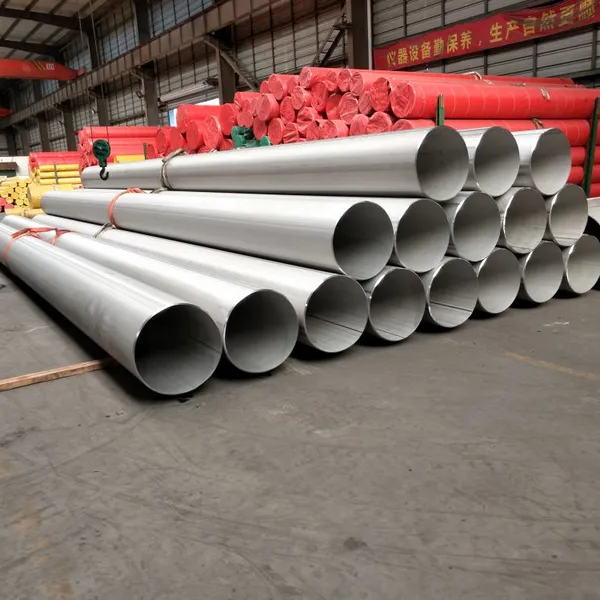
310s 440 Seamless Sanitary Piping Price 321 904l 201 20 Inch Seamless Steel Pipe A554 Stainless Steel PipeNegotiableMOQ: 1 Piece
-
China Brand ZZ Wholesale 304L 316 316L Welded Austenitic Piping Stainless Steel Pipe SupplierNegotiableMOQ: 2 Meters
-
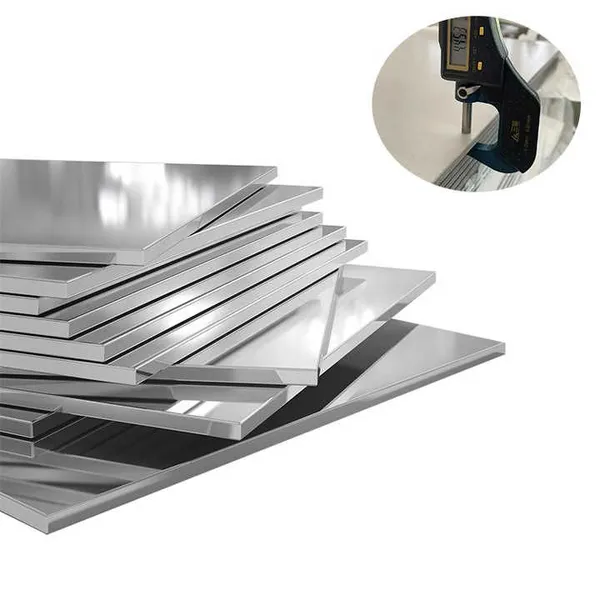
304/304L/316/409/410/904L/2205/2507/310H Premium Stainless Steel Sheets Supplier Custom Sizes & FinishesUS$ 1.72MOQ: 1 Ton
-
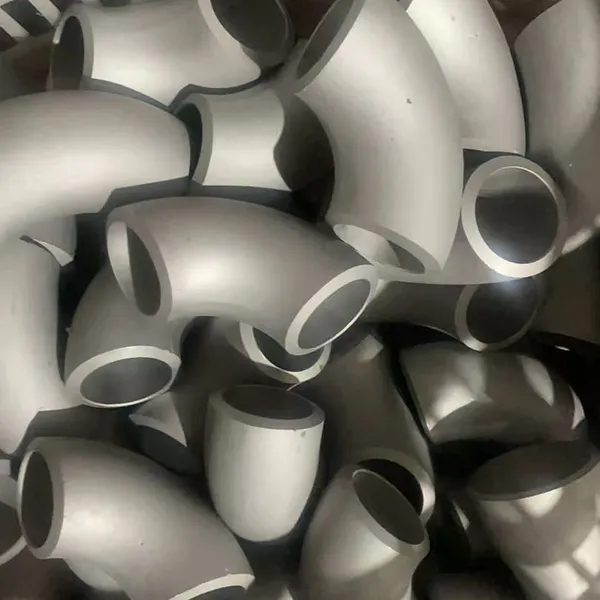
Stainless Steel ASME B16.9 Sch 45 90 Degree Pipe Fittings ElbowUS$ 8MOQ: 1 Piece
-
China Brand Zz 304L 316/316L GB En JIS Standard Thin Wall Welded Stainless Steel Water Pipe/TubeNegotiableMOQ: 2 Meters
-
BA 4 Inch 6 Inch 8 Inch 201 304 304L 316 316L Welded Seamless Stainless Steel PipeNegotiableMOQ: 2 Meters
-
ASME B36.19M-2004 SCH40S Stainless Steel Pipe - Complies With EU 3.1 CertificationUS$ 1 - 650MOQ: 1 Piece
-
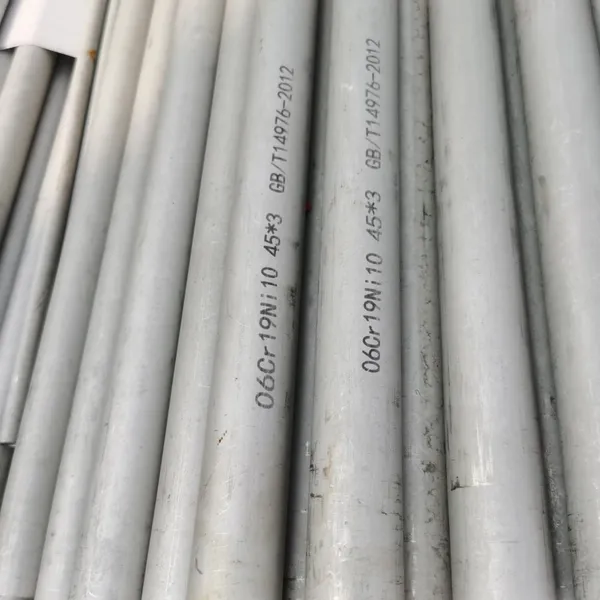
Factory TP309/TP309S/TP309H (UNS30900) Seamless Stainless Steel Pipe and Tube for Boiler BafflesUS$ 8MOQ: 200 Kilograms
-
TP347/TP347H/1.4961/S34709 Seamless Stainless Steel Pipe for UseNegotiableMOQ: 2 Meters
-
China 304 316 Stainless Steel Sanitary Welded Tube Food Grade Sanitary Grade Welded Pipe PolishingNegotiableMOQ: 1 Piece
-
China Manufacture Stainless Steel 316L Ba Seamless Welded Steel Pipe TubesUS$ 1760 - 1860MOQ: 5 Tons
-
316L/1.4405 Seamless Stainless Steel PipeNegotiableMOQ: 2 Meters
-
Stainless Steel Globe Valve – High Durability & Corrosion ResistanceNegotiableMOQ: 1 Piece
-
1.4529 Stainless Steel Flat Plate for Chemical Processing EquipmentUS$ 25 - 35MOQ: 1 Kilogram
-
Color Coated Steel Panels for Warehouse Partition Walls (Fireproof Grade)US$ 1 - 1.2MOQ: 50 Kilograms
-
Custom Width (600mm-1250mm) Colored Steel Coil With Scratch ResistanceUS$ 1 - 1.2MOQ: 50 Kilograms
-
0.5mm-3.0mm Colored Coated Steel Sheet With PVDF/Polyester CoatingUS$ 1 - 1.2MOQ: 50 Kilograms
-
JIS G 3322 Compliant Colored Coils With Third-Party Inspection ReportUS$ 1 - 1.2MOQ: 50 Kilograms