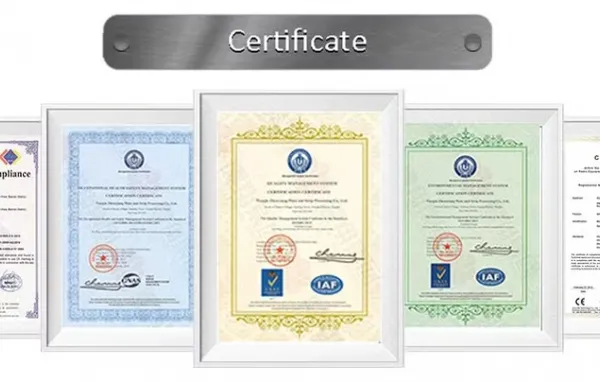

 Business License

What industries are 2205 stainless steel welded pipes mainly used in
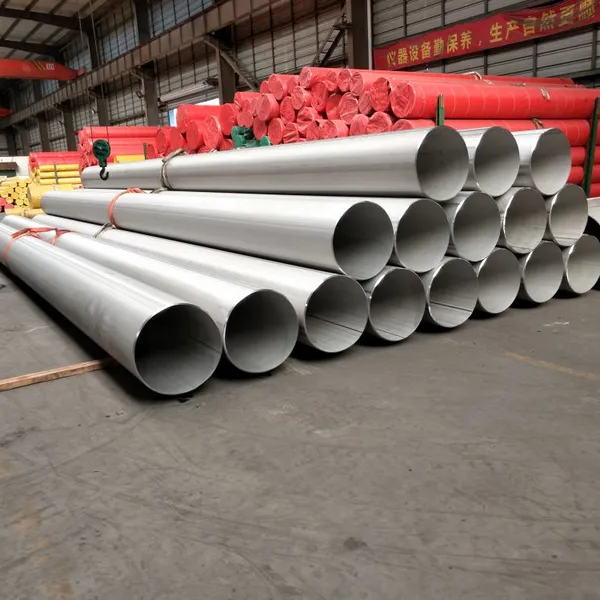
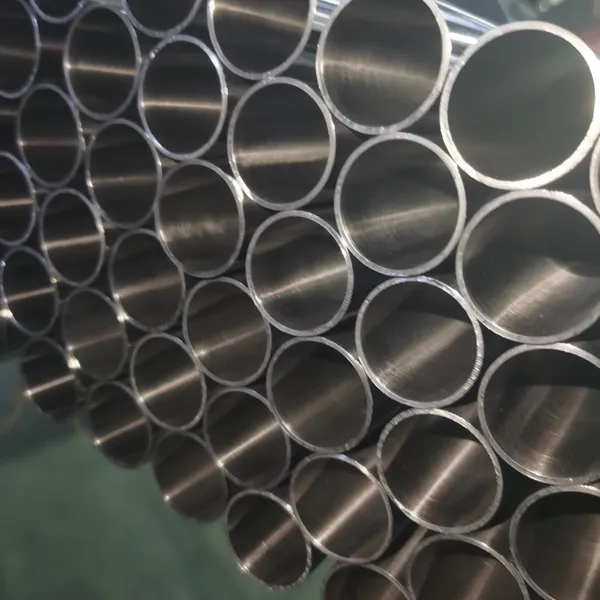
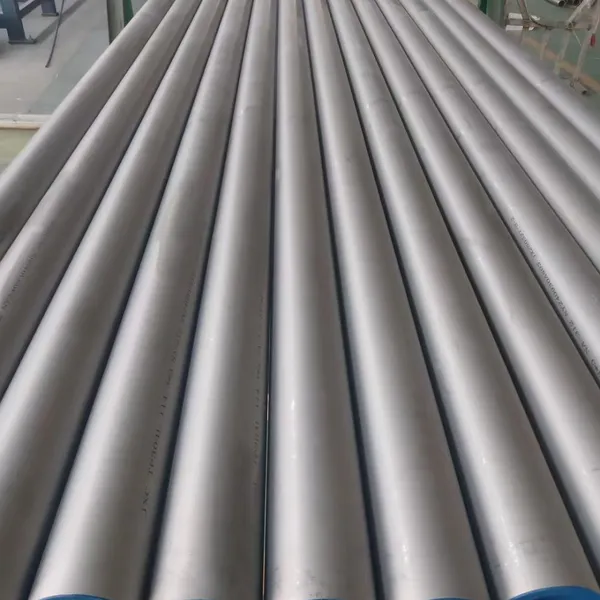
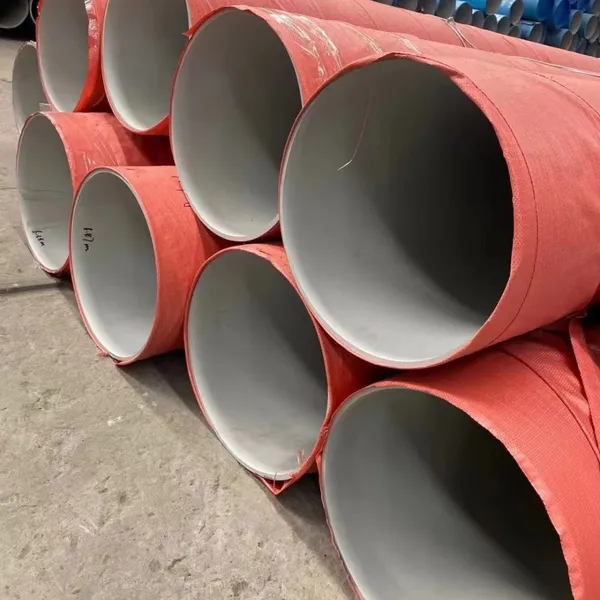
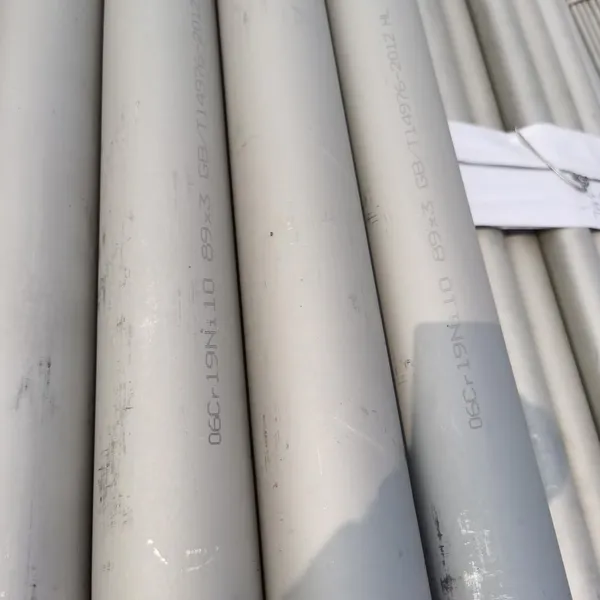
2205 material is a special type of stainless steel (officially known as 2205 duplex stainless steel) that combines the corrosion resistance of austenitic stainless steel with the high strength of ferritic stainless steel. It contains 22% chromium, 5% nickel, 3% molybdenum, and also contains nitrogen. It has excellent resistance to chloride stress corrosion cracking and pitting/corrosion, and its strength is much higher than that of conventional austenitic stainless steels such as 304 and 316. Due to these characteristics, 2205 stainless steel welded pipes (welded formed pipes, with lower cost than seamless pipes and suitable for large-diameter requirements) are mainly used in industries that have high requirements for corrosion resistance, strength, and cost performance. The specific applications are as follows:
1. Petroleum and Natural Gas Industry (Core Application Field)
The extraction, transportation, and refining processes of petroleum and natural gas often encounter harsh conditions such as high salinity (e.g., the seawater environment of offshore oil and gas fields), high pressure, and corrosive media containing H₂S/CO₂. Traditional stainless steel is prone to corrosion failure, while 2205 welded pipes can effectively address these issues:
Extraction process: used for wellhead equipment, production well pipelines, and injection water pipelines (transporting chlorinated injection water) on offshore platforms;
Transportation process: land-based / submarine oil and gas pipelines (especially gathering pipelines for high-sulfur oil and gas fields), process pipelines in oil and gas processing plants;
Refining process: desulfurization devices in refineries, catalytic cracking devices pipelines, and cryogenic corrosion-resistant pipelines for natural gas liquefaction (LNG) plants (2205 has excellent low-temperature toughness).
2. Chemical and Petrochemical Industry
In chemical production, frequent exposure to acid, alkali, and salt solutions (such as sulfuric acid, hydrochloric acid, ammonium chloride solutions), as well as high-temperature and high-pressure reaction environments is encountered. The corrosion resistance and high strength of 2205 welded pipes can meet the pipeline requirements for key equipment:
Basic chemicals: Evaporation system pipelines in the production of soda ash and caustic soda, acid medium transportation pipelines in phosphate production;
Fine chemicals: Feed/outlet pipelines for pharmaceutical intermediates and pesticide synthesis reactors (requiring both corrosion resistance and hygiene);
Petrochemical downstream: Circulation water pipes and process medium transportation pipes for polymer material production devices (avoiding medium contamination due to corrosion).
3. Desalination of seawater and marine engineering industry
Seawater contains a high concentration of chloride ions (approximately 3.5%), which is a highly corrosive environment. The chloride-resistant corrosion ability of 2205 welded pipes is its core advantage and is mainly applied in:
Seawater desalination devices: Pre-treatment pipelines for reverse osmosis (RO) desalination systems (such as seawater intake, filtration, and dosing pipelines), desalinated water transportation pipes, and heating pipes for multi-effect evaporation devices;
Marine engineering: Cooling water pipes for offshore platforms (used with seawater cooling equipment), ballast water pipes (used for regulating the platform's buoyancy), anti-corrosion guardrail brackets for port docks, and structural support pipes for cross-sea bridges (required to resist marine atmospheric corrosion).
4. Water Treatment Industry (Municipal / Industrial Wastewater Treatment)
Municipal wastewater and industrial wastewater (such as electroplating wastewater, dyeing wastewater, power plant desulfurization wastewater) often contain corrosive substances like chloride ions, heavy metal ions, and sulfides, and the treatment system needs to operate stably for a long time. 2205 welded pipes can prevent secondary pollution caused by pipeline corrosion and leakage:
Municipal water treatment: Aeration tank pipelines in sewage treatment plants, sludge transportation pipes (containing high concentrations of corrosive ions in sludge), reclaimed water network (transporting reused water, which needs to be resistant to long-term corrosion);
Industrial water treatment: Circulating cooling water pipelines in power plants and steel mills (add corrosion inhibitors to the circulating water, but the pipelines themselves still need to be corrosion-resistant), wastewater zero-emission systems of coal chemical enterprises.
5. Papermaking and Pulp Industry
Pulp production (especially the "sulfate pulping method") requires the use of chlorine-containing bleaching agents (such as sodium hypochlorite, chlorine dioxide), as well as high-temperature and high-humidity environments. Regular stainless steel is prone to corrosion by these bleaching agents, while 2205 welded pipes can withstand such strong oxidizing corrosive environments:
Pulp production stage: Inlet pipes for the pulp washing machine, feed/outlet pipes of the bleaching tower (for transporting chlorine-containing bleaching liquid);
Papermaking stage: Wet part pipes of the paper machine (in contact with the mixture of pulp and water), pipes of the wastewater recovery system (wastewater from paper mills contains lignin and organic acids, which are highly corrosive).
6. Food Processing and Beverage Industry
Food processing needs to consider corrosion resistance (to prevent the release of metal ions and contamination of food), hygiene (easy cleaning and no dead corners), and the acid resistance (if the environment is acidic like juice or vinegar) and disinfectant corrosion resistance (such as chlorine-based cleaning) of 2205 welded pipes:
Acidic food processing: pipelines for transporting tomato juice, orange juice, apple vinegar, pickled products (such as kimchi) with brine circulation;
High-protein food processing: pipelines for sterilization equipment in dairy products (milk, yogurt), and cleaning water pipes in meat processing (to avoid corrosion of the pipes by disinfectants);
Beverage industry: malt juice pipelines in beer brewing, cleaning pipelines in beer filling lines (resistant to alkaline cleaning solutions and acidic beer environment).
Other secondary application industries
Energy industry: circulating cooling water pipelines in nuclear power plants (resistant to corrosion by seawater / fresh water), internal support pipes of offshore wind turbines (resistant to marine atmospheric corrosion);
Construction industry: building pipelines in high-humidity environments (such as fire water pipes in underground garages, circulation pipes in swimming pools), and curtain wall support pipes in coastal areas (resistant to sea wind corrosion);
Pharmaceutical industry: process pipelines in sterile drug production (requiring resistance to acid and alkali cleaning and steam sterilization, and no risk of metal ion release).
In summary, the core logic of the application of 2205 stainless steel welded pipes is as follows: When the industrial conditions require both "resistance to strong corrosion (especially chloride corrosion)" and "high strength (reducing pipe wall thickness and reducing costs)", and conventional stainless steel (304, 316) cannot meet the requirements, 2205 welded pipes become one of the optimal choices, especially occupying an irreplaceable position in "industrial scenarios related to water, salt, and acids".
Recently Posted
-
Does the stainless steel welded pipe have specific temperature requirements during the solution heat
January 20, 2026Solution heat treatment involves heating stainless steel to a high temperature and then rapidly cooling it to achieve an oversatur Read More
 -
Can stainless steel welded pipes be made into thick pipes
January 20, 2026With the improvement of high-quality welding technology and increasingly strict weld inspection, the application fields of s Read More
 -
Three types of commonly available food-grade stainless steel on the market
January 20, 2026The common food-grade stainless steel pipes are mainly composed of iron, chromium and carbon and other elements. Household stainle Read More
 -
What are the requirements for stainless steel welding pipe production equipment
January 20, 2026As is well known, stainless steel welded pipes have been widely used in various industries such as machinery, chemical engineering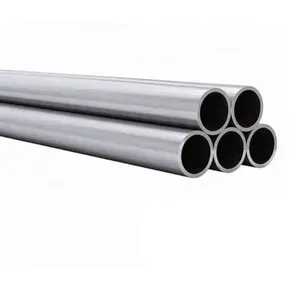 Read More

Contact Us
Recommended Products
-
 Stainless Steel Elbow Welded Elbow 45/90/180-degree Seamless Pressed Elbow Long Radius Elbow Short Radius Elbow WholesaleNegotiableMOQ: 1 Piece
 -
316L/1.4405 Seamless Stainless Steel PipeNegotiableMOQ: 2 Meters
-
310s 440 Seamless Sanitary Piping Price 321 904l 201 20 Inch Seamless Steel Pipe A554 Stainless Steel PipeNegotiableMOQ: 1 Piece
-
China Brand ZZ Wholesale 304L 316 316L Welded Austenitic Piping Stainless Steel Pipe SupplierNegotiableMOQ: 2 Meters
-
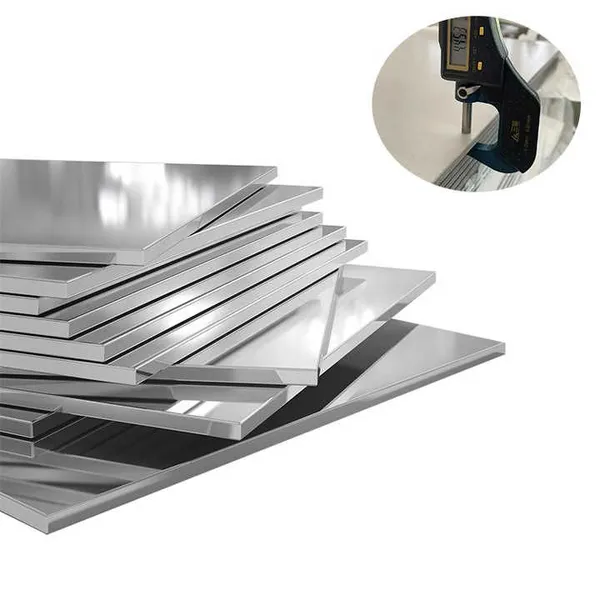
304/304L/316/409/410/904L/2205/2507/310H Premium Stainless Steel Sheets Supplier Custom Sizes & FinishesUS$ 1.72MOQ: 1 Ton
-
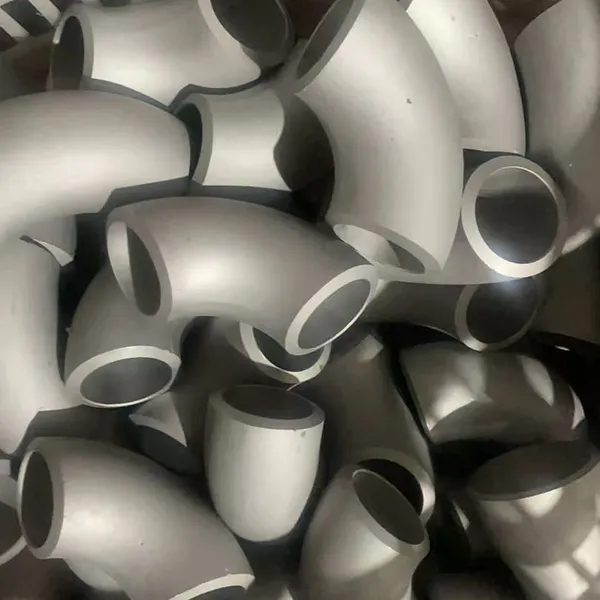
Stainless Steel ASME B16.9 Sch 45 90 Degree Pipe Fittings ElbowUS$ 8MOQ: 1 Piece
-
China Brand Zz 304L 316/316L GB En JIS Standard Thin Wall Welded Stainless Steel Water Pipe/TubeNegotiableMOQ: 2 Meters
-
BA 4 Inch 6 Inch 8 Inch 201 304 304L 316 316L Welded Seamless Stainless Steel PipeNegotiableMOQ: 2 Meters
-
ASME B36.19M-2004 SCH40S Stainless Steel Pipe - Complies With EU 3.1 CertificationUS$ 1 - 650MOQ: 1 Piece
-
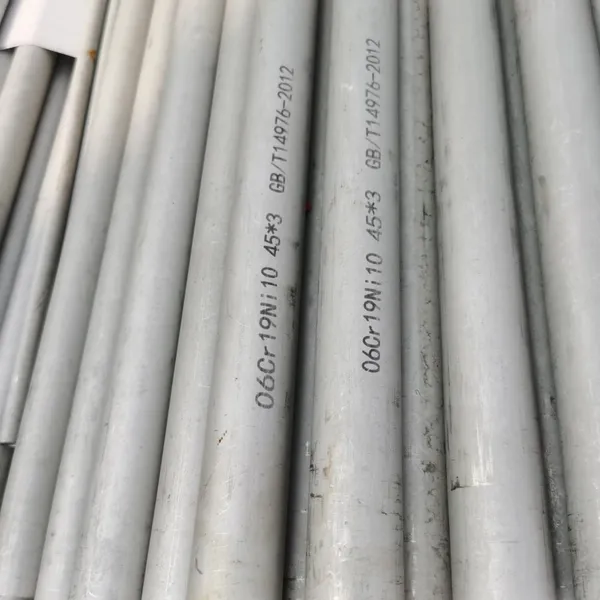
Factory TP309/TP309S/TP309H (UNS30900) Seamless Stainless Steel Pipe and Tube for Boiler BafflesUS$ 8MOQ: 200 Kilograms
-
TP347/TP347H/1.4961/S34709 Seamless Stainless Steel Pipe for UseNegotiableMOQ: 2 Meters
-
China 304 316 Stainless Steel Sanitary Welded Tube Food Grade Sanitary Grade Welded Pipe PolishingNegotiableMOQ: 1 Piece
-
China Manufacture Stainless Steel 316L Ba Seamless Welded Steel Pipe TubesUS$ 1760 - 1860MOQ: 5 Tons
-
316L/1.4405 Seamless Stainless Steel PipeNegotiableMOQ: 2 Meters
-
Stainless Steel Globe Valve – High Durability & Corrosion ResistanceNegotiableMOQ: 1 Piece
-
World's Most Affordable Color-Coated Steel Sheets - 0.3mm to 3mm Thickness - Mill Test Report IncludedUS$ 1102MOQ: 10 Kilograms
-
Color-Coated Steel Sheets With 15-Year Fade Warranty - JIS G 3322 Standard CompliantUS$ 1102MOQ: 10 Kilograms
-
Prefab Building Material - 0.4mm Color-Coated Corrugated Sheets - 100,000㎡ Monthly OutputUS$ 1102MOQ: 10 Kilograms
-
Industrial-Grade Color-Coated Sheets - 150-250g/m² Zinc Coating - Weather & UV ResistantUS$ 1102MOQ: 10 Kilograms
-
Factory-Direct Color-Coated Steel Plates - PVDF/Polyester Coating - 1220mm Standard WidthUS$ 1102MOQ: 10 Kilograms