
 Business License

What are the specific requirements for stainless steel pipes in the fire protection systems of diffe
The selection of stainless steel pipes in ship fire protection systems must strictly match the fire risk characteristics, medium properties, and environmental conditions of the ship type. Different ship types have significant differences in requirements for the corrosion resistance, mechanical properties, and process details of stainless steel pipes. The following will be elaborated from eight typical ship types: oil tankers, LNG ships, chemical tankers, polar ships, passenger ships, bulk carriers, container ships, and roll-on/roll-off ships. Based on international standards and industry practices, the specific requirements will be analyzed in detail:
I. Oil Tanker: Dual Challenges of Oil Resistance and Seawater Corrosion
Core Risks
Oil fires (diesel, crude oil) and seawater corrosion, requiring the synergy of foam fire suppression systems and high-pressure fire water systems.
Special Requirements for Stainless Steel Pipes
1. Material Upgrade: 316L + Inner Wall Degreasing
The material must be 316L stainless steel (resistant to Cl⁻ pitting corrosion in seawater), and the inner wall must undergo degreasing treatment (e.g., immersion in 65% concentrated nitric acid) to ensure that the foam liquid (such as AFFF water-soluble foam) is not contaminated by oil.
Testing Standards: After degreasing, the grease content should be ≤ 350mg/L (no fluorescence detected by ultraviolet light), to avoid the failure of the foam liquid.
2. Process Details: Oil Resistance Sealing and Anti-Vibration
The flange sealing gasket uses an oil-resistant polytetrafluoroethylene gasket (with a temperature range of -200 to 260℃), to prevent the penetration of the foam liquid and the aging of the gasket;
The pump outlet pipeline is equipped with a metal bellows flexible joint (made of 316L material), to absorb the high-frequency vibration of the oil tank (such as the impact of the cargo oil pump start and stop), and prevent weld cracking.
3. Environmental Adaptability: Protection in High-Temperature Areas
The stainless steel pipes outside the high-temperature section of the engine room (40-80℃) need to be covered with ceramic fiber fire-resistant insulation (thickness ≥ 30mm), meeting the IMO SOLAS A-level fire resistance requirements, and remaining effective for 30 minutes in the event of a fire.
II. LNG VESSEL (LNG Carrier): Dual Challenges of Extreme Low Temperature and Fire Resistance
Core Risks
Low-temperature fires caused by LNG leakage (-163℃) and high-pressure fire-fighting requirements.
Special Requirements for Stainless Steel Pipes
1. Material Revolution: 316LN Low-Temperature Stainless Steel
Select 316LN stainless steel (nitrogen reinforced, with impact strength Akv≥27J at -196℃), which has a 40% improvement in low-temperature toughness compared to ordinary 316L, avoiding deep cryogenic cracking.
Verification Standards: Need to pass liquid nitrogen immersion test (-196℃ for 2 hours, hardness change ΔHV≤15) to ensure no phase change cracking at low temperatures.
2. Process Breakthrough: Cold Protection and Anti-condensation
The pipeline is wrapped with polyurethane foam insulation layer (thickness ≥ 50mm), and the outer layer is fixed with 316L stainless steel strips to prevent LNG leakage from causing pipe condensation corrosion;
Welding uses pulsed TIG welding (thermal input ≤ 1.5 kJ/mm), reducing the brittleness of the weld heat-affected zone, and 100% conducting low-temperature impact tests (-163℃ impact strength ≥ 34J) after welding.
3. System Design: Low-Temperature Pressure Control
The design pressure of the cryogenic gas pipeline is ≥ 1.2 times the maximum working pressure, and it is equipped with a safety valve + heater. The released gas needs to be heated to ≥ -107℃ (to avoid the accumulation of polymers in low-temperature gas).
III. Chemical Tanker: The "Super Soldier" Resistant to Chemical Corrosion
Core Risks
Corrosion and fire caused by dangerous chemical leakage require the combination of corrosion-resistant stainless steel pipes and local emergency fire suppression systems.
Special Requirements for Stainless Steel Pipes
1. Material Transformation: Duplex Stainless Steel 2205
The liquid cargo tank area must use 2205 duplex stainless steel (Cr22%, Ni5%, Mo3%), with a corrosion resistance equivalent (PREN) of ≥35, capable of resisting corrosion from various chemicals such as acids, alkalis, and salts.
Performance Verification: Yield strength ≥ 550 MPa (2 times that of 316L), -40℃ impact energy ≥ 40 J, the corrosion resistance of the heat affected zone of the weld is equivalent to that of the base material.
2. Process Enhancement: Welding and Surface Treatment
Welding uses duplex stainless steel welding wire E2209 (containing N element to stabilize the austenitic phase), the weld seam needs 100% ferrite content testing (40-60% duplex ratio), to avoid single-phase corrosion;
The inner wall is polished to Ra ≤ 0.8 μm (hygienic grade standard), to prevent local corrosion caused by residual chemicals.
3. System Design: Leak Monitoring and Isolation
The stainless steel pipes in the cargo tank area are equipped with a double-wall structure (inner pipe + outer pipe), with a nitrogen-filled interlayer (pressure 0.2 MPa), and an alarm sounds and lights when a leak occurs;
Valves connected to the cargo tank area need to be fire-resistant (Fire Safe), and automatically cut off the chemical transportation during a fire.
IV. Polar Ships (Polar Vessels): "Polar Guardians" Resistant to Low-Temperature Cracking and Ice Shock
Core Risks
- Material brittleness caused by temperatures below -40°C, and vibration fatigue caused by ice shock.
Special Requirements for Stainless Steel Pipes
1. Material Optimization: Strengthening of Low-Temperature Toughness
Select 316L low-temperature optimized type (-40°C impact energy Akv ≥ 40J), or upgrade to duplex stainless steel 2507 (-60°C impact energy ≥ 50J), with grain refinement to ASTM 9 level or above.
Verification Standards: Need to pass low-temperature tensile test (-40°C yield strength ≥ 290MPa, elongation ≥ 35%).
2. Process Innovation: Anti-Ice Shock Design
Pipeline uses a combination of spring suspension frames + limit supports to absorb ice shock displacement (axial ±15mm, lateral ±5mm);
After welding, perform stress-relieving heat treatment (580-620°C × 2h), reducing residual stress in the weld seam and preventing ice shock fatigue cracking.
3. System Design: Anti-Freeze and Drainage
Open-air pipelines are equipped with electric heating systems (maintain temperature ≥ 5°C), and every 10m is equipped with an automatic drainage valve (automatically drain accumulated water at low temperatures to avoid expansion and cracking);
Valves use low-temperature ball valves (-60°C opening and closing torque ≤ 50N·m), and the valve stem is filled with low-temperature lubricating grease (-70°C still has fluidity).
V. Passenger Ship: Hygienic Level + Rapid Response "Life Passage"
Core Risks
Solid fires in densely populated areas (such as cables, furniture) require rapid spraying + reliable escape routes.
Special Requirements for Stainless Steel Pipes
1. Material Upgrade: Hygienic Level + Anti-Microbial
The spray branch pipes in living areas use 316L hygienic-level stainless steel, with the inner wall polished to Ra ≤ 0.8μm (in accordance with GB/T 14976-2022 requirements), to prevent microbial growth.
Verification Standard: Need to pass the biofilm attachment test (after inoculation with Escherichia coli for 72 hours, the attachment amount ≤ 10³CFU/cm²).
2. Process Details: Rapid Installation and Marking
Use compression connection (installation time is 50% shorter than welding), and use a three-component ethylene propylene diene monomer (EPDM) rubber sealing ring (with a temperature range of -40~120℃) at the interface;
The outer surface of the pipeline is coated with fluorescent red fire-resistant paint (still clearly visible at a visibility of ≤ 5m), and marked every 2m with "Fire Water" + arrow indication.
3. System Design: Redundancy and Rapid Response
The main fire water pipe is equipped with dual-loop redundancy (DN150 main pipe + DN100 backup pipe), ensuring at least one route is available in case of fire;
The pipeline in the engine room area needs to pass the fire resistance test (no leakage at 840℃ for 30 minutes), in accordance with IMO SOLAS A-60 standards.
VI. Bulk Carrier: "Raw Demand" for Large Diameter + High Pressure
Core Risks
Large-scale solid fires in the cargo holds require a high-pressure fire-fighting water system to quickly cover the area.
Special Requirements for Stainless Steel Pipes
1. Material and Specifications: High strength + Large diameter
The main pipes in the cargo holds are made of 316L seamless steel pipes (DN150-DN200, wall thickness 6.0-8.0mm), with a pressure resistance of ≥ 2.5MPa (design pressure 1.5 times, test pressure 3.75MPa).
Verification Standards: Need to pass a burst test (burst pressure ≥ 5.0MPa), and 100% of the welds must undergo radiographic testing (ASTM E446 Level Ⅱ).
2. Process Details: Anti-wear and Anti-clogging
The inner walls of the cargo hold spray branch pipes are coated with ceramic layers (thickness 0.3-0.5mm) to prevent the abrasion caused by the dust from the cargo;
The inlet of the spray heads is equipped with a Y-shaped filter (filter mesh accuracy 0.8mm) to avoid rust debris or foreign objects from blocking.
3. System Design: Slope and Drainage
The slope of the cargo pipeline is ≥ 3‰ (in the direction of water flow), and an automatic drainage valve is set at the lowest point (regularly emptying the residual seawater to prevent local corrosion).
VII. Container Ship: High stacking + Rapid Coverage - "Precision Strike"
Core Risks
High stacking cargo fires (such as tires, plastics), require a dense sprinkler system for penetrating and extinguishing.
Special Requirements for Stainless Steel Pipes
1. Material and Layout: High temperature resistance + Dense pipe installation
The spray branch pipes in the cargo hold use 316L seamless steel pipes (DN40-DN65), with a spray head spacing of ≤ 2.5m and a coverage height of ≥ 15m (penetrating 4 layers of containers);
The pipeline in the high-temperature area (such as near the engine) is wrapped with glass fiber insulation layer on the outside (thickness 20mm) to prevent the accelerated aging of the passivation film due to long-term high temperature.
2. Process Details: High-pressure Anti-Vibration
The pump outlet pipeline is equipped with a buffer device (absorbing pressure pulsation) and uses a mixed connection method of welding + flange (key nodes are welded, facilitating maintenance points use flanges);
The weld seams need to undergo magnetic particle testing (MT) to detect surface micro-cracks (especially at the connection points of elbows and straight pipes).
3. System Design: Intelligent Control
The sprinkler system is linked with smoke detectors (response time ≤ 10 seconds), and the spray heads in the high-stacking area use wide-angle misting spray heads (misting angle 120°, water droplet diameter ≤ 0.5mm).
VIII. Ro-Ro Ship (Roll-on/Roll-off Ship): "Impact Resistance + Rapid Response" for the Vehicle Deck
Core Risk
Vehicle deck fires (such as fuel leakage, tire combustion), requiring rapid fire suppression + personnel evacuation.
Special Requirements for Stainless Steel Pipes
1. Material and Process: Impact-resistant + Rapid Connection
The fire supply pipes on the vehicle deck use 316L seamless steel pipes (DN50-DN80), which must pass an impact test (10J impact energy without deformation) to withstand vehicle collisions.
The pipe connections are made using compression fitting (316L material), and a single section of pipe can be replaced within 5 minutes to ensure the efficiency of emergency response.
2. System Design: Zone Control and Drainage
The pipelines are divided into independent fire zones according to the vehicle deck area. Each zone is equipped with a quick shut-off valve (response time ≤ 5 seconds);
The slope of the deck pipes is ≥ 5‰, and an automatic drain valve is installed at the lowest point (automatically drains during heavy rain to avoid water accumulation affecting vehicle passage).
IX. Summary: The Four Core Logics of Ship Type Adaptation
1. Material Selection: Environment Determines Alloy Composition
Seawater / Oil Environment → 316L; Low Temperature Environment → 316LN / Duplex Steel; Chemical Environment → 2205 Duplex Steel; Hygiene Requirements → Hygiene Grade 316L.
2. Process Control: Risks Determine Manufacturing Precision
High-pressure System → Seamless Tube + 100% Non-destructive Testing; Low-temperature System → Stress Elimination Heat Treatment + Low-temperature Impact Test; Corrosive Environment → Inner Wall Passivation / Coating.
3. System Design: Function Determines Redundancy and Protection
Oil Tanker / Chemical Tanker → Double-Walled Tube + Leak Monitoring; Polar Vessel → Heating + Drainage; Passenger Ship → Redundant Circuits + Rapid Response.
4. Compliance with Specifications: Safety Bottom Line Cannot Be Broken
All Stainless Steel Tubes for Ship Types must pass classification society certification (such as CCS, DNV) and comply with the fire resistance and pressure resistance requirements of the IMO SOLAS Convention.
Through the above differentiated design, stainless steel tubes can precisely adapt to the fire protection requirements of different ship types, ensuring reliable operation in "extreme conditions and emergency situations", which is the core guarantee of ship fire safety.
Recently Posted
-
Does the stainless steel welded pipe have specific temperature requirements during the solution heat
January 20, 2026Solution heat treatment involves heating stainless steel to a high temperature and then rapidly cooling it to achieve an oversatur Read More
 -
Can stainless steel welded pipes be made into thick pipes
January 20, 2026With the improvement of high-quality welding technology and increasingly strict weld inspection, the application fields of s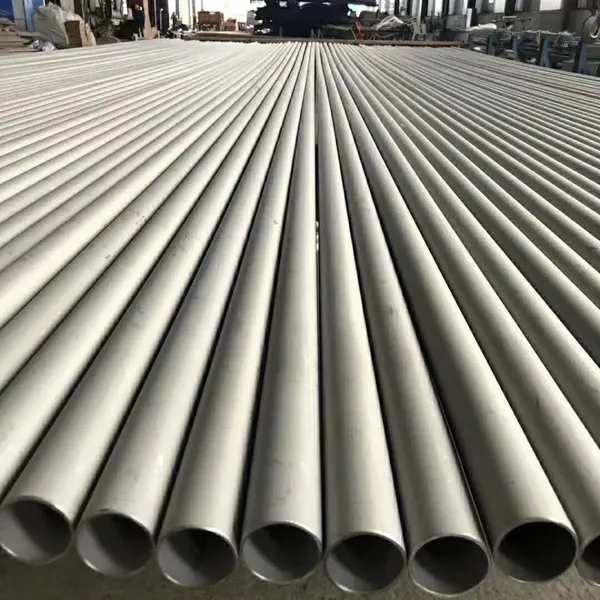 Read More
 -
Three types of commonly available food-grade stainless steel on the market
January 20, 2026The common food-grade stainless steel pipes are mainly composed of iron, chromium and carbon and other elements. Household stainle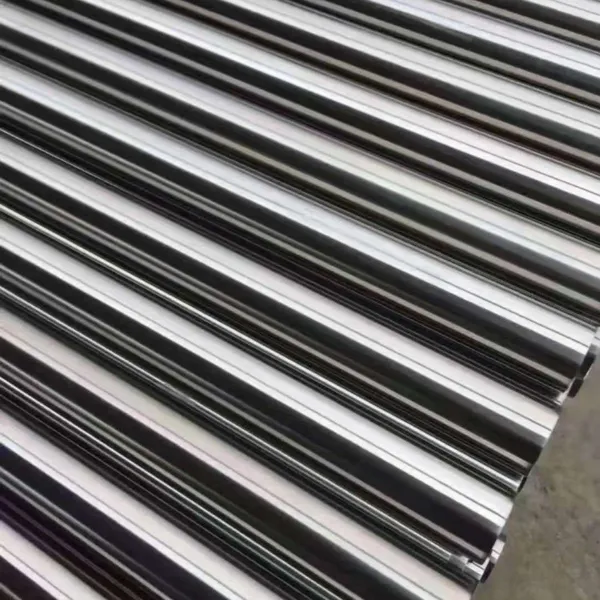 Read More
 -
What are the requirements for stainless steel welding pipe production equipment
January 20, 2026As is well known, stainless steel welded pipes have been widely used in various industries such as machinery, chemical engineering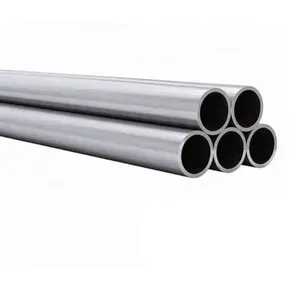 Read More

Contact Us
Recommended Products
-
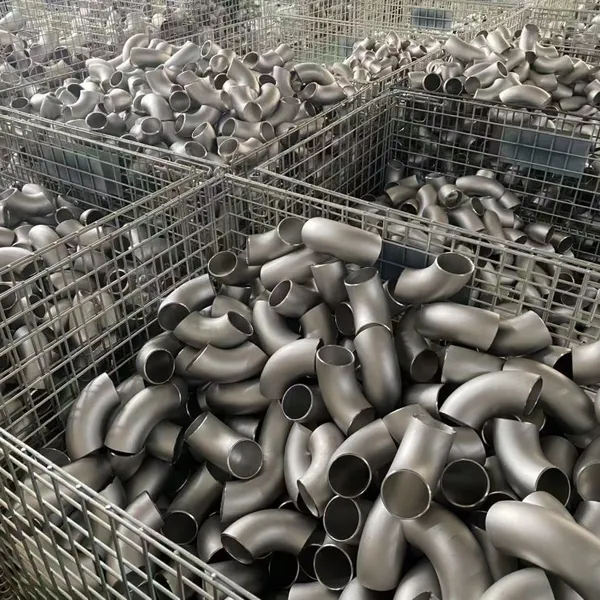
 Stainless Steel Elbow Welded Elbow 45/90/180-degree Seamless Pressed Elbow Long Radius Elbow Short Radius Elbow WholesaleNegotiableMOQ: 1 Piece
 -
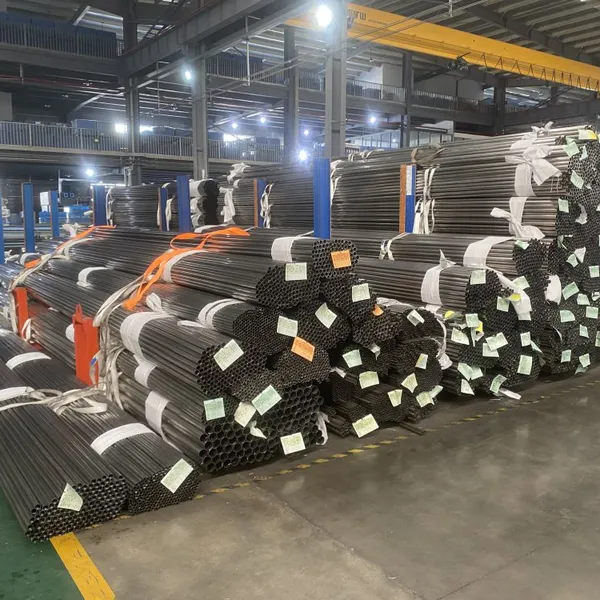
316L/1.4405 Seamless Stainless Steel PipeNegotiableMOQ: 2 Meters
-
310s 440 Seamless Sanitary Piping Price 321 904l 201 20 Inch Seamless Steel Pipe A554 Stainless Steel PipeNegotiableMOQ: 1 Piece
-
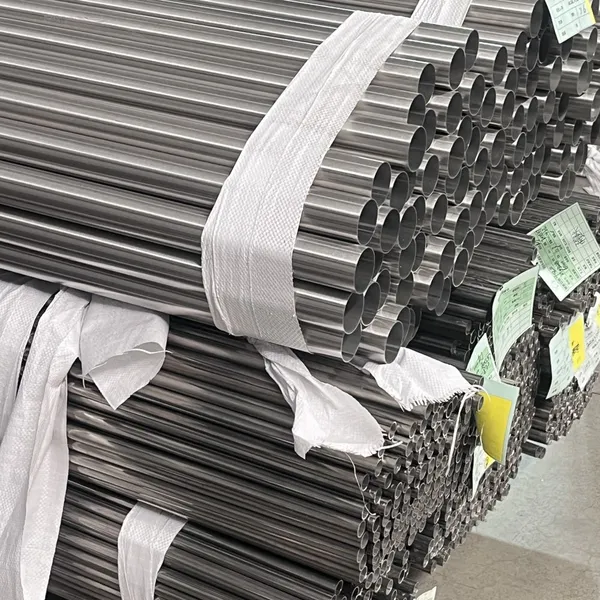
China Brand ZZ Wholesale 304L 316 316L Welded Austenitic Piping Stainless Steel Pipe SupplierNegotiableMOQ: 2 Meters
-
304/304L/316/409/410/904L/2205/2507/310H Premium Stainless Steel Sheets Supplier Custom Sizes & FinishesUS$ 1.72MOQ: 1 Ton
-
Stainless Steel ASME B16.9 Sch 45 90 Degree Pipe Fittings ElbowUS$ 8MOQ: 1 Piece
-
China Brand Zz 304L 316/316L GB En JIS Standard Thin Wall Welded Stainless Steel Water Pipe/TubeNegotiableMOQ: 2 Meters
-
BA 4 Inch 6 Inch 8 Inch 201 304 304L 316 316L Welded Seamless Stainless Steel PipeNegotiableMOQ: 2 Meters
-
ASME B36.19M-2004 SCH40S Stainless Steel Pipe - Complies With EU 3.1 CertificationUS$ 1 - 650MOQ: 1 Piece
-
Factory TP309/TP309S/TP309H (UNS30900) Seamless Stainless Steel Pipe and Tube for Boiler BafflesUS$ 8MOQ: 200 Kilograms
-
TP347/TP347H/1.4961/S34709 Seamless Stainless Steel Pipe for UseNegotiableMOQ: 2 Meters
-
China 304 316 Stainless Steel Sanitary Welded Tube Food Grade Sanitary Grade Welded Pipe PolishingNegotiableMOQ: 1 Piece
-
China Manufacture Stainless Steel 316L Ba Seamless Welded Steel Pipe TubesUS$ 1760 - 1860MOQ: 5 Tons
-
316L/1.4405 Seamless Stainless Steel PipeNegotiableMOQ: 2 Meters
-
Stainless Steel Globe Valve – High Durability & Corrosion ResistanceNegotiableMOQ: 1 Piece
-
1.4529 Stainless Steel Flat Plate for Chemical Processing EquipmentUS$ 25 - 35MOQ: 1 Kilogram
-
Color Coated Steel Panels for Warehouse Partition Walls (Fireproof Grade)US$ 1 - 1.2MOQ: 50 Kilograms
-
Custom Width (600mm-1250mm) Colored Steel Coil With Scratch ResistanceUS$ 1 - 1.2MOQ: 50 Kilograms
-
0.5mm-3.0mm Colored Coated Steel Sheet With PVDF/Polyester CoatingUS$ 1 - 1.2MOQ: 50 Kilograms
-
JIS G 3322 Compliant Colored Coils With Third-Party Inspection ReportUS$ 1 - 1.2MOQ: 50 Kilograms