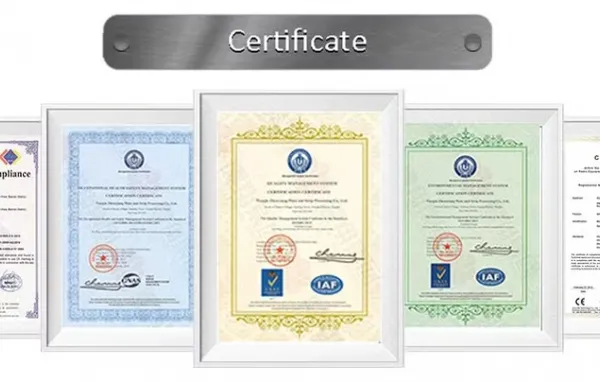

 Business License

How to select the appropriate stainless steel material for natural gas pipelines
When selecting the stainless steel pipe material suitable for natural gas pipelines, it is necessary to focus on three core dimensions: the characteristics of the medium (corrosiveness), the operating conditions (pressure / temperature), and the environmental conditions (installation scenarios). Based on a comprehensive assessment of the material's corrosion resistance, mechanical properties, and economic efficiency, the core logic is "matching performance with the working conditions and cost adaptation to the requirements". The following are the specific steps and methods:
I. Step 1: Analyze the "corrosion factors" of the natural gas medium (the core basis)
The corrosiveness of natural gas is the fundamental factor determining the corrosion resistance requirements of the material. The following key corrosion factors need to be analyzed first to clearly define the corrosion resistance grade requirements for stainless steel:
1. Hydrogen sulfide (H₂S) concentration
Low sulfur (H₂S ≤ 50ppm): For urban domestic natural gas (after desulfurization treatment), the corrosion risk is low, and the basic corrosion-resistant material can be selected.
Recommendation: 304/304L (without Mo, relying on Cr passivation film, suitable for dry environment).
Medium sulfur (50ppm Recommendation: 316L (contains 2-3% Mo, inhibits sulfide corrosion, is the "benchmark material" for medium sulfur environment). High sulfur (H₂S > 1000ppm): For acid gas fields (H₂S ≥ 2000ppm), the corrosion risk is extremely high, and it requires extremely strong anti-sulfur ability. Recommendation: 2205 duplex steel (contains 3% Mo + 22% Cr, has better SCC resistance than austenitic steel) or 2507 super duplex steel (higher Mo content, PREN ≥ 40). 2. Humidity / Free water content The "water" in natural gas is the "catalyst" for corrosion (H₂S, CO₂ need to dissolve in water to have strong corrosiveness): Dry (dew point ≤ -15℃, no free water): Corrosion risk is low, 304 can meet the requirements; Wet (dew point > -10℃, containing free water): Even with low sulfur, it needs a pitting corrosion-resistant material, and 316L should be selected (to avoid 304 pitting). 3. Carbon dioxide (CO₂) and chloride ions (Cl⁻) CO₂ dissolves in water to form carbonic acid, which intensifies corrosion. It needs to be combined with the H₂S concentration for comprehensive judgment (when CO₂ > 5%, the corrosion grade needs to be upgraded); Cl⁻ (such as in coastal areas, salt-alkali soil) will destroy the passivation film and cause pitting corrosion: Cl⁻ ≤ 50ppm: 304 can be used in dry environments; 50ppm Cl⁻ > 500ppm: 2205 duplex steel or 904L (super austenitic steel, high Cr + Mo) is recommended. II. Step 2: Matching operating condition parameters (pressure / temperature) The mechanical properties (strength, toughness) of stainless steel need to be compatible with the design pressure and temperature of the pipeline to avoid burst or brittle fracture due to insufficient strength: 1. Design pressure Low pressure (≤ 6 MPa): such as urban gas distribution networks, branch pipes in residential areas, with low requirements for strength, the conventional strength of 304/316L (yield strength ≥ 205 MPa) can meet the requirements, no additional thickening is needed. Medium high pressure (6 MPa If the medium corrosion risk is low (low sulfur dry gas): 304L (wall thickness needs to be increased to compensate for strength, such as DN200 pipeline wall thickness ≥ 10 mm) can be selected; If the corrosion risk is high (medium sulfur / humid): 316L (considering both corrosion resistance and medium strength) is preferred; High pressure (> 16 MPa): such as deep-sea gas field risers, ultra-high pressure long-distance pipelines, need high-strength materials: Recommended duplex steel (2205 with yield strength ≥ 450 MPa, which is twice that of 316L), can reduce wall thickness (20-30% thinner than 316L under the same pressure), reducing costs and installation load. 2. Temperature conditions Normal temperature (-20℃ ~ 80℃): 304/316L / duplex steel can be applicable; Low temperature (≤ -20℃, such as LNG transportation - 162℃): need to avoid low-temperature embrittlement, prefer austenitic stainless steel (304L/316L, without low-temperature brittle transformation), prohibit ferritic steel or low-nickel duplex steel; High temperature (> 80℃, such as heated natural gas pipelines): need to resist high-temperature oxidation, 316L (containing Mo) is more stable (304 fails to form Cr₂O₃ film at > 600℃) than 304. III. Step 3: Adaptation of Installation Environment (Underground / Suspended / Indoor) The external environment of the installation site (soil, atmosphere, space limitations) can exacerbate corrosion or affect the mechanical requirements, and specific adjustments are needed: 1. Underground Pipelines They need to resist both internal medium corrosion and external soil corrosion (soil resistivity <50Ω·m is a high-corrosion area): Low-corrosion soil (dry, low Cl⁻) + Low-sulfur medium: 304L (combined with 3PE anti-corrosion coating); High-corrosion soil (wet, high Cl⁻) + Medium-sulfur medium: 316L (anti-corrosion coating + cathodic protection, potential control is required to avoid hydrogen embrittlement); Extremely corrosive soil (coastal saline land) + High-sulfur medium: 2205 duplex steel (high strength, reduces wall thickness, reduces coating damage risk). 2. Suspended Pipelines They mainly face atmospheric corrosion (rain, condensation) and ultraviolet aging: Dry inland areas + Low-sulfur: 304 (low cost, regular cleaning is sufficient); Rainy / Coastal areas + Medium-sulfur: 316L (resistant to Cl⁻ corrosion from rain, no complex anti-corrosion required). 3. Indoor / Station Pipelines With limited space, convenience of welding and aesthetics need to be considered. Austenitic stainless steel (304L/316L, good welding properties, non-magnetic) is preferred, avoiding duplex steel (welding requires strict temperature control, high cost). Step 4: Balance economic efficiency and lifespan (avoid "over-design" or "insufficient design") The cost differences of stainless steel materials are significant (304 ≈ 1, 316L ≈ 1.5, 2205 ≈ 2.5, 904L ≈ 5). The "full life cycle cost" needs to be calculated based on the pipeline lifespan (usually 20-30 years): Short-term / low-risk scenarios (such as temporary peak shaving pipelines, low-pressure dry natural gas): Choose 304 (low cost, lifespan 10-15 years, suitable for short-term use); Medium-term / medium-risk scenarios (such as urban medium-pressure pipelines, medium-sulfur dry natural gas): 316L (initial cost is 30% higher, but the lifespan is extended to 25-30 years, and the total maintenance cost is lower); Long-term / high-risk scenarios (such as high-sulfur gas fields, deep-sea pipelines): Duplex steel (2205) or super austenitic steel (904L), although the cost is high, it can avoid production stoppage losses caused by corrosion leakage (a single leakage loss may be much higher than the pipe material cost). V. Fifth Step: Verify Welding and Compliance (Ensure Project Feasibility) Welding performance: Ferritic steel (such as 430) tends to become brittle after welding and is only suitable for low-pressure simple pipelines; Austenitic steel (304L/316L) has good weldability and is suitable for long-distance pipelines; Duplex steel requires strict control of welding heat input (to avoid σ phase precipitation) and requires professional welders and processes. Standard compliance: Must comply with corresponding national standards (such as GB/T 14976, GB/T 30065), and high-pressure pipelines need to pass hydrostatic tests (1.5 times the design pressure) and non-destructive testing (UT/RT). Summary: Select Process Flow Diagram Test medium: H₂S concentration → humidity → Cl⁻ content → determine corrosion resistance grade (basic / medium / high); Check operating conditions: design pressure → temperature → match strength / toughness requirements; Check environment: buried / overhead → soil / atmospheric corrosion property → adjust anti-corrosion and material selection; Calculate cost: life cycle → maintenance cost → balance performance and economy; Verify compliance: welding process → standard certification → ensure project safety. The ultimate goal is: material performance "just meets" the requirements of the operating conditions - neither resulting in early failure due to insufficient performance, nor increasing unnecessary costs due to excessive pursuit of high-end materials.
Recently Posted
-
Does the stainless steel welded pipe have specific temperature requirements during the solution heat
January 20, 2026Solution heat treatment involves heating stainless steel to a high temperature and then rapidly cooling it to achieve an oversatur Read More
 -
Can stainless steel welded pipes be made into thick pipes
January 20, 2026With the improvement of high-quality welding technology and increasingly strict weld inspection, the application fields of s Read More
 -
Three types of commonly available food-grade stainless steel on the market
January 20, 2026The common food-grade stainless steel pipes are mainly composed of iron, chromium and carbon and other elements. Household stainle Read More
 -
What are the requirements for stainless steel welding pipe production equipment
January 20, 2026As is well known, stainless steel welded pipes have been widely used in various industries such as machinery, chemical engineering Read More

Contact Us
Recommended Products
-
 Stainless Steel Elbow Welded Elbow 45/90/180-degree Seamless Pressed Elbow Long Radius Elbow Short Radius Elbow WholesaleNegotiableMOQ: 1 Piece
 -
316L/1.4405 Seamless Stainless Steel PipeNegotiableMOQ: 2 Meters
-
310s 440 Seamless Sanitary Piping Price 321 904l 201 20 Inch Seamless Steel Pipe A554 Stainless Steel PipeNegotiableMOQ: 1 Piece
-
China Brand ZZ Wholesale 304L 316 316L Welded Austenitic Piping Stainless Steel Pipe SupplierNegotiableMOQ: 2 Meters
-
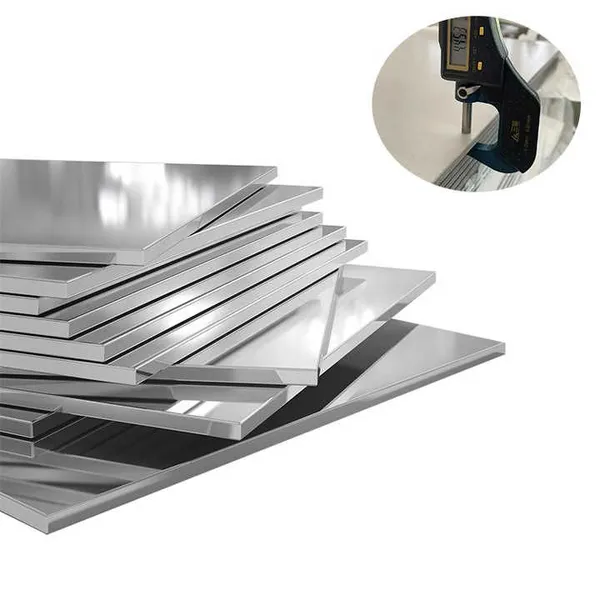
304/304L/316/409/410/904L/2205/2507/310H Premium Stainless Steel Sheets Supplier Custom Sizes & FinishesUS$ 1.72MOQ: 1 Ton
-
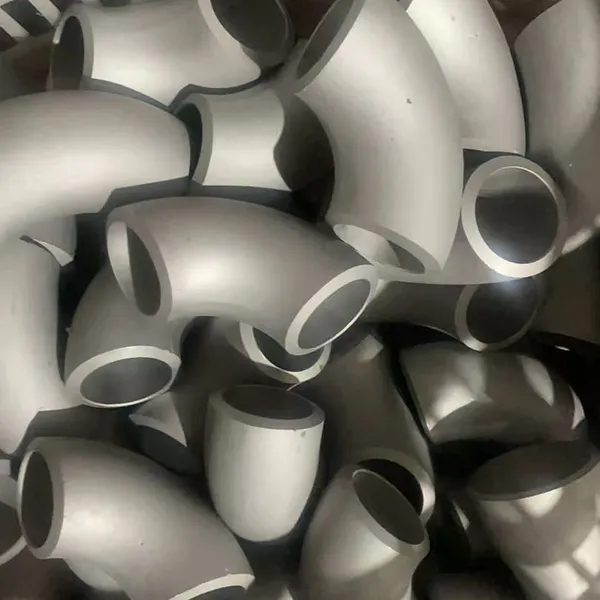
Stainless Steel ASME B16.9 Sch 45 90 Degree Pipe Fittings ElbowUS$ 8MOQ: 1 Piece
-
China Brand Zz 304L 316/316L GB En JIS Standard Thin Wall Welded Stainless Steel Water Pipe/TubeNegotiableMOQ: 2 Meters
-
BA 4 Inch 6 Inch 8 Inch 201 304 304L 316 316L Welded Seamless Stainless Steel PipeNegotiableMOQ: 2 Meters
-
ASME B36.19M-2004 SCH40S Stainless Steel Pipe - Complies With EU 3.1 CertificationUS$ 1 - 650MOQ: 1 Piece
-
Factory TP309/TP309S/TP309H (UNS30900) Seamless Stainless Steel Pipe and Tube for Boiler BafflesUS$ 8MOQ: 200 Kilograms
-
TP347/TP347H/1.4961/S34709 Seamless Stainless Steel Pipe for UseNegotiableMOQ: 2 Meters
-
China 304 316 Stainless Steel Sanitary Welded Tube Food Grade Sanitary Grade Welded Pipe PolishingNegotiableMOQ: 1 Piece
-
China Manufacture Stainless Steel 316L Ba Seamless Welded Steel Pipe TubesUS$ 1760 - 1860MOQ: 5 Tons
-
316L/1.4405 Seamless Stainless Steel PipeNegotiableMOQ: 2 Meters
-
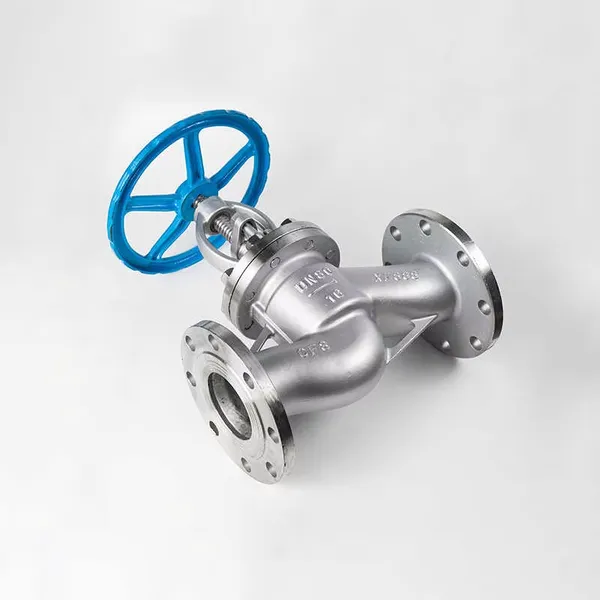
Stainless Steel Globe Valve – High Durability & Corrosion ResistanceNegotiableMOQ: 1 Piece
-
World's Most Affordable Color-Coated Steel Sheets - 0.3mm to 3mm Thickness - Mill Test Report IncludedUS$ 1102MOQ: 10 Kilograms
-
Color-Coated Steel Sheets With 15-Year Fade Warranty - JIS G 3322 Standard CompliantUS$ 1102MOQ: 10 Kilograms
-
Prefab Building Material - 0.4mm Color-Coated Corrugated Sheets - 100,000㎡ Monthly OutputUS$ 1102MOQ: 10 Kilograms
-
Industrial-Grade Color-Coated Sheets - 150-250g/m² Zinc Coating - Weather & UV ResistantUS$ 1102MOQ: 10 Kilograms
-
Factory-Direct Color-Coated Steel Plates - PVDF/Polyester Coating - 1220mm Standard WidthUS$ 1102MOQ: 10 Kilograms