
 Business License

The influence of stainless steel pipe material on the performance of natural gas pipelines
The material of stainless steel pipes (mainly determined by alloy composition and structure) is a core factor influencing the performance of natural gas pipelines. It has a direct and significant impact on the corrosion resistance, mechanical stability, welding reliability, and environmental adaptability of the pipelines. Starting from the key material characteristics, the following systematically analyzes the specific effects of these characteristics on the performance of the pipelines:
I. The Influence of Alloy Elements on Corrosion Resistance (Core Performance)
The corrosion resistance of natural gas pipelines directly determines their lifespan and safety (natural gas often contains corrosive media such as H₂S, CO₂, and moisture). The corrosion resistance of stainless steel is mainly determined by alloy elements such as Cr, Ni, Mo, Ti, and Nb:
1. Chromium (Cr): The foundation of corrosion resistance
Cr is the core of stainless steel's "non-corrosion": When the Cr content is ≥10.5%, a dense Cr₂O₃ passivation film forms on the surface, blocking the contact between the medium and the substrate, significantly enhancing the ability to resist uniform corrosion.
Impact: Stainless steel with insufficient Cr content (such as 409) in humid or sulfur-containing environments is prone to the destruction of the passivation film, resulting in corrosion perforation on the inner wall of the pipeline and triggering leakage risks.
2. Nickel (Ni): Stability and toughness guarantee
The main role of Ni is to stabilize the austenitic structure (such as 304 with 8-10.5% Ni), enhancing the plasticity, toughness, and intergranular corrosion resistance of stainless steel.
Impact: Ferritic stainless steel with low Ni content (such as 430, with Ni content ≈0) is prone to brittle fracture at low temperatures and has weak resistance to pitting corrosion, suitable only for dry, low-pressure ordinary natural gas environments; while high-Ni 316 (10-14% Ni) is more stable in sulfur-containing, high-humidity environments.
3. Molybdenum (Mo): "Strengthening agent" for local corrosion resistance
Mo significantly enhances the pitting and crevice corrosion resistance of stainless steel, especially for media containing Cl⁻ and H₂S (such as shale gas, acidic natural gas), which is crucial.
Impact: 304 without Mo is prone to pitting corrosion in sulfur-containing natural gas (H₂S concentration > 50ppm), while 316 (with 2-3% Mo) can tolerate higher concentrations of sulfides; in extreme corrosive environments (such as H₂S > 1000ppm), high-Mo 317L (3-4% Mo) or duplex steel (such as 2205, with 3% Mo) should be used.
4. Carbon (C) and stabilizing elements (Ti, Nb): Inhibiting intergranular corrosion
Carbon combines with Cr to form Cr₂₃C₆, causing Cr depletion at the grain boundaries, leading to intergranular corrosion (especially in the heat-affected zone of welding). Therefore, low-carbon grades (304L, 316L, C≤0.03%) or stabilized steels containing Ti/Nb (such as 321, with Ti) can reduce such risks.
Impact: If the ordinary 304 (C≤0.08%) is not subjected to solution treatment after welding, intergranular corrosion may occur in a humid environment, while 304L can avoid it, making it more suitable for welded pipelines.
II. The Influence of Organizational Structure on Mechanical Properties
The organizational structure of stainless steel (such as austenite, ferrite, duplex type, etc.) is determined by the alloy composition and directly affects the key mechanical properties of the pipeline, such as strength, toughness, and pressure resistance:
1. Austenitic stainless steel (304, 316 series)
Suitable for high pressure (design pressure ≥ 10 MPa) and low temperature (such as LNG transportation, -162℃) environments, capable of withstanding significant plastic deformation without cracking;
Medium strength (tensile strength 515-690 MPa), requires increasing the wall thickness to meet ultra-high pressure requirements (such as 20 MPa or above).
Performance characteristics: At room temperature, it is single-phase austenite, with excellent plasticity (elongation ≥ 30%), toughness, outstanding low-temperature toughness (-196℃ impact energy ≥ 34 J), and no magnetism.
Impact on pipeline performance:
2. Ferritic stainless steel (430, 409 series)
Only suitable for low pressure (≤ 1.6 MPa), normal temperature, and dry natural gas environment (such as low-pressure branch pipes in urban areas);
Low cost, but poor impact resistance, not suitable for scenarios that may be subject to external impacts or low temperatures.
Performance characteristics: Contains Cr 11-30%, almost no Ni, at room temperature, it is ferritic structure, slightly higher strength than austenite (tensile strength 410-550 MPa), but lower plasticity (elongation ≤ 20%), poor low-temperature toughness (-20℃ below prone to brittle fracture).
Impact on pipeline performance:
3. Duplex stainless steel (2205, 2507)
Suitable for high pressure (≥ 15 MPa) + high corrosion (containing H₂S, Cl⁻) environments (such as deep-sea natural gas pipelines), can reduce wall thickness (20-30% thinner than 316L at the same pressure), and reduce costs;
However, its low-temperature toughness is slightly inferior to pure austenitic steel, not suitable for ultra-low temperature environments below -50℃.
Performance characteristics: Austenite + ferrite duplex structure (about 50% each), high strength (tensile strength ≥ 690 MPa, yield strength ≥ 450 MPa), corrosion resistance close to 316L, and excellent resistance to stress corrosion cracking (SCC).
III. Influence of Material on Welding Performance
Natural gas pipelines are mostly welded connections (such as argon arc welding, submerged arc welding, etc.). The welding properties of the material directly affect the quality of the weld (strength, corrosion resistance):
1. Austenitic stainless steel (304, 316)
Moderate welding properties: During welding, the heat affected zone (HAZ) is prone to intergranular corrosion (the "sensitization" phenomenon) due to the combination of carbon and Cr to form Cr₂₃C₆.
Improvement: Using low-carbon grades (304L, 316L, with C ≤ 0.03%) can reduce sensitization; during welding, use high-purity argon gas (purity ≥ 99.99%) for protection to avoid oxidation.
Impact: If the welding process is improper (such as excessive residence time at high temperature), the weld may become a weak point for corrosion, leading to medium leakage.
2. Ferritic stainless steel (430)
Poor welding properties: At high temperatures, it is prone to coarse grain formation, resulting in increased brittleness of the weld and HAZ (elongation drops by more than 50%), and prone to cracks.
Limitation: It is only suitable for simple welding of thin-walled, low-pressure pipelines, and strict control of welding heat input (such as small current rapid welding) is required.
3. Duplex stainless steel (2205)
Good welding properties: However, the cooling rate needs to be controlled (to avoid excessive ferrite or σ phase precipitation), and usually requires post-weld heating (1050-1100℃ solution treatment) to restore the duplex ratio and ensure strength and corrosion resistance.
IV. Impact of Material on Environmental Adaptability
The operating conditions of natural gas pipelines (pressure, temperature, composition of the medium) vary greatly, and the material must be tailored to the specific conditions:
1. High-pressure gas transmission (design pressure ≥ 10 MPa)
Requirement: High strength + High toughness, to avoid burst or plastic instability.
Suitable materials: Duplex steel (2205, yield strength ≥ 450 MPa) or 316L (by increasing wall thickness to compensate for strength), it is not recommended to use ferritic stainless steel (insufficient strength).
2. Sulfur-containing natural gas (H₂S > 50 ppm)
Risk: H₂S can cause stress corrosion cracking (SCC) and hydrogen embrittlement.
Suitable materials: 316L (high Mo resistance to pitting corrosion), duplex steel (2205, has better SCC resistance than austenitic steel), 304 or ferritic steel is prohibited (brittle below -50°C).
3. Low-temperature LNG transportation (-162°C)
Requirement: Extremely low-temperature brittleness (impact energy ≥ 34 J @ -196°C), to avoid low-temperature fracture.
Suitable materials: 304L, 316L (austenitic structure has no low-temperature brittleness transition), ferritic steel is prohibited (brittle below -50°C).
4. Underground / Moist environment
Risk: Soil corrosion, crevice corrosion (at the contact area with the support).
Suitable materials: 316L (with Mo for pitting corrosion resistance) + anti-corrosion coating (such as 3PE), duplex steel is better (high strength, reduces wall thickness, and lowers the risk of coating damage).
Summary
The material of stainless steel pipes fundamentally determines the core performance of natural gas pipelines through its alloy composition (Cr, Ni, Mo, C) and microstructure (austenite / ferrite / duplex):
Corrosion resistance: High Cr + Mo content is the key to resisting sulfur and pitting corrosion;
Mechanical properties: Duplex steel has the best strength, and austenitic steel has the best toughness;
Welding reliability: Low-carbon austenitic steel and duplex steel are more likely to ensure weld quality;
Environmental adaptability: Selection should be based on pressure, temperature, and medium composition. For example, 316L for sulfur-containing media, 2205 for high-pressure applications, and 304L for low-temperature conditions.
Therefore, material selection must be tailored to specific working conditions, balancing performance, cost, and safety - this is the core logic of "material determines lifespan" in natural gas pipeline design.
Recently Posted
-
Does the stainless steel welded pipe have specific temperature requirements during the solution heat
January 20, 2026Solution heat treatment involves heating stainless steel to a high temperature and then rapidly cooling it to achieve an oversatur Read More
 -
Can stainless steel welded pipes be made into thick pipes
January 20, 2026With the improvement of high-quality welding technology and increasingly strict weld inspection, the application fields of s Read More
 -
Three types of commonly available food-grade stainless steel on the market
January 20, 2026The common food-grade stainless steel pipes are mainly composed of iron, chromium and carbon and other elements. Household stainle Read More
 -
What are the requirements for stainless steel welding pipe production equipment
January 20, 2026As is well known, stainless steel welded pipes have been widely used in various industries such as machinery, chemical engineering Read More

Contact Us
Recommended Products
-
 Stainless Steel Elbow Welded Elbow 45/90/180-degree Seamless Pressed Elbow Long Radius Elbow Short Radius Elbow WholesaleNegotiableMOQ: 1 Piece
 -
316L/1.4405 Seamless Stainless Steel PipeNegotiableMOQ: 2 Meters
-
310s 440 Seamless Sanitary Piping Price 321 904l 201 20 Inch Seamless Steel Pipe A554 Stainless Steel PipeNegotiableMOQ: 1 Piece
-
China Brand ZZ Wholesale 304L 316 316L Welded Austenitic Piping Stainless Steel Pipe SupplierNegotiableMOQ: 2 Meters
-
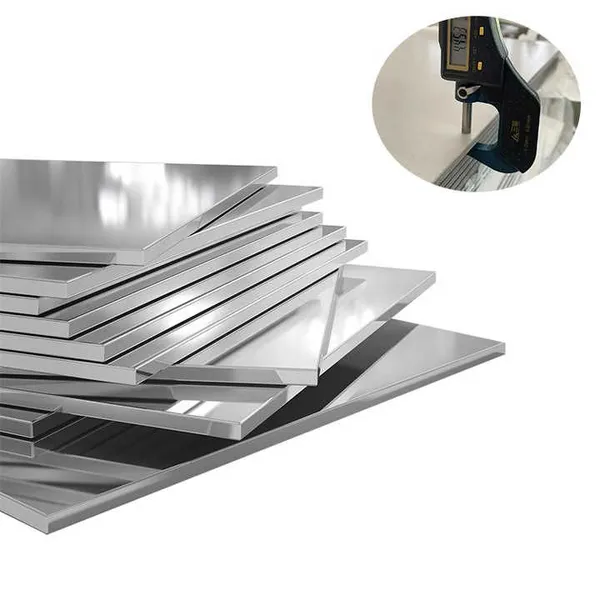
304/304L/316/409/410/904L/2205/2507/310H Premium Stainless Steel Sheets Supplier Custom Sizes & FinishesUS$ 1.72MOQ: 1 Ton
-
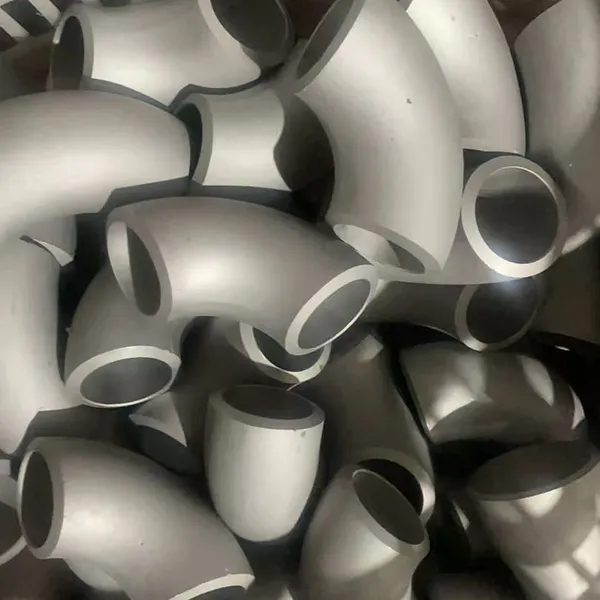
Stainless Steel ASME B16.9 Sch 45 90 Degree Pipe Fittings ElbowUS$ 8MOQ: 1 Piece
-
China Brand Zz 304L 316/316L GB En JIS Standard Thin Wall Welded Stainless Steel Water Pipe/TubeNegotiableMOQ: 2 Meters
-
BA 4 Inch 6 Inch 8 Inch 201 304 304L 316 316L Welded Seamless Stainless Steel PipeNegotiableMOQ: 2 Meters
-
ASME B36.19M-2004 SCH40S Stainless Steel Pipe - Complies With EU 3.1 CertificationUS$ 1 - 650MOQ: 1 Piece
-
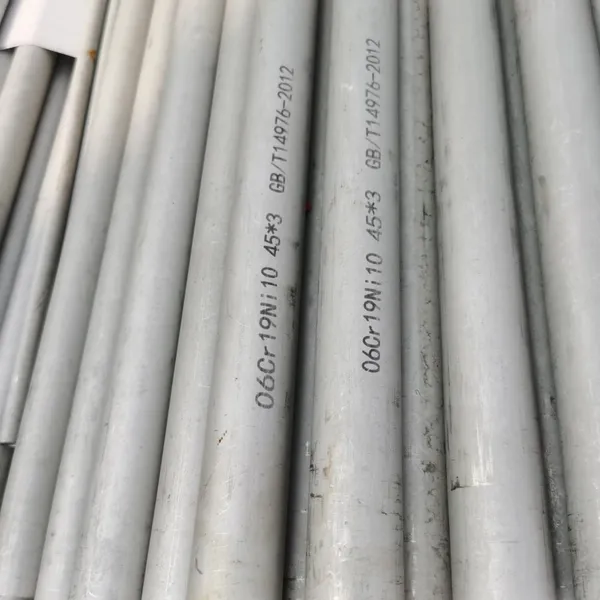
Factory TP309/TP309S/TP309H (UNS30900) Seamless Stainless Steel Pipe and Tube for Boiler BafflesUS$ 8MOQ: 200 Kilograms
-
TP347/TP347H/1.4961/S34709 Seamless Stainless Steel Pipe for UseNegotiableMOQ: 2 Meters
-
China 304 316 Stainless Steel Sanitary Welded Tube Food Grade Sanitary Grade Welded Pipe PolishingNegotiableMOQ: 1 Piece
-
China Manufacture Stainless Steel 316L Ba Seamless Welded Steel Pipe TubesUS$ 1760 - 1860MOQ: 5 Tons
-
316L/1.4405 Seamless Stainless Steel PipeNegotiableMOQ: 2 Meters
-
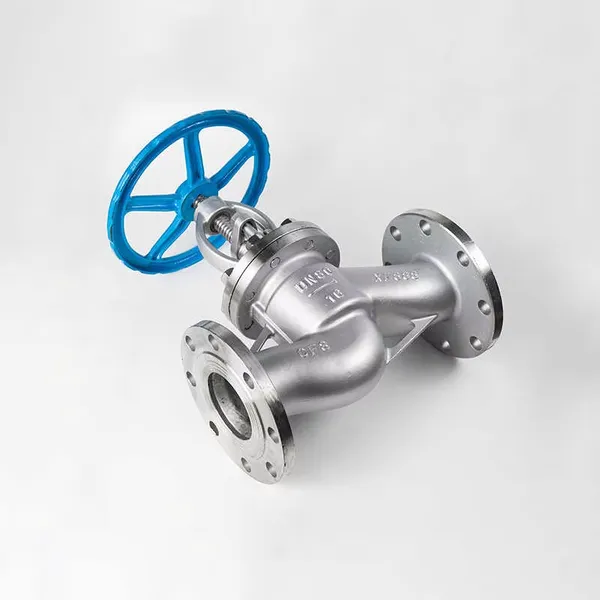
Stainless Steel Globe Valve – High Durability & Corrosion ResistanceNegotiableMOQ: 1 Piece
-
1.4529 Stainless Steel Flat Plate for Chemical Processing EquipmentUS$ 25 - 35MOQ: 1 Kilogram
-
Color Coated Steel Panels for Warehouse Partition Walls (Fireproof Grade)US$ 1 - 1.2MOQ: 50 Kilograms
-
Custom Width (600mm-1250mm) Colored Steel Coil With Scratch ResistanceUS$ 1 - 1.2MOQ: 50 Kilograms
-
0.5mm-3.0mm Colored Coated Steel Sheet With PVDF/Polyester CoatingUS$ 1 - 1.2MOQ: 50 Kilograms
-
JIS G 3322 Compliant Colored Coils With Third-Party Inspection ReportUS$ 1 - 1.2MOQ: 50 Kilograms