
 Business License

What are the differences in requirements for stainless steel pipes regarding different types of medi
Different types of medical gases vary significantly in terms of their chemical properties (such as oxidizing, corrosive, inert), working pressure, purity requirements, and potential risks (such as combustion, pollution). The requirements for stainless steel tubes differ accordingly. Below, we list the special requirements for stainless steel tubes based on common types of medical gases:
I. Oxygen (O₂)
Properties: Strong oxidizing property, combustible. Contact with grease and impurities may cause combustion or explosion; requires high purity (≥99.5%), and must avoid contamination.
Special requirements for stainless steel pipes:
1. Material: Must use 316L stainless steel (containing molybdenum, with better oxidation resistance than 304), and it is prohibited to use ordinary carbon steel or low-grade stainless steel (easily oxidized and corroded).
2. Oil prohibition and cleanliness: The requirements are the strictest - the pipeline needs to undergo deep degreasing treatment (residual grease ≤ 0.1mg/m²), and the inner wall must not have any oil stains, iron filings, etc. (can be detected by ultraviolet light or fluorescence method); installation tools must also be dedicated oil-free tools to avoid secondary pollution.
3. Oxygen compatibility: Needs to pass ASTM G88 and other "oxygen combustion tests" to ensure that the material (including weld seams) will not cause combustion in high-pressure oxygen (such as avoiding the use of welding materials with excessive carbon content).
4. Pressure resistance and leakage: The working pressure is usually 1.0 - 1.6 MPa, and the test pressure is 1.5 times the design pressure (gas pressure test, water pressure is prohibited, to avoid residual water); the leakage rate requirement is ≤ 0.2% per hour (much stricter than other gases).
5. Connection method: Must adopt fully automatic TIG welding (avoiding residual impurities from manual welding), the weld seam must undergo 100% X-ray inspection, and after welding, it must be acid-washed and passivation (to prevent oxidation and rusting of the weld seam).
II. Nitrous Oxide (N₂O, laughing gas)
Properties: Weak oxidizing property, slight corrosiveness. It may decompose into toxic gases at high temperatures; contact with copper and copper alloys will accelerate decomposition, and copper contamination must be avoided.
Special requirements for stainless steel pipes:
1. Material: Prefer 316L stainless steel (resistant to slight corrosion), no use of copper components (including copper alloys in welding materials, use pure austenitic stainless steel welding wire, such as ER316L).
2. Resistance to decomposition: The inner wall of the pipe needs to be smooth (Ra ≤ 0.8 μm), reducing local high temperature caused by gas turbulence (to avoid N₂O decomposition); no sharp corners or burrs (turbulence is prone to triggering decomposition).
3. Sealing: Working pressure 0.5 - 0.8 MPa, leakage rate ≤ 0.5% per hour (as N₂O leakage may cause environmental pollution, and the gas has an anesthetic property).
4. Cleanliness: Decontamination treatment is required (although there is no risk of ignition with oxygen, avoid impurities contaminating the gas, which may affect the anesthetic effect).
III. Carbon Dioxide (CO₂)
Characteristics: Acidic gas (forms carbonic acid when dissolved in water), long-term transportation is prone to causing corrosion to pipelines; commonly used in laparoscopic surgeries, water and impurities need to be avoided (to prevent instrument blockage).
Special requirements for stainless steel pipes:
1. Material: Must be 316L stainless steel (has much better acid resistance than 304, and 304 is prone to pitting when in contact for a long time).
2. Corrosion resistance: The inner wall needs to be electrolytically polished (to enhance corrosion resistance), and after welding, strict passivation treatment is required (to form a dense oxide film, blocking carbonic acid erosion); ordinary welding pipes are prohibited (weld seams are prone to become corrosion weak points).
3. Drying requirements: The pipeline must have no water residue (CO₂ reacts with water to intensify corrosion), and before installation, it needs to be purged with dry nitrogen to ensure the dew point is ≤ -40℃.
Sealing: Working pressure 0.6 - 1.0 MPa, leakage rate ≤ 0.5% per hour (CO₂ leakage will cause local concentration to be too high, affecting human breathing).
IV. Medical Nitrogen (N₂)
Characteristics: An inert gas, non-oxidizing / corrosive. However, it is often used as a driving gas (such as in ventilators) or carrier gas. Impurities must be avoided (to prevent blockage of precision equipment).
Special requirements for stainless steel tubes:
1. Material: 304L or 316L stainless steel can be selected (due to its inert nature, 304L is sufficient, but 316L is recommended for high-purity scenarios).
2. Cleanliness: The inner wall must be smooth (Ra ≤ 1.6 μm), without particle impurities (to prevent particles from entering equipment such as ventilators along with the airflow); no strict degreasing is required (inert gas has no risk of combustion or explosion).
3. Pressure resistance: When used as a driving gas, the pressure is relatively high (1.0 - 1.3 MPa), and it must meet the corresponding pressure resistance strength. The test pressure is 1.5 times the design pressure.
V. Medical Air (Compressed Air)
Characteristics: Contains 21% oxygen, a small amount of water and impurities. Long-term transportation is prone to microbial growth or oxidation corrosion; for use in respiratory support, it must be sterile and oil-free.
Special requirements for stainless steel pipes:
1. Material: 316L stainless steel (contains molybdenum, resistant to oxidation corrosion in humid environments; 304 is prone to rust due to moisture).
2. Inner wall smoothness: Ra ≤ 0.8μm (reduces microbial attachment and lowers contamination risk), requires regular disinfection (the pipeline needs to withstand high temperatures or chemical disinfection).
3. Drainage design: The pipeline needs to have a slope, with a drain valve at the low point (to avoid corrosion or microbial growth due to water accumulation), and the stainless steel pipe needs to withstand repeated dry-wet cycles.
VI. Vacuum System (Negative Pressure Suction)
Characteristics: Used for attracting body fluids and exhaust gases. The working state is negative pressure (typically -0.04 to -0.08 MPa), and it is necessary to avoid pipe deformation or leakage.
Special requirements for stainless steel pipes:
1. Material: 304L stainless steel can be selected (lower corrosion under negative pressure, no need for high corrosion resistance of 316L), but the wall thickness needs to be increased (to ensure resistance to negative pressure deformation, such as φ25mm pipe with a wall thickness of ≥1.5mm).
2. Strength requirements: Must pass negative pressure test (maintain -0.1 MPa, no deformation or leakage for 30 minutes), the welding seam needs to be strengthened (to avoid cracking under negative pressure).
3. Anti-blockage: The inner wall needs to be smooth (to reduce the adhesion of viscous body fluids), the pipe diameter needs to be suitable (usually ≥φ20mm, to avoid blockage during suction).
VII. Helium (He)
Properties: An inert gas, used for MRI cooling or respiratory therapy, requires extremely high purity (≥ 99.999%), and must avoid any impurity contamination.
Special requirements for stainless steel tubes:
1. Material: 316L stainless steel (with extremely low impurity release rate, to avoid metal ion contamination of helium).
2. Cleanliness: Ultra-high cleanliness (residual impurities on the inner wall ≤ 0.05mg/m²), requires ultrasonic cleaning + high-temperature drying (to remove organic residue).
3. Sealing: Leakage rate requirement ≤ 0.1% per hour (helium molecules are small and prone to leakage, and high-purity helium gas is costly).
Summary: Key Differences
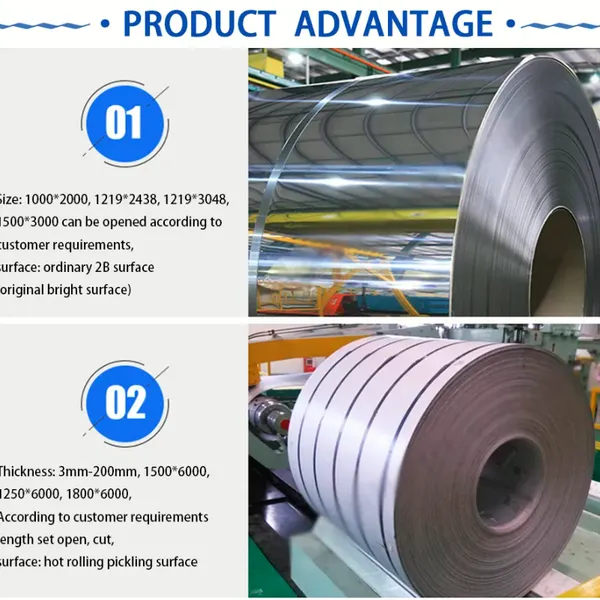
Image 1
The differences in requirements for various medical gases are fundamentally determined by their chemical properties and clinical applications. The core objective is to ensure gas purity, transportation safety, and compatibility, ultimately guaranteeing the reliability of the medical process.
Recently Posted
-
Does the stainless steel welded pipe have specific temperature requirements during the solution heat
January 20, 2026Solution heat treatment involves heating stainless steel to a high temperature and then rapidly cooling it to achieve an oversatur Read More
 -
Can stainless steel welded pipes be made into thick pipes
January 20, 2026With the improvement of high-quality welding technology and increasingly strict weld inspection, the application fields of s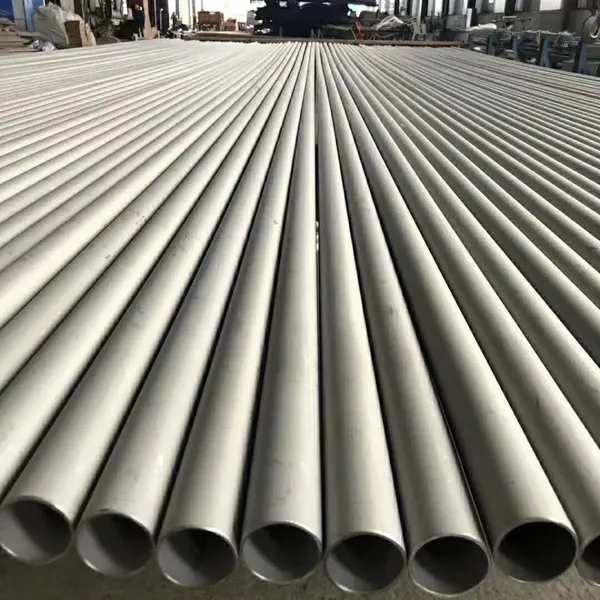 Read More
 -
Three types of commonly available food-grade stainless steel on the market
January 20, 2026The common food-grade stainless steel pipes are mainly composed of iron, chromium and carbon and other elements. Household stainle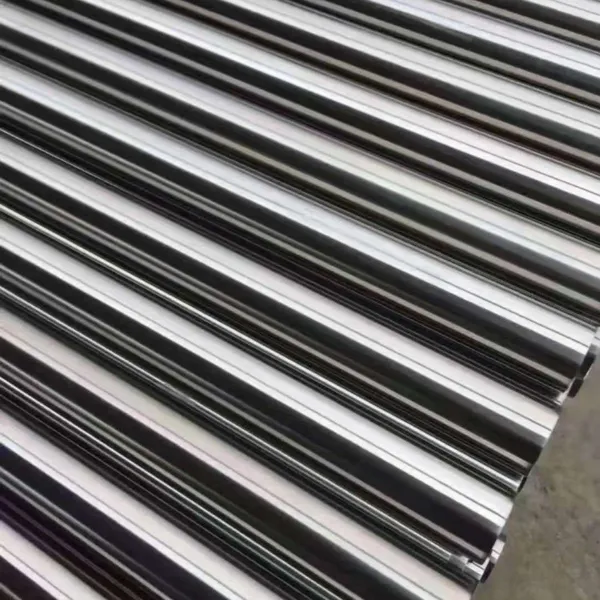 Read More
 -
What are the requirements for stainless steel welding pipe production equipment
January 20, 2026As is well known, stainless steel welded pipes have been widely used in various industries such as machinery, chemical engineering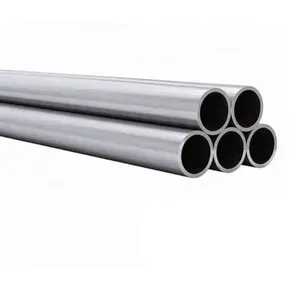 Read More

Contact Us
Recommended Products
-
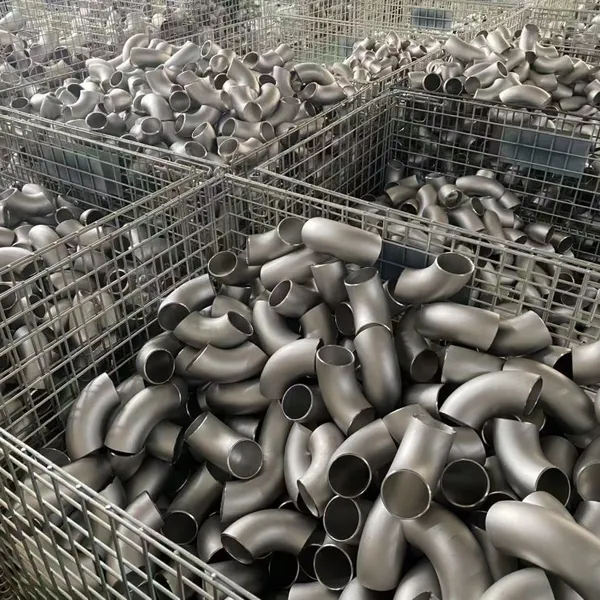
 Stainless Steel Elbow Welded Elbow 45/90/180-degree Seamless Pressed Elbow Long Radius Elbow Short Radius Elbow WholesaleNegotiableMOQ: 1 Piece
 -
316L/1.4405 Seamless Stainless Steel PipeNegotiableMOQ: 2 Meters
-
310s 440 Seamless Sanitary Piping Price 321 904l 201 20 Inch Seamless Steel Pipe A554 Stainless Steel PipeNegotiableMOQ: 1 Piece
-
China Brand ZZ Wholesale 304L 316 316L Welded Austenitic Piping Stainless Steel Pipe SupplierNegotiableMOQ: 2 Meters
-
304/304L/316/409/410/904L/2205/2507/310H Premium Stainless Steel Sheets Supplier Custom Sizes & FinishesUS$ 1.72MOQ: 1 Ton
-
Stainless Steel ASME B16.9 Sch 45 90 Degree Pipe Fittings ElbowUS$ 8MOQ: 1 Piece
-
China Brand Zz 304L 316/316L GB En JIS Standard Thin Wall Welded Stainless Steel Water Pipe/TubeNegotiableMOQ: 2 Meters
-
BA 4 Inch 6 Inch 8 Inch 201 304 304L 316 316L Welded Seamless Stainless Steel PipeNegotiableMOQ: 2 Meters
-
ASME B36.19M-2004 SCH40S Stainless Steel Pipe - Complies With EU 3.1 CertificationUS$ 1 - 650MOQ: 1 Piece
-
Factory TP309/TP309S/TP309H (UNS30900) Seamless Stainless Steel Pipe and Tube for Boiler BafflesUS$ 8MOQ: 200 Kilograms
-
TP347/TP347H/1.4961/S34709 Seamless Stainless Steel Pipe for UseNegotiableMOQ: 2 Meters
-
China 304 316 Stainless Steel Sanitary Welded Tube Food Grade Sanitary Grade Welded Pipe PolishingNegotiableMOQ: 1 Piece
-
China Manufacture Stainless Steel 316L Ba Seamless Welded Steel Pipe TubesUS$ 1760 - 1860MOQ: 5 Tons
-
316L/1.4405 Seamless Stainless Steel PipeNegotiableMOQ: 2 Meters
-
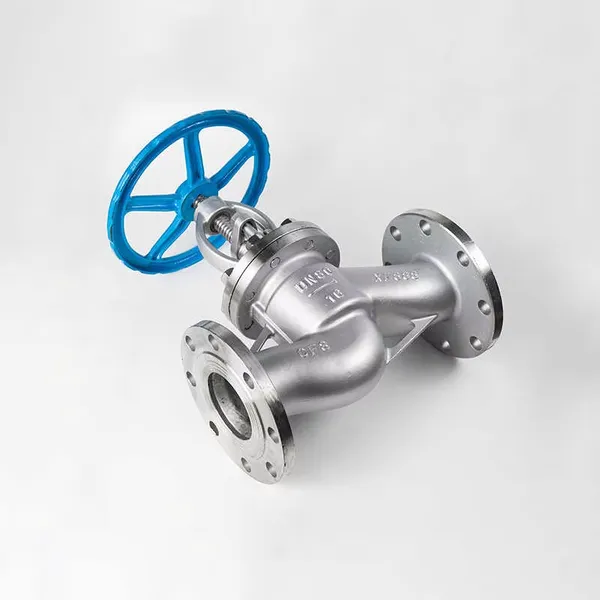
Stainless Steel Globe Valve – High Durability & Corrosion ResistanceNegotiableMOQ: 1 Piece
-
1.4529 Stainless Steel Flat Plate for Chemical Processing EquipmentUS$ 25 - 35MOQ: 1 Kilogram
-
Color Coated Steel Panels for Warehouse Partition Walls (Fireproof Grade)US$ 1 - 1.2MOQ: 50 Kilograms
-
Custom Width (600mm-1250mm) Colored Steel Coil With Scratch ResistanceUS$ 1 - 1.2MOQ: 50 Kilograms
-
0.5mm-3.0mm Colored Coated Steel Sheet With PVDF/Polyester CoatingUS$ 1 - 1.2MOQ: 50 Kilograms
-
JIS G 3322 Compliant Colored Coils With Third-Party Inspection ReportUS$ 1 - 1.2MOQ: 50 Kilograms