
 Business License

How is the dimensional tolerance of the stainless steel pipes for the Sichuan-Tibet Railway project
The strict control of the dimensional tolerances of stainless steel pipes in the Sichuan-Tibet Railway project requires the realization through the collaborative technology and meticulous management of the entire industrial chain. Based on industry practices and engineering requirements, specific safeguard measures can be elaborated from the following aspects:
1. Full-process control of production process
Equipment accuracy and process optimization
Cold rolling / cold drawing process: A closed-loop hydraulic AGC system (automatic thickness control) is adopted. By monitoring the rolling force in real time and adjusting the gap between the rolls, the wall thickness tolerance can be stabilized within the range of ±0.05mm. The laser alignment instrument is combined with a hydraulic fine-tuning device with an accuracy of 0.001mm, which enables the coaxiality error of the rolls to be controlled within 0.005mm, and the ellipticity to be reduced from 0.8% to below 0.3%.
Seamless pipe manufacturing: During the piercing process, the conical roller piercing machine heats the billet at 1200℃, combined with the multi-pass rolling of the automatic tube rolling unit, ensures the uniformity of the wall thickness. The sizing machine uses a conical drill with high-speed rotation to precisely control the inner diameter size, with an error of ≤±0.1mm.
Welding process: Promote automated technologies such as plasma welding and laser welding, replacing manual argon arc welding. The weld bead height is ≤0.5mm, and the undercut depth is ≤0.1mm. After welding, a combination process of mechanical polishing + electrolytic polishing is adopted, making the gloss difference between the weld zone and the base material ≤10%, and eliminating local deformation.
Heat treatment and surface treatment
During the solution treatment, the rapid temperature rise is to 1050-1150℃, and the holding time is strictly controlled (calculated based on the pipe wall thickness, 1.5 minutes/mm). Then, water quenching is carried out for cooling to prevent the formation of carbides, which may cause dimensional changes.
The acid washing adopts a three-stage process (pre-acid washing - main acid washing - passivation), with the acid solution concentration gradient controlled at 5%-15%-3%, avoiding excessive corrosion that may cause wall thickness thinning. The surface cleanliness reaches Sa2.5 grade.
II. Real-time Online Detection and Intelligent Monitoring
Multidimensional Detection Technology
Outer Diameter and Ellipticity: The dual-channel diameter measuring instrument uses two sets of vertically arranged photoelectric sensors to measure the bidirectional outer diameter of the stainless steel pipe in real time, with an accuracy of ±0.02mm. It simultaneously calculates the non-circularity and gives an audible and visual alarm when the measurement exceeds the limit.
Wall Thickness Measurement: The ultrasonic thickness measuring instrument, combined with the eddy current detector, achieves high-precision measurement of the wall thickness of ±0.05mm, especially suitable for thin-walled pipes (with a wall thickness of ≤2.0mm).
Length Control: The laser distance measuring instrument works in conjunction with the servo control system, achieving a cutting accuracy of ±0.5mm for fixed-length cutting, solving the problem of size deviations in long pipes (such as 12m).
Full Process Data Traceability
The MES system records information such as the raw material batch, rolling parameters, and test results of each steel pipe, generating a unique QR code identifier to enable traceability of quality issues to specific workstations and operators. For example, a certain enterprise used this system to reduce the surface defect rate of raw materials from 3% to 0.5%.
III. Quality Control System and Standard Compliance
Third-party Testing and Certification
The Sichuan-Tibet Railway project requires suppliers to provide test reports issued by authoritative institutions such as China Steel Quality Inspection, covering chemical composition analysis (such as 18%-20% Cr and 8%-10.5% Ni in 304 stainless steel), mechanical performance tests (tensile strength ≥ 520 MPa), and non-destructive testing (ultrasonic, magnetic particle detection). Each batch of products must pass a 720-hour neutral salt spray test to verify the corrosion resistance of the surface passivation film.
Standard Collaboration and Customization
Refer to international standards such as GB/T 14976-2012 "Stainless Steel Seamless Pipes for Fluid Transportation" and ASTM A312, and customize "precision grade" tolerance requirements for the special needs of the Sichuan-Tibet Railway (such as high coldness and high altitude). For example, for steel pipes with an outer diameter of ≥ 168.3mm, the allowable deviation is ±0.75% D (D is the nominal outer diameter), and the dimensional stability is verified through pressure cycling tests (1.5 times the rated pressure).
IV. Precise Control during Construction and Installation
Transportation and Storage Protection
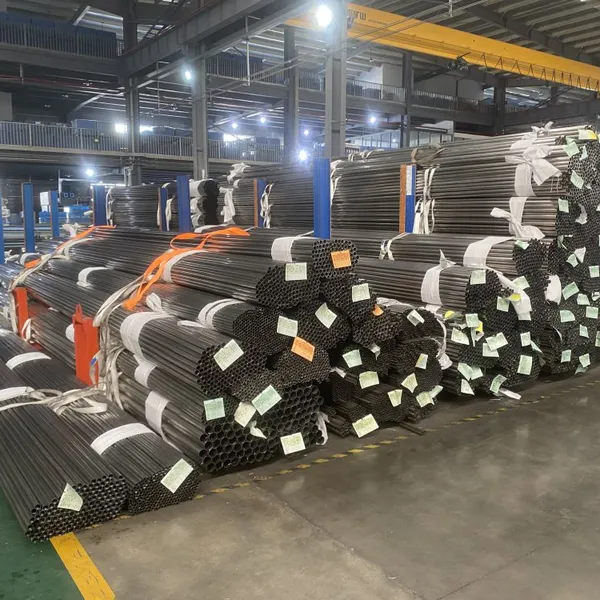
The steel pipes are stacked layer by layer using special supports to prevent deformation caused by stacking and squeezing; during transportation, elastic buffer materials are used for isolation to prevent collision damage. The storage environment should be dry and well-ventilated, and away from corrosive substances.
Installation Process Specifications
Cutting and Assembly: Use mechanical cutting (such as CNC plasma cutting machines) to ensure that the cutting edge has a perpendicularity of ≤ 0.5mm, avoiding dimensional distortion caused by hot processing. Before assembling the weldments, remove oil stains and burrs within a 10mm range on the inner and outer surfaces to ensure uniform gaps.
Connection and Support: When connecting thin-walled stainless steel pipes with other materials, use special conversion connection pieces (such as threads or flanges) to prevent electrochemical corrosion. The spacing of the supports is adjusted according to the pipe diameter (for example, the spacing for DN100 pipes should be ≤ 3m) to avoid bending caused by self-weight.
Pressure Test: After installation, conduct a water pressure test at 1.5 times the working pressure, with a holding time of ≥ 30 minutes. Combine with endoscopy flaw detection to inspect the internal quality of the welds to ensure no leakage or deformation.
V. Environmental Adaptability Design and Material Upgrade
Material Selection
For the high-altitude and strong ultraviolet environment in Xizang, 316L or 2205 duplex stainless steel is preferred. The Mo content (2%-3%) of 316L enhances its resistance to chloride ion corrosion, and the high strength (yield strength ≥ 450 MPa) of 2205 duplex steel reduces the dimensional fluctuations caused by temperature changes.
Structural Optimization
During the design stage, a tolerance margin of 0.5%-1% is reserved to compensate for the thermal expansion and contraction caused by the day-night temperature difference (up to 30°C) in high-altitude areas. For example, long-distance pipelines use "Ω" type compensators to absorb axial displacement and avoid excessive stretching or compression.
VI. Technological Innovation and Continuous Improvement
Intelligent Inspection Equipment
Introduce an AI visual inspection system, which uses CCD cameras to identify surface scratches, holes, and other defects. The detection speed reaches 30 meters per minute, with an accuracy rate exceeding 99%. Digital twin technology simulates size changes under different working conditions to optimize production parameters in advance.
Collaboration between Industry, Academia, and Research
Collaborate with universities to develop "Special Steel for Sichuan-Tibet Railway". Through micro-alloying (such as adding Nb and Ti), the grain size is refined, enhancing the material's resistance to deformation. A certain enterprise has reduced the surface defect rate of raw materials from 3% to 0.5% through this technology.
Conclusion
The dimensional tolerance control of stainless steel pipes in the Sichuan-Tibet Railway project is a comprehensive manifestation of material science, manufacturing technology, testing techniques and engineering management. Through multi-dimensional measures such as upgrading equipment accuracy, optimizing process parameters, conducting full-process testing, and designing environmental adaptability, combined with strict quality traceability and third-party certification systems, the dimensional deviation of the stainless steel pipes can be ensured to be stable within the range of ±0.5mm (outer diameter) and ±10% S (wall thickness), providing a solid guarantee for the safe operation of the plateau railway.
Recently Posted
-
Does the stainless steel welded pipe have specific temperature requirements during the solution heat
January 20, 2026Solution heat treatment involves heating stainless steel to a high temperature and then rapidly cooling it to achieve an oversatur Read More
 -
Can stainless steel welded pipes be made into thick pipes
January 20, 2026With the improvement of high-quality welding technology and increasingly strict weld inspection, the application fields of s Read More
 -
Three types of commonly available food-grade stainless steel on the market
January 20, 2026The common food-grade stainless steel pipes are mainly composed of iron, chromium and carbon and other elements. Household stainle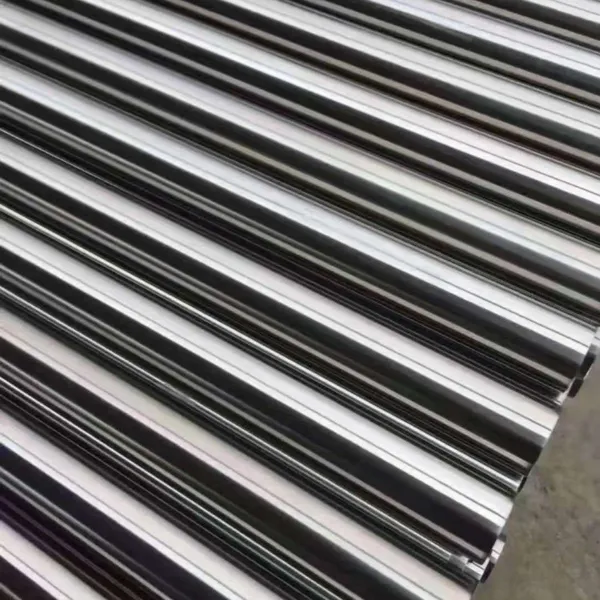 Read More
 -
What are the requirements for stainless steel welding pipe production equipment
January 20, 2026As is well known, stainless steel welded pipes have been widely used in various industries such as machinery, chemical engineering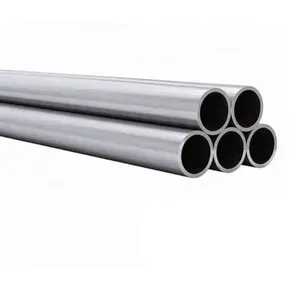 Read More

Contact Us
Recommended Products
-
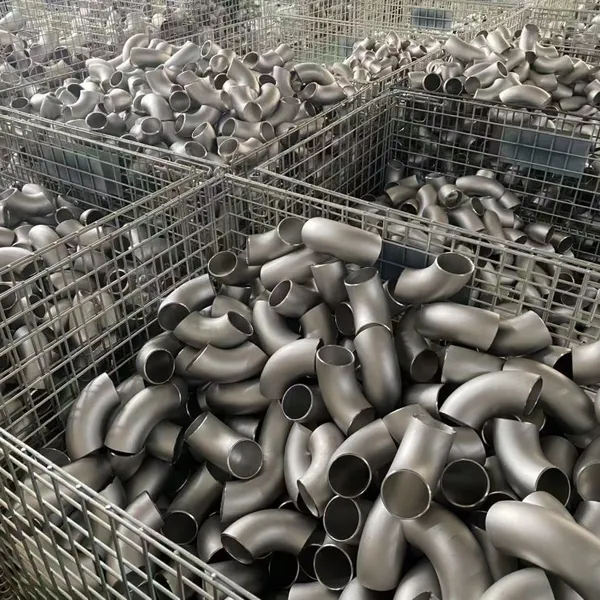
 Stainless Steel Elbow Welded Elbow 45/90/180-degree Seamless Pressed Elbow Long Radius Elbow Short Radius Elbow WholesaleNegotiableMOQ: 1 Piece
 -
316L/1.4405 Seamless Stainless Steel PipeNegotiableMOQ: 2 Meters
-
310s 440 Seamless Sanitary Piping Price 321 904l 201 20 Inch Seamless Steel Pipe A554 Stainless Steel PipeNegotiableMOQ: 1 Piece
-
China Brand ZZ Wholesale 304L 316 316L Welded Austenitic Piping Stainless Steel Pipe SupplierNegotiableMOQ: 2 Meters
-
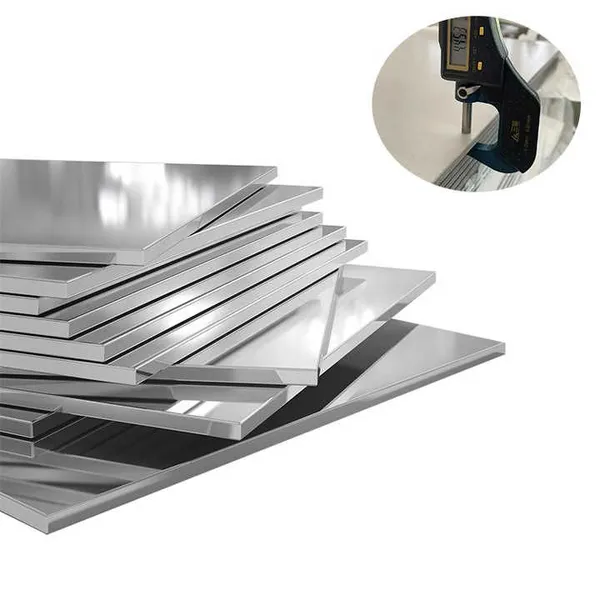
304/304L/316/409/410/904L/2205/2507/310H Premium Stainless Steel Sheets Supplier Custom Sizes & FinishesUS$ 1.72MOQ: 1 Ton
-
Stainless Steel ASME B16.9 Sch 45 90 Degree Pipe Fittings ElbowUS$ 8MOQ: 1 Piece
-
China Brand Zz 304L 316/316L GB En JIS Standard Thin Wall Welded Stainless Steel Water Pipe/TubeNegotiableMOQ: 2 Meters
-
BA 4 Inch 6 Inch 8 Inch 201 304 304L 316 316L Welded Seamless Stainless Steel PipeNegotiableMOQ: 2 Meters
-
ASME B36.19M-2004 SCH40S Stainless Steel Pipe - Complies With EU 3.1 CertificationUS$ 1 - 650MOQ: 1 Piece
-
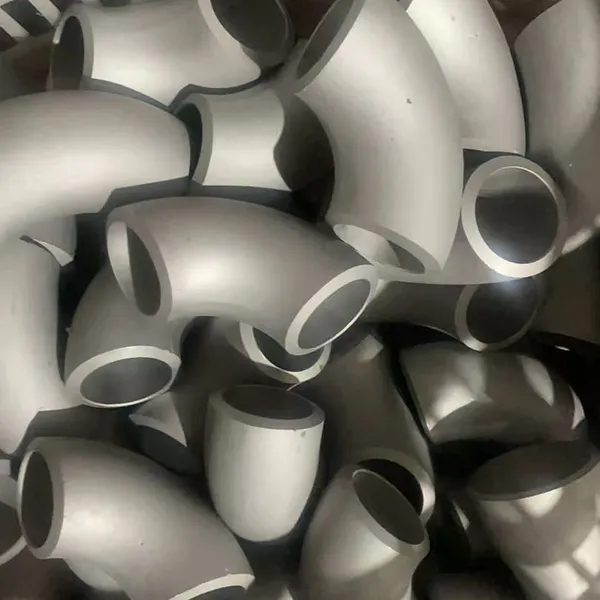
Factory TP309/TP309S/TP309H (UNS30900) Seamless Stainless Steel Pipe and Tube for Boiler BafflesUS$ 8MOQ: 200 Kilograms
-
TP347/TP347H/1.4961/S34709 Seamless Stainless Steel Pipe for UseNegotiableMOQ: 2 Meters
-
China 304 316 Stainless Steel Sanitary Welded Tube Food Grade Sanitary Grade Welded Pipe PolishingNegotiableMOQ: 1 Piece
-
China Manufacture Stainless Steel 316L Ba Seamless Welded Steel Pipe TubesUS$ 1760 - 1860MOQ: 5 Tons
-
316L/1.4405 Seamless Stainless Steel PipeNegotiableMOQ: 2 Meters
-
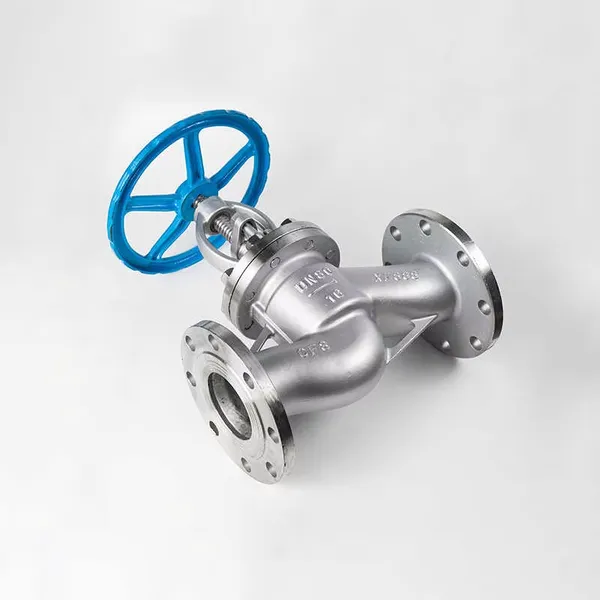
Stainless Steel Globe Valve – High Durability & Corrosion ResistanceNegotiableMOQ: 1 Piece
-
1.4529 Stainless Steel Flat Plate for Chemical Processing EquipmentUS$ 25 - 35MOQ: 1 Kilogram
-
Color Coated Steel Panels for Warehouse Partition Walls (Fireproof Grade)US$ 1 - 1.2MOQ: 50 Kilograms
-
Custom Width (600mm-1250mm) Colored Steel Coil With Scratch ResistanceUS$ 1 - 1.2MOQ: 50 Kilograms
-
0.5mm-3.0mm Colored Coated Steel Sheet With PVDF/Polyester CoatingUS$ 1 - 1.2MOQ: 50 Kilograms
-
JIS G 3322 Compliant Colored Coils With Third-Party Inspection ReportUS$ 1 - 1.2MOQ: 50 Kilograms