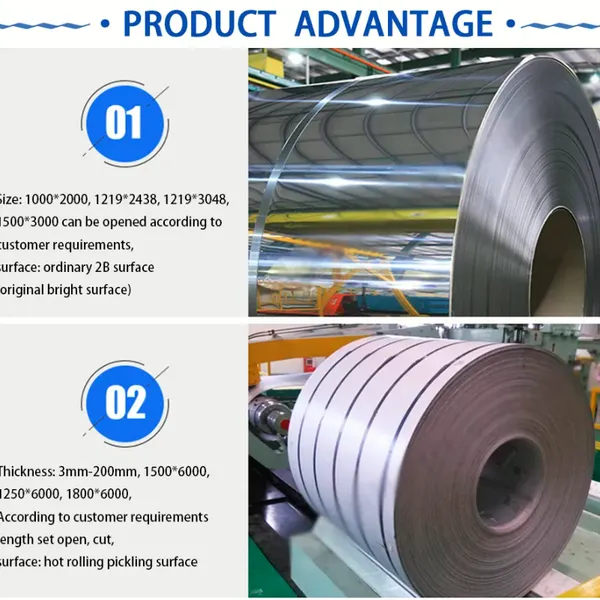

 Business License

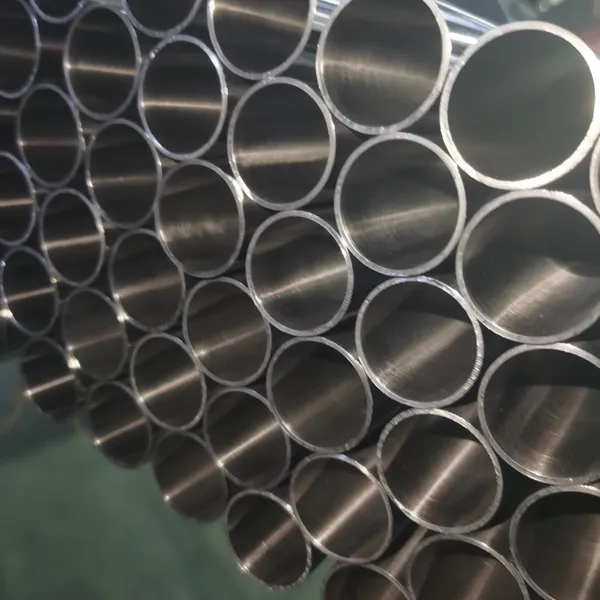
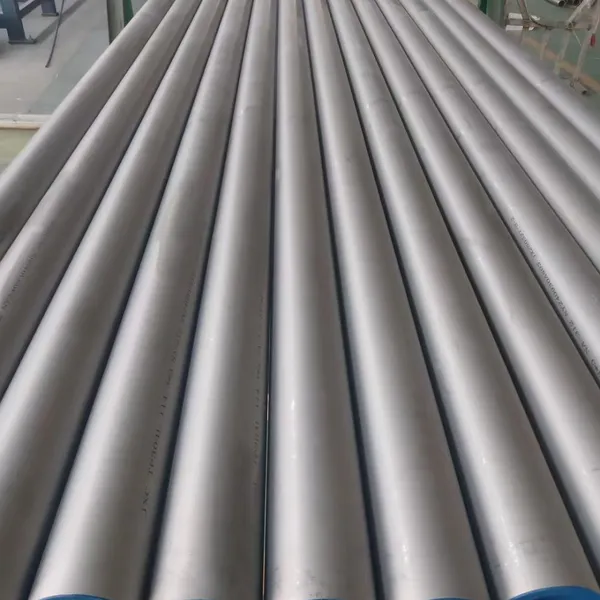
Introduction to stainless steel tubes used for boiler heat exchangers
The following is a detailed introduction about the stainless steel tubes used in boiler heat exchangers:
Common materials
304 Stainless Steel: It has excellent corrosion resistance and oxidation resistance, and can resist the erosion of common acids, alkalis, and salt solutions. It can operate stably within a temperature range of -196℃ to 650℃. Additionally, its price is relatively affordable, has good processing performance, and is easy to weld, bend, and shape. It is commonly used in boiler heat exchangers under general conditions, such as heat exchangers in HVAC systems.
316L Stainless Steel: It is based on 304 stainless steel and contains molybdenum, making it more corrosion-resistant, especially for chloride compounds, and able to resist erosion from seawater and salt water. It has a lower carbon content, which can reduce the formation of carbides when welding or operating at high temperatures, avoiding intergranular corrosion, and is suitable for boiler heat exchangers in industries such as chemical engineering and power generation, such as in the smoke heat recovery heat exchangers in waste incineration power generation and superheaters and reheaters of boilers.
310S Stainless Steel: It has excellent high-temperature performance, capable of withstanding 1200℃ high-temperature flue gas or media, maintaining high mechanical strength even at high temperatures, and is mainly used in high-temperature boiler heat exchangers, such as smoke heat recovery heat exchangers in waste incineration power generation and superheaters and reheaters of boilers.
Dual-phase Stainless Steel (such as S32205, 2507, etc.): It combines the advantages of austenitic stainless steel and ferritic stainless steel, featuring high strength, good corrosion resistance, and resistance to chloride stress corrosion cracking. In some harsh working conditions, such as those that require both high pressure and strong corrosive media, it performs well and is often used in boiler heat exchangers in fields such as seawater desalination and chemical engineering.
Characteristics
High corrosion resistance: It contains alloy elements such as chromium, nickel, and molybdenum, and its surface can form a dense chromium oxide passivation film, which can resist corrosion from acids, alkalis, salt solutions, seawater, industrial wastewater, etc. It can effectively extend the service life of equipment, reduce maintenance costs, and decrease the frequency of equipment replacement.
Outstanding high-temperature and low-temperature resistance: Different types of stainless steel pipes can operate stably within a wide temperature range. For example, 304 stainless steel can withstand a temperature of 650°C, and 310S stainless steel can withstand a temperature of 1200°C. At the same time, stainless steel maintains good toughness at extremely low temperatures, without the risk of brittle fracture, and is suitable for various temperature conditions.
High mechanical strength and durability: The tensile strength of stainless steel is much higher than that of copper tubes and aluminum tubes, which can withstand higher working pressures and perform stably in high-pressure heat exchangers. In addition, its surface hardness is high, and it has strong resistance to fluid erosion and particle abrasion, maintaining good performance even in media containing impurities.
Excellent hygiene safety: Stainless steel has strong chemical stability, is non-toxic, and does not easily release contaminants. It does not dissolve heavy metal ions into the medium and complies with hygiene standards for food and pharmaceutical industries. Moreover, its surface is smooth, does not easily breed bacteria, algae, or scale, is convenient for cleaning, and is suitable for fields with extremely high hygiene requirements.
Good comprehensive economy: Although the initial purchase cost is higher than that of some other material pipes, considering its long service life, low maintenance costs, and resistance to corrosion losses, the total life cycle cost is lower. At the same time, stainless steel is a recyclable metal, and the recycling rate after is over 90%. The recycling price is higher than aluminum and carbon steel, indirectly reducing the overall cost.
Manufacturing process
Seamless steel pipe manufacturing process: It mainly includes processes such as piercing, rolling, sizing, and straightening. First, the solid round steel billet is heated to a certain temperature, then it is pierced by a piercing machine to form a hollow pipe billet. Next, the pipe billet is rolled by a rolling machine to make the wall thickness and outer diameter reach the specified dimensions. Then, it is sized by a sizing machine and straightened by a straightening machine. Finally, surface treatment and inspection are carried out, and the seamless steel pipes that meet the standards are produced.
Welded steel pipe manufacturing process: Usually, stainless steel plates or strips are used as raw materials. First, they are rolled into pipe billets by a forming machine. Then, the gaps of the pipe billets are welded together by welding processes to form welded steel pipes. Common welding methods include TIG welding, MIG welding, laser welding, etc. After welding, heat treatment, surface treatment, and inspection are also carried out to eliminate welding stress and improve the performance and quality of the steel pipes.
Standard Specifications
GB/T 13296-2023: "Stainless Steel Seamless Pipes for Boilers and Heat Exchangers", stipulates the ordering content, dimensions, shape, weight and allowable deviations, technical requirements, test methods, inspection rules, packaging, marking and quality certificate for stainless steel seamless pipes used in boilers and heat exchangers.
ASME SA213: "Unalloyed and Austenitic Alloy Seamless Steel Pipes for Boilers, Superheaters and Heat Exchangers", is a standard formulated by the American Society of Mechanical Engineers, which provides detailed regulations on the materials, manufacturing, inspection and other aspects of stainless steel seamless pipes used in boilers, superheaters and heat exchangers.
ASTM A249: "Welded Austenitic Steel Pipes for Boilers, Superheaters, Heat Exchangers and Condensers", an American Materials and Testing Association standard, stipulates the chemical composition, mechanical properties, dimensional tolerances, surface quality and inspection methods of stainless steel welded pipes as key indicators.
Selection Guidelines
Material Characteristics: Choose the appropriate stainless steel pipe material based on the type of medium it will come into contact with. For instance, if the medium is strong acids such as sulfuric acid or hydrochloric acid, 316L stainless steel can be selected; if it is seawater or solutions containing chloride ions, duplex stainless steel is more suitable.
Working Temperature: In high-temperature environments, 310S stainless steel and other high-temperature-resistant materials can be chosen; in low-temperature conditions, the toughness and performance stability of the stainless steel pipe at low temperatures need to be considered. For example, 304 stainless steel can still maintain good toughness at -196℃.
Pressure Requirements: For boiler heat exchangers that withstand high pressure, stainless steel pipes with high mechanical strength should be selected, such as duplex stainless steel pipes, which have a higher tensile strength and can withstand higher working pressure.
Cost Factors: While meeting the usage requirements, consider the procurement cost, installation cost, maintenance cost, and service life. Choose the stainless steel pipe material with the best cost-performance ratio. For some occasions where the corrosion resistance requirement is not particularly strict, 304 stainless steel may be a more economical choice.
Recently Posted
-
Does the stainless steel welded pipe have specific temperature requirements during the solution heat
January 20, 2026Solution heat treatment involves heating stainless steel to a high temperature and then rapidly cooling it to achieve an oversatur Read More
 -
Can stainless steel welded pipes be made into thick pipes
January 20, 2026With the improvement of high-quality welding technology and increasingly strict weld inspection, the application fields of s Read More
 -
Three types of commonly available food-grade stainless steel on the market
January 20, 2026The common food-grade stainless steel pipes are mainly composed of iron, chromium and carbon and other elements. Household stainle Read More
 -
What are the requirements for stainless steel welding pipe production equipment
January 20, 2026As is well known, stainless steel welded pipes have been widely used in various industries such as machinery, chemical engineering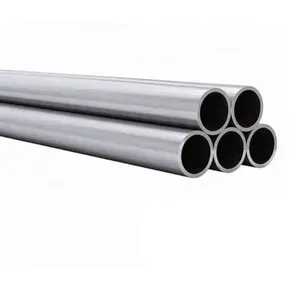 Read More

Contact Us
Recommended Products
-
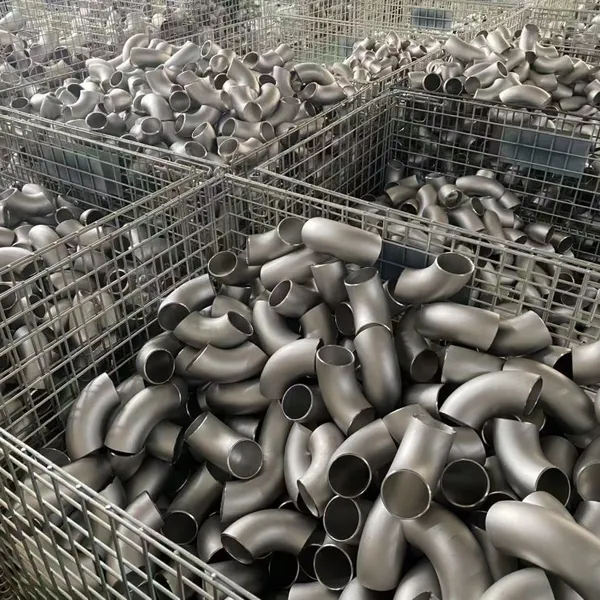
 Stainless Steel Elbow Welded Elbow 45/90/180-degree Seamless Pressed Elbow Long Radius Elbow Short Radius Elbow WholesaleNegotiableMOQ: 1 Piece
 -
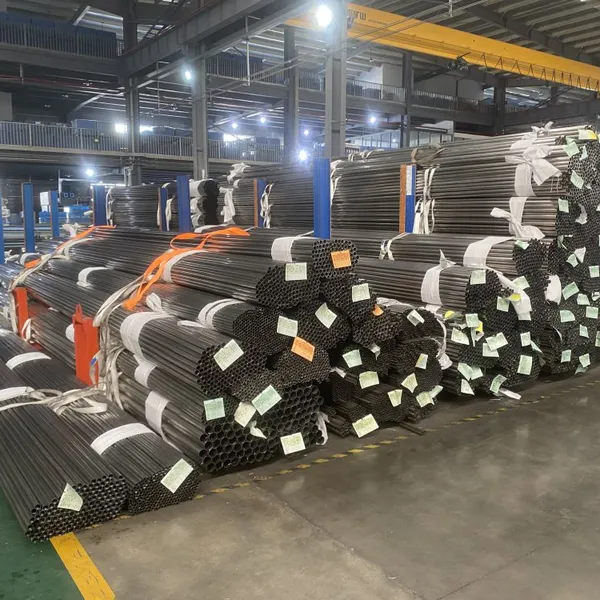
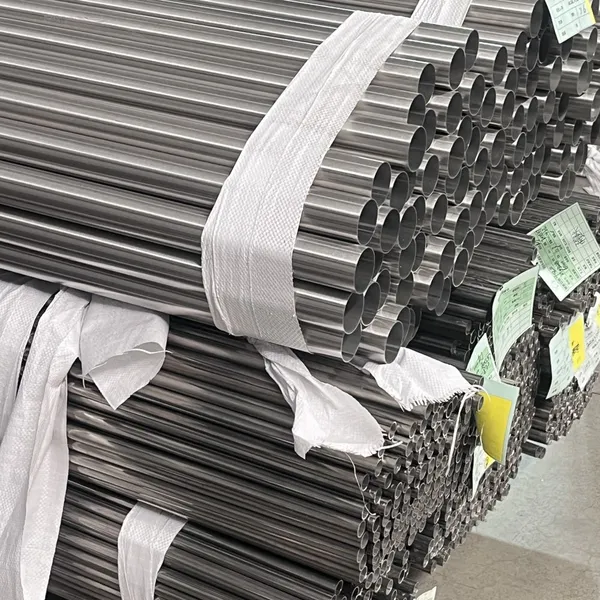
316L/1.4405 Seamless Stainless Steel PipeNegotiableMOQ: 2 Meters
-
310s 440 Seamless Sanitary Piping Price 321 904l 201 20 Inch Seamless Steel Pipe A554 Stainless Steel PipeNegotiableMOQ: 1 Piece
-
China Brand ZZ Wholesale 304L 316 316L Welded Austenitic Piping Stainless Steel Pipe SupplierNegotiableMOQ: 2 Meters
-
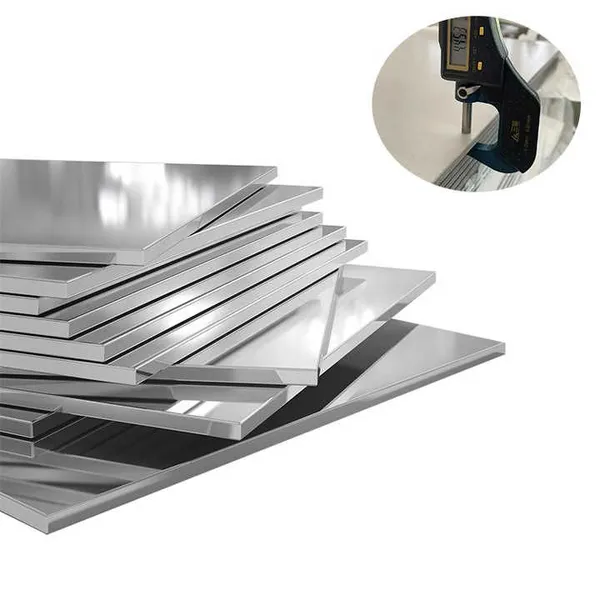
304/304L/316/409/410/904L/2205/2507/310H Premium Stainless Steel Sheets Supplier Custom Sizes & FinishesUS$ 1.72MOQ: 1 Ton
-
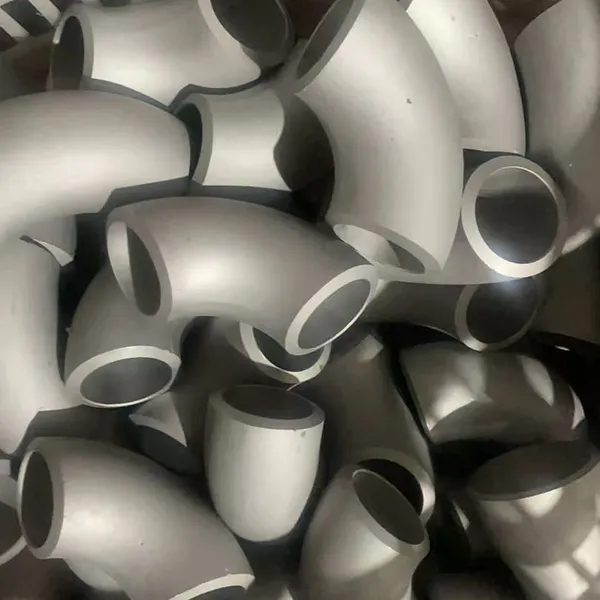
Stainless Steel ASME B16.9 Sch 45 90 Degree Pipe Fittings ElbowUS$ 8MOQ: 1 Piece
-
China Brand Zz 304L 316/316L GB En JIS Standard Thin Wall Welded Stainless Steel Water Pipe/TubeNegotiableMOQ: 2 Meters
-
BA 4 Inch 6 Inch 8 Inch 201 304 304L 316 316L Welded Seamless Stainless Steel PipeNegotiableMOQ: 2 Meters
-
ASME B36.19M-2004 SCH40S Stainless Steel Pipe - Complies With EU 3.1 CertificationUS$ 1 - 650MOQ: 1 Piece
-
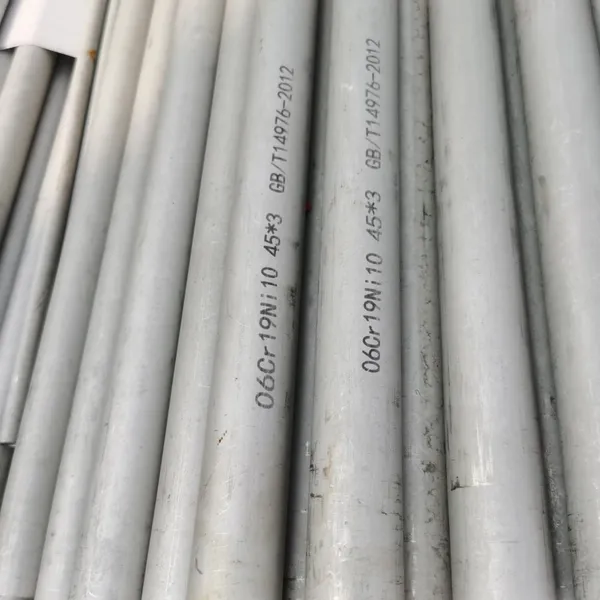
Factory TP309/TP309S/TP309H (UNS30900) Seamless Stainless Steel Pipe and Tube for Boiler BafflesUS$ 8MOQ: 200 Kilograms
-
TP347/TP347H/1.4961/S34709 Seamless Stainless Steel Pipe for UseNegotiableMOQ: 2 Meters
-
China 304 316 Stainless Steel Sanitary Welded Tube Food Grade Sanitary Grade Welded Pipe PolishingNegotiableMOQ: 1 Piece
-
China Manufacture Stainless Steel 316L Ba Seamless Welded Steel Pipe TubesUS$ 1760 - 1860MOQ: 5 Tons
-
316L/1.4405 Seamless Stainless Steel PipeNegotiableMOQ: 2 Meters
-
Stainless Steel Globe Valve – High Durability & Corrosion ResistanceNegotiableMOQ: 1 Piece
-
1.4529 Stainless Steel Flat Plate for Chemical Processing EquipmentUS$ 25 - 35MOQ: 1 Kilogram
-
Color Coated Steel Panels for Warehouse Partition Walls (Fireproof Grade)US$ 1 - 1.2MOQ: 50 Kilograms
-
Custom Width (600mm-1250mm) Colored Steel Coil With Scratch ResistanceUS$ 1 - 1.2MOQ: 50 Kilograms
-
0.5mm-3.0mm Colored Coated Steel Sheet With PVDF/Polyester CoatingUS$ 1 - 1.2MOQ: 50 Kilograms
-
JIS G 3322 Compliant Colored Coils With Third-Party Inspection ReportUS$ 1 - 1.2MOQ: 50 Kilograms