
 Business License

Introduction to High-Pressure Resistant Stainless Steel Pipes
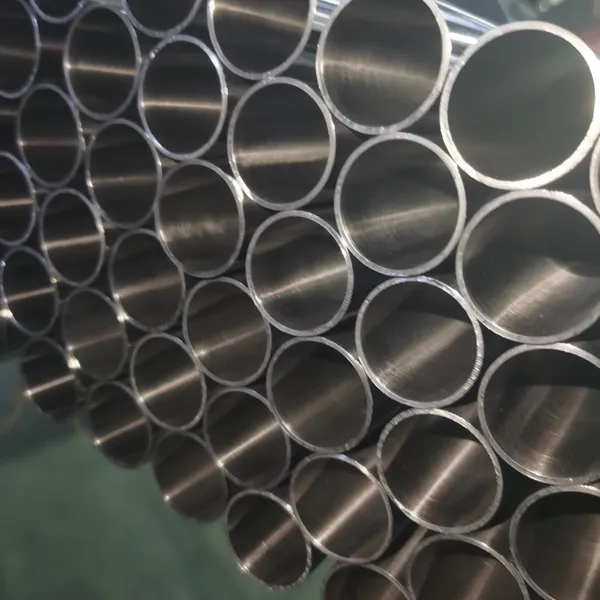
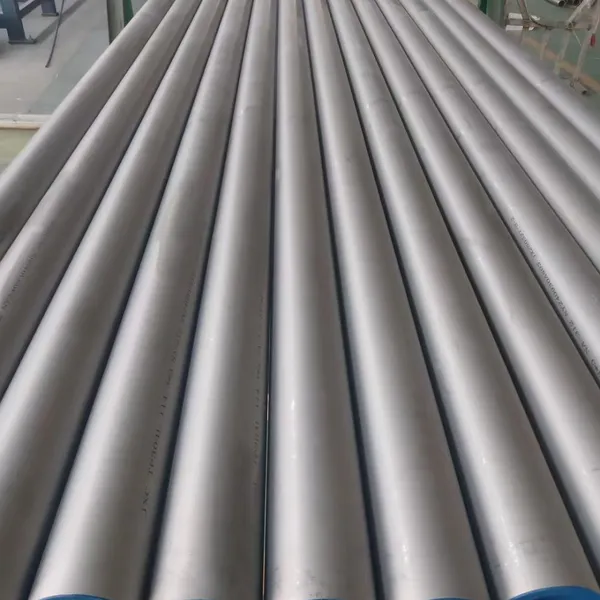
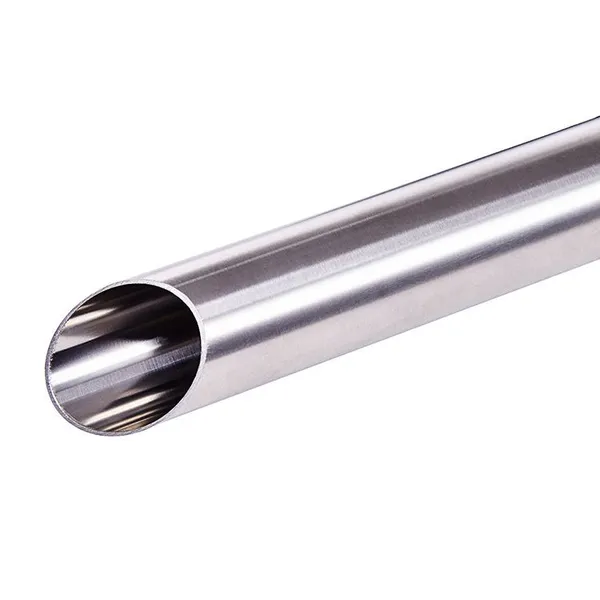
High-pressure resistant stainless steel pipes are a type of stainless steel pipe with high strength and pressure resistance capabilities. The following introduces them from the aspects of their materials, properties, manufacturing processes, and applications:
Material Properties
Alloy Elements: Chromium (Cr) is the most important alloy element in stainless steel, which can form a dense chromium oxide film on the surface of the steel pipe, preventing oxygen and other corrosive media from contacting the steel pipe substrate, thereby enhancing corrosion resistance. Nickel (Ni) can expand the austenite phase region, making stainless steel have good toughness and corrosion resistance, while also improving the strength and stability of the steel pipe at high temperatures. Molybdenum (Mo) can further enhance the corrosion resistance of stainless steel, especially in terms of resisting pitting and crevice corrosion, and can also improve the high-temperature strength of the steel pipe.
Metallic Structure: High-pressure resistant stainless steel pipes usually have metallic structures such as austenite, ferrite, or martensite. Austenitic stainless steel has good toughness, weldability, and corrosion resistance, and has relatively high strength and resistance to deformation at room temperature; Ferritic stainless steel has good oxidation resistance and resistance to stress corrosion cracking; Martensitic stainless steel, after quenching and tempering treatment, can obtain high strength and hardness, but has relatively lower toughness.
Performance Characteristics
High Strength: The tensile strength and yield strength of high-pressure stainless steel pipes are relatively high, enabling them to withstand significant pressure loads and being less prone to deformation and rupture. For instance, the tensile strength of 316L stainless steel pipes is generally above 520 MPa, and the yield strength is above 205 MPa.
Corrosion Resistance: It has excellent corrosion resistance, capable of withstanding the erosion of acids, alkalis, salts, etc., and suitable for the transportation of various corrosive media. For example, in marine environments, 316L stainless steel pipes can effectively resist the corrosion of seawater.
High Temperature Resistance: It maintains good mechanical properties and stability even in high-temperature environments, and is less likely to undergo creep and oxidation. For instance, ASTM A358 304H stainless steel pipes can be used for long-term operation at temperatures exceeding 500°C.
Good Toughness: Even in low-temperature environments, it has good impact toughness, less prone to brittle fracture, and enhances the safety of the pipeline system.
Manufacturing process
Hot rolling: The stainless steel billet is heated to a high temperature and then gradually deformed into the desired pipe shape and size through the rolling of rollers, which can enhance the strength and density of the steel pipe.
Cold rolling: Further processing is carried out on the steel pipe after hot rolling. Through cold drawing or cold rolling processes, the size of the pipe becomes more precise, the surface becomes smoother, and the accuracy and surface quality of the pipe are improved.
Heat treatment: This includes solid solution treatment, aging treatment, etc. Solid solution treatment can allow alloy elements to fully dissolve in the matrix, thereby enhancing the corrosion resistance and strength of the stainless steel; Aging treatment can further increase the hardness and strength of the steel pipe.
Surface treatment: Common surface treatment methods include acid washing, passivation, and polishing, which can remove oxides, oil stains, and impurities on the surface of the steel pipe, improve surface smoothness, and enhance corrosion resistance.
Application fields
Petrochemical industry: Pipeline systems for transporting petroleum, natural gas, and chemical raw materials, including heat exchangers, evaporators, condensers, reactors, and key parts of the pipeline system.
Electricity and nuclear power sector: The preferred material for high-temperature and high-pressure steam pipeline systems, capable of withstanding the impact of high-temperature steam and ensuring the safe operation of power and nuclear power facilities.
Aerospace sector: Manufacturing engine components, fuel system pipelines, etc., which helps improve the overall performance and reliability of aircraft and reduce maintenance costs.
Ocean engineering sector: Such as offshore oil platforms, seawater desalination equipment, etc., high-pressure stainless steel pipes can resist corrosion from seawater and the influence of high-pressure environments.
Construction and decoration sector: Used in water supply systems, fire protection systems of high-rise buildings, as well as decorative railings and handrails, meeting the requirements of high-pressure resistance while having an attractive appearance.
Recently Posted
-
Does the stainless steel welded pipe have specific temperature requirements during the solution heat
January 20, 2026Solution heat treatment involves heating stainless steel to a high temperature and then rapidly cooling it to achieve an oversatur Read More
 -
Can stainless steel welded pipes be made into thick pipes
January 20, 2026With the improvement of high-quality welding technology and increasingly strict weld inspection, the application fields of s Read More
 -
Three types of commonly available food-grade stainless steel on the market
January 20, 2026The common food-grade stainless steel pipes are mainly composed of iron, chromium and carbon and other elements. Household stainle Read More
 -
What are the requirements for stainless steel welding pipe production equipment
January 20, 2026As is well known, stainless steel welded pipes have been widely used in various industries such as machinery, chemical engineering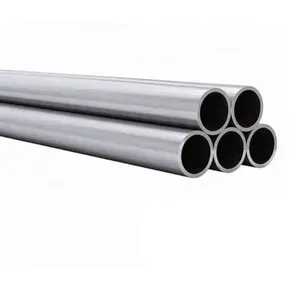 Read More

Contact Us
Recommended Products
-
 Stainless Steel Elbow Welded Elbow 45/90/180-degree Seamless Pressed Elbow Long Radius Elbow Short Radius Elbow WholesaleNegotiableMOQ: 1 Piece
 -
316L/1.4405 Seamless Stainless Steel PipeNegotiableMOQ: 2 Meters
-
310s 440 Seamless Sanitary Piping Price 321 904l 201 20 Inch Seamless Steel Pipe A554 Stainless Steel PipeNegotiableMOQ: 1 Piece
-
China Brand ZZ Wholesale 304L 316 316L Welded Austenitic Piping Stainless Steel Pipe SupplierNegotiableMOQ: 2 Meters
-
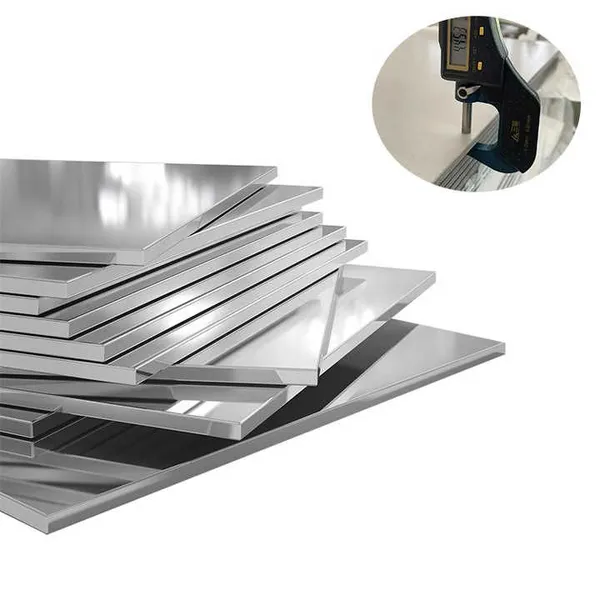
304/304L/316/409/410/904L/2205/2507/310H Premium Stainless Steel Sheets Supplier Custom Sizes & FinishesUS$ 1.72MOQ: 1 Ton
-
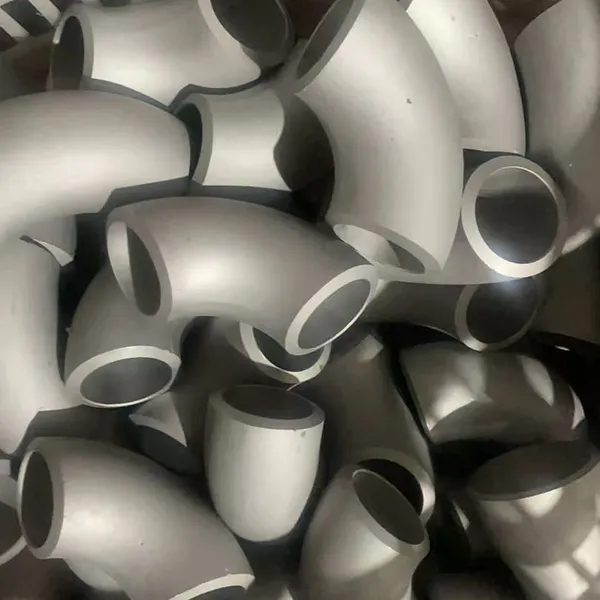
Stainless Steel ASME B16.9 Sch 45 90 Degree Pipe Fittings ElbowUS$ 8MOQ: 1 Piece
-
China Brand Zz 304L 316/316L GB En JIS Standard Thin Wall Welded Stainless Steel Water Pipe/TubeNegotiableMOQ: 2 Meters
-
BA 4 Inch 6 Inch 8 Inch 201 304 304L 316 316L Welded Seamless Stainless Steel PipeNegotiableMOQ: 2 Meters
-
ASME B36.19M-2004 SCH40S Stainless Steel Pipe - Complies With EU 3.1 CertificationUS$ 1 - 650MOQ: 1 Piece
-
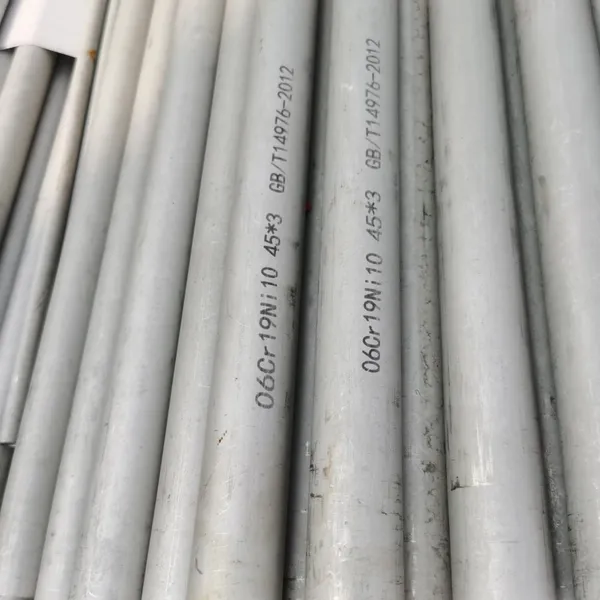
Factory TP309/TP309S/TP309H (UNS30900) Seamless Stainless Steel Pipe and Tube for Boiler BafflesUS$ 8MOQ: 200 Kilograms
-
TP347/TP347H/1.4961/S34709 Seamless Stainless Steel Pipe for UseNegotiableMOQ: 2 Meters
-
China 304 316 Stainless Steel Sanitary Welded Tube Food Grade Sanitary Grade Welded Pipe PolishingNegotiableMOQ: 1 Piece
-
China Manufacture Stainless Steel 316L Ba Seamless Welded Steel Pipe TubesUS$ 1760 - 1860MOQ: 5 Tons
-
316L/1.4405 Seamless Stainless Steel PipeNegotiableMOQ: 2 Meters
-
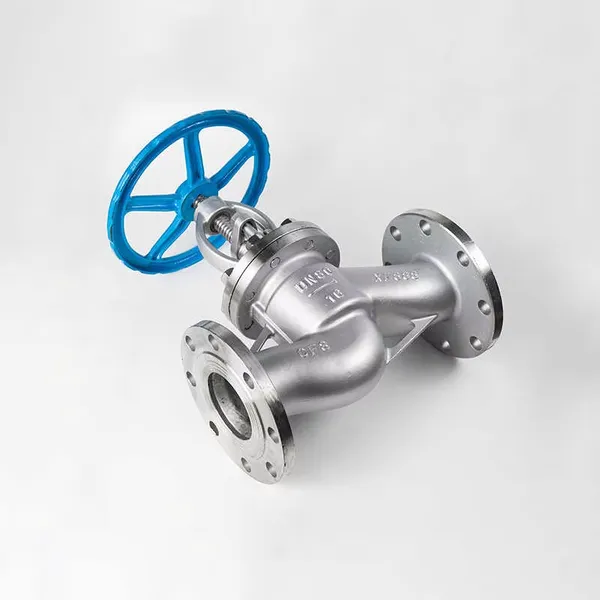
Stainless Steel Globe Valve – High Durability & Corrosion ResistanceNegotiableMOQ: 1 Piece
-
1.4529 Stainless Steel Flat Plate for Chemical Processing EquipmentUS$ 25 - 35MOQ: 1 Kilogram
-
Color Coated Steel Panels for Warehouse Partition Walls (Fireproof Grade)US$ 1 - 1.2MOQ: 50 Kilograms
-
Custom Width (600mm-1250mm) Colored Steel Coil With Scratch ResistanceUS$ 1 - 1.2MOQ: 50 Kilograms
-
0.5mm-3.0mm Colored Coated Steel Sheet With PVDF/Polyester CoatingUS$ 1 - 1.2MOQ: 50 Kilograms
-
JIS G 3322 Compliant Colored Coils With Third-Party Inspection ReportUS$ 1 - 1.2MOQ: 50 Kilograms