
 Business License

How to detect the quality of passivation film on sanitary stainless steel pipes
Core conclusion: To assess the quality of the passivation film on sanitary-grade stainless steel pipes, it is necessary to focus on four key indicators: compactness, integrity, corrosion resistance, and purity of composition. The assessment can be divided into two categories: "routine rapid testing" and "precise laboratory testing", and the appropriate method should be selected based on the on-site screening or compliance verification scenario.
I. Routine Rapid Testing (On-site / Acceptance Scenarios, Simple Operation)
1. Appearance and Surface Condition Inspection
Principle: The basic integrity of the passivation film is judged through visual and tactile inspection. The absence of defects is a prerequisite for quality compliance.
Operation: Illuminate the pipe surface with white light and observe for rust spots, color spots, scratches, and residual oxide scale; wipe with a clean white cloth and check for black dust or stains.
Judgment: A uniform and bright surface without rust or obvious processing marks, and no contamination on the white cloth after wiping, is considered qualified.
2. Water Drop Contact Angle Test (Density Screening)
Principle: The denser the passivation film, the stronger the surface hydrophobicity, and the larger the water drop contact angle.
Operation: Use an injector to drop 1-2 drops of deionized water on the pipe surface and measure the angle between the water drop and the surface with a contact angle meter (or a simple protractor).
Judgment: A contact angle of ≥85° is qualified, and ≥100° indicates excellent density (artificial passivation films usually meet this standard, while natural films are often <70°).
3. Blue Spot Test (Rapid Verification of Chromium Content)
Principle: Cr³⁺ in the passivation film reacts with the blue spot reagent (potassium ferricyanide + nitric acid) to form blue precipitate. The absence of blue spots indicates sufficient chromium content and intact film.
Operation: Apply the reagent to the pipe surface and let it stand for 5-10 minutes, then observe for blue spots.
Judgment: No blue spots within 5 minutes is qualified; the presence of blue spots indicates insufficient passivation and chromium deficiency in the film.
4. Rapid Salt Spray Test (Initial Screening of Corrosion Resistance)
Principle: Simulate a humid corrosion environment to accelerate the inspection of the protective ability of the passivation film.
Operation: Place the sample in a simple salt spray chamber and spray with a 5% sodium chloride solution at room temperature for 24-48 hours.
Judgment: No red rust or pitting within 48 hours, with only slight color difference, is qualified; obvious rust indicates film failure.
II. Precise Laboratory Testing (Compliance / High-Requirement Scenarios, Data Support)
1. X-ray Photoelectron Spectroscopy (XPS) Testing (Composition + Thickness)
Principle: By using X-rays to excite surface elements, the chemical composition and thickness of the passivation film are analyzed.
Core Indicators: Cr/O atomic ratio ≥ 1.3 (indicating sufficient Cr₂O₃ content), film thickness 5-15nm (standard range for artificial passivation).
Applicable Scenarios: Compliance audits in the pharmaceutical and food industries, requiring reports on composition and thickness testing.
2. Polarization Curve Testing (Precise Corrosion Resistance Assessment)
Principle: Through electrochemical methods, the corrosion current and pitting potential of the passivation film are measured to quantify its protective ability.
Core Indicators: Pitting potential ≥ 0.5V (vs SCE), corrosion current density ≤ 1×10⁻⁶A/cm².
Judgment: The higher the pitting potential, the stronger the corrosion resistance (typically ≥ 0.6V for 316L artificial passivation films).
3. Ellipsometry (Precise Thickness Measurement)
Principle: Utilizing the polarization reflection characteristics of light to precisely measure the thickness of nanoscale passivation films.
Advantages: Accuracy up to ±0.1nm, more suitable for thickness measurement alone compared to XPS, avoiding interference from composition analysis.
Applicable Scenarios: High-end medical and semiconductor industries with strict thickness requirements.
4. Microbial Adhesion Testing (Hygiene Verification)
Principle: Simulating usage scenarios to test the ability of the passivation film surface to support microbial growth.
Operation: Immerse the sample in sterile nutrient solution, inoculate common bacteria such as E. coli, and count after 24 hours of incubation.
Judgment: ≤ 10CFU/cm² is qualified, and ≤ 1CFU/cm² is required for high-end hygiene scenarios.
III. Testing Priorities and Scenario Matching
On-site Acceptance: Prioritize "Appearance Inspection + Blue Dot Test + Water Drop Contact Angle" for a quick screening within 30 minutes.
Conventional Compliance: Add "48-hour Salt Spray Test + XPS Composition Analysis" to meet the basic requirements of the food and pharmaceutical industries.
High-end Scenarios (Vaccines, Injection Water): Complete "XPS + Polarization Curve + Ellipsometry + Microbial Adhesion Test" for comprehensive quality verification.
Recently Posted
-
Does the stainless steel welded pipe have specific temperature requirements during the solution heat
January 20, 2026Solution heat treatment involves heating stainless steel to a high temperature and then rapidly cooling it to achieve an oversatur Read More
 -
Can stainless steel welded pipes be made into thick pipes
January 20, 2026With the improvement of high-quality welding technology and increasingly strict weld inspection, the application fields of s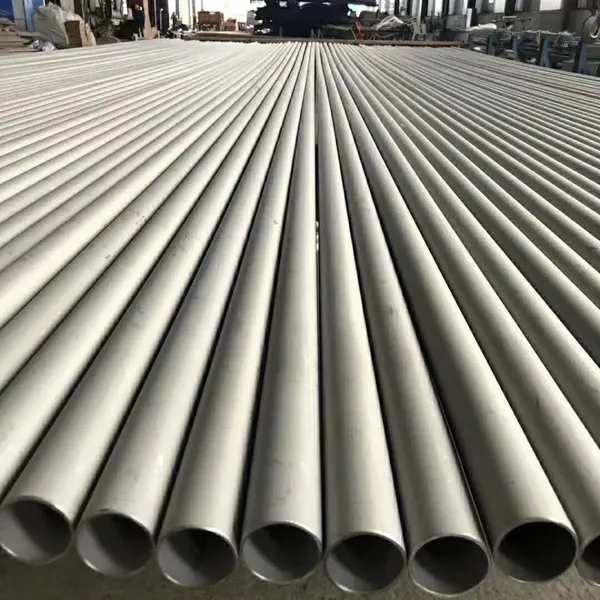 Read More
 -
Three types of commonly available food-grade stainless steel on the market
January 20, 2026The common food-grade stainless steel pipes are mainly composed of iron, chromium and carbon and other elements. Household stainle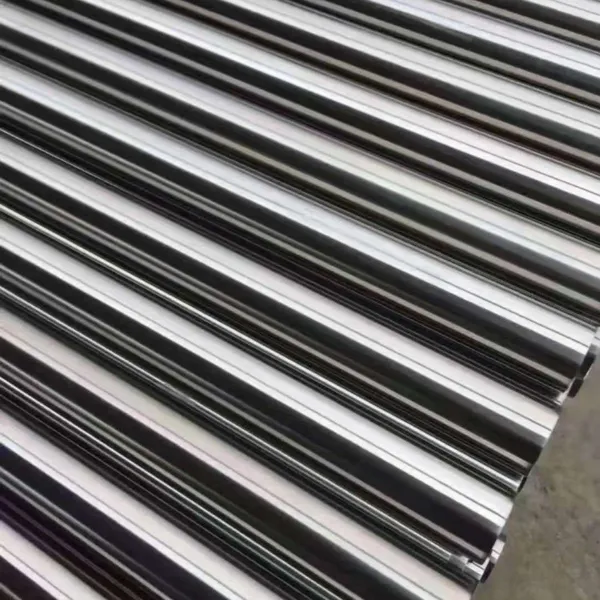 Read More
 -
What are the requirements for stainless steel welding pipe production equipment
January 20, 2026As is well known, stainless steel welded pipes have been widely used in various industries such as machinery, chemical engineering Read More

Contact Us
Recommended Products
-
 Stainless Steel Elbow Welded Elbow 45/90/180-degree Seamless Pressed Elbow Long Radius Elbow Short Radius Elbow WholesaleNegotiableMOQ: 1 Piece
 -
316L/1.4405 Seamless Stainless Steel PipeNegotiableMOQ: 2 Meters
-
310s 440 Seamless Sanitary Piping Price 321 904l 201 20 Inch Seamless Steel Pipe A554 Stainless Steel PipeNegotiableMOQ: 1 Piece
-
China Brand ZZ Wholesale 304L 316 316L Welded Austenitic Piping Stainless Steel Pipe SupplierNegotiableMOQ: 2 Meters
-
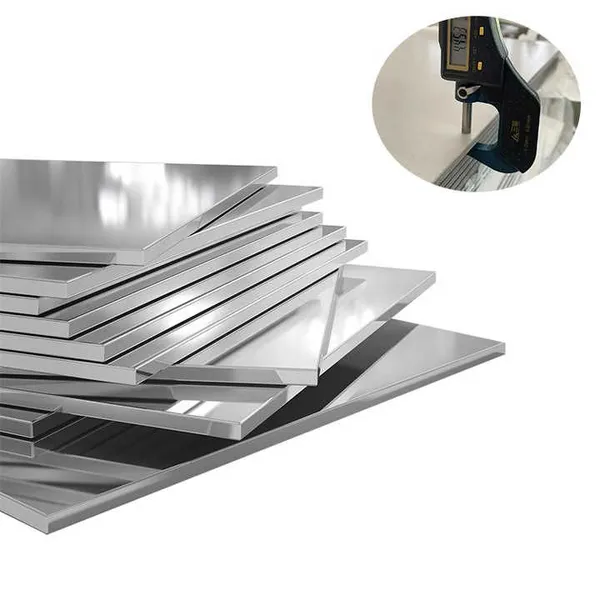
304/304L/316/409/410/904L/2205/2507/310H Premium Stainless Steel Sheets Supplier Custom Sizes & FinishesUS$ 1.72MOQ: 1 Ton
-
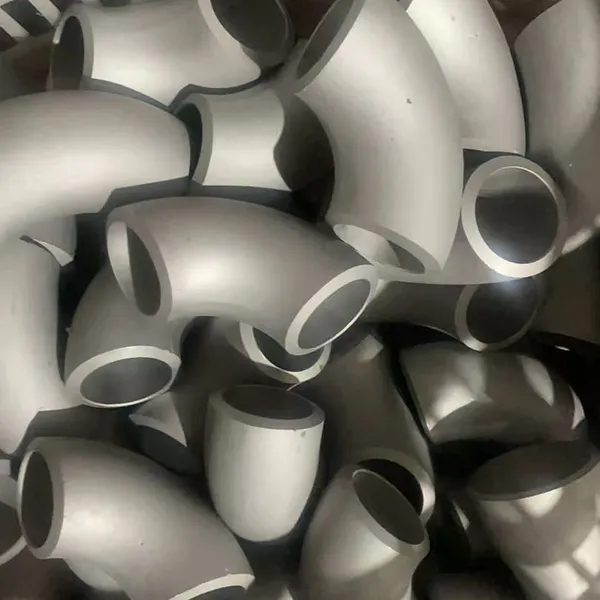
Stainless Steel ASME B16.9 Sch 45 90 Degree Pipe Fittings ElbowUS$ 8MOQ: 1 Piece
-
China Brand Zz 304L 316/316L GB En JIS Standard Thin Wall Welded Stainless Steel Water Pipe/TubeNegotiableMOQ: 2 Meters
-
BA 4 Inch 6 Inch 8 Inch 201 304 304L 316 316L Welded Seamless Stainless Steel PipeNegotiableMOQ: 2 Meters
-
ASME B36.19M-2004 SCH40S Stainless Steel Pipe - Complies With EU 3.1 CertificationUS$ 1 - 650MOQ: 1 Piece
-
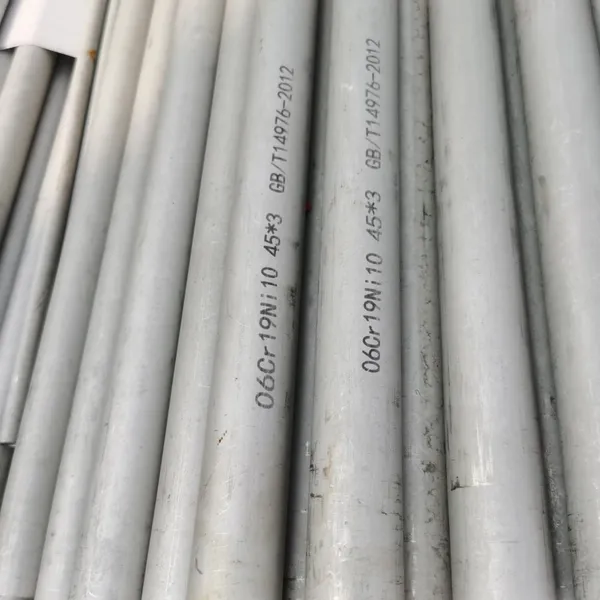
Factory TP309/TP309S/TP309H (UNS30900) Seamless Stainless Steel Pipe and Tube for Boiler BafflesUS$ 8MOQ: 200 Kilograms
-
TP347/TP347H/1.4961/S34709 Seamless Stainless Steel Pipe for UseNegotiableMOQ: 2 Meters
-
China 304 316 Stainless Steel Sanitary Welded Tube Food Grade Sanitary Grade Welded Pipe PolishingNegotiableMOQ: 1 Piece
-
China Manufacture Stainless Steel 316L Ba Seamless Welded Steel Pipe TubesUS$ 1760 - 1860MOQ: 5 Tons
-
316L/1.4405 Seamless Stainless Steel PipeNegotiableMOQ: 2 Meters
-
Stainless Steel Globe Valve – High Durability & Corrosion ResistanceNegotiableMOQ: 1 Piece
-
1.4529 Stainless Steel Flat Plate for Chemical Processing EquipmentUS$ 25 - 35MOQ: 1 Kilogram
-
Color Coated Steel Panels for Warehouse Partition Walls (Fireproof Grade)US$ 1 - 1.2MOQ: 50 Kilograms
-
Custom Width (600mm-1250mm) Colored Steel Coil With Scratch ResistanceUS$ 1 - 1.2MOQ: 50 Kilograms
-
0.5mm-3.0mm Colored Coated Steel Sheet With PVDF/Polyester CoatingUS$ 1 - 1.2MOQ: 50 Kilograms
-
JIS G 3322 Compliant Colored Coils With Third-Party Inspection ReportUS$ 1 - 1.2MOQ: 50 Kilograms