
 Business License

What impact does the degreasing treatment of 201 stainless steel welding pipes have on the subsequen
1. Positive Effects
Improvement of Welding Quality: Removing surface oil, oxide scale, and other impurities through degreasing reduces weld porosity (such as H₂ porosity), slag defects, and prevents molten pool splashing caused by oil combustion and CO₂ generation.
Optimization of Fusion Effect: Cleaning the surface enables better wetting between the welding material and the base material, reduces the risk of incomplete fusion in the weld, and enhances joint strength (tensile strength can be increased by 10%-15%).
II. Potential Risks and Mitigation
Residual Deodorizer Impact
Risk: If the deodorizer (containing chlorine or sulfur components) remains, it will decompose at high temperatures, generating corrosive gases, which can cause intergranular corrosion or stress corrosion cracking of the weld seam.
Mitigation: After deodorization, thoroughly rinse with deionized water (chloride ion content <25 ppm), dry with hot air (temperature ≤ 60°C), and wipe with white cotton cloth to check for no residue.
Change in Surface Passivation Film
Risk: Strongly alkaline deodorizers may damage the surface chromium oxide passivation film, resulting in an oxide layer during welding, affecting corrosion resistance.
Mitigation: Use neutral deodorizers (pH value 7-9), weld within 2 hours after deodorization, or lightly sand the surface before welding to activate it.
Hydrogen Embrittlement Hazard
Risk: If the deodorizer contains strong reducing agents (such as sulfites), they may penetrate the lattice and generate hydrogen atoms, which will accumulate at high temperatures during welding, causing hydrogen embrittlement.
Mitigation: Choose deodorization processes without hydrogen (such as solvent deodorization), and perform low-temperature baking (120°C × 2h) after deodorization to remove hydrogen.
Welding Parameter Compatibility
Risk: After deodorization, the surface cleanliness is high, and changes in thermal conductivity may cause welding heat input deviation (such as local overheating).
Mitigation: Adjust the welding current (reduce by 5%-10%), use pulsed TIG welding to reduce the heat affected zone, and control the interlayer temperature ≤ 150°C.
III. Process Connection Suggestions
Optimal interval time: Complete welding within 8 hours after degreasing to avoid prolonged exposure to dust; if the interval exceeds 24 hours, the surface needs to be wiped again.
Welding protective gas: Use high-purity argon gas (purity ≥ 99.99%) with a flow rate increased by 10% compared to the regular setting to prevent secondary oxidation of the cleaned surface.
IV. Quality Verification Methods
Weld Inspection: Penetrant Testing (PT) is used to confirm that there are no microcracks on the surface, and X-ray Testing (RT) is employed to detect internal pores and slag inclusions.
Corrosion Resistance Test: The welded joints undergo a 5% nitric acid immersion test (for 48 hours), and a weight loss rate of ≤ 0.5g/m² is considered
By controlling the type of degreasing agent, the cleaning and drying process, as well as the welding parameters, the optimization effect of degreasing on welding quality can be fully exerted, while avoiding the risks of residue and hydrogen embrittlement, and ensuring the mechanical properties and corrosion resistance of the welded joints of 201 stainless steel pipe.
Recently Posted
-
Does the stainless steel welded pipe have specific temperature requirements during the solution heat
January 20, 2026Solution heat treatment involves heating stainless steel to a high temperature and then rapidly cooling it to achieve an oversatur Read More
 -
Can stainless steel welded pipes be made into thick pipes
January 20, 2026With the improvement of high-quality welding technology and increasingly strict weld inspection, the application fields of s Read More
 -
Three types of commonly available food-grade stainless steel on the market
January 20, 2026The common food-grade stainless steel pipes are mainly composed of iron, chromium and carbon and other elements. Household stainle Read More
 -
What are the requirements for stainless steel welding pipe production equipment
January 20, 2026As is well known, stainless steel welded pipes have been widely used in various industries such as machinery, chemical engineering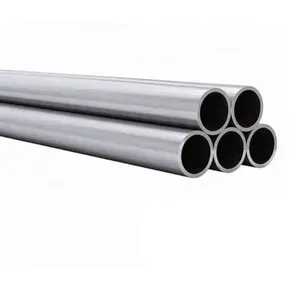 Read More

Contact Us
Recommended Products
-
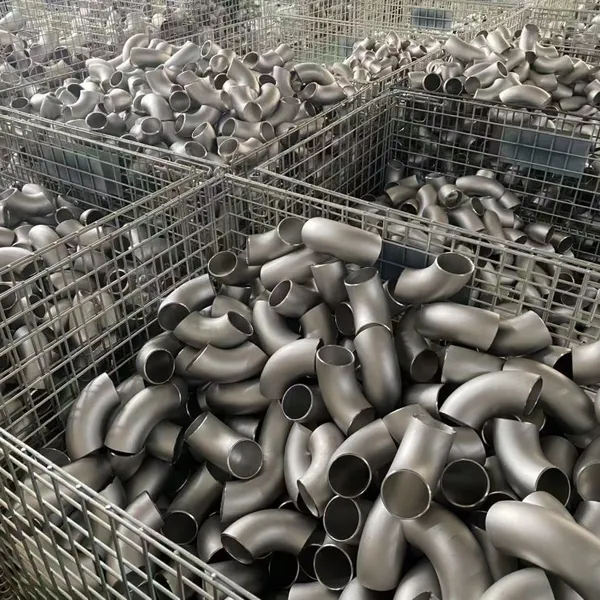
 Stainless Steel Elbow Welded Elbow 45/90/180-degree Seamless Pressed Elbow Long Radius Elbow Short Radius Elbow WholesaleNegotiableMOQ: 1 Piece
 -
316L/1.4405 Seamless Stainless Steel PipeNegotiableMOQ: 2 Meters
-
310s 440 Seamless Sanitary Piping Price 321 904l 201 20 Inch Seamless Steel Pipe A554 Stainless Steel PipeNegotiableMOQ: 1 Piece
-
China Brand ZZ Wholesale 304L 316 316L Welded Austenitic Piping Stainless Steel Pipe SupplierNegotiableMOQ: 2 Meters
-
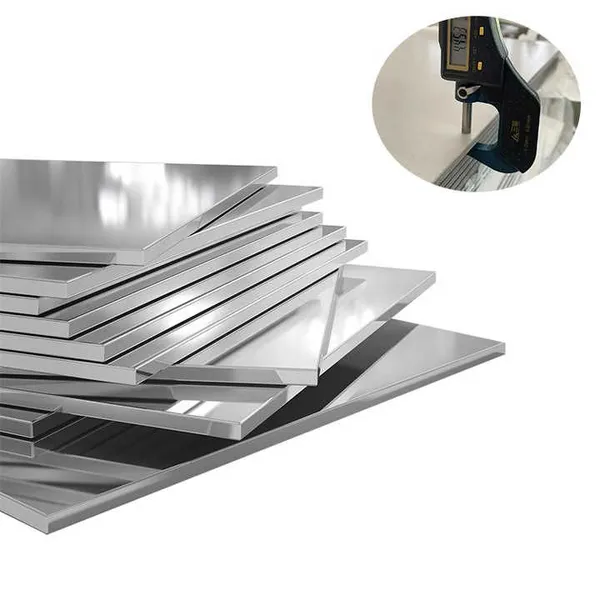
304/304L/316/409/410/904L/2205/2507/310H Premium Stainless Steel Sheets Supplier Custom Sizes & FinishesUS$ 1.72MOQ: 1 Ton
-
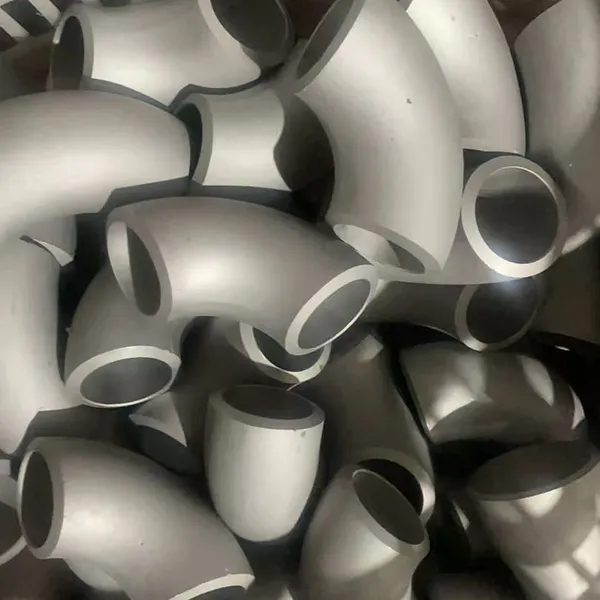
Stainless Steel ASME B16.9 Sch 45 90 Degree Pipe Fittings ElbowUS$ 8MOQ: 1 Piece
-
China Brand Zz 304L 316/316L GB En JIS Standard Thin Wall Welded Stainless Steel Water Pipe/TubeNegotiableMOQ: 2 Meters
-
BA 4 Inch 6 Inch 8 Inch 201 304 304L 316 316L Welded Seamless Stainless Steel PipeNegotiableMOQ: 2 Meters
-
ASME B36.19M-2004 SCH40S Stainless Steel Pipe - Complies With EU 3.1 CertificationUS$ 1 - 650MOQ: 1 Piece
-
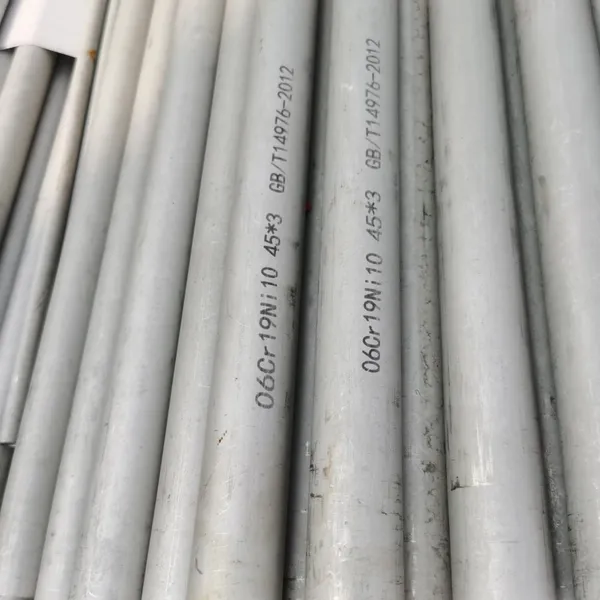
Factory TP309/TP309S/TP309H (UNS30900) Seamless Stainless Steel Pipe and Tube for Boiler BafflesUS$ 8MOQ: 200 Kilograms
-
TP347/TP347H/1.4961/S34709 Seamless Stainless Steel Pipe for UseNegotiableMOQ: 2 Meters
-
China 304 316 Stainless Steel Sanitary Welded Tube Food Grade Sanitary Grade Welded Pipe PolishingNegotiableMOQ: 1 Piece
-
China Manufacture Stainless Steel 316L Ba Seamless Welded Steel Pipe TubesUS$ 1760 - 1860MOQ: 5 Tons
-
316L/1.4405 Seamless Stainless Steel PipeNegotiableMOQ: 2 Meters
-
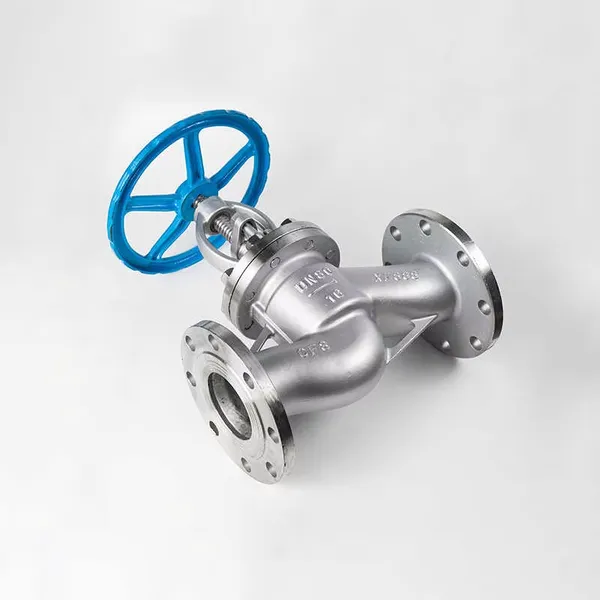
Stainless Steel Globe Valve – High Durability & Corrosion ResistanceNegotiableMOQ: 1 Piece
-
1.4529 Stainless Steel Flat Plate for Chemical Processing EquipmentUS$ 25 - 35MOQ: 1 Kilogram
-
Color Coated Steel Panels for Warehouse Partition Walls (Fireproof Grade)US$ 1 - 1.2MOQ: 50 Kilograms
-
Custom Width (600mm-1250mm) Colored Steel Coil With Scratch ResistanceUS$ 1 - 1.2MOQ: 50 Kilograms
-
0.5mm-3.0mm Colored Coated Steel Sheet With PVDF/Polyester CoatingUS$ 1 - 1.2MOQ: 50 Kilograms
-
JIS G 3322 Compliant Colored Coils With Third-Party Inspection ReportUS$ 1 - 1.2MOQ: 50 Kilograms