
 Business License

How does the high-temperature resistance performance of 304 stainless steel pipes vary in different
The high-temperature resistance of 304 stainless steel tubes varies significantly under different conditions. The core is influenced by environmental media (oxidizing, corrosive) and atmosphere types (dry / humid). The specific manifestations are as follows:
1. Dry air environment: In an environment without corrosion and dry air, the short-term tolerance temperature can reach 800-900℃, with only slight surface oxidation; when used for a long time (more than 1000 hours), the structure is stable below 600℃, oxidation is slow, above 600℃, σ phase is easily precipitated causing embrittlement, above 700℃, the oxide film thickens and peels off, the wall thickness decreases, and the mechanical properties significantly deteriorate.
2. Humid / Moisture-rich environment: High-temperature moisture accelerates surface oxidation, reducing the upper limit of heat resistance. Below 500°C, the reaction between water vapor and the oxide film generates easily detachable hydroxides, and the oxidation rate is 1-2 times faster than in a dry environment; above 600°C, water vapor penetrates the oxide film, causing "hydrogen embrittlement", resulting in cracks in the pipe material when subjected to force, and the long-term operating temperature should be controlled below 450°C.
3. Chlorine/salt fog environment: Chlorine elements will severely damage the high-temperature oxide film, significantly reducing the high-temperature resistance. Below 300°C, chloride ions adsorb on the oxide film surface and gradually erode to form pitting corrosion; above 400°C, chlorine combines with chromium to form volatile chlorides, causing the oxide film to lose its protective effect, and the pipe material will rapidly undergo intergranular corrosion and oxidation. The long-term operating temperature should be lower than 300°C; otherwise, local perforation is prone to occur.
4. Sulfur-containing / Acidic Atmosphere Environment: In environments containing sulfur (such as industrial exhaust gas) or acidity (such as high-temperature organic acid vapor), at high temperatures, sulfur and acid will react with the oxide film, generating soluble corrosive products. Below 400°C, the corrosion is slow, only slight corrosion spots appear on the surface; above 500°C, the corrosion rate accelerates sharply, the oxide film continues to dissolve, the base material is exposed, the pipe material strength rapidly decreases. The long-term operating temperature should be controlled below 350°C, and it is prone to develop intergranular cracks.
5. Inert gas environment (such as nitrogen, argon): Inert gases can isolate oxygen from corrosive media, and their high-temperature resistance approaches the ideal state. They can withstand 900-1000℃ for a short period, with only slight grain growth; when used at 800℃ or below for a long time, the structure remains stable, oxidation and corrosion can be ignored, and the mechanical performance degrades minimally. However, if the purity of the gas is insufficient (containing trace amounts of oxygen or water), the upper limit of high-temperature resistance will decrease as the impurity content increases.
Recently Posted
-
Does the stainless steel welded pipe have specific temperature requirements during the solution heat
January 20, 2026Solution heat treatment involves heating stainless steel to a high temperature and then rapidly cooling it to achieve an oversatur Read More
 -
Can stainless steel welded pipes be made into thick pipes
January 20, 2026With the improvement of high-quality welding technology and increasingly strict weld inspection, the application fields of s Read More
 -
Three types of commonly available food-grade stainless steel on the market
January 20, 2026The common food-grade stainless steel pipes are mainly composed of iron, chromium and carbon and other elements. Household stainle Read More
 -
What are the requirements for stainless steel welding pipe production equipment
January 20, 2026As is well known, stainless steel welded pipes have been widely used in various industries such as machinery, chemical engineering Read More

Contact Us
Recommended Products
-
 Stainless Steel Elbow Welded Elbow 45/90/180-degree Seamless Pressed Elbow Long Radius Elbow Short Radius Elbow WholesaleNegotiableMOQ: 1 Piece
 -
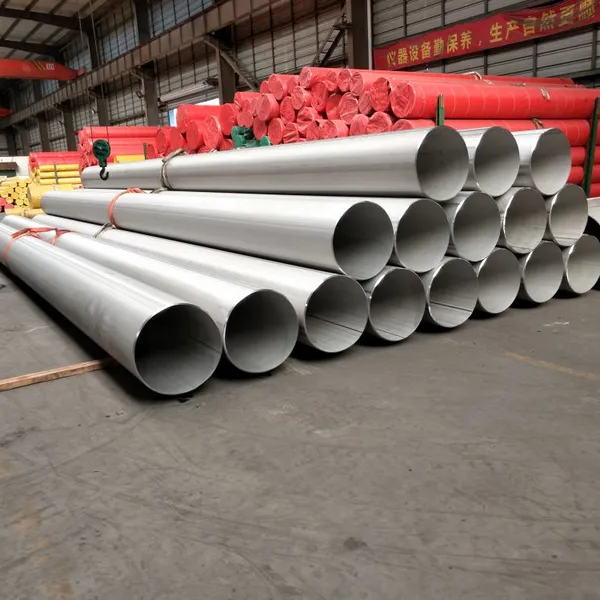
316L/1.4405 Seamless Stainless Steel PipeNegotiableMOQ: 2 Meters
-
310s 440 Seamless Sanitary Piping Price 321 904l 201 20 Inch Seamless Steel Pipe A554 Stainless Steel PipeNegotiableMOQ: 1 Piece
-
China Brand ZZ Wholesale 304L 316 316L Welded Austenitic Piping Stainless Steel Pipe SupplierNegotiableMOQ: 2 Meters
-
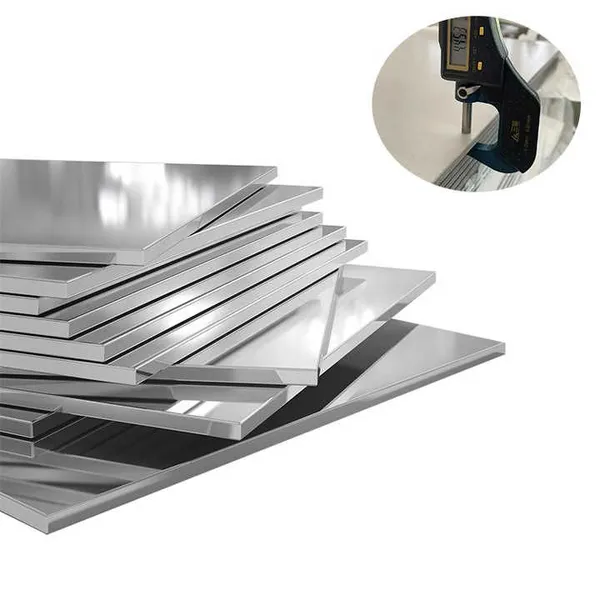
304/304L/316/409/410/904L/2205/2507/310H Premium Stainless Steel Sheets Supplier Custom Sizes & FinishesUS$ 1.72MOQ: 1 Ton
-
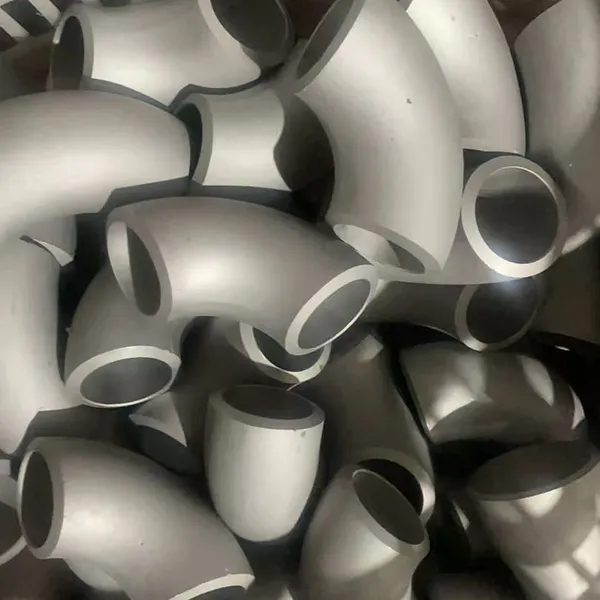
Stainless Steel ASME B16.9 Sch 45 90 Degree Pipe Fittings ElbowUS$ 8MOQ: 1 Piece
-
China Brand Zz 304L 316/316L GB En JIS Standard Thin Wall Welded Stainless Steel Water Pipe/TubeNegotiableMOQ: 2 Meters
-
BA 4 Inch 6 Inch 8 Inch 201 304 304L 316 316L Welded Seamless Stainless Steel PipeNegotiableMOQ: 2 Meters
-
ASME B36.19M-2004 SCH40S Stainless Steel Pipe - Complies With EU 3.1 CertificationUS$ 1 - 650MOQ: 1 Piece
-
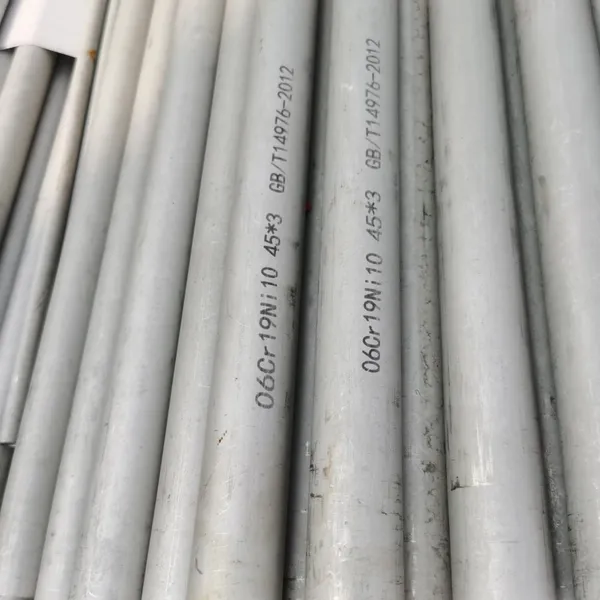
Factory TP309/TP309S/TP309H (UNS30900) Seamless Stainless Steel Pipe and Tube for Boiler BafflesUS$ 8MOQ: 200 Kilograms
-
TP347/TP347H/1.4961/S34709 Seamless Stainless Steel Pipe for UseNegotiableMOQ: 2 Meters
-
China 304 316 Stainless Steel Sanitary Welded Tube Food Grade Sanitary Grade Welded Pipe PolishingNegotiableMOQ: 1 Piece
-
China Manufacture Stainless Steel 316L Ba Seamless Welded Steel Pipe TubesUS$ 1760 - 1860MOQ: 5 Tons
-
316L/1.4405 Seamless Stainless Steel PipeNegotiableMOQ: 2 Meters
-
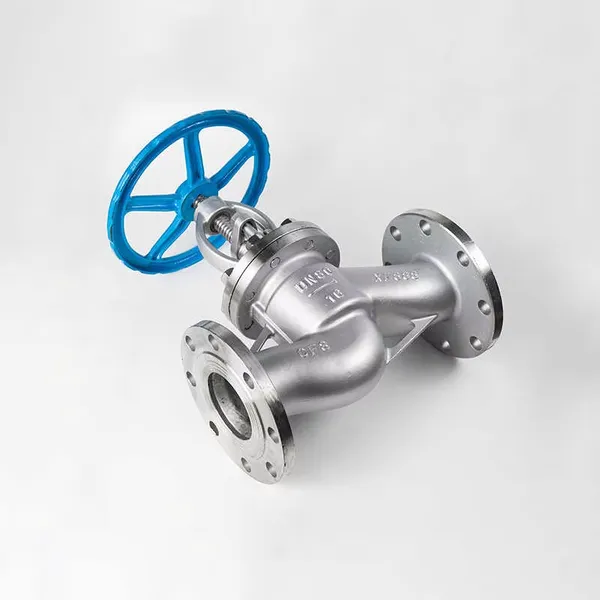
Stainless Steel Globe Valve – High Durability & Corrosion ResistanceNegotiableMOQ: 1 Piece
-
1.4529 Stainless Steel Flat Plate for Chemical Processing EquipmentUS$ 25 - 35MOQ: 1 Kilogram
-
Color Coated Steel Panels for Warehouse Partition Walls (Fireproof Grade)US$ 1 - 1.2MOQ: 50 Kilograms
-
Custom Width (600mm-1250mm) Colored Steel Coil With Scratch ResistanceUS$ 1 - 1.2MOQ: 50 Kilograms
-
0.5mm-3.0mm Colored Coated Steel Sheet With PVDF/Polyester CoatingUS$ 1 - 1.2MOQ: 50 Kilograms
-
JIS G 3322 Compliant Colored Coils With Third-Party Inspection ReportUS$ 1 - 1.2MOQ: 50 Kilograms