
 Business License

When using 316L stainless steel pipes, surface treatment is required under certain environmental con
Although 316L stainless steel pipes have excellent corrosion resistance and mechanical properties, in four types of environments including corrosive media, high-temperature wear, strict cleanliness requirements, and special working conditions, surface treatment (passivation, coating, nitriding, degreasing, etc.) must be carried out to enhance performance and prevent failure. The specific scenarios are as follows:
I. Highly Corrosive Medium Environments: Surface Treatment Required to Enhance Corrosion Resistance
In such environments, Cl⁻, acids, and alkalis can easily penetrate the native passive film on 316L surfaces, causing pitting corrosion, intergranular corrosion, or stress corrosion cracking. Targeted treatments are necessary.
1. High Chloride Environments
○ Typical Scenarios: Marine atmosphere, coastal chemical industrial parks, saltwater transportation (ion-exchange membrane caustic soda, seawater desalination), and chlorinated wastewater treatment.
○ Treatment Requirements: High-temperature nitric acid passivation (50%-60% nitric acid, immersion at 100-120°C for 20-30 minutes) is mandatory to thicken and densify the Cr₂O₃ passive film (20-30nm), enhancing pitting corrosion resistance. If the Cl⁻ concentration exceeds 1000mg/L, additional silane passivation or fluorocarbon coating application is required to prevent chloride ions from contacting the base material.
2. Acidic / Alkaline Medium Environments
○ Typical Scenarios: Transportation of organic acids in the chemical industry (acetic acid, citric acid), dilute sulfuric acid / hydrochloric acid media, and high-temperature transportation of concentrated alkali (NaOH, KOH).
○ Treatment Requirements: For transporting organic acids, passivation + polishing (Ra ≤ 0.8μm) is necessary to reduce medium retention and corrosion. For transporting dilute acids, plasma spraying of Al₂O₃ ceramic coatings is recommended to prevent direct acid corrosion. In high-temperature concentrated alkali environments, nitriding treatment is required to form a nitrogen-rich austenitic layer, enhancing alkali corrosion resistance and wear resistance.
3. Sulfur / Fluorine Containing Corrosive Environments
○ Typical Scenarios: Transportation of sulfur-containing process gas in coal chemical industry and fluorine-containing reagents in fluorine chemical industry.
○ Treatment Requirements: HVOF (High Velocity Oxygen Fuel) supersonic flame spraying of Cr₃C₂-NiCr metal ceramic coatings is adopted. The coating has high density (porosity <2%), capable of resisting the penetration corrosion of sulfur ions and fluoride ions, and can withstand high temperatures (≤700°C).
II. High-temperature wear/oxidation environment: Surface treatment is required to enhance wear resistance and high-temperature resistance
316L experiences a decrease in hardness above 300°C and is prone to oxidation wear and adhesive wear at high temperatures. Surface strengthening and protective layer construction are necessary.
1. High-temperature abrasive wear environment
○ Typical scenarios: High-temperature flue gas transportation at 600-800°C, slurry/catalyst particle transportation, and heat exchanger tubes in heating furnaces.
○ Treatment requirements: Perform laser cladding of WC-Co alloy layer (0.5-3mm thick), with high-temperature hardness ≥ HV1000, to resist abrasive cutting; or apply ceramic coatings through plasma spraying to isolate high-temperature gas flow and extend service life.
2. High-temperature adhesive wear environment
○ Typical scenarios: Pipe joints, sealing surfaces, and valve cores at 300-600°C.
○ Treatment requirements: Use low-temperature nitriding process (450-550°C) to form a nitrogen-rich austenite layer (S phase), with surface hardness of HV800-1200, to prevent metal adhesion-tearing; if temperature > 600°C, perform boronizing treatment to generate FeB hard phase and enhance anti-adhesive ability.
3. High-temperature oxidation environment
○ Typical scenarios: Hot air ducts below 800°C, boiler flue ducts, and high-temperature steam transportation.
○ Treatment requirements: Perform high-temperature passivation + anti-oxidation coating (such as spraying NiCrAlY coating), where the coating forms a dense Al₂O₃ oxide film to impede oxygen diffusion and prevent high-temperature oxidation and peeling of the 316L base material.
III. Environments with Strict Cleanliness Requirements: Surface Treatment is Required to Ensure No Impurity Contamination
These environments are sensitive to oil and particle residues and require treatments such as degreasing and polishing to meet cleanliness standards and prevent contamination of products or processes.
1. Food / Pharmaceutical Hygiene Environments
○ Typical Scenarios: Milk product and beverage delivery pipelines, drug injection tubes, and aseptic raw material medicine production equipment.
○ Treatment Requirements: Must undergo precise degreasing treatment (alkaline degreasing + solvent degreasing + ultrasonic cleaning), with oil residue ≤ 1mg/m², combined with electrolytic polishing (Ra ≤ 0.4μm) to eliminate surface scratches and micro-holes and prevent microbial growth; final verification must be conducted through water film continuity tests and weight method detection, meeting GMP and FDA standards.
2. Electronic / Semiconductor High-Purity Environments
○ Typical Scenarios: High-purity gas (nitrogen, oxygen) delivery, electronic-grade reagent (photoresist, high-purity solvent) pipelines.
○ Treatment Requirements: Perform ultra-precise degreasing + vacuum annealing to remove all surface oils and adsorbed impurities, combined with mechanical polishing + chemical polishing (Ra ≤ 0.1μm) to avoid particle residue contamination of chips; in some scenarios, passivation treatment is required to prevent surface oxidation and particle generation.
IV. Special Working Conditions and Adaptation Environments: Surface Treatment Required to Meet Functional Demands
1. Low-temperature Cryogenic Environments
○ Typical Scenarios: LNG transportation, liquid nitrogen/liquid oxygen low-temperature pipelines (temperature ≤ -196℃).
○ Treatment Requirements: Perform surface polishing and passivation to eliminate surface defects and stress concentration points, preventing stress corrosion cracking at low temperatures; polishing also reduces surface roughness to prevent local freezing and blockage caused by the retention of low-temperature media.
2. Environments with Conductive/Insulating Functional Requirements
○ Typical Scenarios: Chemical static grounding pipelines, pipelines for transporting insulating fluids.
○ Treatment Requirements: For conductive needs, perform nitriding treatment (retaining metal conductivity while enhancing wear resistance); for insulating needs, apply ceramic or epoxy resin coatings, with surface resistivity ≥ 10¹²Ω・cm, to meet insulation requirements.
Summary: Core Principles of Surface Treatment
Whether surface treatment is required for 316L stainless steel pipes depends on the usage environment and functional requirements. The original state is only suitable for dry, weakly corrosive, and low cleanliness scenarios. Once corrosion, high-temperature wear, high cleanliness, or special functional requirements are involved, targeted surface treatment processes must be selected to ensure the long-term stable operation of the pipes.
Recently Posted
-
Does the stainless steel welded pipe have specific temperature requirements during the solution heat
January 20, 2026Solution heat treatment involves heating stainless steel to a high temperature and then rapidly cooling it to achieve an oversatur Read More
 -
Can stainless steel welded pipes be made into thick pipes
January 20, 2026With the improvement of high-quality welding technology and increasingly strict weld inspection, the application fields of s Read More
 -
Three types of commonly available food-grade stainless steel on the market
January 20, 2026The common food-grade stainless steel pipes are mainly composed of iron, chromium and carbon and other elements. Household stainle Read More
 -
What are the requirements for stainless steel welding pipe production equipment
January 20, 2026As is well known, stainless steel welded pipes have been widely used in various industries such as machinery, chemical engineering Read More

Contact Us
Recommended Products
-
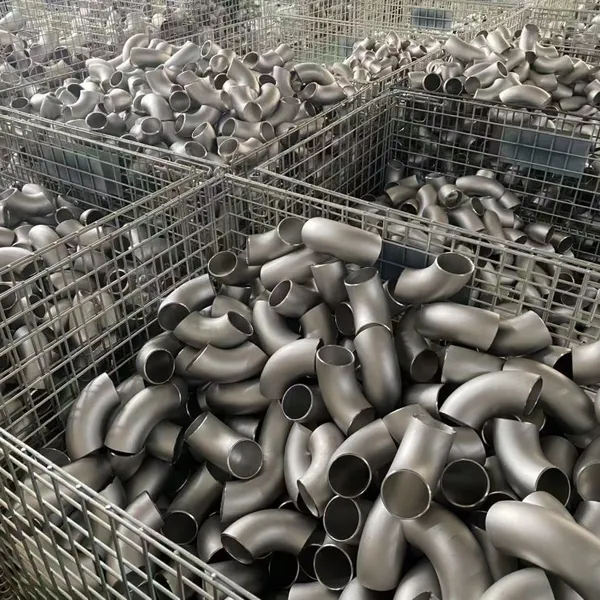
 Stainless Steel Elbow Welded Elbow 45/90/180-degree Seamless Pressed Elbow Long Radius Elbow Short Radius Elbow WholesaleNegotiableMOQ: 1 Piece
 -
316L/1.4405 Seamless Stainless Steel PipeNegotiableMOQ: 2 Meters
-
310s 440 Seamless Sanitary Piping Price 321 904l 201 20 Inch Seamless Steel Pipe A554 Stainless Steel PipeNegotiableMOQ: 1 Piece
-
China Brand ZZ Wholesale 304L 316 316L Welded Austenitic Piping Stainless Steel Pipe SupplierNegotiableMOQ: 2 Meters
-
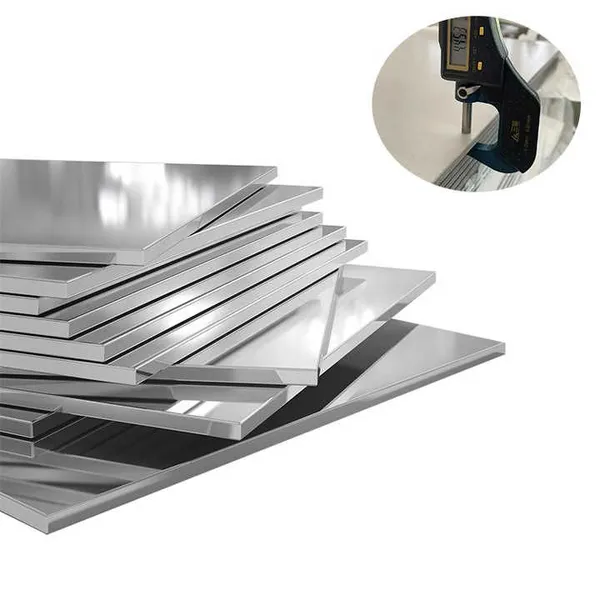
304/304L/316/409/410/904L/2205/2507/310H Premium Stainless Steel Sheets Supplier Custom Sizes & FinishesUS$ 1.72MOQ: 1 Ton
-
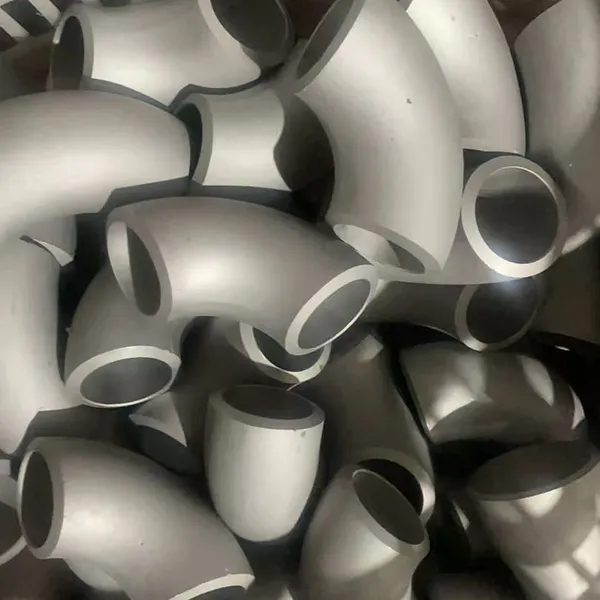
Stainless Steel ASME B16.9 Sch 45 90 Degree Pipe Fittings ElbowUS$ 8MOQ: 1 Piece
-
China Brand Zz 304L 316/316L GB En JIS Standard Thin Wall Welded Stainless Steel Water Pipe/TubeNegotiableMOQ: 2 Meters
-
BA 4 Inch 6 Inch 8 Inch 201 304 304L 316 316L Welded Seamless Stainless Steel PipeNegotiableMOQ: 2 Meters
-
ASME B36.19M-2004 SCH40S Stainless Steel Pipe - Complies With EU 3.1 CertificationUS$ 1 - 650MOQ: 1 Piece
-
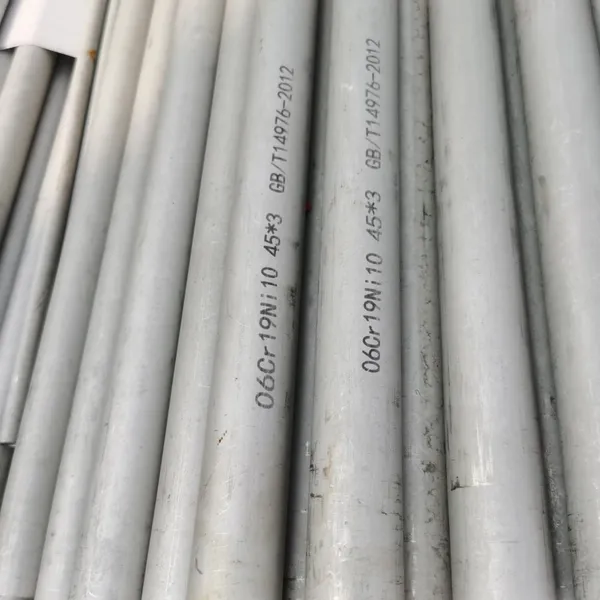
Factory TP309/TP309S/TP309H (UNS30900) Seamless Stainless Steel Pipe and Tube for Boiler BafflesUS$ 8MOQ: 200 Kilograms
-
TP347/TP347H/1.4961/S34709 Seamless Stainless Steel Pipe for UseNegotiableMOQ: 2 Meters
-
China 304 316 Stainless Steel Sanitary Welded Tube Food Grade Sanitary Grade Welded Pipe PolishingNegotiableMOQ: 1 Piece
-
China Manufacture Stainless Steel 316L Ba Seamless Welded Steel Pipe TubesUS$ 1760 - 1860MOQ: 5 Tons
-
316L/1.4405 Seamless Stainless Steel PipeNegotiableMOQ: 2 Meters
-
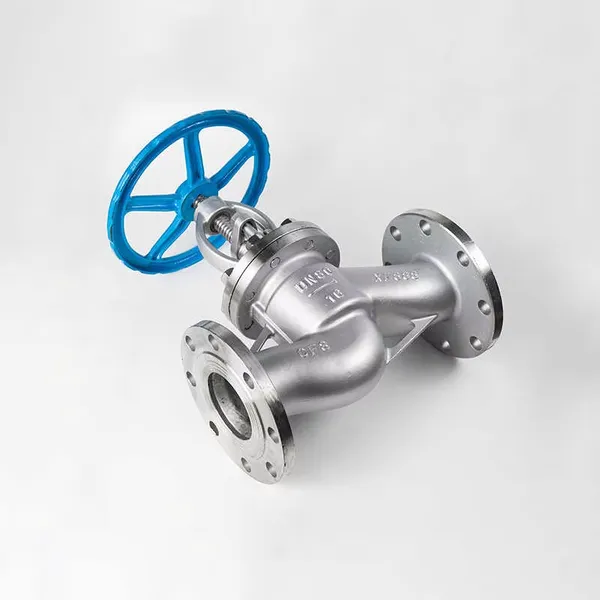
Stainless Steel Globe Valve – High Durability & Corrosion ResistanceNegotiableMOQ: 1 Piece
-
1.4529 Stainless Steel Flat Plate for Chemical Processing EquipmentUS$ 25 - 35MOQ: 1 Kilogram
-
Color Coated Steel Panels for Warehouse Partition Walls (Fireproof Grade)US$ 1 - 1.2MOQ: 50 Kilograms
-
Custom Width (600mm-1250mm) Colored Steel Coil With Scratch ResistanceUS$ 1 - 1.2MOQ: 50 Kilograms
-
0.5mm-3.0mm Colored Coated Steel Sheet With PVDF/Polyester CoatingUS$ 1 - 1.2MOQ: 50 Kilograms
-
JIS G 3322 Compliant Colored Coils With Third-Party Inspection ReportUS$ 1 - 1.2MOQ: 50 Kilograms