
 Business License

What problems may occur with LNG stainless steel pipes in a low-temperature environment
LNG stainless steel pipes exhibit significant differences in performance when exposed to a low temperature of -162℃ compared to normal temperature conditions. The main issues revolve around the deterioration of mechanical properties, structural deformation failure, decreased sealing reliability, and system compatibility faults. The specific details are as follows:
1. Degradation of mechanical properties: Insufficient toughness leads to brittle fracture
Low temperatures can alter the microstructure and mechanical properties of stainless steel, which is the core risk causing pipeline accidents:
Low-temperature embrittlement: If the low-temperature toughness (impact energy) of the pipe material or weld seam does not meet the standards (such as being lower than the requirement of ≥27J as stipulated in GB/T 24593), the material will transition from the "tough state" to the "brittle state" at low temperatures. Under slight external forces (such as vibration, impact), a sudden brittle fracture may occur without any warning, especially in the heat-affected zone (HAZ) of the weld seam due to the coarse grain structure, where the risk of embrittlement is even higher.
Strength and plasticity imbalance: Low temperatures cause the yield strength and tensile strength of stainless steel to increase, but the elongation and reduction of area significantly decrease (for example, the elongation of 316L stainless steel at -162℃ is about 30% lower than at room temperature), resulting in weakened resistance to deformation of the pipe. If there are residual stresses in the system (such as the stress generated by forced butt welding during installation), it is prone to cause local cracking.
2. Structural deformation and stress damage: Cold contraction and vibration combined damage
Under LNG conditions, "sudden temperature drop" and "system vibration" can cause irreversible structural damage to the pipe materials:
Low-temperature contraction and stress concentration: The expansion coefficient of stainless steel is relatively high (for example, 316L is approximately 16.5×10⁻⁶/℃). When the temperature drops from 25°C to -162°C, the contraction amount for every 10 meters of pipe length can reach 29mm. If there is not enough compensation (such as not setting a compensator or a natural compensation section), the contraction force will concentrate at the flange, valve interface or weld seam, causing the interface to warp, the weld seam to crack, and even pulling apart the interface of equipment such as storage tanks and pump bodies.
Increased wear and fatigue due to vibration: The operation of pumps and compressors in the LNG system generates continuous vibration. At low temperatures, the rigidity of pipes increases and the damping decreases, making the vibration energy more likely to be transmitted to the support points or connection areas. Long-term vibration can cause the insulation gaskets (such as polytetrafluoroethylene) between pipe clamps and pipes to wear, resulting in direct metal contact (causing cold bridges); at the same time, micro cracks will form at welds and bends due to "vibration fatigue", gradually expanding into macroscopic leaks.
3. Sealing reliability failure: Failure of sealing structure at low temperatures
The sealing system is the core protective component of the LNG pipeline. Low temperatures can cause failure of sealing parts or connection structures:
Sealing components cracking and shrinking: Ordinary rubber sealing components (such as nitrile rubber) will lose elasticity and undergo cracking at low temperatures. Even for low-temperature-resistant sealing components (such as EPDM, FKM), they will shrink due to low temperatures, resulting in insufficient compression - if no shrinkage allowance is reserved during normal temperature installation, gaps will occur at the sealing surface, causing LNG leakage (with the leakage volume reaching the explosion limit, there is a risk of combustion and explosion).
Flange connection loosening: If the bolt material does not match the pipe material (for example, carbon steel bolts are used with stainless steel flanges), the difference in contraction amounts between the two at low temperatures (the linear expansion coefficient of carbon steel is approximately 13×10⁻⁶/℃, which is lower than that of stainless steel) will cause the pre-tightening force of the bolt to decrease, and the sealing surface pressure of the flange to drop; moreover, the bolt's toughness is insufficient at low temperatures, and after repeated cold contraction and hot expansion, it may "brittle fracture", directly damaging the sealing structure.
4. System compatibility issues: Material-interaction failure with the medium
In low-temperature environments, the interaction between the pipe material and the internal medium of the system, as well as other components, will be exacerbated, leading to functional failures:
Electrochemical Corrosion and Cold Bridge Corrosion: If the support components and fasteners are made of carbon steel (instead of low-temperature resistant stainless steel), an "electrochemical couple" will form when in contact with the stainless steel pipe. At low temperatures, the trace moisture in the LNG (even after drying treatment may still remain) acts as an electrolyte, accelerating the corrosion of the carbon steel. At the same time, direct contact between the metal causes a "cold bridge", resulting in the transfer of cold from the pipe to the support structure. Water in the air condenses into ice on the surface of the support components, further exacerbating corrosion and structural freezing.
Impurity freezing and blockage: If the pipe materials were not thoroughly degreased and dried before installation (with residual oil, iron filings, and moisture), these impurities will freeze into hard particles at low temperatures. On one hand, these particles will wear down the pump impeller and valve sealing surfaces as they flow with the LNG, reducing the equipment's lifespan. On the other hand, fine particles may clog the flow meters and safety valve's throttling holes, causing the system pressure to become out of control or the metering to fail.
Recently Posted
-
Does the stainless steel welded pipe have specific temperature requirements during the solution heat
January 20, 2026Solution heat treatment involves heating stainless steel to a high temperature and then rapidly cooling it to achieve an oversatur Read More
 -
Can stainless steel welded pipes be made into thick pipes
January 20, 2026With the improvement of high-quality welding technology and increasingly strict weld inspection, the application fields of s Read More
 -
Three types of commonly available food-grade stainless steel on the market
January 20, 2026The common food-grade stainless steel pipes are mainly composed of iron, chromium and carbon and other elements. Household stainle Read More
 -
What are the requirements for stainless steel welding pipe production equipment
January 20, 2026As is well known, stainless steel welded pipes have been widely used in various industries such as machinery, chemical engineering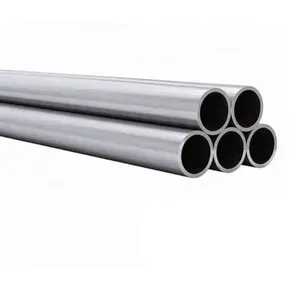 Read More

Contact Us
Recommended Products
-
 Stainless Steel Elbow Welded Elbow 45/90/180-degree Seamless Pressed Elbow Long Radius Elbow Short Radius Elbow WholesaleNegotiableMOQ: 1 Piece
 -
316L/1.4405 Seamless Stainless Steel PipeNegotiableMOQ: 2 Meters
-
310s 440 Seamless Sanitary Piping Price 321 904l 201 20 Inch Seamless Steel Pipe A554 Stainless Steel PipeNegotiableMOQ: 1 Piece
-
China Brand ZZ Wholesale 304L 316 316L Welded Austenitic Piping Stainless Steel Pipe SupplierNegotiableMOQ: 2 Meters
-
304/304L/316/409/410/904L/2205/2507/310H Premium Stainless Steel Sheets Supplier Custom Sizes & FinishesUS$ 1.72MOQ: 1 Ton
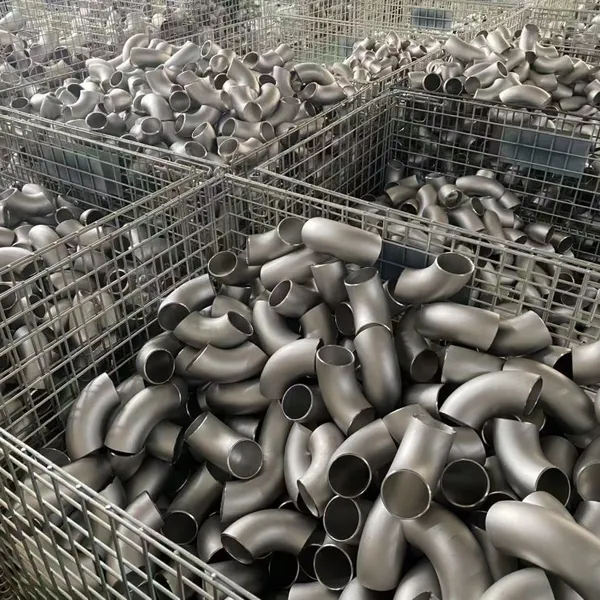
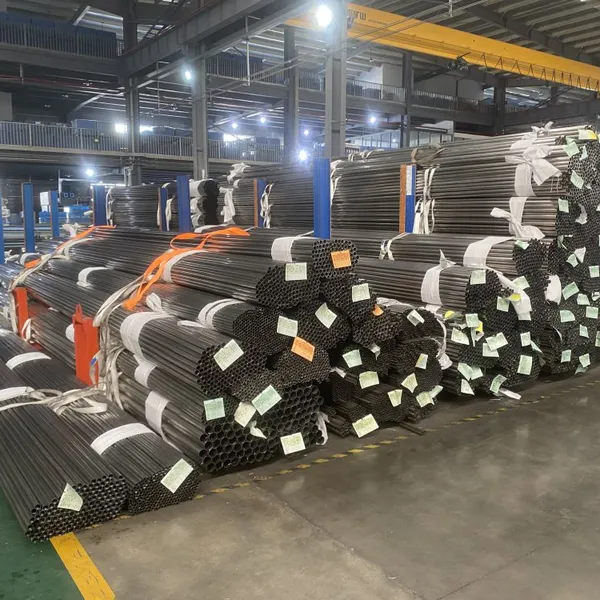
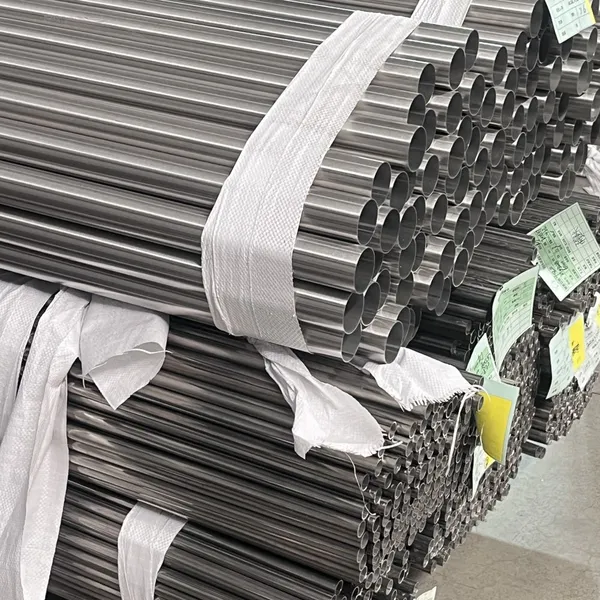
-
Stainless Steel ASME B16.9 Sch 45 90 Degree Pipe Fittings ElbowUS$ 8MOQ: 1 Piece
-
China Brand Zz 304L 316/316L GB En JIS Standard Thin Wall Welded Stainless Steel Water Pipe/TubeNegotiableMOQ: 2 Meters
-
BA 4 Inch 6 Inch 8 Inch 201 304 304L 316 316L Welded Seamless Stainless Steel PipeNegotiableMOQ: 2 Meters
-
ASME B36.19M-2004 SCH40S Stainless Steel Pipe - Complies With EU 3.1 CertificationUS$ 1 - 650MOQ: 1 Piece
-
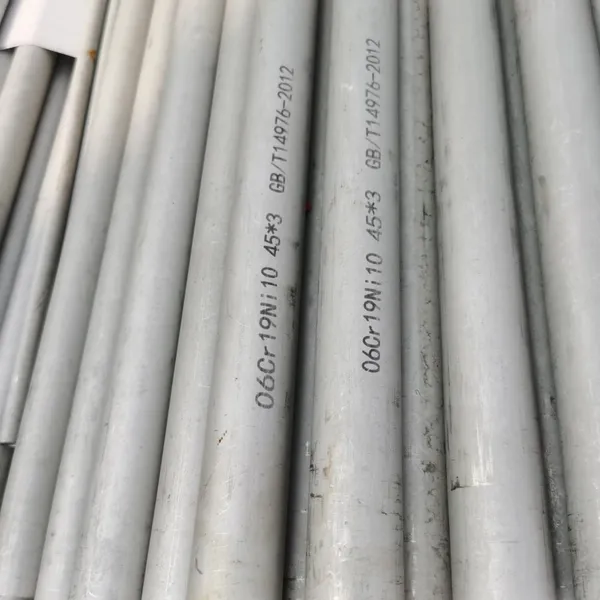
Factory TP309/TP309S/TP309H (UNS30900) Seamless Stainless Steel Pipe and Tube for Boiler BafflesUS$ 8MOQ: 200 Kilograms
-
TP347/TP347H/1.4961/S34709 Seamless Stainless Steel Pipe for UseNegotiableMOQ: 2 Meters
-
China 304 316 Stainless Steel Sanitary Welded Tube Food Grade Sanitary Grade Welded Pipe PolishingNegotiableMOQ: 1 Piece
-
China Manufacture Stainless Steel 316L Ba Seamless Welded Steel Pipe TubesUS$ 1760 - 1860MOQ: 5 Tons
-
316L/1.4405 Seamless Stainless Steel PipeNegotiableMOQ: 2 Meters
-
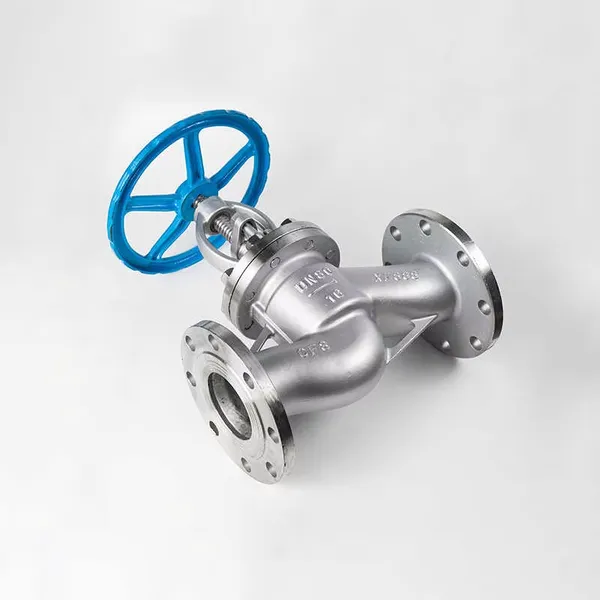
Stainless Steel Globe Valve – High Durability & Corrosion ResistanceNegotiableMOQ: 1 Piece
-
1.4529 Stainless Steel Flat Plate for Chemical Processing EquipmentUS$ 25 - 35MOQ: 1 Kilogram
-
Color Coated Steel Panels for Warehouse Partition Walls (Fireproof Grade)US$ 1 - 1.2MOQ: 50 Kilograms
-
Custom Width (600mm-1250mm) Colored Steel Coil With Scratch ResistanceUS$ 1 - 1.2MOQ: 50 Kilograms
-
0.5mm-3.0mm Colored Coated Steel Sheet With PVDF/Polyester CoatingUS$ 1 - 1.2MOQ: 50 Kilograms
-
JIS G 3322 Compliant Colored Coils With Third-Party Inspection ReportUS$ 1 - 1.2MOQ: 50 Kilograms