
 Business License

How to solve the problem of seal failure of stainless steel pipes for LNG in low-temperature environ
How to solve the problem of seal failure of stainless steel pipes for LNG in low-temperature environments?
To address the issue of seal failure in LNG stainless steel pipes under low-temperature conditions, it is necessary to approach from four core dimensions: seal selection, connection structure optimization, installation process control, and material matching, to form a comprehensive protection solution. The specific measures are as follows:
1. Precisely select low-temperature resistant sealing components: Match the elasticity and weather resistance for low-temperature working conditions
Sealing components are the first line of defense against leakage. Materials that can maintain elasticity and resist brittleness at low temperatures should be prioritized. The key selection criteria and recommended types are as follows:
Core performance requirements: Must meet a compression set rate of ≤20% at -162°C (LNG boiling point) (GB/T 7759 standard), tensile strength retention rate ≥70%, and be resistant to LNG medium swelling (swelling rate ≤5%).
Recommended seal types:
Static seals (flanges, valve interfaces): Preferably use perfluoroether rubber (FFKM) or modified ethylene propylene diene monomer (EPDM) gaskets. The former has the best low-temperature and chemical stability (can withstand -200°C to 260°C) and is suitable for high-pressure, high-purity LNG systems; the latter is lower in cost and suitable for medium and low-pressure conventional operating conditions. The use of nitrile rubber (NBR) and other materials that are prone to brittleness at low temperatures is strictly prohibited.
Dynamic seals (valve stems, pump shafts): Use a combination of filled polytetrafluoroethylene (PTFE) and metal springs. PTFE is resistant to low temperatures (-200°C) and has a low coefficient of friction, while the spring can compensate for the contraction of the seal at low temperatures to ensure continuous sealing pressure.
2. Optimize the flange connection structure: Compensate for low-temperature contraction and stress
Flange connections are high-risk areas for seal failure. Structural design is required to compensate for the gap in the sealing surface and the reduction in bolt preload caused by low-temperature contraction:
Adopt tongue and groove / male and female flange: Compared with flat flange, the sealing surface of tongue and groove flange is a "tongue - groove" mating structure, which can restrict the displacement of the sealing element at low temperatures and prevent the sealing surface from misalignment due to contraction; at the same time, the groove can store sealing grease (such as low-temperature silicone-based sealing grease), further enhancing the sealing performance.
Set up bolt preload force compensation structure:
Select low-temperature toughness bolts: The bolt material should match the pipe material (such as 316L stainless steel bolts with 316L flanges) to avoid the loss of preload force due to differences in linear expansion coefficients (such as different contraction amounts of carbon steel bolts and stainless steel flanges); critical parts can use low-temperature alloy bolts (such as Inconel 625), which have better low-temperature toughness and anti-relaxation properties.
Use disc spring washers: Install low-temperature resistant disc springs (material: 17-7PH stainless steel) between the bolts and flanges. The elastic deformation of the springs compensates for the contraction of the bolts at low temperatures, maintaining a constant contact pressure on the sealing surface and preventing the loss of preload force.
3. Strictly control installation procedures: Eliminate installation hazards
Operational deviations during the installation process are a significant cause of seal failure. The following installation requirements must be adhered to:
Seal surface pretreatment: The flange seal surface must be thoroughly degreased with alcohol and dried to remove oil stains, iron filings and other impurities (to avoid damage to the seal surface due to freezing at low temperatures); the surface roughness should be controlled within Ra 1.6-3.2μm (measured by a roughness meter), and there must be no scratches, depressions or other defects.
Bolt tightening process:
Use the diagonal step-by-step tightening method (tighten in a "cross" sequence in 3-4 steps) to ensure uniform force on the flange surface and avoid local warping;
Use a torque wrench to tighten to the designed torque (for example, the torque for M20 bolts is approximately 180-220N・m, which needs to be determined based on the bolt material and specification), and over-tightening (causing brittle fracture of the bolt) or under-tightening (insufficient preload) is strictly prohibited.
Reserve the contraction allowance for the seal: When installing at room temperature, the compression of the seal should be increased by 5%-10% compared to the design value (for example, if the designed compression is 2mm, it should be actually compressed to 2.1-2.2mm) to offset the contraction at low temperatures and ensure there is no gap in the seal surface.
4. Strengthen System Operation and Maintenance: Prevent Long-Term Failure
The long-term reliability of sealed systems must be ensured through regular maintenance and monitoring. Key measures include:
Regular leakage detection: After commissioning, use a helium mass spectrometer (with a sensitivity of ≤ 1×10⁻⁹ Pa・m³/s) to inspect flange and valve interfaces monthly, with a focus on weld heat-affected zones and bolted connections. When micro-leakage is detected, promptly tighten bolts or replace seals to prevent leakage from worsening.
Avoid sudden temperature changes: When starting or stopping the system, control the cooling / heating rate (≤5℃/min) by gradually adjusting the valve opening to prevent the sealing components from contracting / expanding sharply due to sudden temperature changes, which may cause the sealing surface to separate.
Sealing element replacement cycle management: Determine the replacement cycle based on the material of the sealing element (for example, FFKM sealing elements are recommended to be replaced every 3-5 years, and EPDM sealing elements are recommended to be replaced every 2-3 years). Even if no leakage is found, regular replacement is necessary to avoid sealing failure caused by material aging.
Recently Posted
-
Does the stainless steel welded pipe have specific temperature requirements during the solution heat
January 20, 2026Solution heat treatment involves heating stainless steel to a high temperature and then rapidly cooling it to achieve an oversatur Read More
 -
Can stainless steel welded pipes be made into thick pipes
January 20, 2026With the improvement of high-quality welding technology and increasingly strict weld inspection, the application fields of s Read More
 -
Three types of commonly available food-grade stainless steel on the market
January 20, 2026The common food-grade stainless steel pipes are mainly composed of iron, chromium and carbon and other elements. Household stainle Read More
 -
What are the requirements for stainless steel welding pipe production equipment
January 20, 2026As is well known, stainless steel welded pipes have been widely used in various industries such as machinery, chemical engineering Read More

Contact Us
Recommended Products
-
 Stainless Steel Elbow Welded Elbow 45/90/180-degree Seamless Pressed Elbow Long Radius Elbow Short Radius Elbow WholesaleNegotiableMOQ: 1 Piece
 -
316L/1.4405 Seamless Stainless Steel PipeNegotiableMOQ: 2 Meters
-
310s 440 Seamless Sanitary Piping Price 321 904l 201 20 Inch Seamless Steel Pipe A554 Stainless Steel PipeNegotiableMOQ: 1 Piece
-
China Brand ZZ Wholesale 304L 316 316L Welded Austenitic Piping Stainless Steel Pipe SupplierNegotiableMOQ: 2 Meters
-
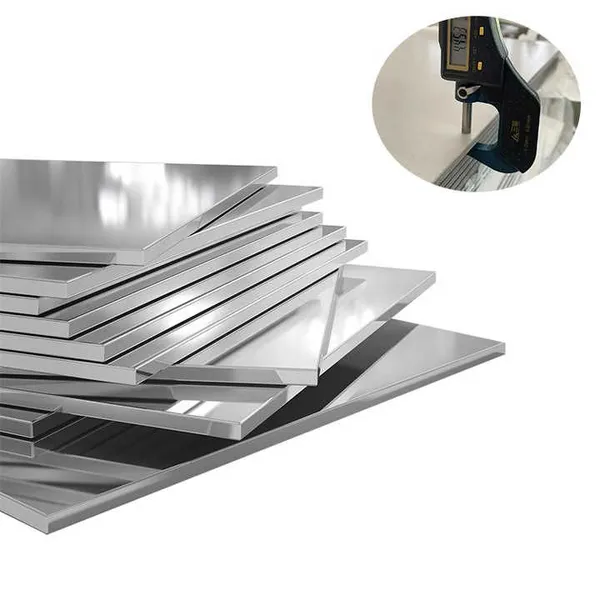
304/304L/316/409/410/904L/2205/2507/310H Premium Stainless Steel Sheets Supplier Custom Sizes & FinishesUS$ 1.72MOQ: 1 Ton
-
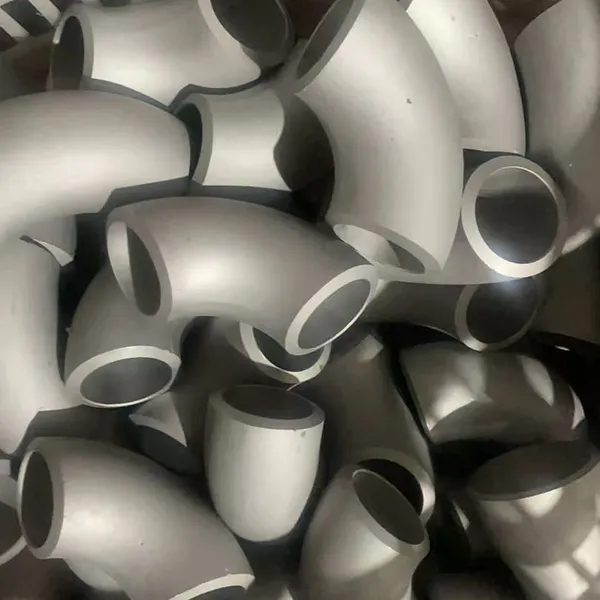
Stainless Steel ASME B16.9 Sch 45 90 Degree Pipe Fittings ElbowUS$ 8MOQ: 1 Piece
-
China Brand Zz 304L 316/316L GB En JIS Standard Thin Wall Welded Stainless Steel Water Pipe/TubeNegotiableMOQ: 2 Meters
-
BA 4 Inch 6 Inch 8 Inch 201 304 304L 316 316L Welded Seamless Stainless Steel PipeNegotiableMOQ: 2 Meters
-
ASME B36.19M-2004 SCH40S Stainless Steel Pipe - Complies With EU 3.1 CertificationUS$ 1 - 650MOQ: 1 Piece
-
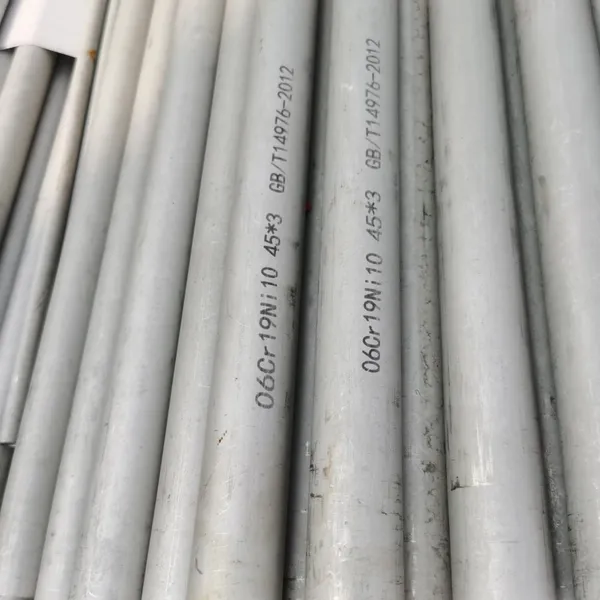
Factory TP309/TP309S/TP309H (UNS30900) Seamless Stainless Steel Pipe and Tube for Boiler BafflesUS$ 8MOQ: 200 Kilograms
-
TP347/TP347H/1.4961/S34709 Seamless Stainless Steel Pipe for UseNegotiableMOQ: 2 Meters
-
China 304 316 Stainless Steel Sanitary Welded Tube Food Grade Sanitary Grade Welded Pipe PolishingNegotiableMOQ: 1 Piece
-
China Manufacture Stainless Steel 316L Ba Seamless Welded Steel Pipe TubesUS$ 1760 - 1860MOQ: 5 Tons
-
316L/1.4405 Seamless Stainless Steel PipeNegotiableMOQ: 2 Meters
-
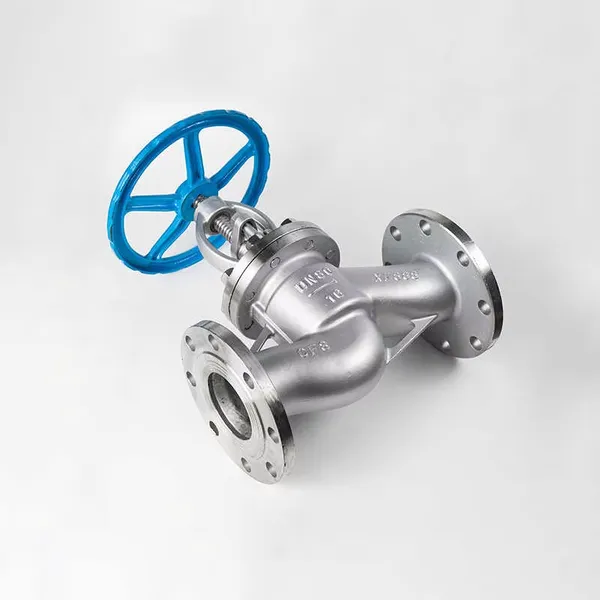
Stainless Steel Globe Valve – High Durability & Corrosion ResistanceNegotiableMOQ: 1 Piece
-
1.4529 Stainless Steel Flat Plate for Chemical Processing EquipmentUS$ 25 - 35MOQ: 1 Kilogram
-
Color Coated Steel Panels for Warehouse Partition Walls (Fireproof Grade)US$ 1 - 1.2MOQ: 50 Kilograms
-
Custom Width (600mm-1250mm) Colored Steel Coil With Scratch ResistanceUS$ 1 - 1.2MOQ: 50 Kilograms
-
0.5mm-3.0mm Colored Coated Steel Sheet With PVDF/Polyester CoatingUS$ 1 - 1.2MOQ: 50 Kilograms
-
JIS G 3322 Compliant Colored Coils With Third-Party Inspection ReportUS$ 1 - 1.2MOQ: 50 Kilograms