
 Business License

What are the advantages of vacuum drying method in the drying treatment of stainless steel pipes
In the drying process of stainless steel pipes in LNG systems, the core objective is to control the moisture content within the pipes at an extremely low level (typically ≤100mg/m³, and ≤50mg/m³ in some stringent conditions), to prevent water from freezing and blocking the pipes at low temperatures, damaging valve seals, or reacting with impurities in LNG to form corrosive media (such as H₂O + CO₂ → carbonic acid, which intensifies pitting corrosion of stainless steel). The vacuum drying method is one of the mainstream technologies in the industry, and its advantages stem from its precise adaptation to the "low temperature, low residue, high safety" conditions of LNG operations. This can be elaborated from the dimensions of drying efficiency, drying depth, safety, and compatibility, etc.
1. Extremely deep drying depth: Meeting the core requirement of "ultra-low moisture" in LNG systems
The tolerance for moisture in LNG systems is much lower than that in conventional industrial pipelines (such as ordinary gas pipelines where the moisture requirement is ≤ 500mg/m³). The vacuum drying method, through a negative pressure environment, accelerates the phase change and removal of moisture, achieving a deep drying effect that is difficult to reach with other drying methods (such as purging drying and adsorption drying):
Principle of operation: Under vacuum conditions (typically, the pressure inside the pipeline is reduced to ≤10Pa, or even ≤1Pa), the saturated vapor pressure of water significantly decreases (for example, the boiling point of water at normal pressure is 100℃, but at a negative pressure of 1Pa, the boiling point can drop to -19℃). Even if there is residual liquid water or adsorbed water in the pipeline, it can quickly vaporize at room temperature (or with slight heating, usually ≤80℃), forming water vapor which is directly removed by the vacuum pump.
The actual effect: It can stably reduce the water content in the pipeline to 30-80mg/m³, fully meeting and even exceeding the strict standards of the LNG system; while traditional nitrogen purging and drying is limited by the "water-carrying capacity of the gas", usually only reaching 200-500mg/m³, requiring multiple purges to approach the qualified line, and it is difficult to completely remove the residual water in the folds and weld depressions on the inner wall of the pipeline.
2. High drying efficiency: Shorten construction period and reduce system commissioning costs
LNG projects typically involve long-distance pipelines (such as the transfer pipes from the terminal to the storage tanks, with individual segments reaching hundreds of meters in length) and complex pipe fittings (such as elbows, tees, and valves). The drying efficiency directly affects the overall project duration. The high efficiency of vacuum drying is reflected in:
No need for repeated cycles: Compared with the "nitrogen purging - detection - re-purging" cycle mode (each purging takes several hours and may require 3-5 cycles), the vacuum drying method, through the process of "vacuuming → pressure holding detection → re-vacuuming", usually controls the drying time of a single pipeline within 24-48 hours (depending on the pipeline volume and the power of the vacuum equipment), with an efficiency improvement of over 50%.
Targeted removal of "dead corner moisture": The weld beads, oxide scale gaps, and valve core grooves on the inner walls of pipelines are weak points in blow-drying (where nitrogen gas flow is difficult to reach). However, the negative pressure generated by vacuum creates a "global suction force", which promotes the vaporization of moisture in these dead corners and its flow towards the negative pressure area, thus avoiding the failure of drying due to the residual moisture in certain areas.
III. No Risk of Residual Medium: Ensuring LNG Purity and Pipeline Safety
As a high-purity cryogenic medium (with methane content typically ≥ 95%), LNG strictly prohibits the presence of residual drying media within the pipeline, such as nitrogen used for purging or molecular sieve powder used for adsorption drying. Otherwise, it may lead to a decrease in LNG purity, reduced combustion efficiency, and even pose safety hazards. The vacuum drying method fundamentally eliminates the issue of "residual medium":
No introduction of external media: The entire drying process is achieved solely through "air extraction + moisture removal", without injecting any gases (such as nitrogen) or solids (such as adsorbents) into the pipeline. After drying, only a trace amount of inert gas (mainly residual nitrogen that was not completely extracted, typically ≤ 0.1%) remains in the pipeline. There is no need for an additional "purge cleaning" step, and it directly meets the purity requirements for LNG transportation.
Avoid secondary contamination by adsorbents: In the adsorption drying method, molecular sieves and other adsorbents are placed inside the pipeline. If the adsorbent particles break or fall off, they may enter the downstream equipment (such as storage tanks, pumps, and vaporizers) along with LNG, clogging filters or wearing down mechanical components. However, the vacuum drying method does not have such risks and offers better protection for the inner walls of the pipeline and downstream equipment.
4. Good compatibility with pipe materials: No risk of corrosion or damage
Although stainless steel pipes (such as 316L) used in LNG systems have excellent corrosion resistance, their performance may still deteriorate if they come into contact with corrosive media or high temperatures during the drying process. The friendliness of the vacuum drying method towards pipe materials is reflected in:
Low-temperature / Room-temperature operation: During the drying process, only the outer wall of the pipeline needs to be slightly heated (typically ≤ 80°C, achieved through electric tracing or hot air circulation), which is far below the "sensitization temperature" of stainless steel (the sensitization temperature of 316L is approximately 450-850°C). This can prevent the precipitation of Cr₂₃C₆ at the grain boundaries (i.e., "sensitization corrosion"), ensuring the low-temperature toughness and corrosion resistance of the stainless steel pipe.
Under conditions without electrochemical corrosion: When nitrogen is used for purging and drying, if the nitrogen contains trace amounts of oxygen or moisture, a "wet oxygen environment" may form on the inner walls of the pipes, causing slight electrochemical corrosion. However, in a vacuum environment, the oxygen content is extremely low (≤0.01%), and moisture is continuously removed. There are no "electrolytes (water)" and "oxidants (oxygen)" required for corrosion reactions, completely eliminating the risk of corrosion during the drying process.
V. Direct verification of drying effect: Facilitates quality control
The verification of the drying quality of the LNG system is a crucial step. The "visual" verification advantage of the vacuum drying method is significant, which can avoid the problem of "false drying":
The degree of dryness can be directly determined through a "pressure-holding test": During the drying process, when the vacuum degree inside the pipeline reaches the target value (such as ≤10Pa), the vacuum pump is turned off for "pressure holding". If the vacuum degree does not increase significantly within the specified time (such as 2 hours) (usually the pressure recovery is ≤1Pa/h), it indicates that the moisture inside the pipeline has been basically removed (no pressure increase caused by water vaporization); while for purging drying, the dryness is indirectly judged by "measuring the dew point of the outlet gas with a dew point meter", which is greatly affected by environmental temperature and gas flow rate, and it is prone to misjudgment that "the outlet meets the standard but there is still residual moisture inside the pipeline".
Data traceability: During the vacuum drying process, parameters such as the pumping capacity of the vacuum pump, pressure changes in the pipeline, and the heating temperature of the outer wall can be recorded in real time, forming a complete drying report. This facilitates quality traceability for the owner and the supervisory party, meeting the management requirement of "full-process compliance" in LNG projects.
VI. Adaptation to Complex Pipeline Layouts: No "Blind Spot" Limitations
LNG system stainless steel pipes often include long straight sections, multi-curvature bends, and multi-branch fittings (such as manifolds). Traditional drying methods are often restricted by layout, but the "negative pressure full coverage" feature of vacuum drying can adapt to complex scenarios:
No reliance on air flow direction: Nitrogen purging drying requires the design of "air inlet - air outlet" based on the slope and direction of the pipeline, otherwise "air flow dead corners" may form in low-lying sections or blind ends; while vacuum drying achieves uniform negative pressure throughout the entire pipeline by setting vacuum pump interfaces at both ends or key nodes of the pipeline, ensuring consistent drying results regardless of straight, curved or branch pipes.
Suitable for large-diameter / long-distance pipelines: For large-diameter pipelines with a diameter of DN500 or above, or long-distance pipelines over 1,000 meters in length, the vacuum drying method can avoid the decline in drying efficiency caused by the excessive volume of the pipeline through the approach of "segmental vacuuming + intermediate vacuuming", while the purging drying method requires a significant increase in nitrogen flow rate (with high energy consumption) and it is difficult to ensure the drying effect at the far end.
Summary: Comparison of the Advantages of Vacuum Drying with Other Mainstream Drying Methods
Vacuum Drying Method
Drying depth (mg/m³): 30 - 80 (Suitable for harsh working conditions)
Drying efficiency: High (24 - 48 hours / section)
Residual medium risk: None (only trace amounts of inert gas)
Pipe compatibility: Good (normal temperature / low temperature, non-corrosive)
Complex layout adaptability: Excellent (full-domain negative pressure, no dead corners)
Nitrogen purging and drying
Drying depth (mg/m³): 200 - 500 (Multiple purges required)
Drying efficiency: Low (72 - 120 hours per section)
Residual medium risk: Nitrogen may remain (needs to be displaced)
Pipe compatibility: General (May cause wet oxygen corrosion)
Complex layout adaptability: Poor (Dependent on airflow, prone to leaving blind spots)
Adsorption drying method
Drying depth (mg/m³): 50 - 100 (easily residual adsorbent)
Drying efficiency: Medium (48 - 72 hours per section)
Residual medium risk: Possible residual adsorbent powder
Pipe compatibility: Moderate (the adsorbent may wear the inner wall)
Complex layout adaptability: Medium (Additional adsorption units need to be set for branch pipes)
In conclusion, the vacuum drying method, with its comprehensive advantages of "deep drying + high efficiency and low residue + safety and compatibility", perfectly matches the core requirements of stainless steel pipes in LNG systems for "ultra-low moisture, no pollution, and high reliability", and has become one of the preferred technologies for drying treatment in current LNG projects (such as receiving stations, storage tanks, and transmission pipelines).
Recently Posted
-
Does the stainless steel welded pipe have specific temperature requirements during the solution heat
January 20, 2026Solution heat treatment involves heating stainless steel to a high temperature and then rapidly cooling it to achieve an oversatur Read More
 -
Can stainless steel welded pipes be made into thick pipes
January 20, 2026With the improvement of high-quality welding technology and increasingly strict weld inspection, the application fields of s Read More
 -
Three types of commonly available food-grade stainless steel on the market
January 20, 2026The common food-grade stainless steel pipes are mainly composed of iron, chromium and carbon and other elements. Household stainle Read More
 -
What are the requirements for stainless steel welding pipe production equipment
January 20, 2026As is well known, stainless steel welded pipes have been widely used in various industries such as machinery, chemical engineering Read More

Contact Us
Recommended Products
-
 Stainless Steel Elbow Welded Elbow 45/90/180-degree Seamless Pressed Elbow Long Radius Elbow Short Radius Elbow WholesaleNegotiableMOQ: 1 Piece
 -
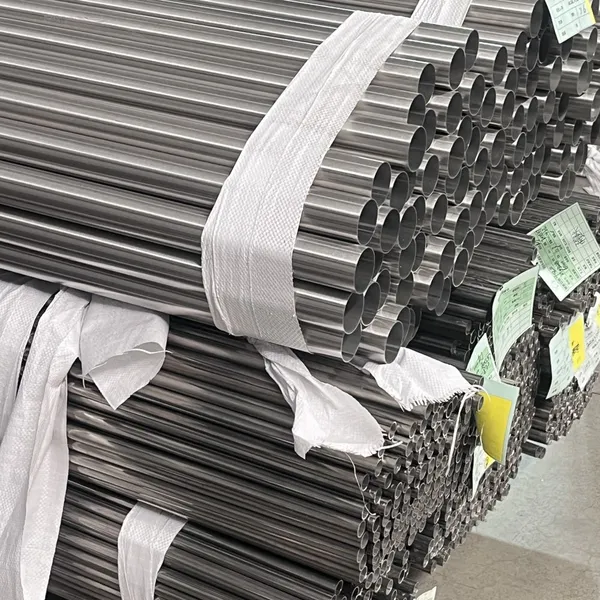
316L/1.4405 Seamless Stainless Steel PipeNegotiableMOQ: 2 Meters
-
310s 440 Seamless Sanitary Piping Price 321 904l 201 20 Inch Seamless Steel Pipe A554 Stainless Steel PipeNegotiableMOQ: 1 Piece
-
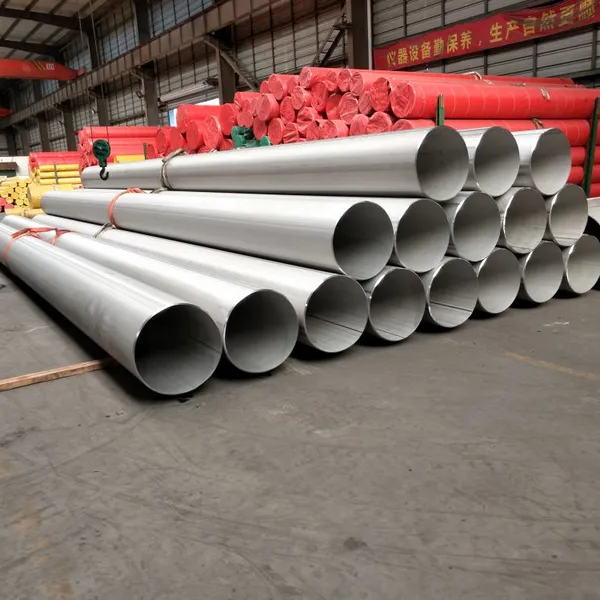
China Brand ZZ Wholesale 304L 316 316L Welded Austenitic Piping Stainless Steel Pipe SupplierNegotiableMOQ: 2 Meters
-
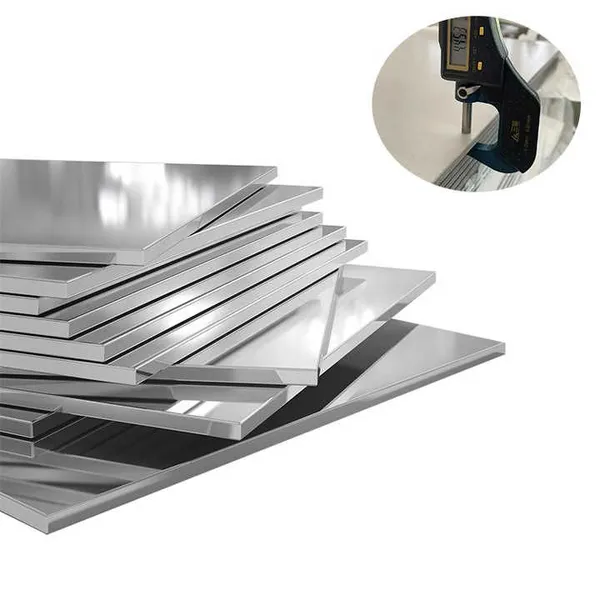
304/304L/316/409/410/904L/2205/2507/310H Premium Stainless Steel Sheets Supplier Custom Sizes & FinishesUS$ 1.72MOQ: 1 Ton
-
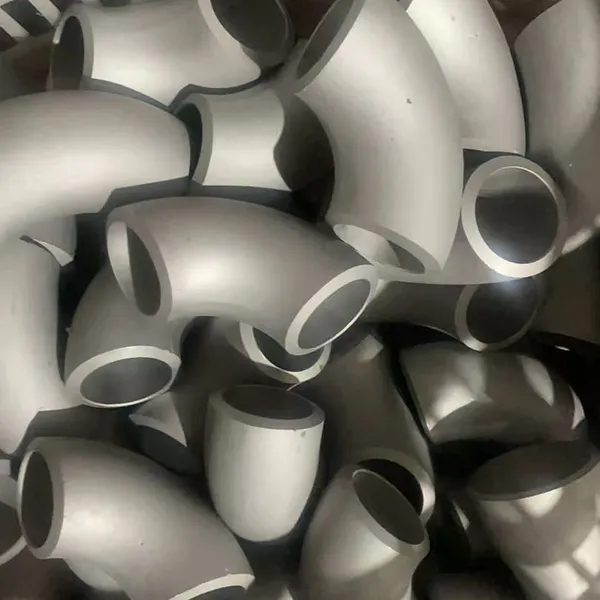
Stainless Steel ASME B16.9 Sch 45 90 Degree Pipe Fittings ElbowUS$ 8MOQ: 1 Piece
-
China Brand Zz 304L 316/316L GB En JIS Standard Thin Wall Welded Stainless Steel Water Pipe/TubeNegotiableMOQ: 2 Meters
-
BA 4 Inch 6 Inch 8 Inch 201 304 304L 316 316L Welded Seamless Stainless Steel PipeNegotiableMOQ: 2 Meters
-
ASME B36.19M-2004 SCH40S Stainless Steel Pipe - Complies With EU 3.1 CertificationUS$ 1 - 650MOQ: 1 Piece
-
Factory TP309/TP309S/TP309H (UNS30900) Seamless Stainless Steel Pipe and Tube for Boiler BafflesUS$ 8MOQ: 200 Kilograms
-
TP347/TP347H/1.4961/S34709 Seamless Stainless Steel Pipe for UseNegotiableMOQ: 2 Meters
-
China 304 316 Stainless Steel Sanitary Welded Tube Food Grade Sanitary Grade Welded Pipe PolishingNegotiableMOQ: 1 Piece
-
China Manufacture Stainless Steel 316L Ba Seamless Welded Steel Pipe TubesUS$ 1760 - 1860MOQ: 5 Tons
-
316L/1.4405 Seamless Stainless Steel PipeNegotiableMOQ: 2 Meters
-
Stainless Steel Globe Valve – High Durability & Corrosion ResistanceNegotiableMOQ: 1 Piece
-
1.4529 Stainless Steel Flat Plate for Chemical Processing EquipmentUS$ 25 - 35MOQ: 1 Kilogram
-
Color Coated Steel Panels for Warehouse Partition Walls (Fireproof Grade)US$ 1 - 1.2MOQ: 50 Kilograms
-
Custom Width (600mm-1250mm) Colored Steel Coil With Scratch ResistanceUS$ 1 - 1.2MOQ: 50 Kilograms
-
0.5mm-3.0mm Colored Coated Steel Sheet With PVDF/Polyester CoatingUS$ 1 - 1.2MOQ: 50 Kilograms
-
JIS G 3322 Compliant Colored Coils With Third-Party Inspection ReportUS$ 1 - 1.2MOQ: 50 Kilograms