
 Business License

How is the corrosion resistance of 904L stainless steel at different temperatures
Due to its alloy composition of high chromium (23%-28%), high nickel (19%-23%), high molybdenum (4%-5%), and copper (1.0%-1.5%), 904L stainless steel demonstrates excellent corrosion resistance over a wide temperature range. However, as the temperature rises, its corrosion resistance will be affected to a certain extent, as detailed below:
At normal temperature (≤60℃): extremely strong corrosion resistance
At normal temperature, 904L demonstrates outstanding resistance to a variety of corrosive media:
In neutral or weakly acidic environments, such as ultrapure water and dilute organic acids (citric acid, acetic acid), the passivation film is stable and there is almost no corrosion (corrosion rate ≤ 0.01mm/year).
Chloride ion environment: It can resist pitting and crevice corrosion even in a 3% NaCl solution (critical pitting temperature CPT ≈ 50℃), which is much higher than that of 316L (CPT ≈ 25℃).
In slightly oxidizing media, such as dilute nitric acid (≤10% concentration), the corrosion resistance is stable with no obvious corrosion.
2. Medium to high temperatures (60 - 150℃): Corrosion resistance slightly decreases but still outperforms conventional stainless steel. As temperature rises, it accelerates the corrosion reaction. The corrosion resistance of 904L is more significantly affected by the type of medium:
Neutral / weakly corrosive media: In purified water (80-120℃), the corrosion rate remains low (≤0.05mm/year), making it suitable for semiconductor hot water cleaning pipelines.
When the chloride ion concentration is relatively high, such as in a 2% NaCl solution at 80℃, the risk of pitting corrosion increases. However, the critical pitting temperature is still higher than that of 316L (904L ≈ 40℃ vs 316L ≈ 10℃), and it can still be tolerated for a short period.
Oxidizing medium: In 50% nitric acid (80°C), its corrosion resistance is superior to that of 316L, but uniform corrosion may occur over long-term use (rate ≈ 0.1 - 0.3 mm/year).
3. High temperature (>150℃): Corrosion resistance significantly decreases, use with caution.
Strong corrosive media: In highly corrosive environments such as high-temperature (180℃) concentrated hydrochloric acid and sulfuric acid, the passive film of 904L is prone to damage, and the corrosion rate increases significantly (>0.5mm/year). It is not recommended for use.
Steam / Hot water: In saturated steam (100 - 121℃) or high-pressure hot water, if the water quality is pure (low chloride ions), short-term operation is still possible, but the formation of oxide scale should be regularly inspected.
Summary
The corrosion resistance of 904L is best in low-chloride and weakly corrosive environments at normal to medium temperatures (≤120℃), making it suitable for applications such as semiconductor ultra-pure water and the transportation of weak acids in the chemical industry. However, at high temperatures (>150℃) or in strongly corrosive media, its advantages diminish. In such cases, a specific assessment of the working conditions is necessary, and in some cases, it may be advisable to apply anti-corrosion coatings or choose more heat-resistant nickel-based alloys. Compared with 316L, 904L has superior corrosion resistance across the entire temperature range, especially in medium-temperature environments with chloride ions.
Recently Posted
-
Does the stainless steel welded pipe have specific temperature requirements during the solution heat
January 20, 2026Solution heat treatment involves heating stainless steel to a high temperature and then rapidly cooling it to achieve an oversatur Read More
 -
Can stainless steel welded pipes be made into thick pipes
January 20, 2026With the improvement of high-quality welding technology and increasingly strict weld inspection, the application fields of s Read More
 -
Three types of commonly available food-grade stainless steel on the market
January 20, 2026The common food-grade stainless steel pipes are mainly composed of iron, chromium and carbon and other elements. Household stainle Read More
 -
What are the requirements for stainless steel welding pipe production equipment
January 20, 2026As is well known, stainless steel welded pipes have been widely used in various industries such as machinery, chemical engineering Read More

Contact Us
Recommended Products
-
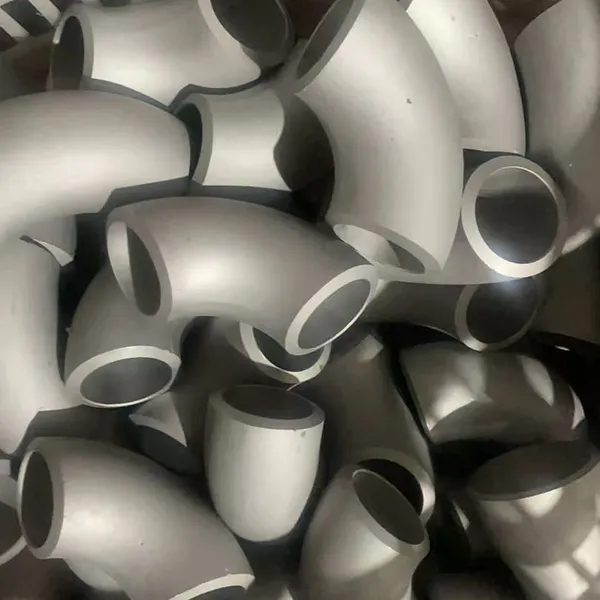
 Stainless Steel Elbow Welded Elbow 45/90/180-degree Seamless Pressed Elbow Long Radius Elbow Short Radius Elbow WholesaleNegotiableMOQ: 1 Piece
 -
316L/1.4405 Seamless Stainless Steel PipeNegotiableMOQ: 2 Meters
-
310s 440 Seamless Sanitary Piping Price 321 904l 201 20 Inch Seamless Steel Pipe A554 Stainless Steel PipeNegotiableMOQ: 1 Piece
-
China Brand ZZ Wholesale 304L 316 316L Welded Austenitic Piping Stainless Steel Pipe SupplierNegotiableMOQ: 2 Meters
-
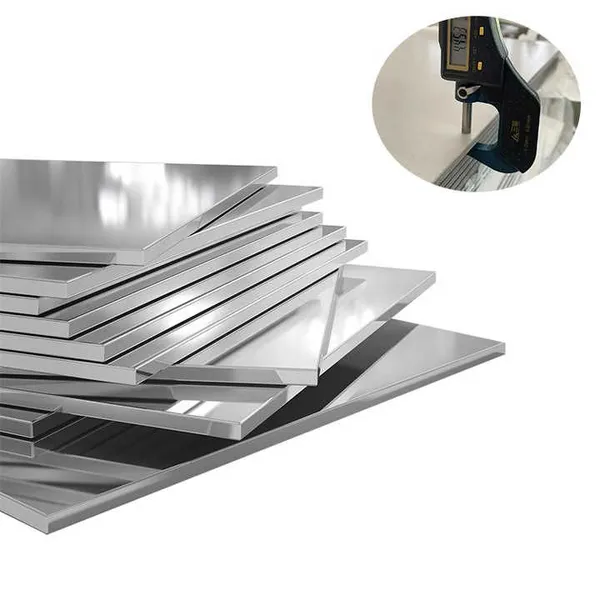
304/304L/316/409/410/904L/2205/2507/310H Premium Stainless Steel Sheets Supplier Custom Sizes & FinishesUS$ 1.72MOQ: 1 Ton
-
Stainless Steel ASME B16.9 Sch 45 90 Degree Pipe Fittings ElbowUS$ 8MOQ: 1 Piece
-
China Brand Zz 304L 316/316L GB En JIS Standard Thin Wall Welded Stainless Steel Water Pipe/TubeNegotiableMOQ: 2 Meters
-
BA 4 Inch 6 Inch 8 Inch 201 304 304L 316 316L Welded Seamless Stainless Steel PipeNegotiableMOQ: 2 Meters
-
ASME B36.19M-2004 SCH40S Stainless Steel Pipe - Complies With EU 3.1 CertificationUS$ 1 - 650MOQ: 1 Piece
-
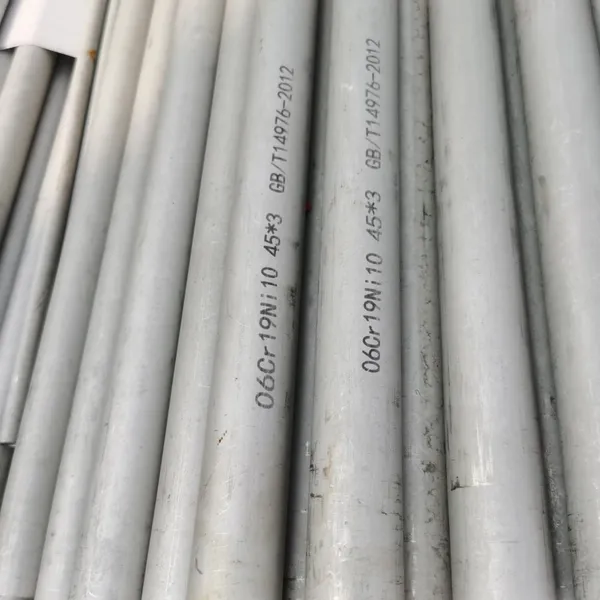
Factory TP309/TP309S/TP309H (UNS30900) Seamless Stainless Steel Pipe and Tube for Boiler BafflesUS$ 8MOQ: 200 Kilograms
-
TP347/TP347H/1.4961/S34709 Seamless Stainless Steel Pipe for UseNegotiableMOQ: 2 Meters
-
China 304 316 Stainless Steel Sanitary Welded Tube Food Grade Sanitary Grade Welded Pipe PolishingNegotiableMOQ: 1 Piece
-
China Manufacture Stainless Steel 316L Ba Seamless Welded Steel Pipe TubesUS$ 1760 - 1860MOQ: 5 Tons
-
316L/1.4405 Seamless Stainless Steel PipeNegotiableMOQ: 2 Meters
-
Stainless Steel Globe Valve – High Durability & Corrosion ResistanceNegotiableMOQ: 1 Piece
-
World's Most Affordable Color-Coated Steel Sheets - 0.3mm to 3mm Thickness - Mill Test Report IncludedUS$ 1102MOQ: 10 Kilograms
-
Color-Coated Steel Sheets With 15-Year Fade Warranty - JIS G 3322 Standard CompliantUS$ 1102MOQ: 10 Kilograms
-
Prefab Building Material - 0.4mm Color-Coated Corrugated Sheets - 100,000㎡ Monthly OutputUS$ 1102MOQ: 10 Kilograms
-
Industrial-Grade Color-Coated Sheets - 150-250g/m² Zinc Coating - Weather & UV ResistantUS$ 1102MOQ: 10 Kilograms
-
Factory-Direct Color-Coated Steel Plates - PVDF/Polyester Coating - 1220mm Standard WidthUS$ 1102MOQ: 10 Kilograms