
 Business License

What are the key process steps for manufacturing BA-grade stainless steel welded pipes
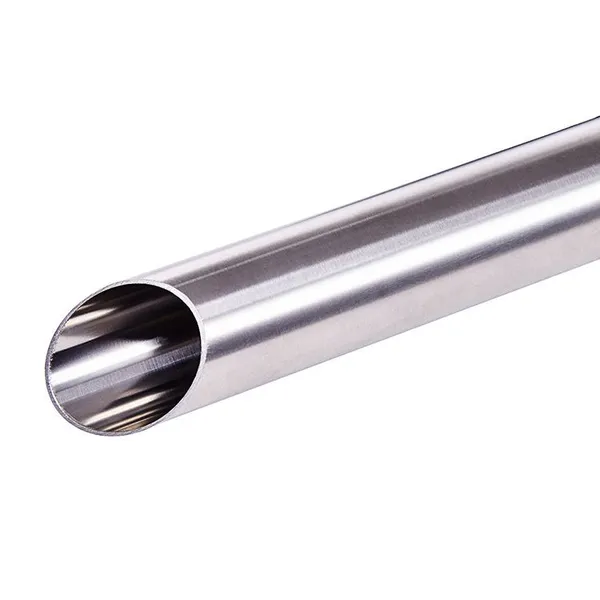
The production of BA-grade stainless steel welded tubes requires precise control through multiple processes to achieve high surface cleanliness and brightness. The key process steps are as follows:
1. Raw Material Selection and Pretreatment
Ultra-low carbon stainless steel strips (such as 316L, C ≤ 0.03%) are selected to ensure that the content of impurity elements (S, P) is ≤ 0.015%, avoiding the precipitation of contaminants after annealing.
The surface of the steel strip is cold-rolled to Ra ≤ 0.1 μm to remove oxide scale and rolling defects, and then ultrasonically cleaned with a neutral cleaner. After drying, the dew point is controlled below -40°C to prevent secondary contamination.
2. Forming and Welding Control
Precision roll bending forming is adopted to ensure the butt joint gap of the tube blank is no more than 0.1mm, avoiding spatter during welding due to excessive gap.
Automatic TIG welding is used, with 99.999% pure argon gas back protection inside the tube (flow rate 8-12L/min), the welding current is stabilized at 120-150A, and the arc voltage is controlled at 10-12V to prevent oxidation or spatter adhesion on the inner surface.
3. Online bright annealing
The annealing temperature is controlled at 1050-1100℃, and the holding time is adjusted according to the wall thickness (usually 1-3 minutes) to ensure the complete dissolution of carbides.
High-purity argon gas (oxygen content ≤ 10 ppm, dew point ≤ -60℃) is introduced into the furnace, and rapid cooling (cooling rate ≥ 50℃/s) is adopted to prevent the precipitation of chromium and the formation of chromium-depleted zones.
4. Precision Straightening and Surface Finishing
Multi-roll straightening machines are used to control the straightness to ≤ 0.5mm/m, avoiding surface scratches caused by mechanical stress.
Wool or nylon wheels are used for non-abrasive polishing to remove welding marks and minor imperfections, ensuring a bright and uniform surface (gloss ≥ 800GU).
5. Final Inspection and Clean Packaging
The inner surface is inspected by endoscope (no impurities or oxidation points larger than 0.05mm are allowed), and the outer surface is measured for roughness (Ra ≤ 0.05μm) using a white light interferometer.
Sealed packaging with polyethylene film is carried out in a Class 100 clean room to prevent fingerprints and dust from adhering during transportation, ultimately achieving a highly clean and bright surface that meets BA grade standards.
These steps must be carried out in a clean environment throughout the process, and the parameter fluctuations at each stage need to be controlled within ±2% to ensure that the welded tubes meet the strict requirements of high-end fields such as semiconductors and biomedicine.
Recently Posted
-
Does the stainless steel welded pipe have specific temperature requirements during the solution heat
January 20, 2026Solution heat treatment involves heating stainless steel to a high temperature and then rapidly cooling it to achieve an oversatur Read More
 -
Can stainless steel welded pipes be made into thick pipes
January 20, 2026With the improvement of high-quality welding technology and increasingly strict weld inspection, the application fields of s Read More
 -
Three types of commonly available food-grade stainless steel on the market
January 20, 2026The common food-grade stainless steel pipes are mainly composed of iron, chromium and carbon and other elements. Household stainle Read More
 -
What are the requirements for stainless steel welding pipe production equipment
January 20, 2026As is well known, stainless steel welded pipes have been widely used in various industries such as machinery, chemical engineering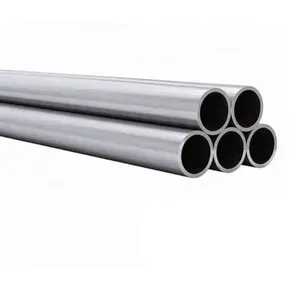 Read More

Contact Us
Recommended Products
-
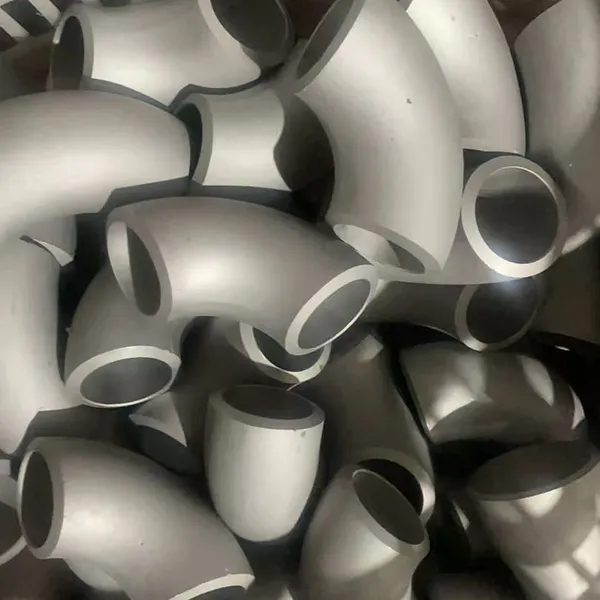
 Stainless Steel Elbow Welded Elbow 45/90/180-degree Seamless Pressed Elbow Long Radius Elbow Short Radius Elbow WholesaleNegotiableMOQ: 1 Piece
 -
316L/1.4405 Seamless Stainless Steel PipeNegotiableMOQ: 2 Meters
-
310s 440 Seamless Sanitary Piping Price 321 904l 201 20 Inch Seamless Steel Pipe A554 Stainless Steel PipeNegotiableMOQ: 1 Piece
-
China Brand ZZ Wholesale 304L 316 316L Welded Austenitic Piping Stainless Steel Pipe SupplierNegotiableMOQ: 2 Meters
-
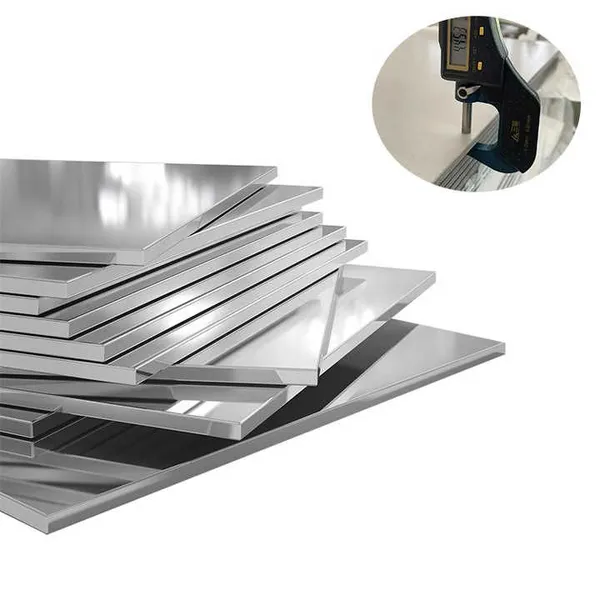
304/304L/316/409/410/904L/2205/2507/310H Premium Stainless Steel Sheets Supplier Custom Sizes & FinishesUS$ 1.72MOQ: 1 Ton
-
Stainless Steel ASME B16.9 Sch 45 90 Degree Pipe Fittings ElbowUS$ 8MOQ: 1 Piece
-
China Brand Zz 304L 316/316L GB En JIS Standard Thin Wall Welded Stainless Steel Water Pipe/TubeNegotiableMOQ: 2 Meters
-
BA 4 Inch 6 Inch 8 Inch 201 304 304L 316 316L Welded Seamless Stainless Steel PipeNegotiableMOQ: 2 Meters
-
ASME B36.19M-2004 SCH40S Stainless Steel Pipe - Complies With EU 3.1 CertificationUS$ 1 - 650MOQ: 1 Piece
-
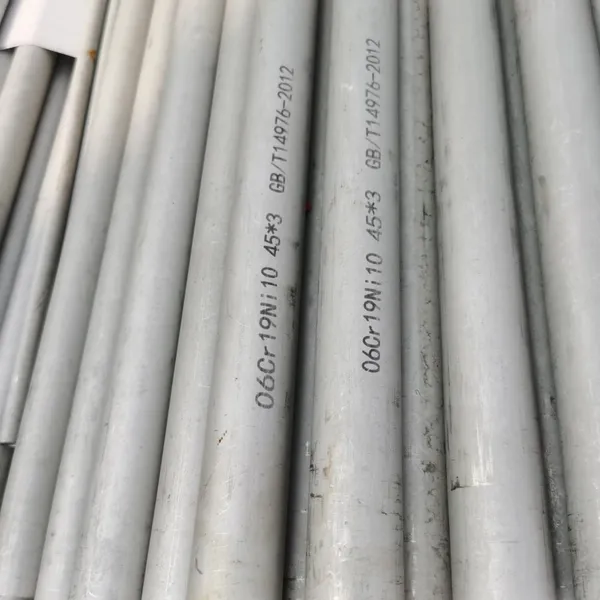
Factory TP309/TP309S/TP309H (UNS30900) Seamless Stainless Steel Pipe and Tube for Boiler BafflesUS$ 8MOQ: 200 Kilograms
-
TP347/TP347H/1.4961/S34709 Seamless Stainless Steel Pipe for UseNegotiableMOQ: 2 Meters
-
China 304 316 Stainless Steel Sanitary Welded Tube Food Grade Sanitary Grade Welded Pipe PolishingNegotiableMOQ: 1 Piece
-
China Manufacture Stainless Steel 316L Ba Seamless Welded Steel Pipe TubesUS$ 1760 - 1860MOQ: 5 Tons
-
316L/1.4405 Seamless Stainless Steel PipeNegotiableMOQ: 2 Meters
-
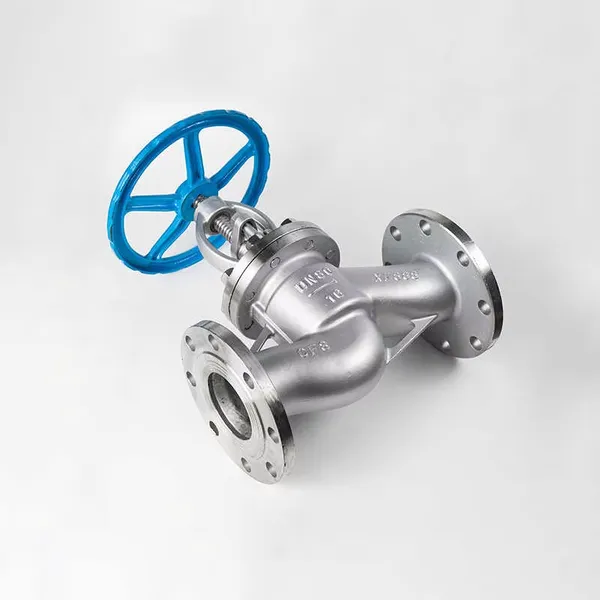
Stainless Steel Globe Valve – High Durability & Corrosion ResistanceNegotiableMOQ: 1 Piece
-
1.4529 Stainless Steel Flat Plate for Chemical Processing EquipmentUS$ 25 - 35MOQ: 1 Kilogram
-
Color Coated Steel Panels for Warehouse Partition Walls (Fireproof Grade)US$ 1 - 1.2MOQ: 50 Kilograms
-
Custom Width (600mm-1250mm) Colored Steel Coil With Scratch ResistanceUS$ 1 - 1.2MOQ: 50 Kilograms
-
0.5mm-3.0mm Colored Coated Steel Sheet With PVDF/Polyester CoatingUS$ 1 - 1.2MOQ: 50 Kilograms
-
JIS G 3322 Compliant Colored Coils With Third-Party Inspection ReportUS$ 1 - 1.2MOQ: 50 Kilograms