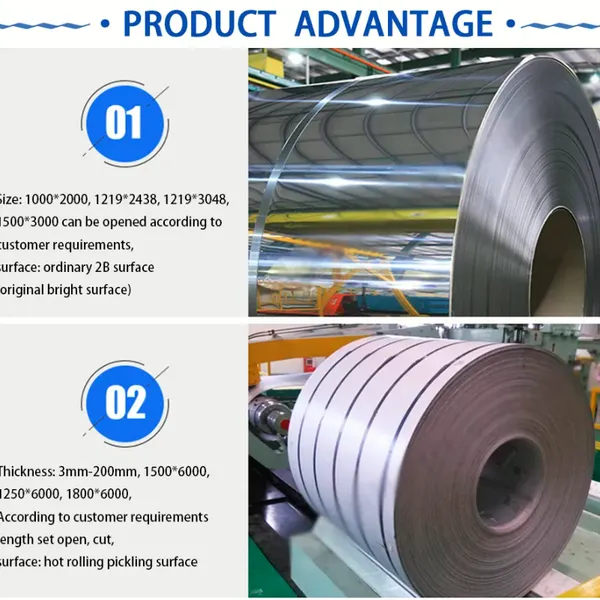

 Business License

What effects does shot peening have on the properties of austenitic stainless steel
What effects does shot peening have on the properties of austenitic stainless steel?
The influence of shot peening strengthening on the properties of austenitic stainless steel mainly manifests in multiple dimensions such as mechanics, surface and corrosion resistance. The details are as follows:
1. Mechanical performance optimization
Significant improvement in fatigue strength: Residual compressive stress of -800 to -1200 MPa is introduced on the surface, which inhibits the initiation of fatigue cracks. The fatigue life of 304 stainless steel can be extended by 2 times, and the fatigue strength can be increased by 30% to 50%.
Hardness and wear resistance are enhanced: The hardness of the surface increases from HV200 to HV300 to 400 due to work hardening, and the wear resistance is improved by 1 to 3 times, suitable for wear-resistant parts such as pump shafts and valves.
II. Surface Performance Improvement
Controllable surface roughness adjustment: By controlling the particle size (0.1 - 2.0mm) of the projectiles, the surface roughness Ra can be adjusted within the range of 0.5 - 5.0μm, balancing the requirements for friction reduction and anti-adhesion wear (for example, when Ra = 1.0μm, the friction coefficient decreases by 20%).
Enhanced passivation film performance: The induced lattice distortion by shot peening promotes the diffusion of Cr elements, resulting in an increase of 30% in the thickness of the passivation film and an increase of more than 500 hours in the corrosion resistance time of the neutral salt spray test.
III. Corrosion Resistance and Stress Corrosion Prevention
Stress Corrosion Cracking (SCC) inhibition: In an environment with Cl⁻, compressive stress can counteract 60% to 80% of tensile stress, reducing the risk of SCC. For example, the service life of seawater heat exchanger tubes has been extended by 3 times.
Electrochemical corrosion resistance improvement: The density of the passivation film increases, and the corrosion potential of 316L stainless steel in acidic medium shifts positively by 100 to 200 mV, and the corrosion current density decreases by 40%.
IV. Process Compatibility and Function Expansion
Non-thermal processing advantages: Room temperature treatment does not alter the matrix structure, avoiding deformation during heat treatment (deformation of thin-walled parts <0.05mm), suitable for precision parts.
Enhanced coating adhesion: Rough surfaces provide mechanical anchoring for PVD/CVD coatings, the adhesion of TiN coatings increases from 50N to 120N, improving the composite protection performance.
Typical data comparison (taking 304 stainless steel as an example)
Fatigue strength (MPa)
Untreated: 200
After shot peening treatment: 280 - 300
Improvement rate: 40% - 50%
Surface hardness (HV)
Untreated: 200
After shot peening treatment: 320 - 350
Improvement rate: 60% - 75%
Salt spray test (h)
Untreated: 500
After shot peening treatment: >1000
Increase rate: >100%
Coefficient of friction
Untreated: 0.6
After shot peening treatment: 0.48
Improvement percentage: 20%
In conclusion, shot peening strengthening achieves the synergistic improvement of multiple properties of austenitic stainless steel through physical metallurgical methods, significantly expanding its service range in fields such as aerospace and petrochemicals.
Recently Posted
-
Does the stainless steel welded pipe have specific temperature requirements during the solution heat
January 20, 2026Solution heat treatment involves heating stainless steel to a high temperature and then rapidly cooling it to achieve an oversatur Read More
 -
Can stainless steel welded pipes be made into thick pipes
January 20, 2026With the improvement of high-quality welding technology and increasingly strict weld inspection, the application fields of s Read More
 -
Three types of commonly available food-grade stainless steel on the market
January 20, 2026The common food-grade stainless steel pipes are mainly composed of iron, chromium and carbon and other elements. Household stainle Read More
 -
What are the requirements for stainless steel welding pipe production equipment
January 20, 2026As is well known, stainless steel welded pipes have been widely used in various industries such as machinery, chemical engineering Read More

Contact Us
Recommended Products
-
 Stainless Steel Elbow Welded Elbow 45/90/180-degree Seamless Pressed Elbow Long Radius Elbow Short Radius Elbow WholesaleNegotiableMOQ: 1 Piece
 -
316L/1.4405 Seamless Stainless Steel PipeNegotiableMOQ: 2 Meters
-
310s 440 Seamless Sanitary Piping Price 321 904l 201 20 Inch Seamless Steel Pipe A554 Stainless Steel PipeNegotiableMOQ: 1 Piece
-
China Brand ZZ Wholesale 304L 316 316L Welded Austenitic Piping Stainless Steel Pipe SupplierNegotiableMOQ: 2 Meters
-
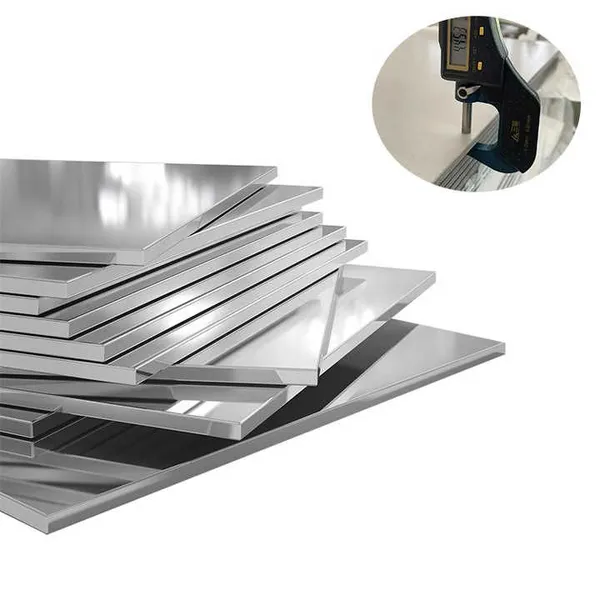
304/304L/316/409/410/904L/2205/2507/310H Premium Stainless Steel Sheets Supplier Custom Sizes & FinishesUS$ 1.72MOQ: 1 Ton
-
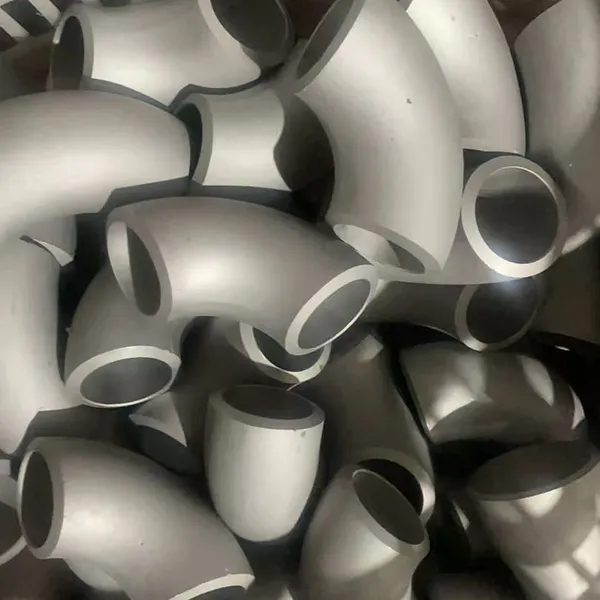
Stainless Steel ASME B16.9 Sch 45 90 Degree Pipe Fittings ElbowUS$ 8MOQ: 1 Piece
-
China Brand Zz 304L 316/316L GB En JIS Standard Thin Wall Welded Stainless Steel Water Pipe/TubeNegotiableMOQ: 2 Meters
-
BA 4 Inch 6 Inch 8 Inch 201 304 304L 316 316L Welded Seamless Stainless Steel PipeNegotiableMOQ: 2 Meters
-
ASME B36.19M-2004 SCH40S Stainless Steel Pipe - Complies With EU 3.1 CertificationUS$ 1 - 650MOQ: 1 Piece
-
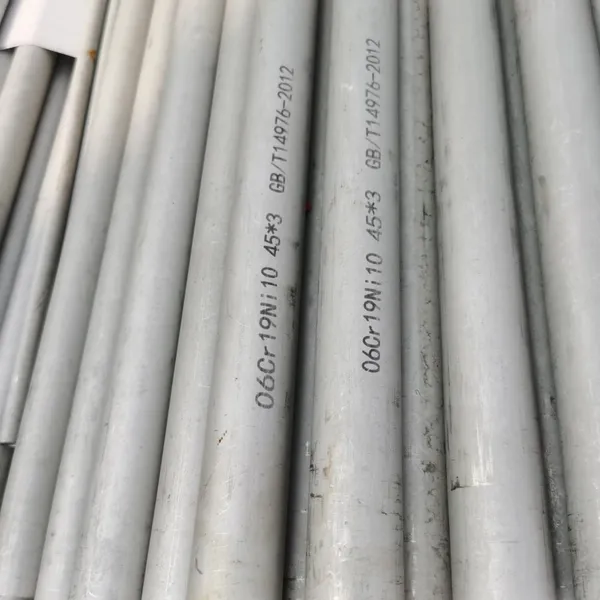
Factory TP309/TP309S/TP309H (UNS30900) Seamless Stainless Steel Pipe and Tube for Boiler BafflesUS$ 8MOQ: 200 Kilograms
-
TP347/TP347H/1.4961/S34709 Seamless Stainless Steel Pipe for UseNegotiableMOQ: 2 Meters
-
China 304 316 Stainless Steel Sanitary Welded Tube Food Grade Sanitary Grade Welded Pipe PolishingNegotiableMOQ: 1 Piece
-
China Manufacture Stainless Steel 316L Ba Seamless Welded Steel Pipe TubesUS$ 1760 - 1860MOQ: 5 Tons
-
316L/1.4405 Seamless Stainless Steel PipeNegotiableMOQ: 2 Meters
-
Stainless Steel Globe Valve – High Durability & Corrosion ResistanceNegotiableMOQ: 1 Piece
-
1.4529 Stainless Steel Flat Plate for Chemical Processing EquipmentUS$ 25 - 35MOQ: 1 Kilogram
-
Color Coated Steel Panels for Warehouse Partition Walls (Fireproof Grade)US$ 1 - 1.2MOQ: 50 Kilograms
-
Custom Width (600mm-1250mm) Colored Steel Coil With Scratch ResistanceUS$ 1 - 1.2MOQ: 50 Kilograms
-
0.5mm-3.0mm Colored Coated Steel Sheet With PVDF/Polyester CoatingUS$ 1 - 1.2MOQ: 50 Kilograms
-
JIS G 3322 Compliant Colored Coils With Third-Party Inspection ReportUS$ 1 - 1.2MOQ: 50 Kilograms