
 Business License

How can the surface quality of 2205 duplex stainless steel seamless pipes be guaranteed after degrea
How can the surface quality of 2205 duplex stainless steel seamless pipes be guaranteed after degreasing treatment?
2205 Duplex Stainless Steel Seamless Pipe Degreasing Post-Processing Surface Quality Assurance Measures
I. Cleaning and Drying Control
Precise Cleaning: Remove residual degreasers using deionized water or distilled water, combined with ultrasonic enhanced cleaning to avoid salt or chemical crystallization.
Drying Process: Use dust-free hot air blow drying (temperature ≤ 80℃) or vacuum drying to prevent oxidation or microbial adhesion.
II. Environmental and Operating Specifications
Clean Environment: Work in a Class 10000 or higher cleanroom, personnel wear anti-static dust-free suits, and tools are disinfected with ethanol.
Anti-abrasion Measures: Use nylon or wooden tools during operation to avoid metal contact and scratching the surface passivation film.
III. Storage and Transportation Protection
Packaging Materials: Wrap with PE film or dust-free paper, avoid contact with sulfur and chlorine materials, and use anti-static foam as padding inside.
Storage Conditions: Store in a warehouse with humidity <40% RH, temperature 15-25℃, away from acid mist and oil sources, and the shelves need to be passivated.
Transport Requirements: Transport in a closed container, disinfect the vehicle before loading, and avoid jolting and collision.
IV. Process Connection and Testing
Timely Passivation: Complete passivation within 24 hours after degreasing (e.g., nitric acid + hydrofluoric acid solution), enhancing corrosion resistance.
Surface Testing:
Visual Inspection: No oil stains, watermarks, or scratches;
White Cotton Cloth Wiping Test: No pigment residue;
Contact Angle Test: Water film continuous (contact angle <10°);
Roughness Detection: Ra ≤ 0.8μm (for medical grade, ≤ 0.4μm).
V. Special Requirements (Characteristics of Duplex Steel)
Avoid Strong Acid and Alkali Residues: 2205 is sensitive to chloride ions, the chlorine ion content in the cleaning water should be <25ppm to prevent pitting corrosion.
Temperature Control: The drying and subsequent processing temperatures should not exceed 120℃ to avoid σ phase precipitation affecting corrosion resistance.
Through the "cleaning - environment - storage - testing" full-process control, it is ensured that the surface after degreasing is free of residues and damages, and the unique corrosion resistance and mechanical properties of duplex steel are maintained.
Recently Posted
-
Does the stainless steel welded pipe have specific temperature requirements during the solution heat
January 20, 2026Solution heat treatment involves heating stainless steel to a high temperature and then rapidly cooling it to achieve an oversatur Read More
 -
Can stainless steel welded pipes be made into thick pipes
January 20, 2026With the improvement of high-quality welding technology and increasingly strict weld inspection, the application fields of s Read More
 -
Three types of commonly available food-grade stainless steel on the market
January 20, 2026The common food-grade stainless steel pipes are mainly composed of iron, chromium and carbon and other elements. Household stainle Read More
 -
What are the requirements for stainless steel welding pipe production equipment
January 20, 2026As is well known, stainless steel welded pipes have been widely used in various industries such as machinery, chemical engineering Read More

Contact Us
Recommended Products
-
 Stainless Steel Elbow Welded Elbow 45/90/180-degree Seamless Pressed Elbow Long Radius Elbow Short Radius Elbow WholesaleNegotiableMOQ: 1 Piece
 -
316L/1.4405 Seamless Stainless Steel PipeNegotiableMOQ: 2 Meters
-
310s 440 Seamless Sanitary Piping Price 321 904l 201 20 Inch Seamless Steel Pipe A554 Stainless Steel PipeNegotiableMOQ: 1 Piece
-
China Brand ZZ Wholesale 304L 316 316L Welded Austenitic Piping Stainless Steel Pipe SupplierNegotiableMOQ: 2 Meters
-
304/304L/316/409/410/904L/2205/2507/310H Premium Stainless Steel Sheets Supplier Custom Sizes & FinishesUS$ 1.72MOQ: 1 Ton
-
Stainless Steel ASME B16.9 Sch 45 90 Degree Pipe Fittings ElbowUS$ 8MOQ: 1 Piece
-
China Brand Zz 304L 316/316L GB En JIS Standard Thin Wall Welded Stainless Steel Water Pipe/TubeNegotiableMOQ: 2 Meters
-
BA 4 Inch 6 Inch 8 Inch 201 304 304L 316 316L Welded Seamless Stainless Steel PipeNegotiableMOQ: 2 Meters
-
ASME B36.19M-2004 SCH40S Stainless Steel Pipe - Complies With EU 3.1 CertificationUS$ 1 - 650MOQ: 1 Piece
-
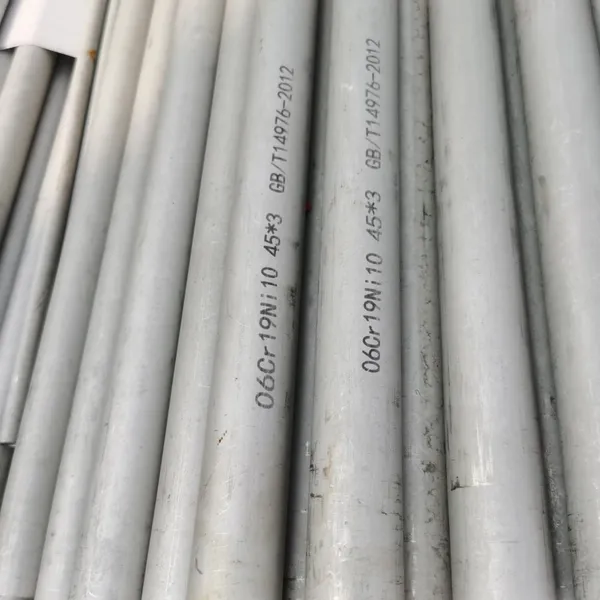
Factory TP309/TP309S/TP309H (UNS30900) Seamless Stainless Steel Pipe and Tube for Boiler BafflesUS$ 8MOQ: 200 Kilograms
-
TP347/TP347H/1.4961/S34709 Seamless Stainless Steel Pipe for UseNegotiableMOQ: 2 Meters
-
China 304 316 Stainless Steel Sanitary Welded Tube Food Grade Sanitary Grade Welded Pipe PolishingNegotiableMOQ: 1 Piece
-
China Manufacture Stainless Steel 316L Ba Seamless Welded Steel Pipe TubesUS$ 1760 - 1860MOQ: 5 Tons
-
316L/1.4405 Seamless Stainless Steel PipeNegotiableMOQ: 2 Meters
-
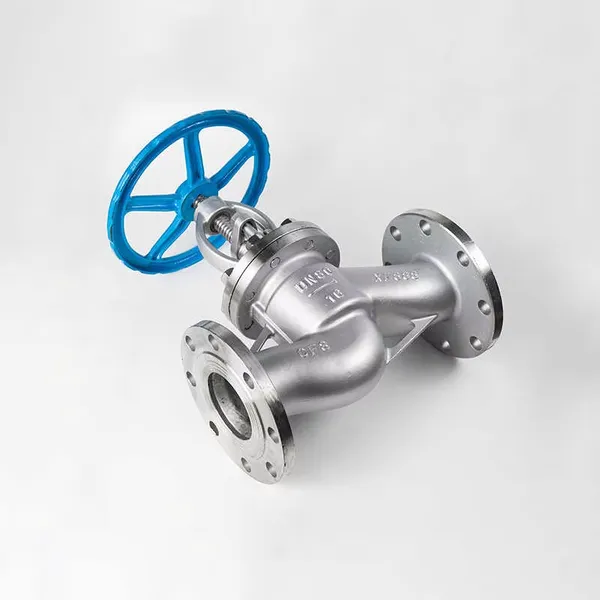
Stainless Steel Globe Valve – High Durability & Corrosion ResistanceNegotiableMOQ: 1 Piece
-
World's Most Affordable Color-Coated Steel Sheets - 0.3mm to 3mm Thickness - Mill Test Report IncludedUS$ 1102MOQ: 10 Kilograms
-
Color-Coated Steel Sheets With 15-Year Fade Warranty - JIS G 3322 Standard CompliantUS$ 1102MOQ: 10 Kilograms
-
Prefab Building Material - 0.4mm Color-Coated Corrugated Sheets - 100,000㎡ Monthly OutputUS$ 1102MOQ: 10 Kilograms
-
Industrial-Grade Color-Coated Sheets - 150-250g/m² Zinc Coating - Weather & UV ResistantUS$ 1102MOQ: 10 Kilograms
-
Factory-Direct Color-Coated Steel Plates - PVDF/Polyester Coating - 1220mm Standard WidthUS$ 1102MOQ: 10 Kilograms