
 Business License

What are the application scenarios of chemical polishing and mechanical polishing
What are the application scenarios of chemical polishing and mechanical polishing?
The application scenarios of chemical polishing and mechanical polishing vary significantly due to differences in process characteristics. The details are as follows:
1. Typical application scenarios of chemical polishing
Complex structure workpieces:
Medical devices (such as surgical instruments, implants): Require high precision surface smoothness, and the structures are mostly irregular (such as tubes, bends). Chemical polishing can uniformly treat the inner walls and blind corners.
Food and pharmaceutical equipment: Stainless steel pipes, reaction vessels, etc. Require no residues on the surface and easy cleaning. Chemical polishing can avoid the residue of mechanical polishing's scratches.
Aerospace components: Such as titanium alloy blades, aluminum alloy shells, etc. Need to balance lightweight and surface oxidation resistance. Chemical polishing can be batch processed without affecting material properties.
Batch production scenarios:
Bathroom hardware (toilets, shower heads): Require high brightness and large batch size. Chemical polishing has high efficiency and good consistency.
Electronic component casings: Such as stainless steel mobile phone frames. Complex curved surfaces can be achieved with uniform luster through chemical polishing, without the need for multiple changes of grinding tools.
2. Typical application scenarios of mechanical polishing
1. Regular shape high-precision workpieces:
Automotive parts (pistons, inner walls of cylinders): Require extremely low roughness (Ra ≤ 0.1 μm). Mechanical polishing achieves mirror-like effect through step-by-step grinding.
Precise molds (injection molds, die-casting molds): Surface accuracy directly affects the demolding quality of the product. Mechanical polishing can control the texture direction (such as mirror, matte).
Optical element bases: Aluminum or copper parts, need to be installed with optical lenses. Mechanical polishing ensures flatness and roughness compliance.
2. Customization requirements for surface textures:
Decorative components (watch cases, jewelry): Specific textures (such as sun patterns, matte surfaces) can be achieved through processes like mechanical sandblasting and sanding. Chemical polishing cannot produce such effects.
Electronic device heat sinks: The aluminum profiles need to be mechanically polished to remove burrs while maintaining the regularity of the heat dissipation grooves.
III. Comparison Summary of Application Scenarios
Chemical polishing is more suitable
Workpiece shape: complex curved surfaces, internal cavities, and irregular parts (such as pipes, impellers)
Precision requirements: general smoothness (Ra 0.2~1 μm), priority given to uniform gloss
Production scale: large quantities, low cost requirements (such as daily-use accessory parts)
Surface function: anti-corrosion, easy cleaning (such as medical, food equipment)
Mechanical polishing is more applicable.
Workpiece shapes: Regular shapes such as flat surfaces and cylindrical surfaces (e.g. plates, shafts)
Precision requirements: Ultra-high precision (Ra <0.1μm), texture orientation control
Production scale: Small batch, high precision customization (such as high-end molds, aerospace parts)
Surface functions: Wear resistance, decorative texture (such as automotive accessories, electronic product shells)
Core logic: Chemical polishing excels with "efficiency and adaptability", suitable for batch processing of complex components; Mechanical polishing is superior with "precision and flexibility", suitable for high-end customization of regular components.
Recently Posted
-
Does the stainless steel welded pipe have specific temperature requirements during the solution heat
January 20, 2026Solution heat treatment involves heating stainless steel to a high temperature and then rapidly cooling it to achieve an oversatur Read More
 -
Can stainless steel welded pipes be made into thick pipes
January 20, 2026With the improvement of high-quality welding technology and increasingly strict weld inspection, the application fields of s Read More
 -
Three types of commonly available food-grade stainless steel on the market
January 20, 2026The common food-grade stainless steel pipes are mainly composed of iron, chromium and carbon and other elements. Household stainle Read More
 -
What are the requirements for stainless steel welding pipe production equipment
January 20, 2026As is well known, stainless steel welded pipes have been widely used in various industries such as machinery, chemical engineering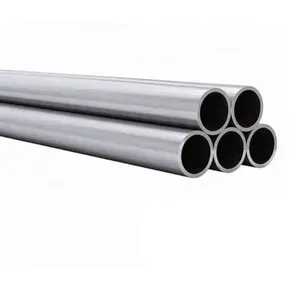 Read More

Contact Us
Recommended Products
-
 Stainless Steel Elbow Welded Elbow 45/90/180-degree Seamless Pressed Elbow Long Radius Elbow Short Radius Elbow WholesaleNegotiableMOQ: 1 Piece
 -
316L/1.4405 Seamless Stainless Steel PipeNegotiableMOQ: 2 Meters
-
310s 440 Seamless Sanitary Piping Price 321 904l 201 20 Inch Seamless Steel Pipe A554 Stainless Steel PipeNegotiableMOQ: 1 Piece
-
China Brand ZZ Wholesale 304L 316 316L Welded Austenitic Piping Stainless Steel Pipe SupplierNegotiableMOQ: 2 Meters
-
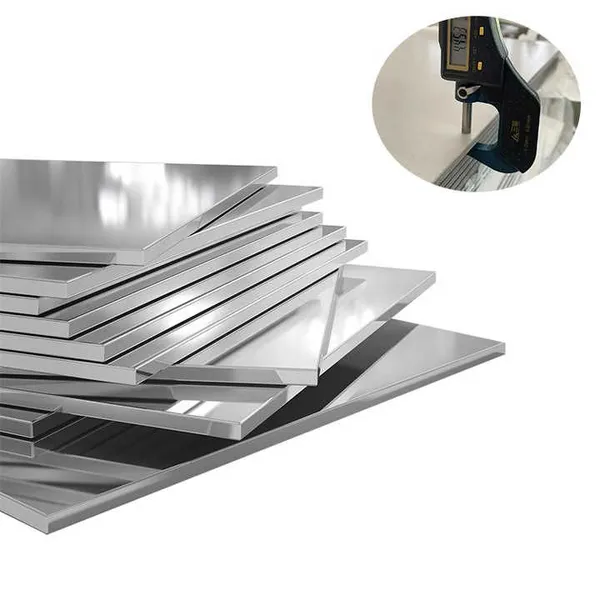
304/304L/316/409/410/904L/2205/2507/310H Premium Stainless Steel Sheets Supplier Custom Sizes & FinishesUS$ 1.72MOQ: 1 Ton
-
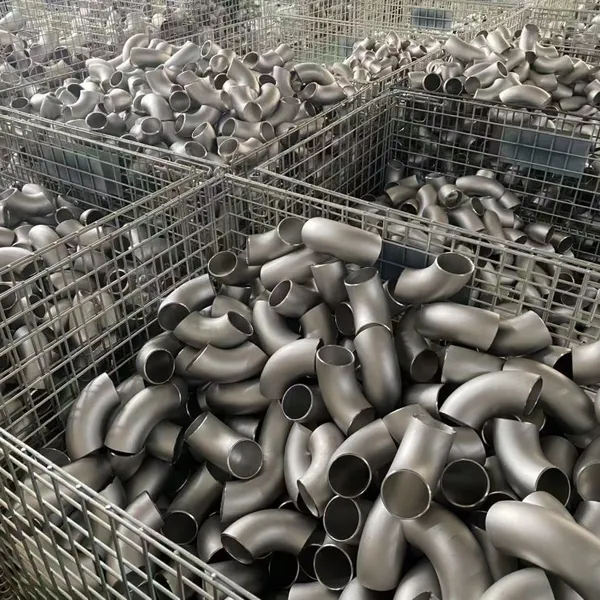
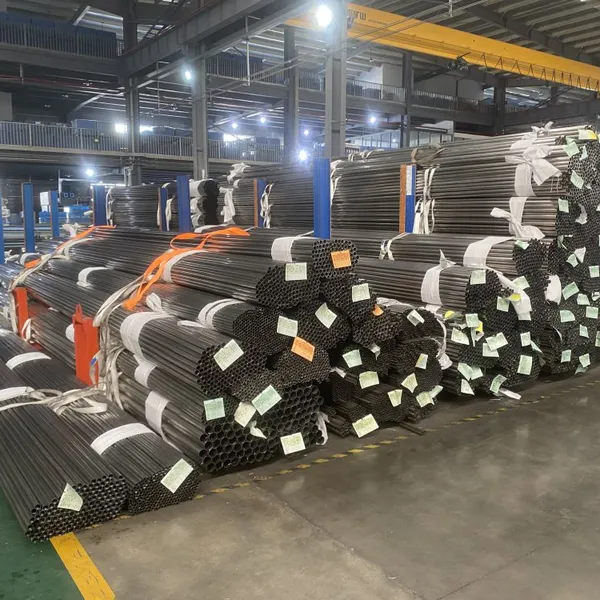
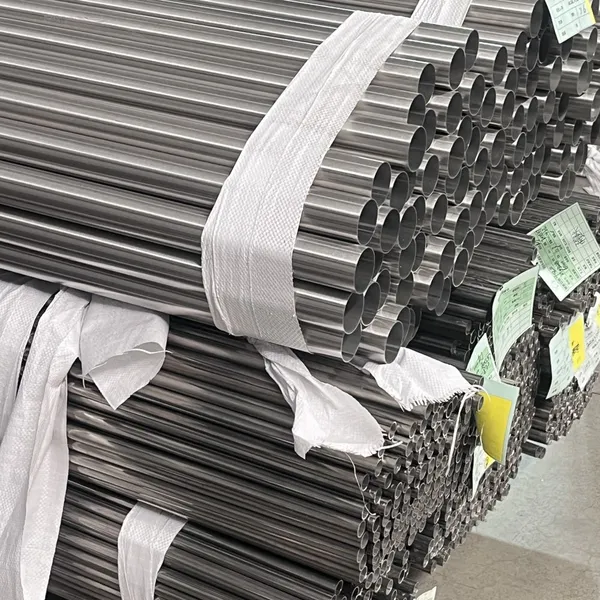
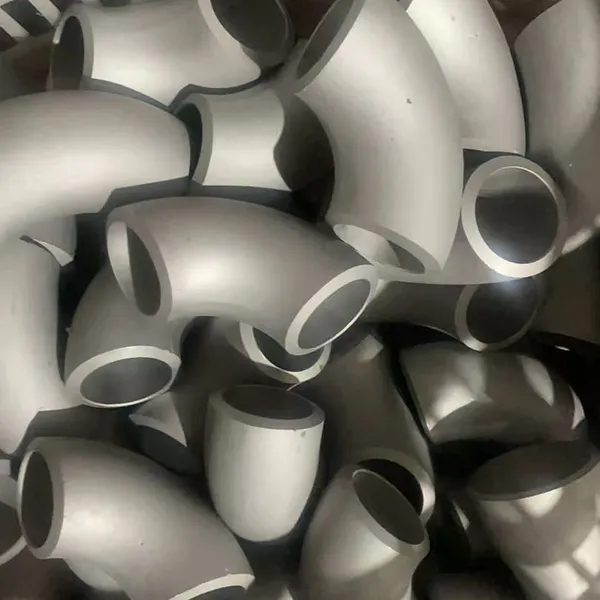
Stainless Steel ASME B16.9 Sch 45 90 Degree Pipe Fittings ElbowUS$ 8MOQ: 1 Piece
-
China Brand Zz 304L 316/316L GB En JIS Standard Thin Wall Welded Stainless Steel Water Pipe/TubeNegotiableMOQ: 2 Meters
-
BA 4 Inch 6 Inch 8 Inch 201 304 304L 316 316L Welded Seamless Stainless Steel PipeNegotiableMOQ: 2 Meters
-
ASME B36.19M-2004 SCH40S Stainless Steel Pipe - Complies With EU 3.1 CertificationUS$ 1 - 650MOQ: 1 Piece
-
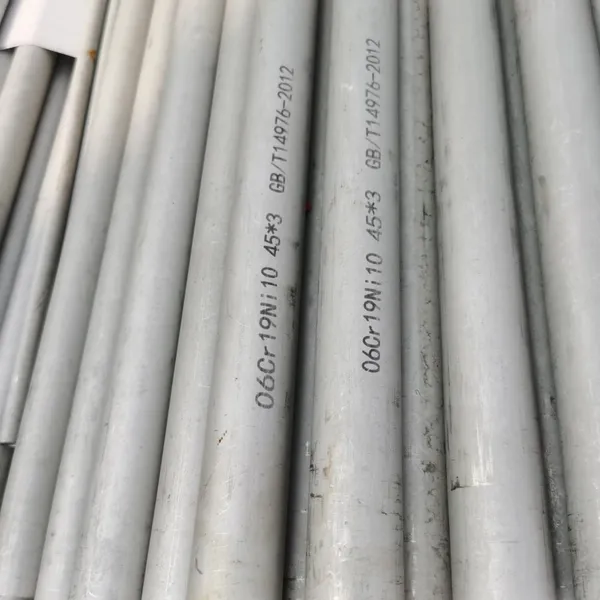
Factory TP309/TP309S/TP309H (UNS30900) Seamless Stainless Steel Pipe and Tube for Boiler BafflesUS$ 8MOQ: 200 Kilograms
-
TP347/TP347H/1.4961/S34709 Seamless Stainless Steel Pipe for UseNegotiableMOQ: 2 Meters
-
China 304 316 Stainless Steel Sanitary Welded Tube Food Grade Sanitary Grade Welded Pipe PolishingNegotiableMOQ: 1 Piece
-
China Manufacture Stainless Steel 316L Ba Seamless Welded Steel Pipe TubesUS$ 1760 - 1860MOQ: 5 Tons
-
316L/1.4405 Seamless Stainless Steel PipeNegotiableMOQ: 2 Meters
-
Stainless Steel Globe Valve – High Durability & Corrosion ResistanceNegotiableMOQ: 1 Piece
-
1.4529 Stainless Steel Flat Plate for Chemical Processing EquipmentUS$ 25 - 35MOQ: 1 Kilogram
-
Color Coated Steel Panels for Warehouse Partition Walls (Fireproof Grade)US$ 1 - 1.2MOQ: 50 Kilograms
-
Custom Width (600mm-1250mm) Colored Steel Coil With Scratch ResistanceUS$ 1 - 1.2MOQ: 50 Kilograms
-
0.5mm-3.0mm Colored Coated Steel Sheet With PVDF/Polyester CoatingUS$ 1 - 1.2MOQ: 50 Kilograms
-
JIS G 3322 Compliant Colored Coils With Third-Party Inspection ReportUS$ 1 - 1.2MOQ: 50 Kilograms