
 Business License

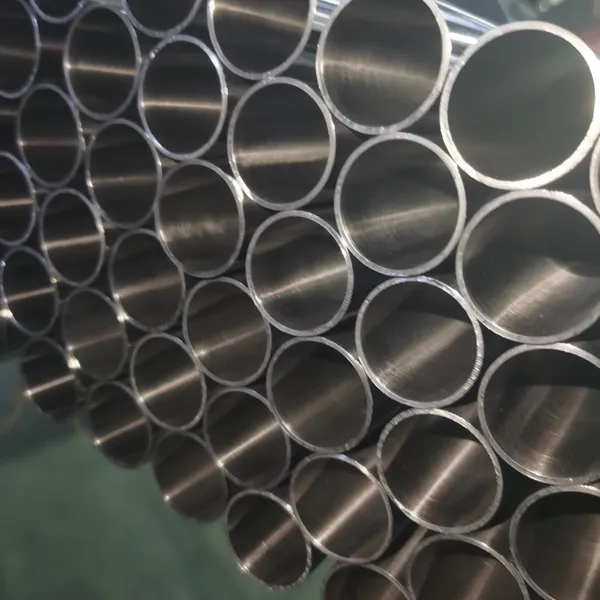
Which factors will affect the surface roughness of stainless steel seamless pipes after polishing
Which factors will affect the surface roughness of stainless steel seamless pipes after polishing?
The factors influencing the surface roughness of stainless steel seamless pipes after polishing mainly include polishing process parameters, equipment and abrasive material characteristics, pipe material, and operational standardization. The details are as follows:
1. Polishing Process Parameters
Rotational speed of the polishing wheel
If the rotational speed is too high, it will cause local temperature rise, surface melting or burning, and roughness increase; if the rotational speed is too low, the polishing efficiency will be insufficient and residual scratches will remain.
Polishing pressure
If the pressure is too high, it may cause surface scratches, deformation or excessive grinding, resulting in coarse lines; if the pressure is too low, it will not be able to effectively remove the traces from the previous process.
Polishing time
If the time is too short, the roughness from the previous process (such as grinding) will not be completely eliminated; if the time is too long, excessive polishing may cause the surface to become "orange-peel-like" (with increased microscopic undulations).
II. Characteristics of Abrasives and Polishing Materials
Abrasive grit size
Coarse abrasives (such as 80-240 mesh) are used to remove obvious defects but will leave deeper scratches; fine abrasives (such as 800-2000 mesh) are used for fine polishing. The finer the grit size, the smoother the surface.
The hardness of the abrasive needs to match that of stainless steel: if the hardness is too high, it will scratch the surface; if it is too low, the grinding efficiency will be low.
Polishing liquid / paste components
The insufficient lubricity and cooling property of the polishing liquid will cause abrasive particles to accumulate or local overheating, which will affect the roughness; if the concentration of the polishing paste containing abrasive particles is too high or the distribution is uneven, scratches may occur.
Material of polishing wheels
Rigid polishing wheels (such as wool wheels) are suitable for fine polishing, while flexible wheels (such as cloth wheels) are adaptable to complex surfaces, but improper pressure control may lead to unevenness.
III. Pipe Material and Pre-treatment
Material Hardness
Harder stainless steel (such as martensitic stainless steel) requires stronger grinding force. If the abrasive or pressure is insufficient, it is prone to leaving processing marks; soft materials (such as austenitic stainless steel) are easily over-polished, resulting in deformation.
Original surface condition
The welding spatter, oxide scale, burrs, etc. have not been ground smooth in advance, which will increase the difficulty of polishing and result in uneven surface roughness.
Organizational structure
If the grains are coarse or the structure is uneven (such as forging defects), the grinding speed in different areas during polishing is inconsistent, which affects the surface flatness.
IV. Equipment and Operating Factors
Equipment Precision
The main shaft vibration of the polishing machine and the insufficient coaxiality of the fixture will cause uneven contact between the polishing wheel and the pipe material, resulting in local over-polishing or under-polishing.
Operation techniques
During manual polishing, the pressure is uneven and the movement speed is unstable, which can lead to inconsistent surface roughness; during mechanical polishing, the feed speed is too fast and the abrasive material does not have sufficient effect.
Abrasive replacement and cleaning
If the abrasive is used for too long and becomes worn or contaminated with impurities, not replacing it in time will reduce the polishing effect; and the leftover grinding debris from the previous process on the equipment and fixtures will cause the mixing and contamination of different grit abrasive.
V. Environmental Factors
Temperature and Humidity: In high-temperature environments, the polishing solution is prone to evaporate, resulting in a decline in lubrication effect; in humid environments, it may cause the abrasive to clog or the surface of the pipe to rust, thereby affecting the polishing quality.
Summary: To effectively control the surface roughness after polishing, it is necessary to optimize process parameters (rotation speed, pressure, time), select appropriate abrasives and equipment, control the quality of material pre-treatment, and standardize operations.
Recently Posted
-
Does the stainless steel welded pipe have specific temperature requirements during the solution heat
January 20, 2026Solution heat treatment involves heating stainless steel to a high temperature and then rapidly cooling it to achieve an oversatur Read More
 -
Can stainless steel welded pipes be made into thick pipes
January 20, 2026With the improvement of high-quality welding technology and increasingly strict weld inspection, the application fields of s Read More
 -
Three types of commonly available food-grade stainless steel on the market
January 20, 2026The common food-grade stainless steel pipes are mainly composed of iron, chromium and carbon and other elements. Household stainle Read More
 -
What are the requirements for stainless steel welding pipe production equipment
January 20, 2026As is well known, stainless steel welded pipes have been widely used in various industries such as machinery, chemical engineering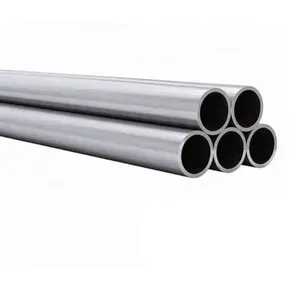 Read More

Contact Us
Recommended Products
-
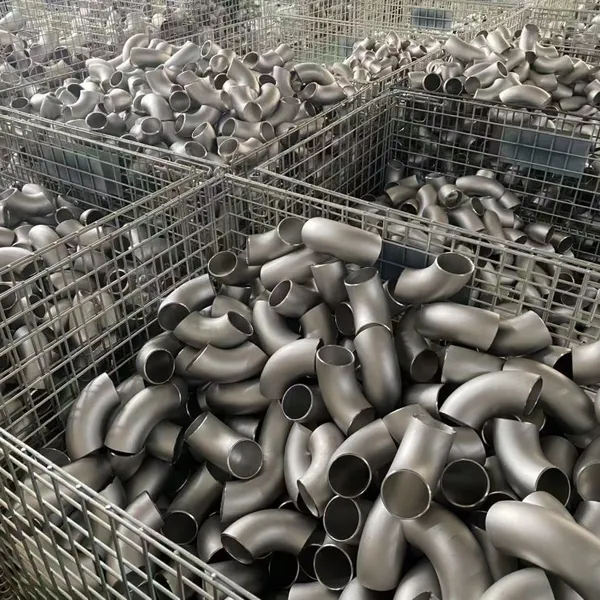
 Stainless Steel Elbow Welded Elbow 45/90/180-degree Seamless Pressed Elbow Long Radius Elbow Short Radius Elbow WholesaleNegotiableMOQ: 1 Piece
 -
316L/1.4405 Seamless Stainless Steel PipeNegotiableMOQ: 2 Meters
-
310s 440 Seamless Sanitary Piping Price 321 904l 201 20 Inch Seamless Steel Pipe A554 Stainless Steel PipeNegotiableMOQ: 1 Piece
-
China Brand ZZ Wholesale 304L 316 316L Welded Austenitic Piping Stainless Steel Pipe SupplierNegotiableMOQ: 2 Meters
-
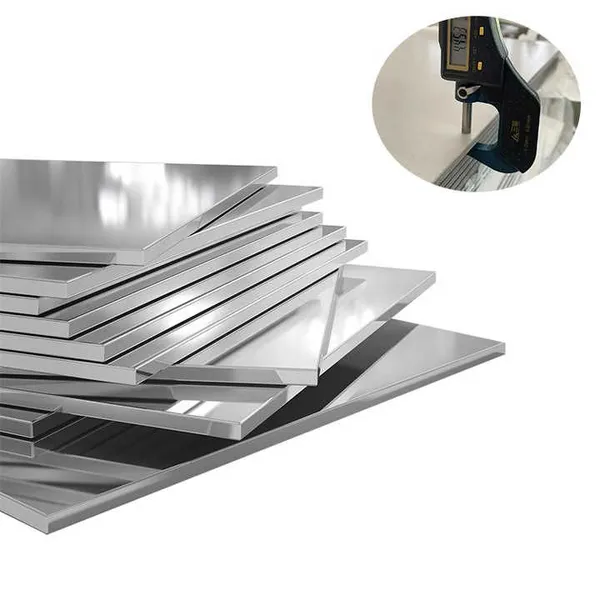
304/304L/316/409/410/904L/2205/2507/310H Premium Stainless Steel Sheets Supplier Custom Sizes & FinishesUS$ 1.72MOQ: 1 Ton
-
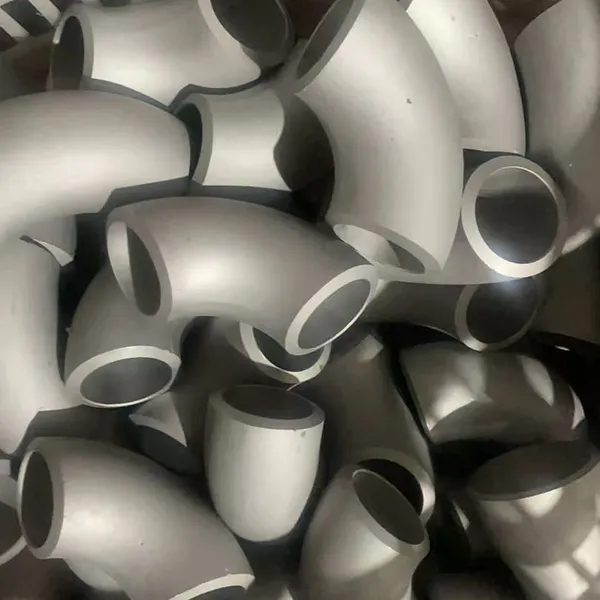
Stainless Steel ASME B16.9 Sch 45 90 Degree Pipe Fittings ElbowUS$ 8MOQ: 1 Piece
-
China Brand Zz 304L 316/316L GB En JIS Standard Thin Wall Welded Stainless Steel Water Pipe/TubeNegotiableMOQ: 2 Meters
-
BA 4 Inch 6 Inch 8 Inch 201 304 304L 316 316L Welded Seamless Stainless Steel PipeNegotiableMOQ: 2 Meters
-
ASME B36.19M-2004 SCH40S Stainless Steel Pipe - Complies With EU 3.1 CertificationUS$ 1 - 650MOQ: 1 Piece
-
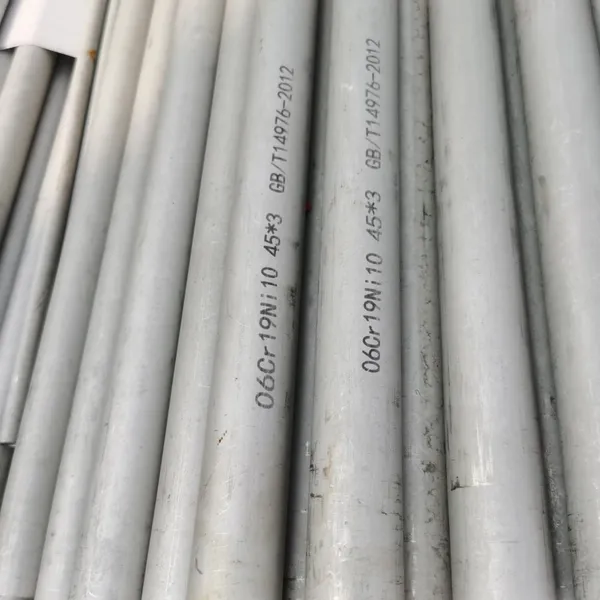
Factory TP309/TP309S/TP309H (UNS30900) Seamless Stainless Steel Pipe and Tube for Boiler BafflesUS$ 8MOQ: 200 Kilograms
-
TP347/TP347H/1.4961/S34709 Seamless Stainless Steel Pipe for UseNegotiableMOQ: 2 Meters
-
China 304 316 Stainless Steel Sanitary Welded Tube Food Grade Sanitary Grade Welded Pipe PolishingNegotiableMOQ: 1 Piece
-
China Manufacture Stainless Steel 316L Ba Seamless Welded Steel Pipe TubesUS$ 1760 - 1860MOQ: 5 Tons
-
316L/1.4405 Seamless Stainless Steel PipeNegotiableMOQ: 2 Meters
-
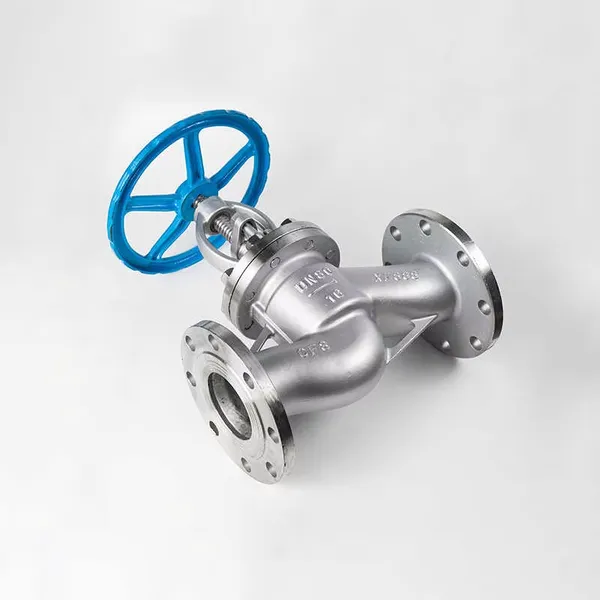
Stainless Steel Globe Valve – High Durability & Corrosion ResistanceNegotiableMOQ: 1 Piece
-
1.4529 Stainless Steel Flat Plate for Chemical Processing EquipmentUS$ 25 - 35MOQ: 1 Kilogram
-
Color Coated Steel Panels for Warehouse Partition Walls (Fireproof Grade)US$ 1 - 1.2MOQ: 50 Kilograms
-
Custom Width (600mm-1250mm) Colored Steel Coil With Scratch ResistanceUS$ 1 - 1.2MOQ: 50 Kilograms
-
0.5mm-3.0mm Colored Coated Steel Sheet With PVDF/Polyester CoatingUS$ 1 - 1.2MOQ: 50 Kilograms
-
JIS G 3322 Compliant Colored Coils With Third-Party Inspection ReportUS$ 1 - 1.2MOQ: 50 Kilograms