
 Business License

What are the methods to eliminate the residual stress in 316L stainless steel pipe
The methods for eliminating residual stress in 316L stainless steel pipes can be mainly classified into three categories: heat treatment, mechanical processing, and special techniques. The details are as follows:
1. Heat treatment method
By heating, the atoms are activated, which promotes stress relaxation or recrystallization. This method is applicable to various residual stresses.
Strain-relief annealing
Process: Heat to 400 - 600℃ (below the recrystallization temperature to avoid grain coarsening), hold for 0.5 - 2 hours, then cool slowly.
Effect: Can eliminate 60% - 90% of macroscopic stress, while retaining the cold working strengthening effects (such as hardness and strength).
Solution treatment
Process: Heat to 1050 - 1100℃ (the temperature at which austenite is completely dissolved), then rapidly quench in water or air cool.
Effect: Eliminate all residual stresses, simultaneously causing martensite to reverse and transform into austenite, restoring corrosion resistance, but it will reduce the cold working strengthening performance (strength decreases by approximately 30%).
Time-temperature treatment
Process: Low temperature (such as 100-200℃) with long-term holding (several hours to several tens of hours).
Effect: Eliminate micro stresses (such as dislocation stress, phase transformation stress), stabilize the structure, suitable for precision pipe parts.
II. Mechanical Treatment Method
By applying external force to cause the material to undergo reverse plastic deformation or vibration, the residual stress can be eliminated.
Hammering or shot peening
Shot peening: High-speed projectiles impact the surface, causing plastic deformation and compressive stress in the surface layer (with a coverage depth of 0.1 to 0.5 mm), which counteracts the original tensile stress.
Application scenarios: Suitable for pipe fittings with high fatigue performance requirements (such as those used in aviation), which can increase fatigue life by 30% to 50%.
Mechanical stretching or rolling
Stretching method: Apply axial tensile stress (close to the yield strength) to the pipe piece, causing the internal stress to redistribute, suitable for thin-walled pipes.
Rolling: Use rollers to roll the surface, creating surface compressive stress (such as the treatment of the inner wall of a pipe after hydraulic expansion).
Vibration Stress Relief (VSR)
Process: Apply resonant frequency vibration (20-50Hz) for 30-60 minutes, utilizing resonant energy to relax stress.
Effect: Eliminate 30%-50% of stress. Low energy consumption, no thermal impact, suitable for large pipe fittings or situations where high-temperature treatment is not feasible.
III. Special Processes
Auxiliary methods tailored for specific conditions or high precision requirements.
Electrolytic polishing
The surface distorted metal is removed through electrochemical dissolution, reducing the surface micro-stress and simultaneously enhancing the corrosion resistance (suitable for medical devices and food-grade pipelines).
Laser shock strengthening
High-energy laser pulses induce shock waves, forming a compressive stress layer with a depth of 1 to 2 mm on the surface. The stress elimination effect is remarkable and highly controllable.
Natural aging
Place the pipe fittings at room temperature for several months to several years. Through atomic natural diffusion, the stress is slowly released. This method is only applicable to scenarios with extremely low requirements (such as non-critical structural components).
Selection Principles
Based on stress type: Macro stress is prioritized for heat treatment or mechanical stretching; Micro stress can be selected for shot peening, aging, or electrolytic polishing.
Based on performance requirements: When strength needs to be retained, select stress-relieving annealing or vibration aging; When corrosion resistance needs to be restored, select solution treatment.
Economy and efficiency: For mass production, shot peening or vibration aging is preferred; For precision parts or complex structural components, laser impact or electrolytic polishing can be selected.
In practical applications, multiple methods (such as shot peening combined with stress-relieving annealing) can be combined to achieve the best stress elimination effect.
Recently Posted
-
Does the stainless steel welded pipe have specific temperature requirements during the solution heat
January 20, 2026Solution heat treatment involves heating stainless steel to a high temperature and then rapidly cooling it to achieve an oversatur Read More
 -
Can stainless steel welded pipes be made into thick pipes
January 20, 2026With the improvement of high-quality welding technology and increasingly strict weld inspection, the application fields of s Read More
 -
Three types of commonly available food-grade stainless steel on the market
January 20, 2026The common food-grade stainless steel pipes are mainly composed of iron, chromium and carbon and other elements. Household stainle Read More
 -
What are the requirements for stainless steel welding pipe production equipment
January 20, 2026As is well known, stainless steel welded pipes have been widely used in various industries such as machinery, chemical engineering Read More

Contact Us
Recommended Products
-
 Stainless Steel Elbow Welded Elbow 45/90/180-degree Seamless Pressed Elbow Long Radius Elbow Short Radius Elbow WholesaleNegotiableMOQ: 1 Piece
 -
316L/1.4405 Seamless Stainless Steel PipeNegotiableMOQ: 2 Meters
-
310s 440 Seamless Sanitary Piping Price 321 904l 201 20 Inch Seamless Steel Pipe A554 Stainless Steel PipeNegotiableMOQ: 1 Piece
-
China Brand ZZ Wholesale 304L 316 316L Welded Austenitic Piping Stainless Steel Pipe SupplierNegotiableMOQ: 2 Meters
-
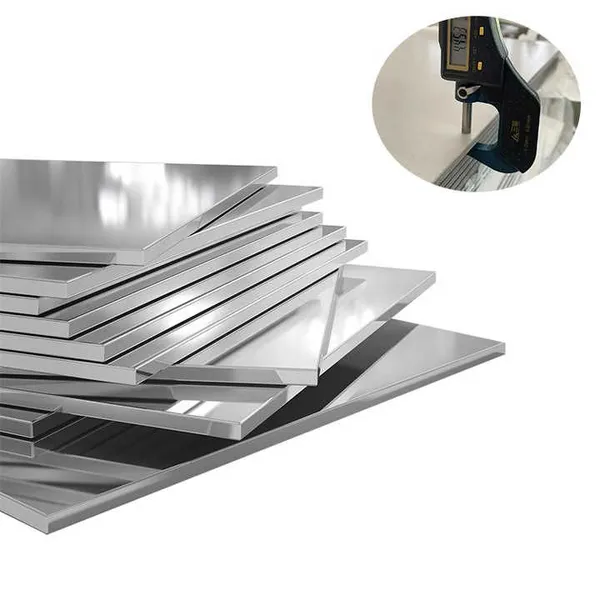
304/304L/316/409/410/904L/2205/2507/310H Premium Stainless Steel Sheets Supplier Custom Sizes & FinishesUS$ 1.72MOQ: 1 Ton
-
Stainless Steel ASME B16.9 Sch 45 90 Degree Pipe Fittings ElbowUS$ 8MOQ: 1 Piece
-
China Brand Zz 304L 316/316L GB En JIS Standard Thin Wall Welded Stainless Steel Water Pipe/TubeNegotiableMOQ: 2 Meters
-
BA 4 Inch 6 Inch 8 Inch 201 304 304L 316 316L Welded Seamless Stainless Steel PipeNegotiableMOQ: 2 Meters
-
ASME B36.19M-2004 SCH40S Stainless Steel Pipe - Complies With EU 3.1 CertificationUS$ 1 - 650MOQ: 1 Piece
-
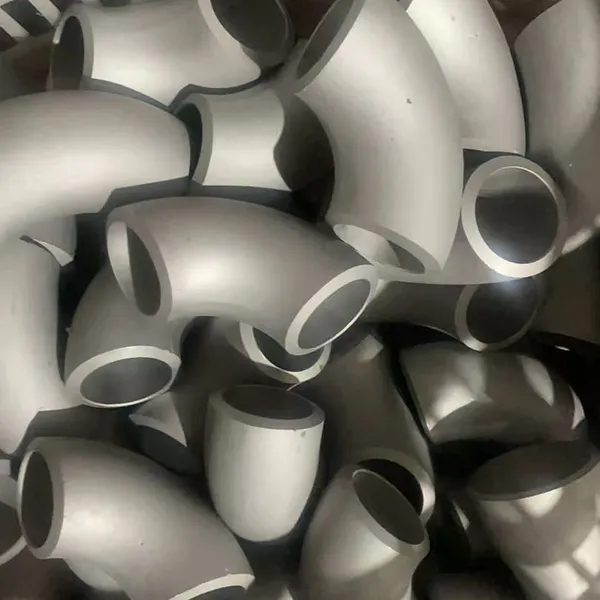
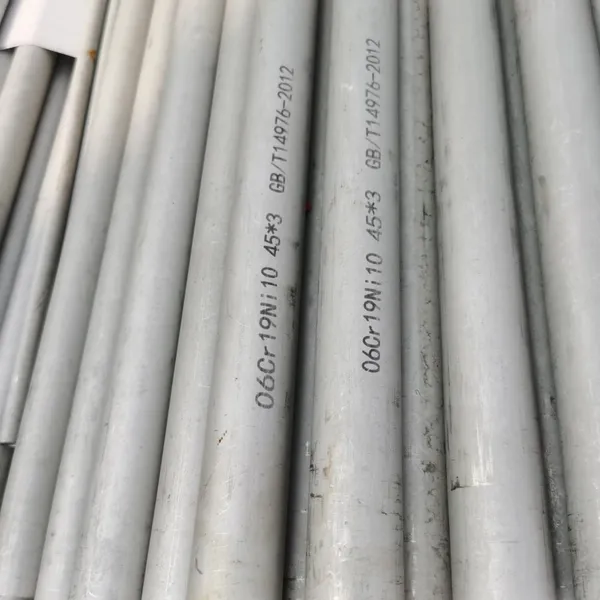
Factory TP309/TP309S/TP309H (UNS30900) Seamless Stainless Steel Pipe and Tube for Boiler BafflesUS$ 8MOQ: 200 Kilograms
-
TP347/TP347H/1.4961/S34709 Seamless Stainless Steel Pipe for UseNegotiableMOQ: 2 Meters
-
China 304 316 Stainless Steel Sanitary Welded Tube Food Grade Sanitary Grade Welded Pipe PolishingNegotiableMOQ: 1 Piece
-
China Manufacture Stainless Steel 316L Ba Seamless Welded Steel Pipe TubesUS$ 1760 - 1860MOQ: 5 Tons
-
316L/1.4405 Seamless Stainless Steel PipeNegotiableMOQ: 2 Meters
-
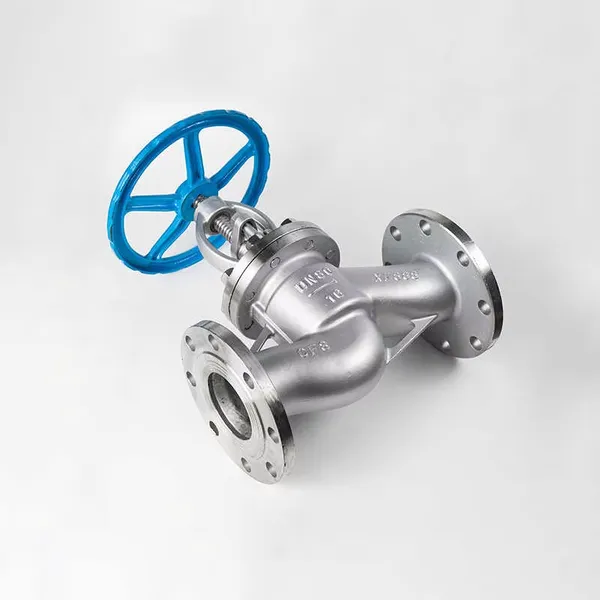
Stainless Steel Globe Valve – High Durability & Corrosion ResistanceNegotiableMOQ: 1 Piece
-
1.4529 Stainless Steel Flat Plate for Chemical Processing EquipmentUS$ 25 - 35MOQ: 1 Kilogram
-
Color Coated Steel Panels for Warehouse Partition Walls (Fireproof Grade)US$ 1 - 1.2MOQ: 50 Kilograms
-
Custom Width (600mm-1250mm) Colored Steel Coil With Scratch ResistanceUS$ 1 - 1.2MOQ: 50 Kilograms
-
0.5mm-3.0mm Colored Coated Steel Sheet With PVDF/Polyester CoatingUS$ 1 - 1.2MOQ: 50 Kilograms
-
JIS G 3322 Compliant Colored Coils With Third-Party Inspection ReportUS$ 1 - 1.2MOQ: 50 Kilograms