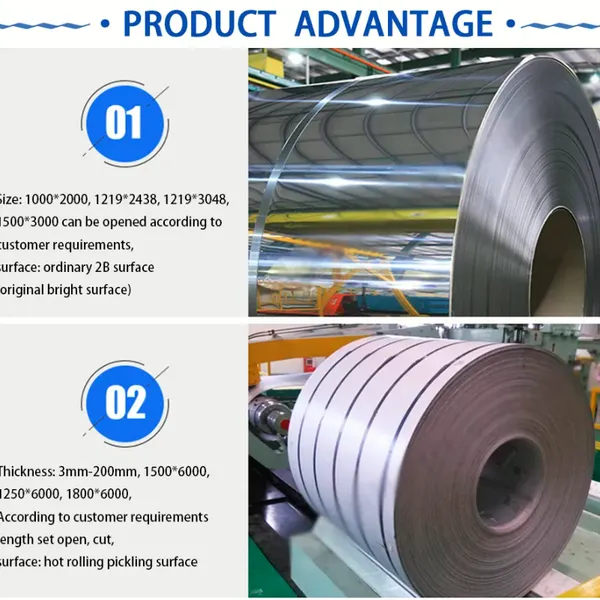

 Business License

What issues need to be paid attention to during the welding process of stainless steel pipes used
When welding stainless steel pipes for industrial fluid transportation, the following key issues should be noted:
1. Selection of welding process
Avoid using high-temperature processes such as oxyacetylene welding to prevent the loss of alloy elements and the precipitation of carbides (such as in the sensitization temperature range of 450~850℃).
2. Pre-weld Preparation
Groove Treatment: Polish the groove to a metallic luster, remove oil and oxide scale, and use mechanical processing or plasma cutting (avoiding carbon contamination).
Argon filling protection: Before welding, fill argon gas inside the pipeline (purity ≥ 99.99%) at a flow rate of 5 to 15 L/min until the oxygen content is less than 50 ppm. This prevents the backside of the weld from oxidizing and forming a "slag shell", thereby reducing the corrosion resistance.
Workpiece fixation: Use fixture for rigid fixation to reduce welding deformation and avoid stress caused by forced alignment.
3. Welding material matching
The welding rods/swarfs must match the composition of the base material:
For 304 base material, ER308L welding wire (low carbon) is selected; for 316L, ER316L is chosen. Avoid corrosion caused by mismatch in carbon content or alloy elements.
For welding of different types of steel (such as 304 and 316L), high-alloy welding wires (such as ER317L) are selected to meet the composition requirements of both materials.
4. Welding Parameter Control
Current and Speed: Use a low current (about 20% lower than that for carbon steel) and a fast welding speed to reduce the heat input, control the interlayer temperature to be ≤ 150℃, and prevent grain coarsening in the heat-affected zone.
Welding gun angle: During argon arc welding, the angle between the welding gun and the workpiece should be maintained at 70° to 80°, and the arc length should be 2 to 4 mm. Ensure that the molten pool is adequately protected.
Number of weld layers: For thick-walled pipes, welding is carried out in layers. Each layer should have a thickness of no more than 3mm. The slag and spatter between layers should be removed to avoid slag inclusion and incomplete fusion.
5. Corrosion Prevention and Stress Control
Prevent iron ion contamination: Welding tools (such as wire brushes, fixtures) should be made of dedicated stainless steel to avoid carbon steel contact, which could lead to "iron penetration" and electrochemical corrosion.
Post-weld treatment:
Acid pickling and passivation: Use a solution of nitric acid and hydrofluoric acid to remove welding slag and oxide scale, forming a uniform passivation film (Cr₂O₃), which enhances corrosion resistance.
Stress relief: For high-pressure or large-diameter pipelines, after welding, perform solution treatment (water cooling at 1050~1100℃) or low-temperature annealing (holding at 300~400℃), to reduce welding stress and prevent cracking.
6. Special Medium and Environmental Response
Chloride-sensitive scenarios: When transporting media such as seawater and salt solutions, strictly control welding spatter (containing Cl⁻ impurities), thoroughly clean and test the surface Cl⁻ residue (≤ 25 ppm) after welding.
High-temperature / Low-temperature pipelines: For high-temperature (such as steam) pipelines, high-temperature welding rods (such as ER310) should be used; for low-temperature (such as liquefied gas) pipelines, the welds must have low-temperature impact toughness (nickel-based welding rods should be selected).
7. Quality Inspection and Acceptance
Visual inspection: The surface of the weld should be smooth without cracks, pores, or undercut (depth ≤ 0.5mm, length ≤ 10% of the total length of the weld).
Non-destructive testing:
For high-pressure pipelines (≥ 10 MPa) or pipelines carrying toxic media, 100% radiographic (RT) or ultrasonic (UT) testing is required;
For general pipelines, sampling tests are conducted according to design requirements, with a focus on checking the heat-affected zones and the arc termination points.
Pressure test: After welding is completed, hydraulic/air pressure tests are carried out in accordance with the specifications. For austenitic stainless steel pipelines, the water quality Cl⁻ should be controlled at ≤ 25 ppm to prevent stress corrosion.
Summary: The welding process needs to be strictly controlled throughout the entire process, including technology, materials, parameters, anti-corrosion measures, and testing. The core objective is to minimize thermal damage, avoid corrosion risks, and ensure structural strength, thereby ensuring the safe and reliable operation of stainless steel pipelines in industrial fluid transportation.
Recently Posted
-
Does the stainless steel welded pipe have specific temperature requirements during the solution heat
January 20, 2026Solution heat treatment involves heating stainless steel to a high temperature and then rapidly cooling it to achieve an oversatur Read More
 -
Can stainless steel welded pipes be made into thick pipes
January 20, 2026With the improvement of high-quality welding technology and increasingly strict weld inspection, the application fields of s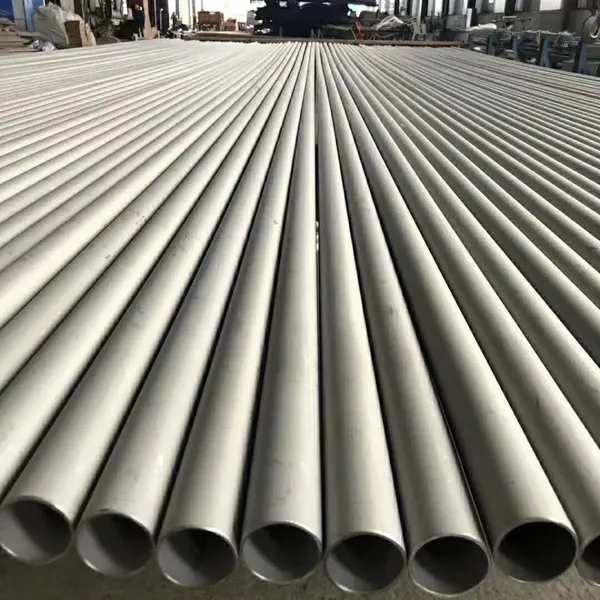 Read More
 -
Three types of commonly available food-grade stainless steel on the market
January 20, 2026The common food-grade stainless steel pipes are mainly composed of iron, chromium and carbon and other elements. Household stainle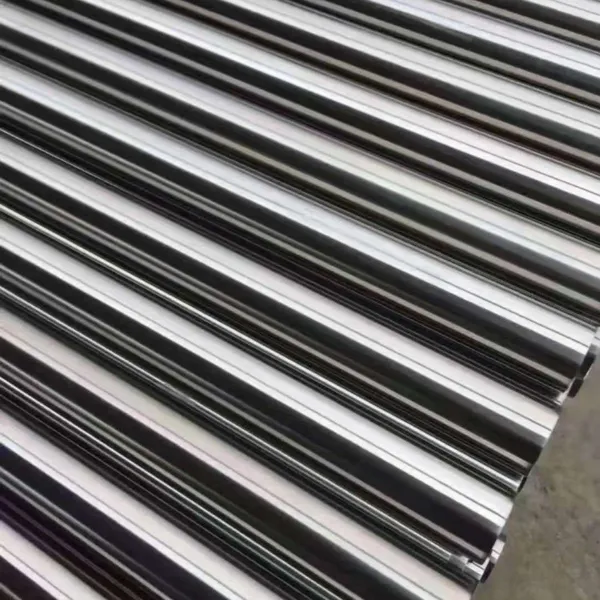 Read More
 -
What are the requirements for stainless steel welding pipe production equipment
January 20, 2026As is well known, stainless steel welded pipes have been widely used in various industries such as machinery, chemical engineering Read More

Contact Us
Recommended Products
-
 Stainless Steel Elbow Welded Elbow 45/90/180-degree Seamless Pressed Elbow Long Radius Elbow Short Radius Elbow WholesaleNegotiableMOQ: 1 Piece
 -
316L/1.4405 Seamless Stainless Steel PipeNegotiableMOQ: 2 Meters
-
310s 440 Seamless Sanitary Piping Price 321 904l 201 20 Inch Seamless Steel Pipe A554 Stainless Steel PipeNegotiableMOQ: 1 Piece
-
China Brand ZZ Wholesale 304L 316 316L Welded Austenitic Piping Stainless Steel Pipe SupplierNegotiableMOQ: 2 Meters
-
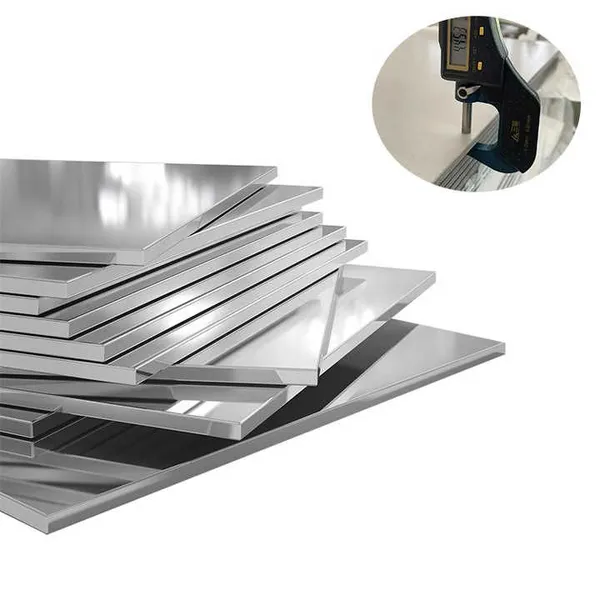
304/304L/316/409/410/904L/2205/2507/310H Premium Stainless Steel Sheets Supplier Custom Sizes & FinishesUS$ 1.72MOQ: 1 Ton
-
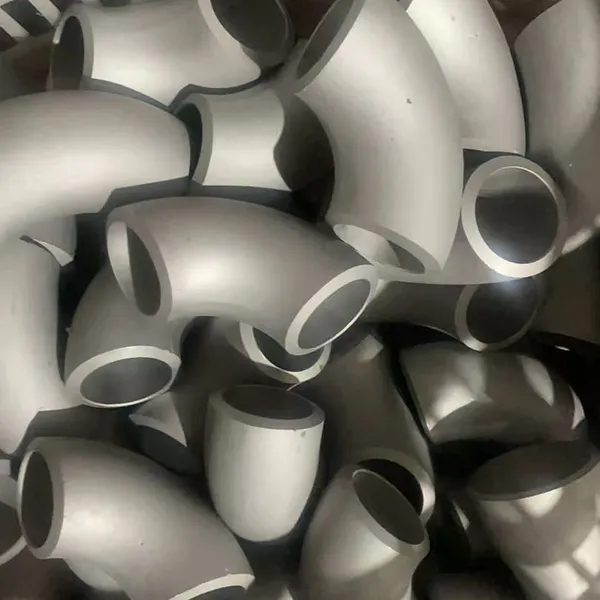
Stainless Steel ASME B16.9 Sch 45 90 Degree Pipe Fittings ElbowUS$ 8MOQ: 1 Piece
-
China Brand Zz 304L 316/316L GB En JIS Standard Thin Wall Welded Stainless Steel Water Pipe/TubeNegotiableMOQ: 2 Meters
-
BA 4 Inch 6 Inch 8 Inch 201 304 304L 316 316L Welded Seamless Stainless Steel PipeNegotiableMOQ: 2 Meters
-
ASME B36.19M-2004 SCH40S Stainless Steel Pipe - Complies With EU 3.1 CertificationUS$ 1 - 650MOQ: 1 Piece
-
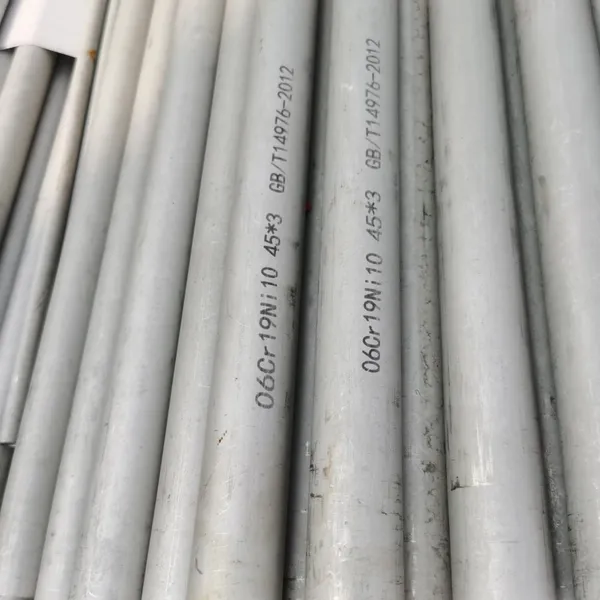
Factory TP309/TP309S/TP309H (UNS30900) Seamless Stainless Steel Pipe and Tube for Boiler BafflesUS$ 8MOQ: 200 Kilograms
-
TP347/TP347H/1.4961/S34709 Seamless Stainless Steel Pipe for UseNegotiableMOQ: 2 Meters
-
China 304 316 Stainless Steel Sanitary Welded Tube Food Grade Sanitary Grade Welded Pipe PolishingNegotiableMOQ: 1 Piece
-
China Manufacture Stainless Steel 316L Ba Seamless Welded Steel Pipe TubesUS$ 1760 - 1860MOQ: 5 Tons
-
316L/1.4405 Seamless Stainless Steel PipeNegotiableMOQ: 2 Meters
-
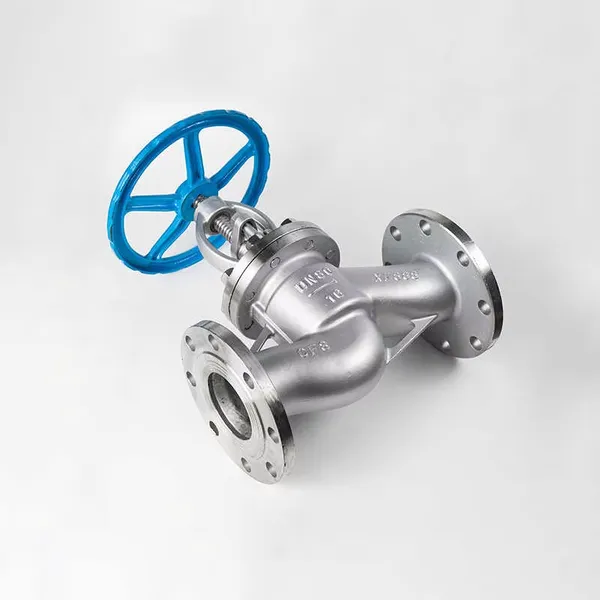
Stainless Steel Globe Valve – High Durability & Corrosion ResistanceNegotiableMOQ: 1 Piece
-
1.4529 Stainless Steel Flat Plate for Chemical Processing EquipmentUS$ 25 - 35MOQ: 1 Kilogram
-
Color Coated Steel Panels for Warehouse Partition Walls (Fireproof Grade)US$ 1 - 1.2MOQ: 50 Kilograms
-
Custom Width (600mm-1250mm) Colored Steel Coil With Scratch ResistanceUS$ 1 - 1.2MOQ: 50 Kilograms
-
0.5mm-3.0mm Colored Coated Steel Sheet With PVDF/Polyester CoatingUS$ 1 - 1.2MOQ: 50 Kilograms
-
JIS G 3322 Compliant Colored Coils With Third-Party Inspection ReportUS$ 1 - 1.2MOQ: 50 Kilograms