
 Business License

What factors affect the service life of stainless steel pipes used for thin-walled gas pipelines?
The service life of stainless steel pipes used for thin-walled gas pipelines is affected by the following factors:
Material aspect
Material composition: Stainless steel with high content of alloy elements such as chromium and nickel, such as 316 stainless steel, has better corrosion resistance and can form a more dense oxide film, which can extend the service life. If the material is not pure and contains many impurities, it will affect the formation of the oxide film and reduce the corrosion resistance.
Material quality: The high-quality stainless steel pipes are produced through strict manufacturing processes, featuring excellent corrosion resistance and wear resistance. Inferior materials may have internal defects or uneven composition, which can shorten the lifespan of the pipes.
In terms of manufacturing process:
Forming process: Different forming processes such as cold extrusion and bulging will result in variations in the size, wall thickness, and performance of the pipe fittings. For example, cold extrusion may cause tensile stress, and bulging may cause the wall thickness to thin. If the process is improper, it will reduce the strength and corrosion resistance of the pipeline.
Welding quality: Welding is a common method for connecting stainless steel gas pipes. The quality of the weld seam is of utmost importance. If the weld seam is not smooth, has pores or other defects, it will become a weak point of the pipe material, increasing the risk of gas leakage and accelerating corrosion.
Regarding the operating environment:
Temperature and humidity: High temperatures accelerate the oxidation of stainless steel, reducing its corrosion resistance and potentially causing thermal expansion, which can lead to stress in the pipeline. In humid environments or where the humidity in the air is high, a water film forms on the surface of stainless steel, combining with impurities in the gas to cause corrosion.
Corrosive medium: If the gas contains acidic gases such as hydrogen sulfide and carbon dioxide, or if there are corrosive soils or chemicals around the pipeline, it will cause corrosion to the stainless steel pipe, shortening its service life. In industrial areas, the concentration of corrosive gases in the air is higher, posing a greater threat to the pipeline.
Mechanical stress: During the installation of pipelines, if improper operations occur, such as excessive stretching, bending, or being subjected to external force compression, stress concentration will be generated inside the pipeline. Under the long-term action of gas pressure, it is prone to cause cracks and shorten the pipeline's lifespan. Moreover, vibration sources near the pipeline may also impose additional mechanical stress on the pipeline.
Maintenance and upkeep aspects
Regular inspection: Regularly check for leaks, deformations, and corrosion in the pipes. Address any issues promptly to prevent small problems from escalating into major failures and extend the lifespan of the pipes.
Surface cleaning: Promptly remove dirt, dust, and corrosive substances from the pipe surface to prevent corrosion caused by their accumulation. For minor corrosion, take protective measures immediately, such as applying anti-corrosion paint, to prevent further deterioration.
Recently Posted
-
Does the stainless steel welded pipe have specific temperature requirements during the solution heat
January 20, 2026Solution heat treatment involves heating stainless steel to a high temperature and then rapidly cooling it to achieve an oversatur Read More
 -
Can stainless steel welded pipes be made into thick pipes
January 20, 2026With the improvement of high-quality welding technology and increasingly strict weld inspection, the application fields of s Read More
 -
Three types of commonly available food-grade stainless steel on the market
January 20, 2026The common food-grade stainless steel pipes are mainly composed of iron, chromium and carbon and other elements. Household stainle Read More
 -
What are the requirements for stainless steel welding pipe production equipment
January 20, 2026As is well known, stainless steel welded pipes have been widely used in various industries such as machinery, chemical engineering Read More

Contact Us
Recommended Products
-
 Stainless Steel Elbow Welded Elbow 45/90/180-degree Seamless Pressed Elbow Long Radius Elbow Short Radius Elbow WholesaleNegotiableMOQ: 1 Piece
 -
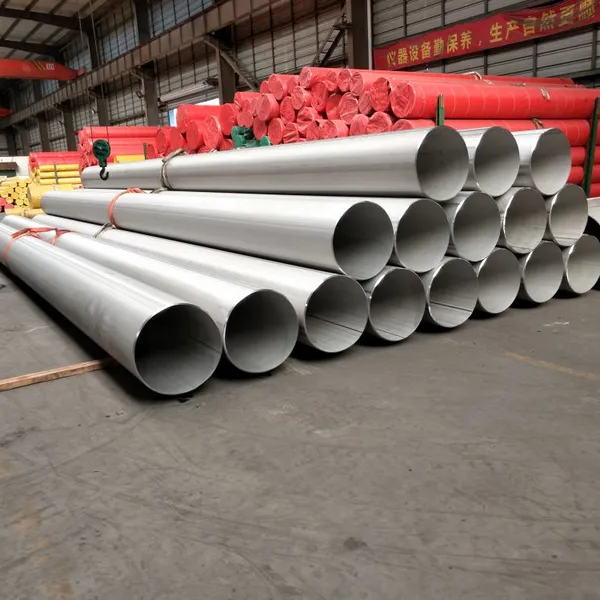
316L/1.4405 Seamless Stainless Steel PipeNegotiableMOQ: 2 Meters
-
310s 440 Seamless Sanitary Piping Price 321 904l 201 20 Inch Seamless Steel Pipe A554 Stainless Steel PipeNegotiableMOQ: 1 Piece
-
China Brand ZZ Wholesale 304L 316 316L Welded Austenitic Piping Stainless Steel Pipe SupplierNegotiableMOQ: 2 Meters
-
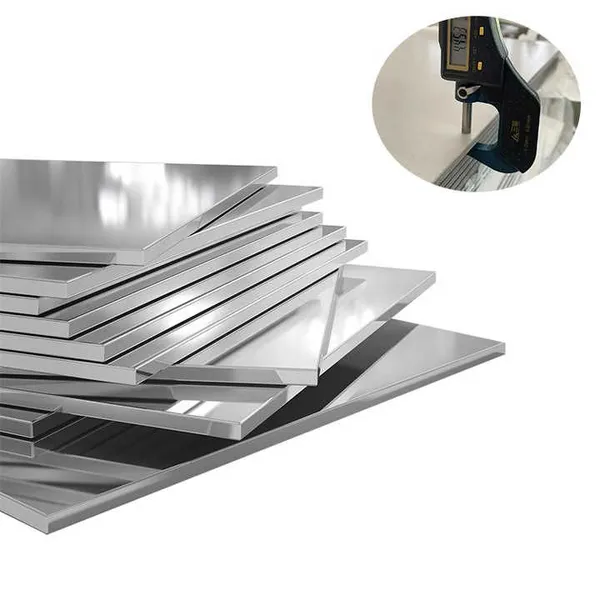
304/304L/316/409/410/904L/2205/2507/310H Premium Stainless Steel Sheets Supplier Custom Sizes & FinishesUS$ 1.72MOQ: 1 Ton
-
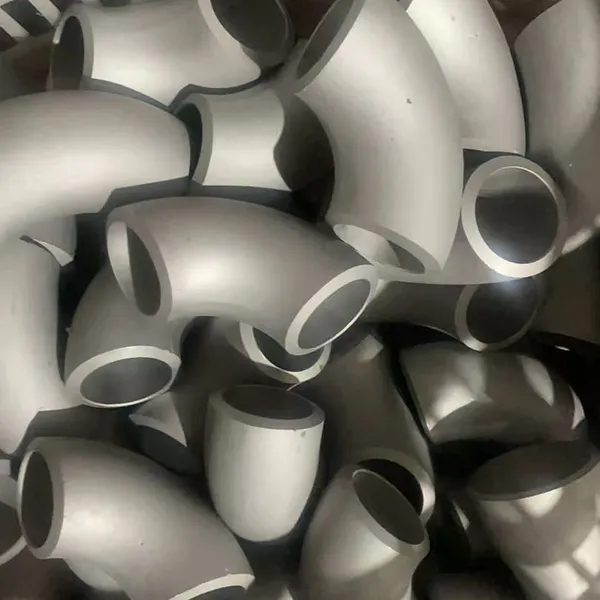
Stainless Steel ASME B16.9 Sch 45 90 Degree Pipe Fittings ElbowUS$ 8MOQ: 1 Piece
-
China Brand Zz 304L 316/316L GB En JIS Standard Thin Wall Welded Stainless Steel Water Pipe/TubeNegotiableMOQ: 2 Meters
-
BA 4 Inch 6 Inch 8 Inch 201 304 304L 316 316L Welded Seamless Stainless Steel PipeNegotiableMOQ: 2 Meters
-
ASME B36.19M-2004 SCH40S Stainless Steel Pipe - Complies With EU 3.1 CertificationUS$ 1 - 650MOQ: 1 Piece
-
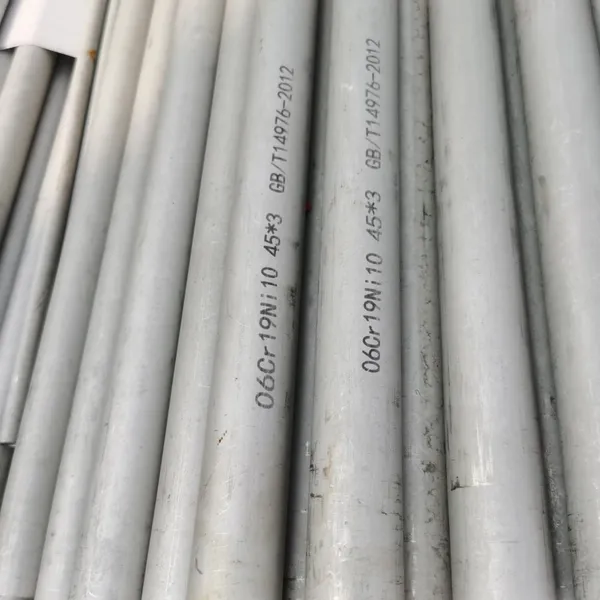
Factory TP309/TP309S/TP309H (UNS30900) Seamless Stainless Steel Pipe and Tube for Boiler BafflesUS$ 8MOQ: 200 Kilograms
-
TP347/TP347H/1.4961/S34709 Seamless Stainless Steel Pipe for UseNegotiableMOQ: 2 Meters
-
China 304 316 Stainless Steel Sanitary Welded Tube Food Grade Sanitary Grade Welded Pipe PolishingNegotiableMOQ: 1 Piece
-
China Manufacture Stainless Steel 316L Ba Seamless Welded Steel Pipe TubesUS$ 1760 - 1860MOQ: 5 Tons
-
316L/1.4405 Seamless Stainless Steel PipeNegotiableMOQ: 2 Meters
-
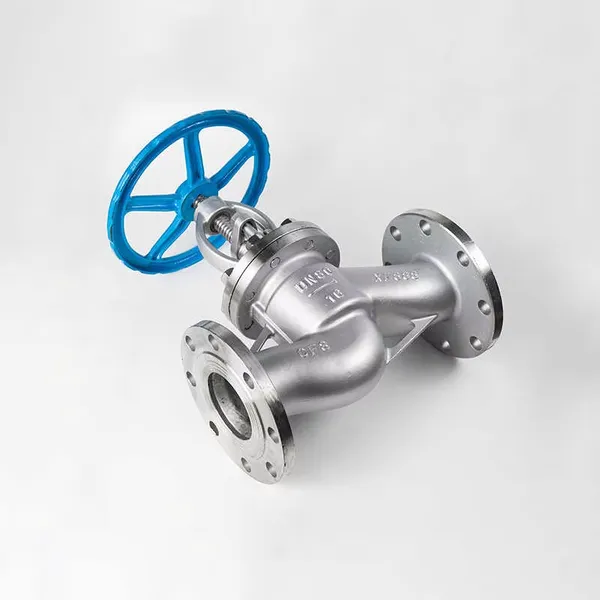
Stainless Steel Globe Valve – High Durability & Corrosion ResistanceNegotiableMOQ: 1 Piece
-
1.4529 Stainless Steel Flat Plate for Chemical Processing EquipmentUS$ 25 - 35MOQ: 1 Kilogram
-
Color Coated Steel Panels for Warehouse Partition Walls (Fireproof Grade)US$ 1 - 1.2MOQ: 50 Kilograms
-
Custom Width (600mm-1250mm) Colored Steel Coil With Scratch ResistanceUS$ 1 - 1.2MOQ: 50 Kilograms
-
0.5mm-3.0mm Colored Coated Steel Sheet With PVDF/Polyester CoatingUS$ 1 - 1.2MOQ: 50 Kilograms
-
JIS G 3322 Compliant Colored Coils With Third-Party Inspection ReportUS$ 1 - 1.2MOQ: 50 Kilograms