
 Business License

How does the corrosion resistance of 304 stainless steel welded pipes perform in different environme
The corrosion resistance of 304 stainless steel welded pipes (06Cr19Ni10) varies significantly depending on environmental conditions such as medium, temperature, and stress. The following are the performance characteristics under typical scenarios:
1. Conventional Atmospheric and Freshwater Environment
Excellent corrosion resistance: In dry atmosphere and clean freshwater (such as tap water, reservoir water), the Cr₂O₃ passivation film formed on the surface is stable and almost no corrosion occurs. The service life can reach over 50 years.
Applicable scenarios: Building decoration, drinking water pipelines, ordinary ventilation systems.
II. Humid / Marine Environment
Corrosion Resistance: Moderate
Corrosion in humid atmosphere: Long-term exposure to high humidity (such as in bathrooms, coastal areas with humid air). If the surface is covered with salt or dust, it may cause minor pitting corrosion or crevice corrosion.
Marine environment: When in direct contact with seawater (containing high concentrations of Cl⁻), the corrosion resistance decreases. At the weld seam, due to the presence of the welding heat-affected zone with low chromium content or residual surface oxide scale, pitting corrosion or intergranular corrosion is more likely to occur.
Safety advice: After welding, the oxide layer must be thoroughly removed and passivation treatment should be carried out. Alternatively, a higher-grade material (such as 316L) can be selected.
III. Chloride Ion (Cl⁻) Containing Medium
Corrosion resistance significantly decreases:
Low concentration Cl⁻ (such as municipal wastewater, swimming pool water, Cl⁻ <100 ppm): Long-term exposure may cause local pitting corrosion, especially when the temperature is > 60℃, the corrosion rate accelerates.
High concentration of Cl⁻ (such as seawater, chemical salt solutions, with Cl⁻ > 1000 ppm): It is prone to penetrate the passivation film, resulting in rapid pitting corrosion or stress corrosion cracking (SCC), and the heat-affected zone of the weld seam is a sensitive area.
Typical failure cases: Rust spots on the welds of stainless steel railings in coastal buildings, and cracking and leakage of welds in chemical pipelines.
IV. Acid/Alkaline Environment
Acid Resistance:
Non-oxidizing acids (such as dilute hydrochloric acid, dilute sulfuric acid): The corrosion resistance is limited. The corrosion intensifies with the increase in concentration. Generally, it is only applicable in normal temperature and low concentration (less than 5%) scenarios.
Oxidizing acids (such as dilute nitric acid): Excellent corrosion resistance. Due to the presence of the Cr element, which can enhance the stability of the passive film in oxidizing media, they are suitable for chemical acid cleaning equipment (concentration <40%, temperature <60℃).
Alkaline resistance: Exhibits excellent corrosion resistance to alkaline solutions such as NaOH and KOH, and can be used in alkaline working conditions (pH ≤ 12) for industries like textiles and papermaking. However, high-concentration strong alkalis (pH > 14) may slowly corrode the passivation film.
V. High Temperature Environment
Antioxidant property: In dry air or neutral atmosphere, the short-term temperature resistance can reach 850℃. For long-term use, it is recommended to keep the temperature below 650℃. Beyond this temperature, the passivation film will gradually peel off, leading to oxidation corrosion.
High-temperature corrosion risk:
In environments with sulfur-containing gases (such as SO₂, H₂S), sulfide corrosion is prone to occur. At the weld seams, corrosion may occur first due to the loss of alloy elements.
In high-temperature and high-pressure water (such as boiler water), if the water quality is not deoxygenated, it may cause crevice corrosion or oxygen corrosion.
VI. Stress and Wear Environment
Stress Corrosion: Under the combined action of tensile stress (such as installation stress, thermal stress) and Cl⁻, intergranular stress corrosion cracking (SCC) may occur, which is commonly seen in heat exchangers and high-pressure pipeline welds.
Abrasion and corrosion: When fluids containing solid particles (such as mineral slurries, seawater erosion) are continuously washed over them, the passivation film will be damaged, leading to an increase in wear and corrosion at the weld seams. It is necessary to enhance the surface hardness or adopt liner protection.
Key measures to enhance corrosion resistance:
Optimize welding process: Use low current and rapid welding to reduce heat input and prevent overheating of the weld seam, which could lead to insufficient chromium content; perform solution treatment or stabilization annealing (such as heating to 850-900℃ and air cooling) after welding.
Surface treatment: Perform acid pickling and passivation to remove the oxide layer, or conduct electrolytic polishing to reduce the surface roughness (Ra ≤ 0.8 μm) and enhance the continuity of the passivation film.
Environmental control: In high Cl⁻ scenarios, control the medium temperature to be less than 60℃, or use coatings (such as epoxy resin) to isolate the corrosive medium; regularly clean the surface deposits to reduce the risk of crevice corrosion.
Summary
The 304 stainless steel welded pipe performs exceptionally well in clean air, fresh water, and non-corrosive media. However, its corrosion resistance is limited in high Cl⁻, strong acid/alkali, high-temperature or stress environments. In practical applications, it is necessary to select the appropriate material (such as upgrading to 316L), optimize the welding quality, and formulate a protection plan based on environmental conditions to prevent local corrosion or premature failure.
Recently Posted
-
Does the stainless steel welded pipe have specific temperature requirements during the solution heat
January 20, 2026Solution heat treatment involves heating stainless steel to a high temperature and then rapidly cooling it to achieve an oversatur Read More
 -
Can stainless steel welded pipes be made into thick pipes
January 20, 2026With the improvement of high-quality welding technology and increasingly strict weld inspection, the application fields of s Read More
 -
Three types of commonly available food-grade stainless steel on the market
January 20, 2026The common food-grade stainless steel pipes are mainly composed of iron, chromium and carbon and other elements. Household stainle Read More
 -
What are the requirements for stainless steel welding pipe production equipment
January 20, 2026As is well known, stainless steel welded pipes have been widely used in various industries such as machinery, chemical engineering Read More

Contact Us
Recommended Products
-
 Stainless Steel Elbow Welded Elbow 45/90/180-degree Seamless Pressed Elbow Long Radius Elbow Short Radius Elbow WholesaleNegotiableMOQ: 1 Piece
 -
316L/1.4405 Seamless Stainless Steel PipeNegotiableMOQ: 2 Meters
-
310s 440 Seamless Sanitary Piping Price 321 904l 201 20 Inch Seamless Steel Pipe A554 Stainless Steel PipeNegotiableMOQ: 1 Piece
-
China Brand ZZ Wholesale 304L 316 316L Welded Austenitic Piping Stainless Steel Pipe SupplierNegotiableMOQ: 2 Meters
-
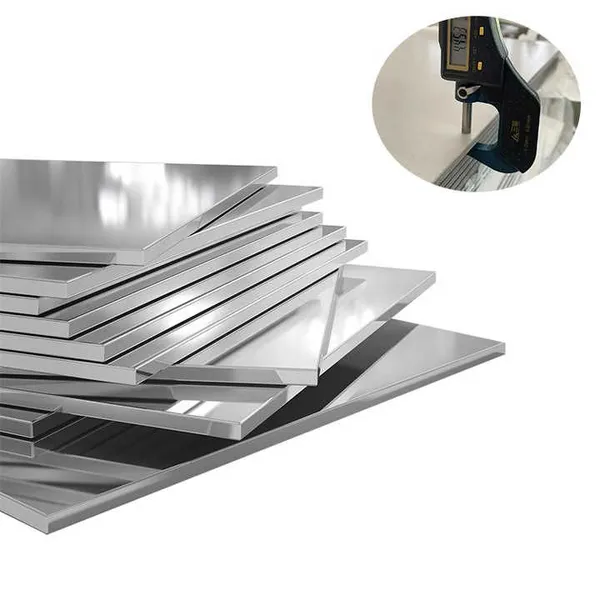
304/304L/316/409/410/904L/2205/2507/310H Premium Stainless Steel Sheets Supplier Custom Sizes & FinishesUS$ 1.72MOQ: 1 Ton
-
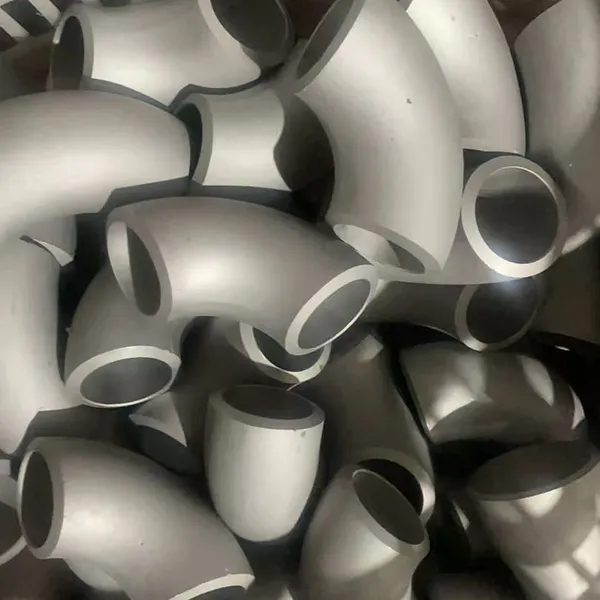
Stainless Steel ASME B16.9 Sch 45 90 Degree Pipe Fittings ElbowUS$ 8MOQ: 1 Piece
-
China Brand Zz 304L 316/316L GB En JIS Standard Thin Wall Welded Stainless Steel Water Pipe/TubeNegotiableMOQ: 2 Meters
-
BA 4 Inch 6 Inch 8 Inch 201 304 304L 316 316L Welded Seamless Stainless Steel PipeNegotiableMOQ: 2 Meters
-
ASME B36.19M-2004 SCH40S Stainless Steel Pipe - Complies With EU 3.1 CertificationUS$ 1 - 650MOQ: 1 Piece
-
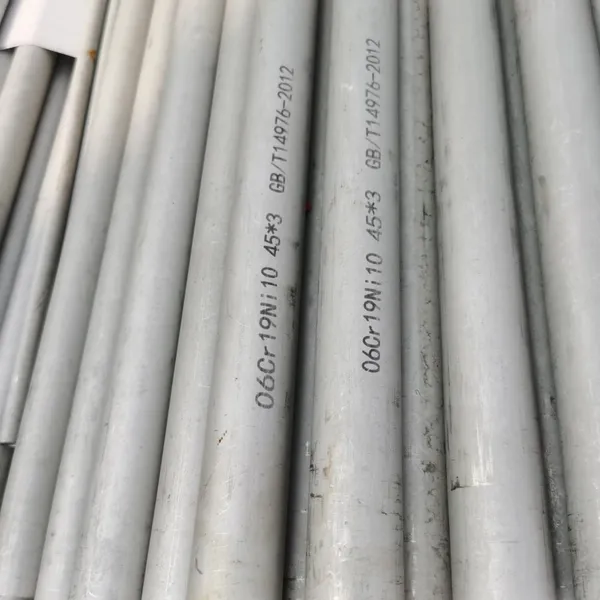
Factory TP309/TP309S/TP309H (UNS30900) Seamless Stainless Steel Pipe and Tube for Boiler BafflesUS$ 8MOQ: 200 Kilograms
-
TP347/TP347H/1.4961/S34709 Seamless Stainless Steel Pipe for UseNegotiableMOQ: 2 Meters
-
China 304 316 Stainless Steel Sanitary Welded Tube Food Grade Sanitary Grade Welded Pipe PolishingNegotiableMOQ: 1 Piece
-
China Manufacture Stainless Steel 316L Ba Seamless Welded Steel Pipe TubesUS$ 1760 - 1860MOQ: 5 Tons
-
316L/1.4405 Seamless Stainless Steel PipeNegotiableMOQ: 2 Meters
-
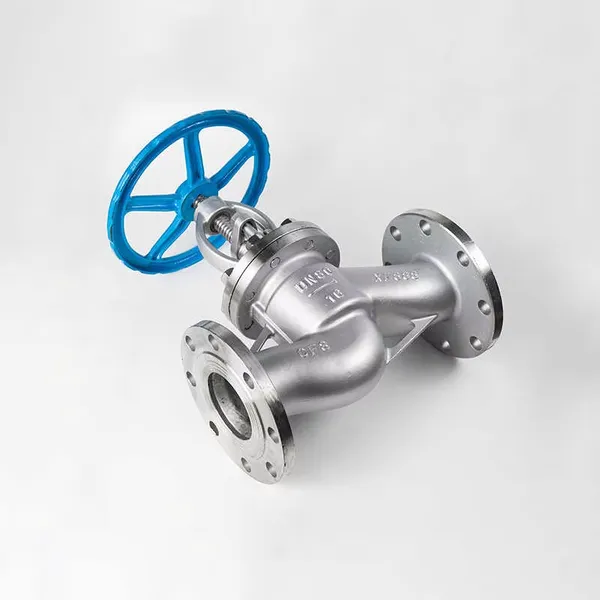
Stainless Steel Globe Valve – High Durability & Corrosion ResistanceNegotiableMOQ: 1 Piece
-
1.4529 Stainless Steel Flat Plate for Chemical Processing EquipmentUS$ 25 - 35MOQ: 1 Kilogram
-
Color Coated Steel Panels for Warehouse Partition Walls (Fireproof Grade)US$ 1 - 1.2MOQ: 50 Kilograms
-
Custom Width (600mm-1250mm) Colored Steel Coil With Scratch ResistanceUS$ 1 - 1.2MOQ: 50 Kilograms
-
0.5mm-3.0mm Colored Coated Steel Sheet With PVDF/Polyester CoatingUS$ 1 - 1.2MOQ: 50 Kilograms
-
JIS G 3322 Compliant Colored Coils With Third-Party Inspection ReportUS$ 1 - 1.2MOQ: 50 Kilograms