
 Business License

How can weld defects be avoided in the construction industry?
In the construction industry, to avoid weld defects, a comprehensive control over the entire process including materials, techniques, personnel and management is necessary. The specific measures are as follows:
I. Material and Equipment Control
1. Welding Material Matching
Welding rods, welding wires, fluxes, etc. must be strictly matched with the base material (such as Q345B, Q235B) and the welding method (such as manual arc welding, gas shielded welding). Avoiding differences in composition from causing cracks, pores, etc. in the weld.
The welding materials should be stored in a dry and ventilated place. Before use, they should be dried according to specifications (for example, alkaline welding rods need to be baked at 350℃ for 1 hour) to prevent excessive hydrogen content in the weld due to moisture absorption.
2. Equipment Calibration
Welding equipment (such as electric welders, gas shielded welders) should be calibrated regularly to ensure stable parameters such as current, voltage, and gas flow, to prevent problems like insufficient weld penetration or weld spatter due to equipment failure.
II. Optimization of Welding Process
1. Process Evaluation and Parameter Design
Before welding, a process evaluation (such as GB 50661-2020 "Steel Structure Welding Code") must be conducted. Based on the thickness of the components and the type of joint (such as butt joint, fillet joint), reasonable parameters (such as welding current, speed, and number of layers) should be determined.
For thick plate welding (where the plate thickness is greater than 30mm), preheating (at 80 to 150℃) and post-heating (at 200 to 300℃ for holding) are required to slow down the cooling rate, reduce the hardened structure and welding stress.
2. Groove and Joint Processing
The groove angle and root edge size must meet the design requirements (for example, the groove angle is 60° ± 5°). Before welding, remove oil, rust, and moisture from the groove surface to avoid slag inclusion and pores.
Spot welding must be performed by a certified welder. The weld length should be ≥ 50mm, with an interval of 300 to 600mm. To prevent defects (such as cracks) from spot welding from becoming a major hazard for the main weld.
III. Personnel Skills and Operating Standards
1. Welder Qualification Management
Welders must hold valid qualification certificates (such as the steel structure welding certificate issued by the Ministry of Housing and Urban-Rural Development), and perform welding within the approved scope (i.e., the qualified examination items should match the weld location and welding method).
Regularly conduct training and assessment, strengthen key technologies such as "single-sided welding, double-sided forming" and "multi-layer, multi-pass welding", and reduce defects such as incomplete fusion and poor formation.
2. Process Control
Adhere to the principle of "short arc, uniform speed, straight welding path", control the temperature and shape of the molten pool, and avoid edge penetration and incomplete welding due to improper operation.
When performing multi-layer welding, it is necessary to remove the welding slag from the previous layer and inspect the surface quality. The interlayer temperature must meet the process requirements (such as not being lower than the preheating temperature).
IV. Quality Inspection and Process Management
1. Pre-weld Inspection
Verify the material and welding rod specifications of the base metal, inspect the processing quality of the groove and the assembly accuracy (such as the deviation of the edge should be ≤ 3mm), and welding shall not be carried out if the requirements are not met.
2. Welding Monitoring
Arrange for quality inspectors to conduct on-site inspections, record the execution of welding parameters, and promptly correct any violations (such as excessive current causing burn-through).
3. Post-weld Inspection
All weld seams need to undergo visual inspection (as per GB 50205-2020), with a focus on identifying surface defects such as undercut, porosity, and weld spatter;
For critical structural weld seams (such as crane beams and large-span trusses), non-destructive testing (such as UT ultrasonic or RT radiographic testing) should be conducted at a certain ratio. The ultrasonic testing coverage for grade I weld seams is 100%, and for grade II weld seams, it should be ≥ 20%.
4. Defect Repair Management
When excessive defects (such as cracks, incomplete fusion) are detected, a special repair plan needs to be formulated. Carbon arc gas cutting is used to remove the defects and then the area is polished to a metallic luster. The weld is re-welded according to the process, and the repaired part is re-inspected.
V. Environment and Safety Assurance
1. Environmental Condition Control
When it is raining, snowing, or the wind speed exceeds 8m/s, protective measures (such as setting up a welding shelter) must be taken. When the ambient temperature is below 0℃, it is necessary to preheat it to the minimum allowable temperature (such as the thickness of the base material × 10℃ and ≥ 15℃).
2. Safety Protection
For welding at heights, safety belts must be worn and a fire-catching bucket should be set up to prevent sparks from falling; when using gas shielded welding, ensure good ventilation to avoid the hazards of welding fumes.
Summary
To avoid weld defects, a quality control system featuring "qualified materials, scientific processes, certified personnel, strict management, and comprehensive inspections" must be established. Through meticulous management throughout the entire process, welding risks can be reduced at the source, ensuring the safety of the building structure.
Recently Posted
-
Does the stainless steel welded pipe have specific temperature requirements during the solution heat
January 20, 2026Solution heat treatment involves heating stainless steel to a high temperature and then rapidly cooling it to achieve an oversatur Read More
 -
Can stainless steel welded pipes be made into thick pipes
January 20, 2026With the improvement of high-quality welding technology and increasingly strict weld inspection, the application fields of s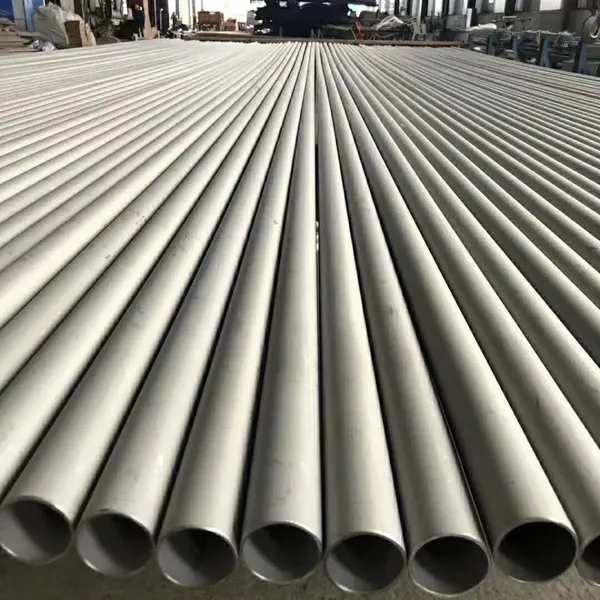 Read More
 -
Three types of commonly available food-grade stainless steel on the market
January 20, 2026The common food-grade stainless steel pipes are mainly composed of iron, chromium and carbon and other elements. Household stainle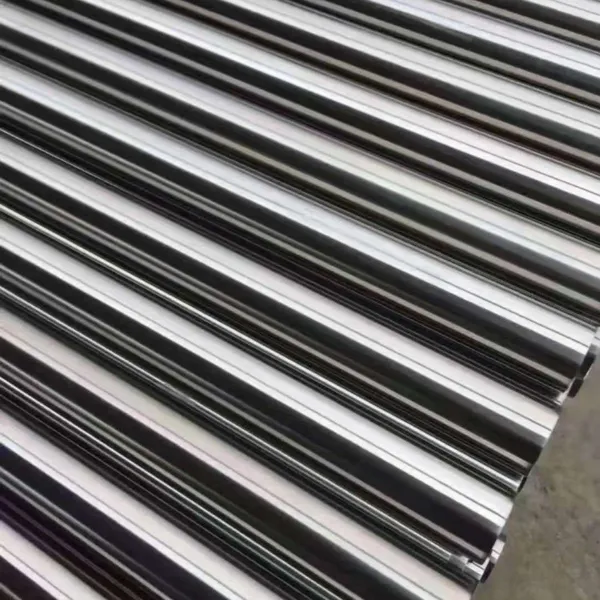 Read More
 -
What are the requirements for stainless steel welding pipe production equipment
January 20, 2026As is well known, stainless steel welded pipes have been widely used in various industries such as machinery, chemical engineering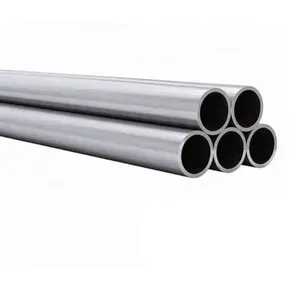 Read More

Contact Us
Recommended Products
-
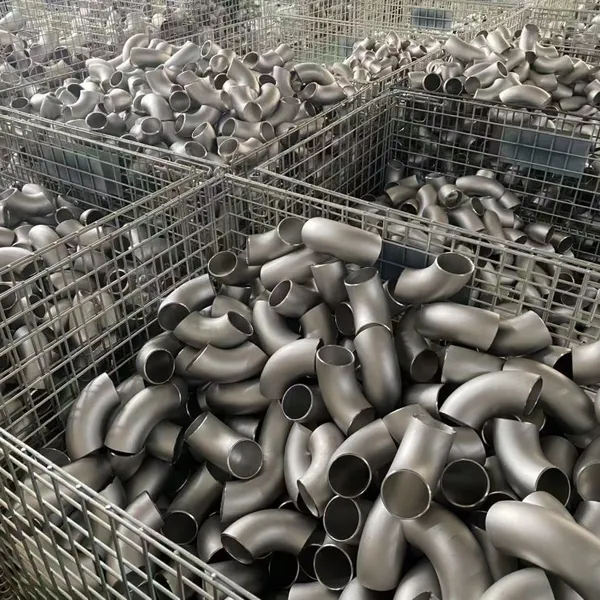
 Stainless Steel Elbow Welded Elbow 45/90/180-degree Seamless Pressed Elbow Long Radius Elbow Short Radius Elbow WholesaleNegotiableMOQ: 1 Piece
 -
316L/1.4405 Seamless Stainless Steel PipeNegotiableMOQ: 2 Meters
-
310s 440 Seamless Sanitary Piping Price 321 904l 201 20 Inch Seamless Steel Pipe A554 Stainless Steel PipeNegotiableMOQ: 1 Piece
-
China Brand ZZ Wholesale 304L 316 316L Welded Austenitic Piping Stainless Steel Pipe SupplierNegotiableMOQ: 2 Meters
-
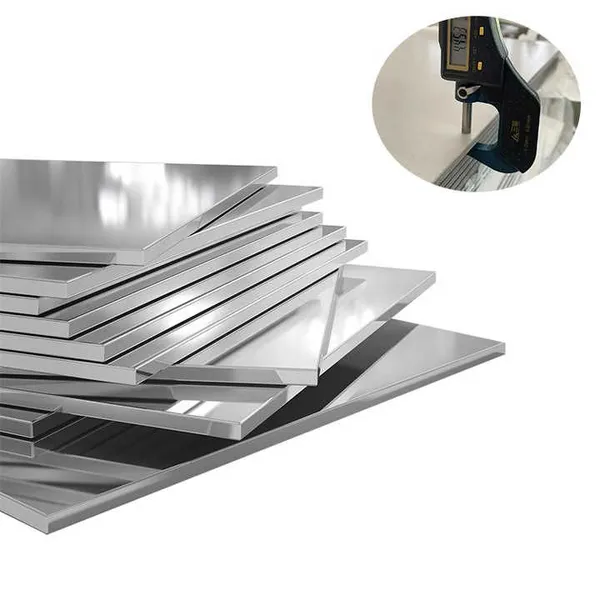
304/304L/316/409/410/904L/2205/2507/310H Premium Stainless Steel Sheets Supplier Custom Sizes & FinishesUS$ 1.72MOQ: 1 Ton
-
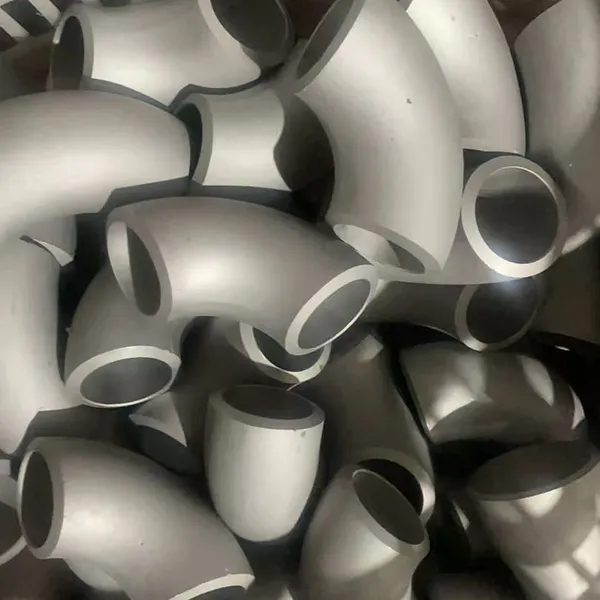
Stainless Steel ASME B16.9 Sch 45 90 Degree Pipe Fittings ElbowUS$ 8MOQ: 1 Piece
-
China Brand Zz 304L 316/316L GB En JIS Standard Thin Wall Welded Stainless Steel Water Pipe/TubeNegotiableMOQ: 2 Meters
-
BA 4 Inch 6 Inch 8 Inch 201 304 304L 316 316L Welded Seamless Stainless Steel PipeNegotiableMOQ: 2 Meters
-
ASME B36.19M-2004 SCH40S Stainless Steel Pipe - Complies With EU 3.1 CertificationUS$ 1 - 650MOQ: 1 Piece
-
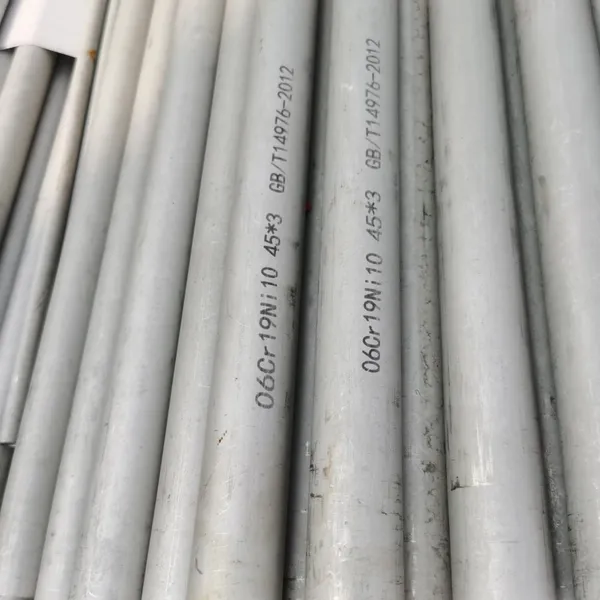
Factory TP309/TP309S/TP309H (UNS30900) Seamless Stainless Steel Pipe and Tube for Boiler BafflesUS$ 8MOQ: 200 Kilograms
-
TP347/TP347H/1.4961/S34709 Seamless Stainless Steel Pipe for UseNegotiableMOQ: 2 Meters
-
China 304 316 Stainless Steel Sanitary Welded Tube Food Grade Sanitary Grade Welded Pipe PolishingNegotiableMOQ: 1 Piece
-
China Manufacture Stainless Steel 316L Ba Seamless Welded Steel Pipe TubesUS$ 1760 - 1860MOQ: 5 Tons
-
316L/1.4405 Seamless Stainless Steel PipeNegotiableMOQ: 2 Meters
-
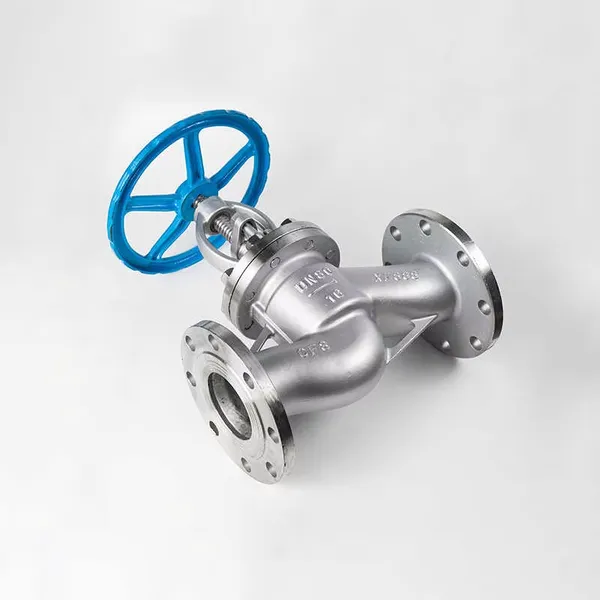
Stainless Steel Globe Valve – High Durability & Corrosion ResistanceNegotiableMOQ: 1 Piece
-
1.4529 Stainless Steel Flat Plate for Chemical Processing EquipmentUS$ 25 - 35MOQ: 1 Kilogram
-
Color Coated Steel Panels for Warehouse Partition Walls (Fireproof Grade)US$ 1 - 1.2MOQ: 50 Kilograms
-
Custom Width (600mm-1250mm) Colored Steel Coil With Scratch ResistanceUS$ 1 - 1.2MOQ: 50 Kilograms
-
0.5mm-3.0mm Colored Coated Steel Sheet With PVDF/Polyester CoatingUS$ 1 - 1.2MOQ: 50 Kilograms
-
JIS G 3322 Compliant Colored Coils With Third-Party Inspection ReportUS$ 1 - 1.2MOQ: 50 Kilograms