
 Business License

The stainless steel heat exchange tubes and stainless steel fluid tubes differ in several aspects
I. Composition and Properties
Stainless steel heat exchange tubes: The main requirement is that the material should have good thermal conductivity to achieve efficient heat transfer. The commonly used stainless steel materials are selected to ensure corrosion resistance while also emphasizing their thermal conductivity. For example, some stainless steel with higher nickel and chromium contents can maintain stable performance in high-temperature and corrosive medium environments, such as 304 and 316L materials.
Stainless steel fluid tubes: They have extremely high requirements for corrosion resistance to ensure that the pipeline is not corroded when transporting various fluids, thereby guaranteeing the quality of the fluid and the service life of the pipeline. At the same time, they need to have certain strength and toughness to withstand the pressure of the fluid and external environmental forces. Besides the commonly used 304 and 316L stainless steel, for some special fluids, more targeted corrosion-resistant stainless steel materials may be selected.
II. Appearance and Dimensions
Stainless steel heat exchange tubes: To enhance the heat exchange effect, their surfaces may have various special treatments or structures, such as fins, threads, etc. The tube diameters are generally relatively small, with common outer diameters ranging from 10 to 50mm. The wall thickness is also relatively thin, usually between 1 and 3mm. However, according to different heat exchange equipment and operating conditions, there are also products of other size specifications.
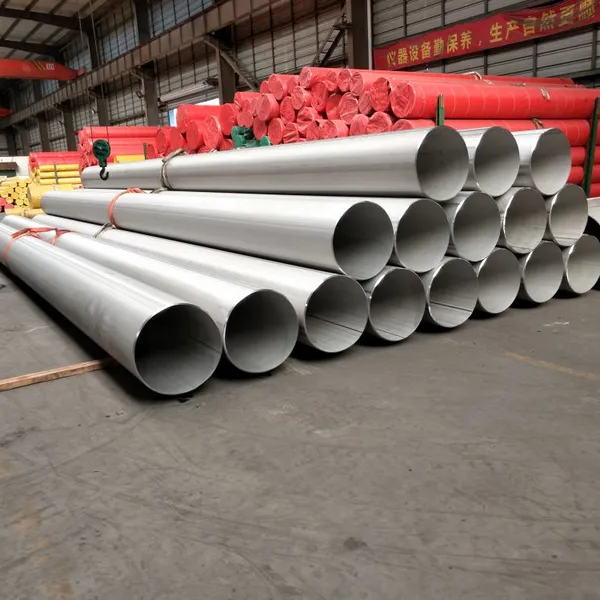
Stainless steel fluid tubes: The appearance is usually a smooth straight tube to reduce the resistance during fluid transportation. The tube diameters range widely, from a few millimeters to several hundred millimeters, and the wall thickness also varies according to different pressures and usage requirements, ranging from thin-walled to thick-walled.
III. Manufacturing Process
Stainless steel heat exchange tubes: The manufacturing process is rather complex. Besides the basic production process of stainless steel tubes, some special processing is required to meet the heat exchange requirements. For instance, to enhance the heat exchange efficiency, rolling, stretching, and other processes are adopted to form fins or threaded structures on the surface of the tubes. For some high-precision heat exchange tubes, the dimensional accuracy and surface quality need to be strictly controlled.
Stainless steel fluid tubes: The manufacturing process mainly focuses on ensuring the strength, sealing performance, and corrosion resistance of the pipes. Seamless fluid tubes are usually manufactured through processes such as perforation, cold drawing, or cold rolling, while welded fluid tubes are formed through welding and undergo weld treatment and inspection to ensure the quality of the pipes.
IV. Application Fields
Stainless steel heat exchange tubes: Widely used in various equipment that require heat exchange, such as evaporators and condensers in air conditioning systems, heat exchangers in the chemical industry, and condensers in the power industry. In these devices, the heat exchange tubes enable the flow of two fluids with different temperatures to flow inside and outside the tube, achieving heat transfer and exchange.
Stainless steel fluid tubes: Mainly used in various fluid transportation systems, including building water supply and drainage systems, industrial fluid transportation pipelines (such as petroleum, chemical raw materials, gas, etc.), and fluid transportation pipelines in the food and beverage industry. Their function is to safely and stably transport fluids from one place to another.
V. Quality Inspection Standards
Stainless steel heat exchange tubes: In addition to the conventional inspection items such as size, appearance, and material, their heat exchange performance also needs to be tested and evaluated. For example, through experimental tests, indicators such as heat transfer coefficient and thermal resistance under different working conditions should be measured to ensure that they meet the design requirements of the heat exchange equipment. At the same time, there are also high requirements for the cleanliness and roughness of the inner surface of the tubes to avoid affecting the heat exchange effect and causing scaling and other problems.
Stainless steel fluid tubes: The key inspection items include the pressure resistance, sealing performance, corrosion resistance, and internal cleanliness of the pipeline. Through pressure tests, corrosion tests, etc., it is ensured that the pipeline can operate safely and reliably under the specified working pressure and fluid environment, and prevent leakage, corrosion perforation, and other problems.
Recently Posted
-
Does the stainless steel welded pipe have specific temperature requirements during the solution heat
January 20, 2026Solution heat treatment involves heating stainless steel to a high temperature and then rapidly cooling it to achieve an oversatur Read More
 -
Can stainless steel welded pipes be made into thick pipes
January 20, 2026With the improvement of high-quality welding technology and increasingly strict weld inspection, the application fields of s Read More
 -
Three types of commonly available food-grade stainless steel on the market
January 20, 2026The common food-grade stainless steel pipes are mainly composed of iron, chromium and carbon and other elements. Household stainle Read More
 -
What are the requirements for stainless steel welding pipe production equipment
January 20, 2026As is well known, stainless steel welded pipes have been widely used in various industries such as machinery, chemical engineering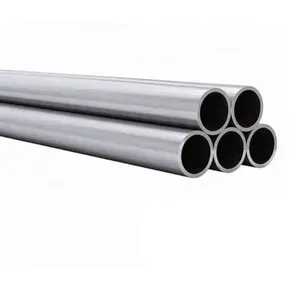 Read More

Contact Us
Recommended Products
-
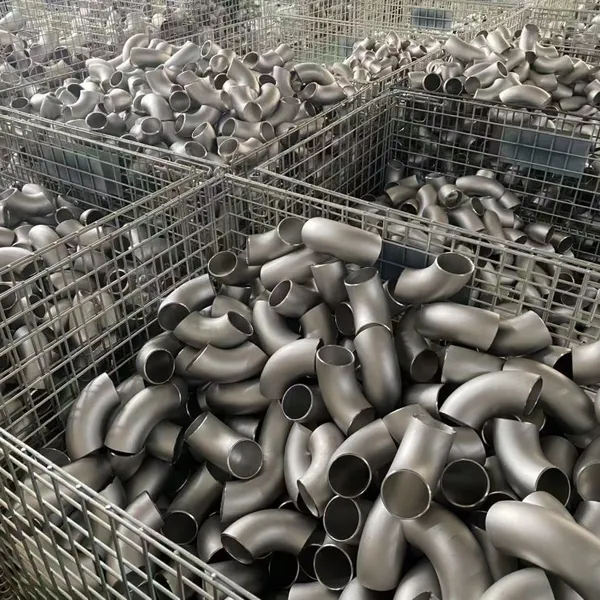
 Stainless Steel Elbow Welded Elbow 45/90/180-degree Seamless Pressed Elbow Long Radius Elbow Short Radius Elbow WholesaleNegotiableMOQ: 1 Piece
 -
316L/1.4405 Seamless Stainless Steel PipeNegotiableMOQ: 2 Meters
-
310s 440 Seamless Sanitary Piping Price 321 904l 201 20 Inch Seamless Steel Pipe A554 Stainless Steel PipeNegotiableMOQ: 1 Piece
-
China Brand ZZ Wholesale 304L 316 316L Welded Austenitic Piping Stainless Steel Pipe SupplierNegotiableMOQ: 2 Meters
-
304/304L/316/409/410/904L/2205/2507/310H Premium Stainless Steel Sheets Supplier Custom Sizes & FinishesUS$ 1.72MOQ: 1 Ton
-
Stainless Steel ASME B16.9 Sch 45 90 Degree Pipe Fittings ElbowUS$ 8MOQ: 1 Piece
-
China Brand Zz 304L 316/316L GB En JIS Standard Thin Wall Welded Stainless Steel Water Pipe/TubeNegotiableMOQ: 2 Meters
-
BA 4 Inch 6 Inch 8 Inch 201 304 304L 316 316L Welded Seamless Stainless Steel PipeNegotiableMOQ: 2 Meters
-
ASME B36.19M-2004 SCH40S Stainless Steel Pipe - Complies With EU 3.1 CertificationUS$ 1 - 650MOQ: 1 Piece
-
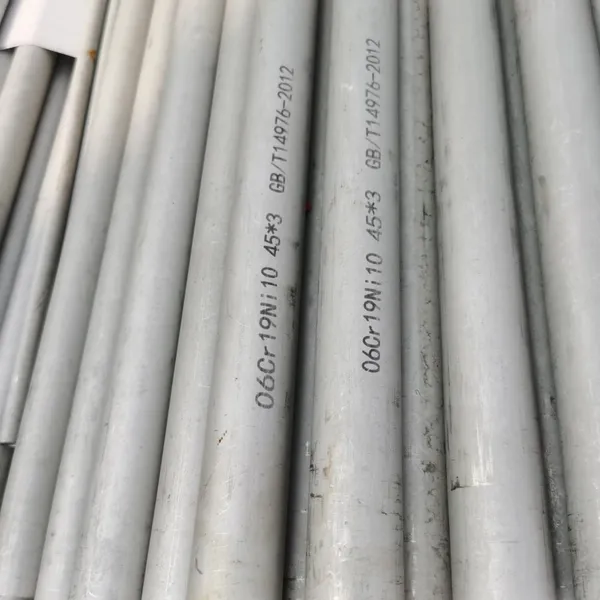
Factory TP309/TP309S/TP309H (UNS30900) Seamless Stainless Steel Pipe and Tube for Boiler BafflesUS$ 8MOQ: 200 Kilograms
-
TP347/TP347H/1.4961/S34709 Seamless Stainless Steel Pipe for UseNegotiableMOQ: 2 Meters
-
China 304 316 Stainless Steel Sanitary Welded Tube Food Grade Sanitary Grade Welded Pipe PolishingNegotiableMOQ: 1 Piece
-
China Manufacture Stainless Steel 316L Ba Seamless Welded Steel Pipe TubesUS$ 1760 - 1860MOQ: 5 Tons
-
316L/1.4405 Seamless Stainless Steel PipeNegotiableMOQ: 2 Meters
-
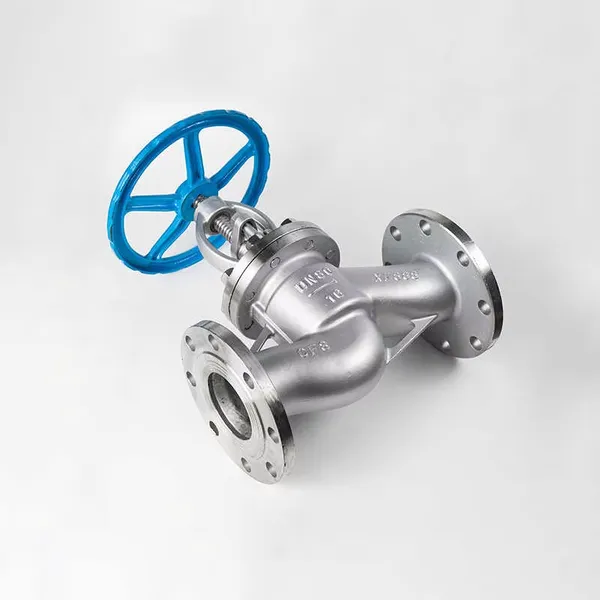
Stainless Steel Globe Valve – High Durability & Corrosion ResistanceNegotiableMOQ: 1 Piece
-
1.4529 Stainless Steel Flat Plate for Chemical Processing EquipmentUS$ 25 - 35MOQ: 1 Kilogram
-
Color Coated Steel Panels for Warehouse Partition Walls (Fireproof Grade)US$ 1 - 1.2MOQ: 50 Kilograms
-
Custom Width (600mm-1250mm) Colored Steel Coil With Scratch ResistanceUS$ 1 - 1.2MOQ: 50 Kilograms
-
0.5mm-3.0mm Colored Coated Steel Sheet With PVDF/Polyester CoatingUS$ 1 - 1.2MOQ: 50 Kilograms
-
JIS G 3322 Compliant Colored Coils With Third-Party Inspection ReportUS$ 1 - 1.2MOQ: 50 Kilograms