
 Business License

What are the differences between pitting corrosion and crevice corrosion of stainless steel pipes
The pitting and crevice corrosion of stainless steel pipes in marine environments have the following differences:
Location of occurrence
Pitting corrosion: It usually occurs in areas on the surface of stainless steel pipes where there are defects in the passivation film or where chloride ions are locally concentrated. These areas may be scratches on the pipe surface, impurity spots, etc. The location is relatively random and can occur at any part of the pipe.
Crevice corrosion: It mainly occurs at the connection points of pipes, at the gasket areas, near the weld seams, and where there is a deposit covering to form a crevice. These areas are due to the presence of narrow crevices, which allow electrolytes such as seawater to enter and create a special corrosive environment.
Corrosion forms
Pitting corrosion: It appears as various-sized and varying-depth pits distributed on the surface of the stainless steel pipe. The pits are generally small and deep, with a relatively large ratio of depth to diameter. Some of the pits may penetrate into the interior of the pipe and even penetrate the pipe wall.
Crevice corrosion: Occurs within the crevice. Its appearance may manifest as corrosion products accumulating around the crevice, with pits or ulcer-like corrosion on the metal surface within the crevice. The corrosion area is relatively concentrated near the crevice, unlike pitting corrosion which is more dispersed.
Corrosion mechanism
Pitting corrosion: The abundant chloride ions in the ocean can destroy the passive film on the surface of stainless steel pipes. The local areas where the passive film is damaged form small anodes, while the areas with undamaged passive film act as cathodes, forming a corrosion cell and causing pitting corrosion.
Crevice corrosion: This occurs when electrolytes such as seawater enter the crevice. Due to limited diffusion, a concentration difference battery is formed both inside and outside the crevice. The concentration of metal ions inside the crevice increases. To maintain electrical neutrality, anions such as chloride ions migrate in, causing the solution inside the crevice to become acidic, accelerating the dissolution of the metal, and thus leading to crevice corrosion.
Development speed
Pitting corrosion: The development speed of pitting corrosion is relatively fast. Under suitable conditions, the corrosion holes may rapidly deepen within a short period of time. Especially in environments with high chloride ion concentration and oxidizing conditions, it is prone to cause local perforation of the pipe material, resulting in serious consequences such as leakage.
Crevice corrosion: Its development rate is usually slightly slower than that of pitting corrosion. It requires a certain period of time to form a concentration difference and an acidic environment. However, once it occurs, it will gradually cause the metal in the crevice to be corroded continuously, eventually leading to the expansion of the crevice, loosening of the connection part or a decrease in the structural strength of the pipe material.
Recently Posted
-
Does the stainless steel welded pipe have specific temperature requirements during the solution heat
January 20, 2026Solution heat treatment involves heating stainless steel to a high temperature and then rapidly cooling it to achieve an oversatur Read More
 -
Can stainless steel welded pipes be made into thick pipes
January 20, 2026With the improvement of high-quality welding technology and increasingly strict weld inspection, the application fields of s Read More
 -
Three types of commonly available food-grade stainless steel on the market
January 20, 2026The common food-grade stainless steel pipes are mainly composed of iron, chromium and carbon and other elements. Household stainle Read More
 -
What are the requirements for stainless steel welding pipe production equipment
January 20, 2026As is well known, stainless steel welded pipes have been widely used in various industries such as machinery, chemical engineering Read More

Contact Us
Recommended Products
-
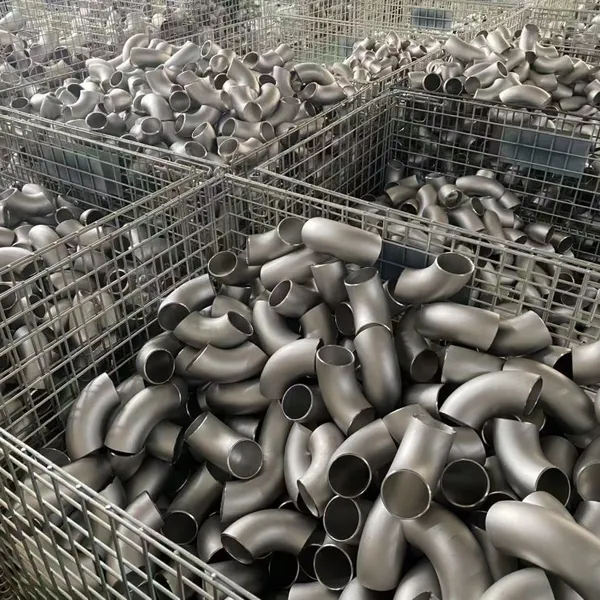
 Stainless Steel Elbow Welded Elbow 45/90/180-degree Seamless Pressed Elbow Long Radius Elbow Short Radius Elbow WholesaleNegotiableMOQ: 1 Piece
 -
316L/1.4405 Seamless Stainless Steel PipeNegotiableMOQ: 2 Meters
-
310s 440 Seamless Sanitary Piping Price 321 904l 201 20 Inch Seamless Steel Pipe A554 Stainless Steel PipeNegotiableMOQ: 1 Piece
-
China Brand ZZ Wholesale 304L 316 316L Welded Austenitic Piping Stainless Steel Pipe SupplierNegotiableMOQ: 2 Meters
-
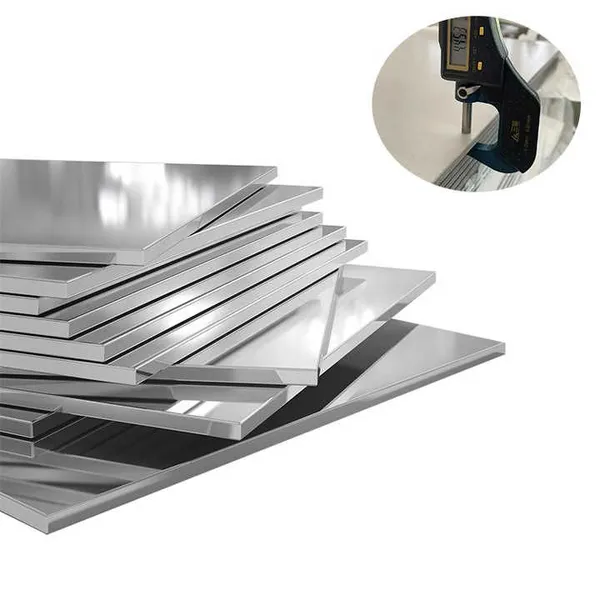
304/304L/316/409/410/904L/2205/2507/310H Premium Stainless Steel Sheets Supplier Custom Sizes & FinishesUS$ 1.72MOQ: 1 Ton
-
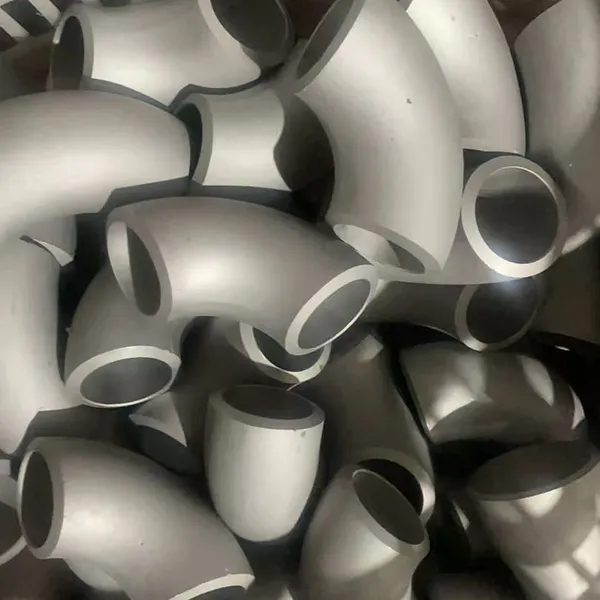
Stainless Steel ASME B16.9 Sch 45 90 Degree Pipe Fittings ElbowUS$ 8MOQ: 1 Piece
-
China Brand Zz 304L 316/316L GB En JIS Standard Thin Wall Welded Stainless Steel Water Pipe/TubeNegotiableMOQ: 2 Meters
-
BA 4 Inch 6 Inch 8 Inch 201 304 304L 316 316L Welded Seamless Stainless Steel PipeNegotiableMOQ: 2 Meters
-
ASME B36.19M-2004 SCH40S Stainless Steel Pipe - Complies With EU 3.1 CertificationUS$ 1 - 650MOQ: 1 Piece
-
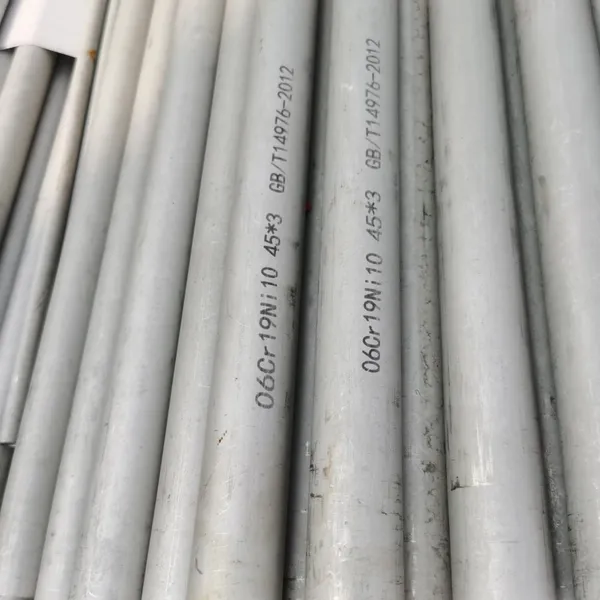
Factory TP309/TP309S/TP309H (UNS30900) Seamless Stainless Steel Pipe and Tube for Boiler BafflesUS$ 8MOQ: 200 Kilograms
-
TP347/TP347H/1.4961/S34709 Seamless Stainless Steel Pipe for UseNegotiableMOQ: 2 Meters
-
China 304 316 Stainless Steel Sanitary Welded Tube Food Grade Sanitary Grade Welded Pipe PolishingNegotiableMOQ: 1 Piece
-
China Manufacture Stainless Steel 316L Ba Seamless Welded Steel Pipe TubesUS$ 1760 - 1860MOQ: 5 Tons
-
316L/1.4405 Seamless Stainless Steel PipeNegotiableMOQ: 2 Meters
-
Stainless Steel Globe Valve – High Durability & Corrosion ResistanceNegotiableMOQ: 1 Piece
-
1.4529 Stainless Steel Flat Plate for Chemical Processing EquipmentUS$ 25 - 35MOQ: 1 Kilogram
-
Color Coated Steel Panels for Warehouse Partition Walls (Fireproof Grade)US$ 1 - 1.2MOQ: 50 Kilograms
-
Custom Width (600mm-1250mm) Colored Steel Coil With Scratch ResistanceUS$ 1 - 1.2MOQ: 50 Kilograms
-
0.5mm-3.0mm Colored Coated Steel Sheet With PVDF/Polyester CoatingUS$ 1 - 1.2MOQ: 50 Kilograms
-
JIS G 3322 Compliant Colored Coils With Third-Party Inspection ReportUS$ 1 - 1.2MOQ: 50 Kilograms