
 Business License

What is the corrosion mechanism of 304 stainless steel pipes when transporting chemical media
When 304 stainless steel pipes are used for transporting chemical media, the corrosion mechanisms mainly include the following types:
Uniform corrosion: Electrolytes such as acids, bases, and salts in the chemical medium react chemically with the metal on the surface of the stainless steel pipe, causing the metal to gradually dissolve. This process occurs uniformly across the entire surface of the metal, resulting in a gradual thinning of the pipe wall thickness. For example, in a chemical medium containing dilute sulfuric acid, iron reacts with sulfuric acid to form ferrous sulfate and hydrogen gas, causing the metal on the surface of the stainless steel pipe to continuously be lost.
2. Pitting Corrosion: The surface of 304 stainless steel has a passivation film. However, when the chemical medium contains chloride ions, bromide ions, or other halide ions, these ions will adsorb onto the surface of the passivation film, replacing the oxygen atoms, causing local damage to the passivation film. The exposed metal at the damaged area is exposed to the chemical medium, forming a small anode, while the large area of the passivation film around acts as the cathode, forming a microbattery, triggering local corrosion and forming point-shaped pits. For example, 304 stainless steel pipes are prone to pitting corrosion in seawater or other chlorine-containing media.
3. Crevice Corrosion: When stainless steel pipes are connected to other components or there are gaps, the chemical medium is prone to accumulate in the gaps and is difficult to flow and be renewed. As the medium concentrates in the gaps, the concentration of corrosive ions increases, forming a concentration cell, which accelerates the corrosion of the metal in the gaps. For example, at the flange connection area or at the gap where the gasket contacts the pipe, crevice corrosion is likely to occur.
4. Stress Corrosion Cracking: When 304 stainless steel pipes are transporting chemical media, if they are simultaneously subjected to tensile stress (such as the stress generated by the internal pressure of the pipeline) and the action of specific corrosive media, stress corrosion cracking will occur. Under the action of tensile stress, the passivation film on the metal surface breaks, forming a crack source. The corrosive medium enters the crack and accelerates the crack propagation, ultimately leading to pipeline rupture. In high-temperature and high-pressure chemical media containing chlorides, 304 stainless steel pipes are prone to stress corrosion cracking.
5. Intergranular Corrosion: During the welding or heat treatment process of 304 stainless steel, due to the influence of heating temperature and time, chromium carbides will precipitate at the grain boundaries, reducing the chromium content near the grain boundaries and forming a chromium-poor zone. When in a specific chemical medium, the electrode potential of the chromium-poor zone is lower, making it an anode and being corroded preferentially, spreading along the grain boundaries, thereby destroying the bonding force between the grains and significantly reducing the strength and toughness of the stainless steel.
Recently Posted
-
Does the stainless steel welded pipe have specific temperature requirements during the solution heat
January 20, 2026Solution heat treatment involves heating stainless steel to a high temperature and then rapidly cooling it to achieve an oversatur Read More
 -
Can stainless steel welded pipes be made into thick pipes
January 20, 2026With the improvement of high-quality welding technology and increasingly strict weld inspection, the application fields of s Read More
 -
Three types of commonly available food-grade stainless steel on the market
January 20, 2026The common food-grade stainless steel pipes are mainly composed of iron, chromium and carbon and other elements. Household stainle Read More
 -
What are the requirements for stainless steel welding pipe production equipment
January 20, 2026As is well known, stainless steel welded pipes have been widely used in various industries such as machinery, chemical engineering Read More

Contact Us
Recommended Products
-
 Stainless Steel Elbow Welded Elbow 45/90/180-degree Seamless Pressed Elbow Long Radius Elbow Short Radius Elbow WholesaleNegotiableMOQ: 1 Piece
 -
316L/1.4405 Seamless Stainless Steel PipeNegotiableMOQ: 2 Meters
-
310s 440 Seamless Sanitary Piping Price 321 904l 201 20 Inch Seamless Steel Pipe A554 Stainless Steel PipeNegotiableMOQ: 1 Piece
-
China Brand ZZ Wholesale 304L 316 316L Welded Austenitic Piping Stainless Steel Pipe SupplierNegotiableMOQ: 2 Meters
-
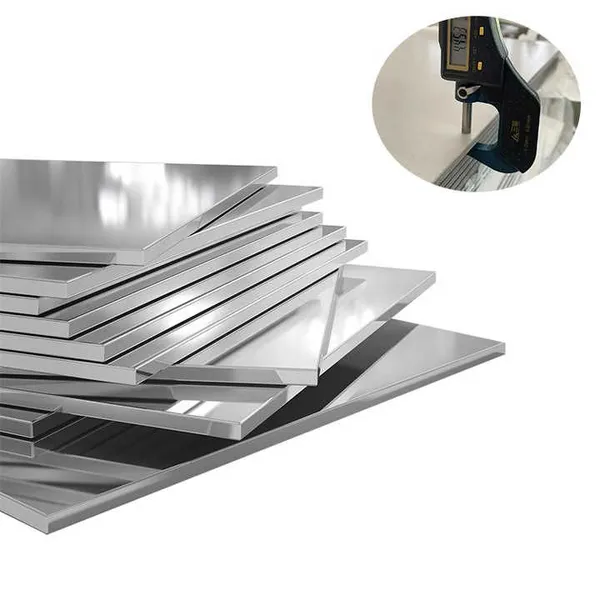
304/304L/316/409/410/904L/2205/2507/310H Premium Stainless Steel Sheets Supplier Custom Sizes & FinishesUS$ 1.72MOQ: 1 Ton
-
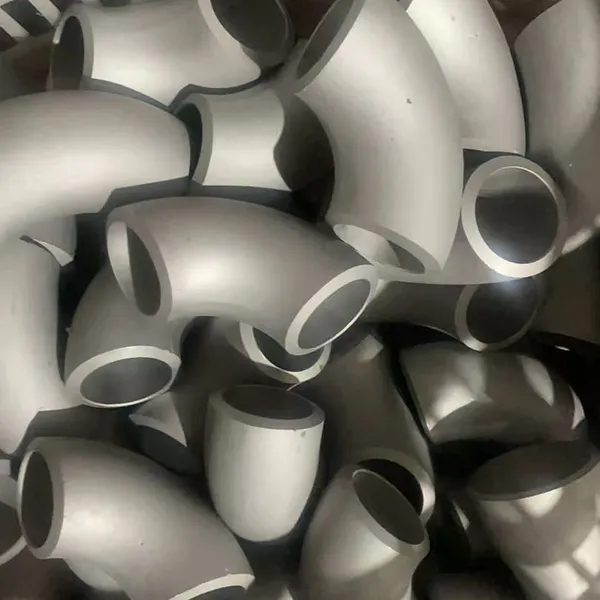
Stainless Steel ASME B16.9 Sch 45 90 Degree Pipe Fittings ElbowUS$ 8MOQ: 1 Piece
-
China Brand Zz 304L 316/316L GB En JIS Standard Thin Wall Welded Stainless Steel Water Pipe/TubeNegotiableMOQ: 2 Meters
-
BA 4 Inch 6 Inch 8 Inch 201 304 304L 316 316L Welded Seamless Stainless Steel PipeNegotiableMOQ: 2 Meters
-
ASME B36.19M-2004 SCH40S Stainless Steel Pipe - Complies With EU 3.1 CertificationUS$ 1 - 650MOQ: 1 Piece
-
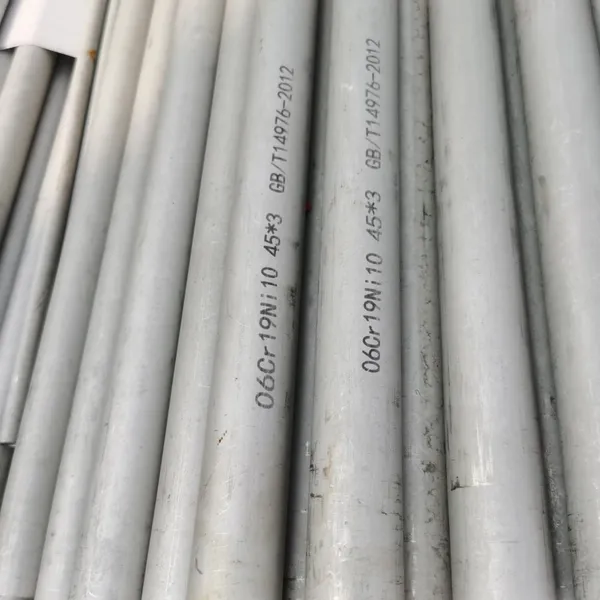
Factory TP309/TP309S/TP309H (UNS30900) Seamless Stainless Steel Pipe and Tube for Boiler BafflesUS$ 8MOQ: 200 Kilograms
-
TP347/TP347H/1.4961/S34709 Seamless Stainless Steel Pipe for UseNegotiableMOQ: 2 Meters
-
China 304 316 Stainless Steel Sanitary Welded Tube Food Grade Sanitary Grade Welded Pipe PolishingNegotiableMOQ: 1 Piece
-
China Manufacture Stainless Steel 316L Ba Seamless Welded Steel Pipe TubesUS$ 1760 - 1860MOQ: 5 Tons
-
316L/1.4405 Seamless Stainless Steel PipeNegotiableMOQ: 2 Meters
-
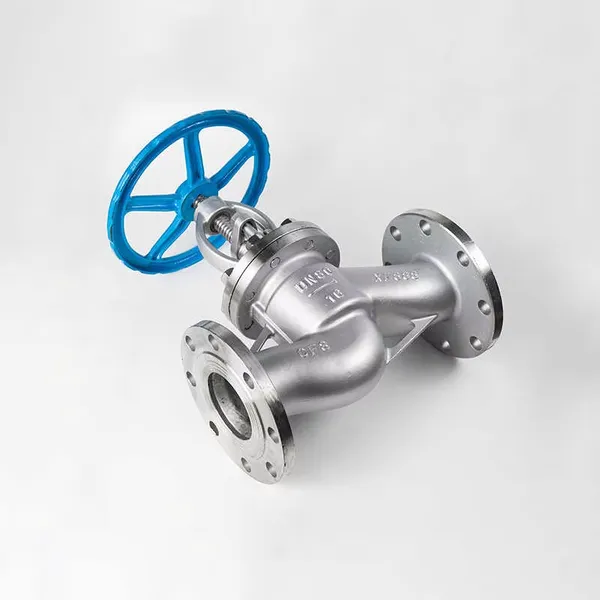
Stainless Steel Globe Valve – High Durability & Corrosion ResistanceNegotiableMOQ: 1 Piece
-
World's Most Affordable Color-Coated Steel Sheets - 0.3mm to 3mm Thickness - Mill Test Report IncludedUS$ 1102MOQ: 10 Kilograms
-
Color-Coated Steel Sheets With 15-Year Fade Warranty - JIS G 3322 Standard CompliantUS$ 1102MOQ: 10 Kilograms
-
Prefab Building Material - 0.4mm Color-Coated Corrugated Sheets - 100,000㎡ Monthly OutputUS$ 1102MOQ: 10 Kilograms
-
Industrial-Grade Color-Coated Sheets - 150-250g/m² Zinc Coating - Weather & UV ResistantUS$ 1102MOQ: 10 Kilograms
-
Factory-Direct Color-Coated Steel Plates - PVDF/Polyester Coating - 1220mm Standard WidthUS$ 1102MOQ: 10 Kilograms