
 Business License

Does the surface treatment technology affect the corrosion resistance of 304 stainless steel pipes
Does the surface treatment technology affect the corrosion resistance of 304 stainless steel pipes?
Surface treatment techniques have a significant impact on the corrosion resistance of 304 stainless steel pipes. The common surface treatment techniques and their effects on corrosion resistance are as follows:
Passivation treatment: This is one of the most common surface treatment methods. After 304 stainless steel pipes undergo passivation treatment, a denser and more stable chromium oxide passivation film will form on the surface. This film can prevent oxygen and other corrosive substances from directly contacting the metal substrate, thereby enhancing corrosion resistance. For example, in some food processing equipment, passivated 304 stainless steel pipes can better resist the erosion of acid and alkali substances in food, and extend the service life of the equipment.
2. Acid pickling treatment: Acid pickling can remove the oxide scale, rust and other impurities on the surface of 304 stainless steel pipes, making the surface smoother. This can reduce surface defects and crevices, preventing corrosive media from accumulating in these areas, thereby enhancing corrosion resistance. However, after acid pickling, appropriate passivation treatment is required to further enhance corrosion resistance. In the field of architectural decoration, 304 stainless steel pipes that have undergone acid pickling are used for outdoor decoration, and they can better resist erosion from rain, air pollutants, etc.
3. Electrolytic Polishing: Through electrolytic polishing, the microscopic protrusions on the surface of 304 stainless steel pipes will be preferentially dissolved, reducing the surface roughness and creating a smooth and flat surface. This smooth surface is less likely to adsorb impurities and corrosive substances, and can make the passivation film more uniform and continuous, thereby enhancing corrosion resistance. In some high-precision medical device manufacturing, electrolytic polished 304 stainless steel pipes can effectively prevent bacterial growth and corrosion, ensuring the safety and reliability of the devices.
4. Coating treatment: Applying organic coatings or metal coatings on the surface of 304 stainless steel pipes can provide an additional protective layer. Organic coatings such as epoxy resin and polyurethane can isolate the corrosive media from the outside, providing excellent protection. Metal coatings such as nickel plating and chrome plating can not only enhance the corrosion resistance but also increase the hardness and wear resistance of the surface. For example, in some chemical pipeline systems, 304 stainless steel pipes coated with corrosion-resistant coatings can be used to transport chemical media with certain corrosiveness, thereby extending the service life of the pipeline.
Recently Posted
-
Does the stainless steel welded pipe have specific temperature requirements during the solution heat
January 20, 2026Solution heat treatment involves heating stainless steel to a high temperature and then rapidly cooling it to achieve an oversatur Read More
 -
Can stainless steel welded pipes be made into thick pipes
January 20, 2026With the improvement of high-quality welding technology and increasingly strict weld inspection, the application fields of s Read More
 -
Three types of commonly available food-grade stainless steel on the market
January 20, 2026The common food-grade stainless steel pipes are mainly composed of iron, chromium and carbon and other elements. Household stainle Read More
 -
What are the requirements for stainless steel welding pipe production equipment
January 20, 2026As is well known, stainless steel welded pipes have been widely used in various industries such as machinery, chemical engineering Read More

Contact Us
Recommended Products
-
 Stainless Steel Elbow Welded Elbow 45/90/180-degree Seamless Pressed Elbow Long Radius Elbow Short Radius Elbow WholesaleNegotiableMOQ: 1 Piece
 -
316L/1.4405 Seamless Stainless Steel PipeNegotiableMOQ: 2 Meters
-
310s 440 Seamless Sanitary Piping Price 321 904l 201 20 Inch Seamless Steel Pipe A554 Stainless Steel PipeNegotiableMOQ: 1 Piece
-
China Brand ZZ Wholesale 304L 316 316L Welded Austenitic Piping Stainless Steel Pipe SupplierNegotiableMOQ: 2 Meters
-
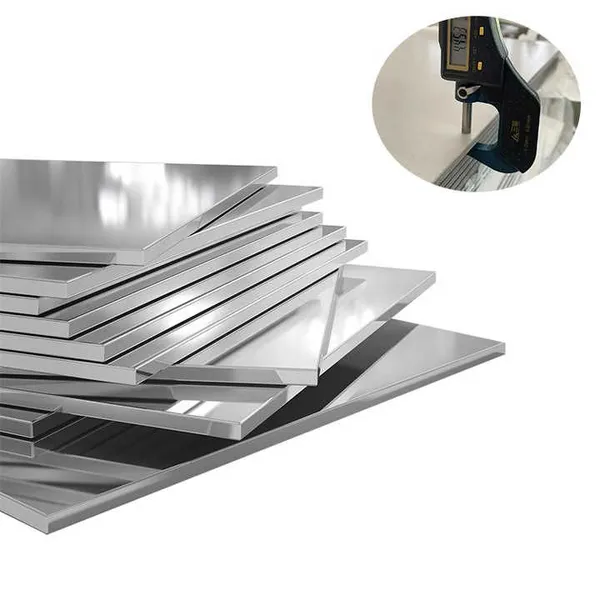
304/304L/316/409/410/904L/2205/2507/310H Premium Stainless Steel Sheets Supplier Custom Sizes & FinishesUS$ 1.72MOQ: 1 Ton
-
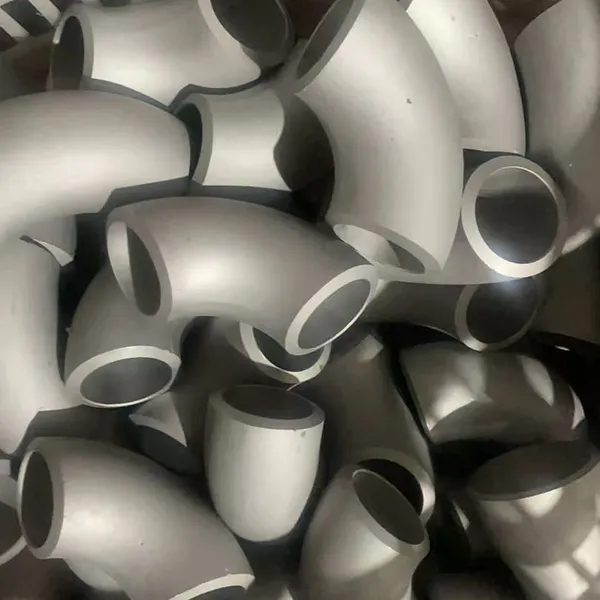
Stainless Steel ASME B16.9 Sch 45 90 Degree Pipe Fittings ElbowUS$ 8MOQ: 1 Piece
-
China Brand Zz 304L 316/316L GB En JIS Standard Thin Wall Welded Stainless Steel Water Pipe/TubeNegotiableMOQ: 2 Meters
-
BA 4 Inch 6 Inch 8 Inch 201 304 304L 316 316L Welded Seamless Stainless Steel PipeNegotiableMOQ: 2 Meters
-
ASME B36.19M-2004 SCH40S Stainless Steel Pipe - Complies With EU 3.1 CertificationUS$ 1 - 650MOQ: 1 Piece
-
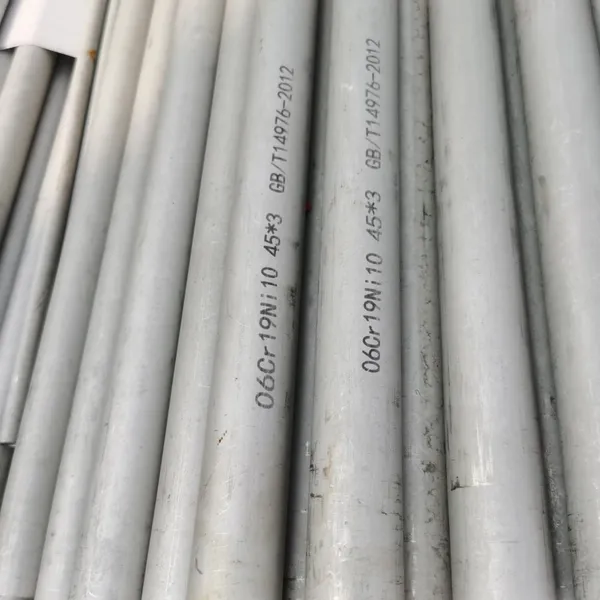
Factory TP309/TP309S/TP309H (UNS30900) Seamless Stainless Steel Pipe and Tube for Boiler BafflesUS$ 8MOQ: 200 Kilograms
-
TP347/TP347H/1.4961/S34709 Seamless Stainless Steel Pipe for UseNegotiableMOQ: 2 Meters
-
China 304 316 Stainless Steel Sanitary Welded Tube Food Grade Sanitary Grade Welded Pipe PolishingNegotiableMOQ: 1 Piece
-
China Manufacture Stainless Steel 316L Ba Seamless Welded Steel Pipe TubesUS$ 1760 - 1860MOQ: 5 Tons
-
316L/1.4405 Seamless Stainless Steel PipeNegotiableMOQ: 2 Meters
-
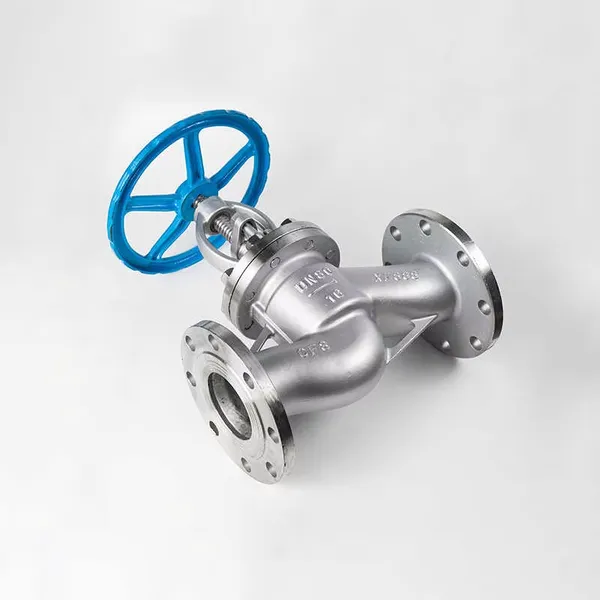
Stainless Steel Globe Valve – High Durability & Corrosion ResistanceNegotiableMOQ: 1 Piece
-
1.4529 Stainless Steel Flat Plate for Chemical Processing EquipmentUS$ 25 - 35MOQ: 1 Kilogram
-
Color Coated Steel Panels for Warehouse Partition Walls (Fireproof Grade)US$ 1 - 1.2MOQ: 50 Kilograms
-
Custom Width (600mm-1250mm) Colored Steel Coil With Scratch ResistanceUS$ 1 - 1.2MOQ: 50 Kilograms
-
0.5mm-3.0mm Colored Coated Steel Sheet With PVDF/Polyester CoatingUS$ 1 - 1.2MOQ: 50 Kilograms
-
JIS G 3322 Compliant Colored Coils With Third-Party Inspection ReportUS$ 1 - 1.2MOQ: 50 Kilograms