
 Business License

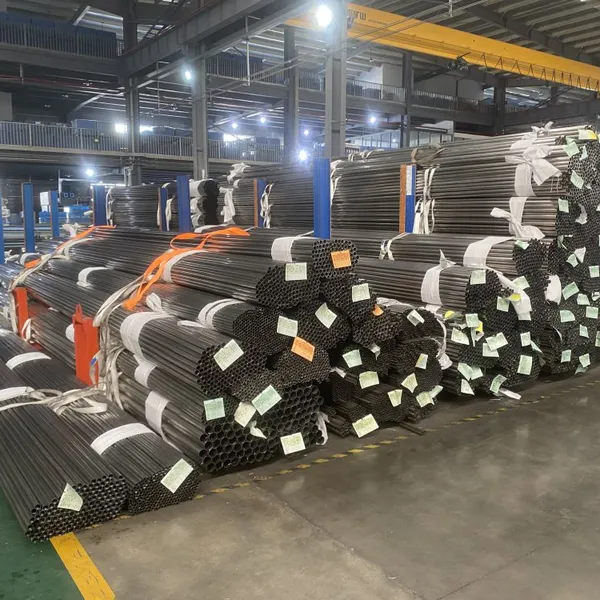
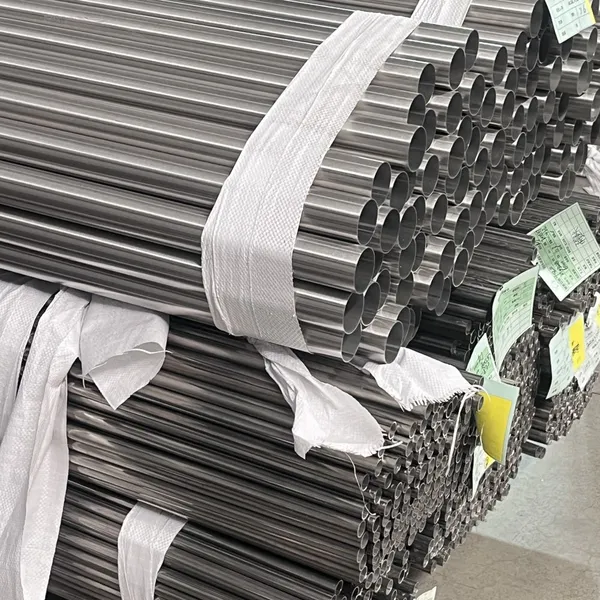
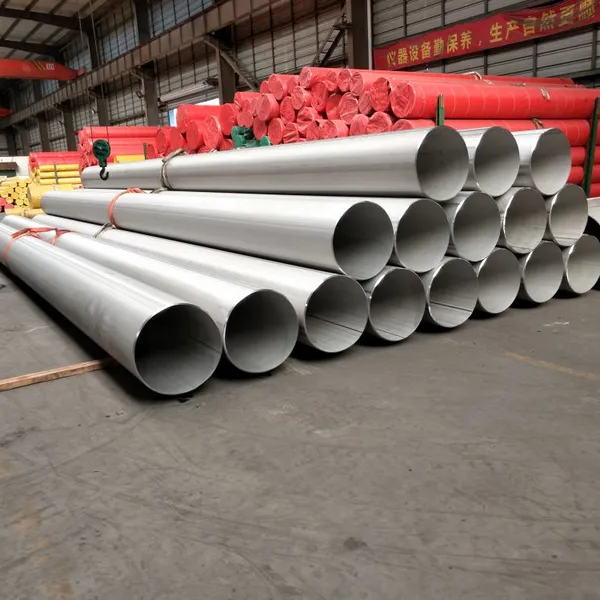
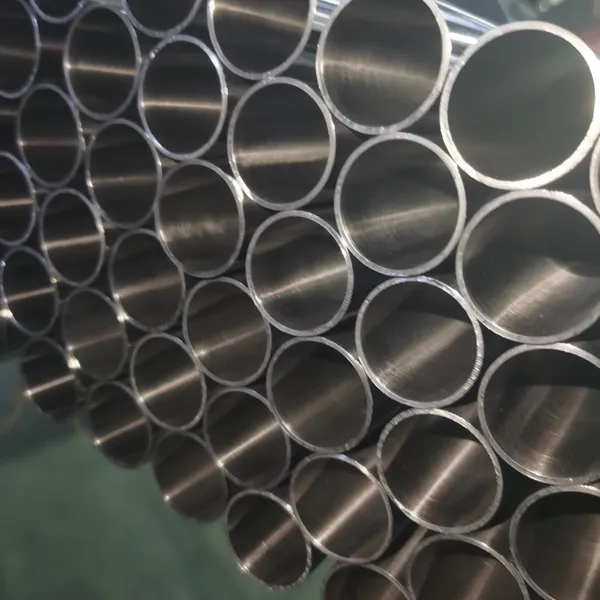
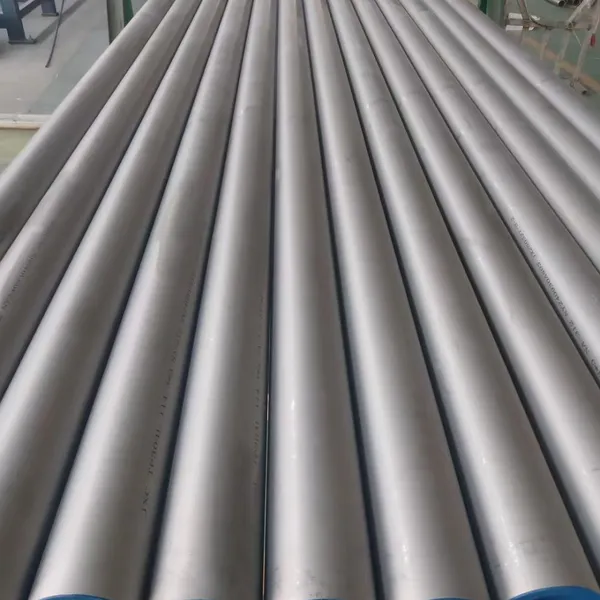
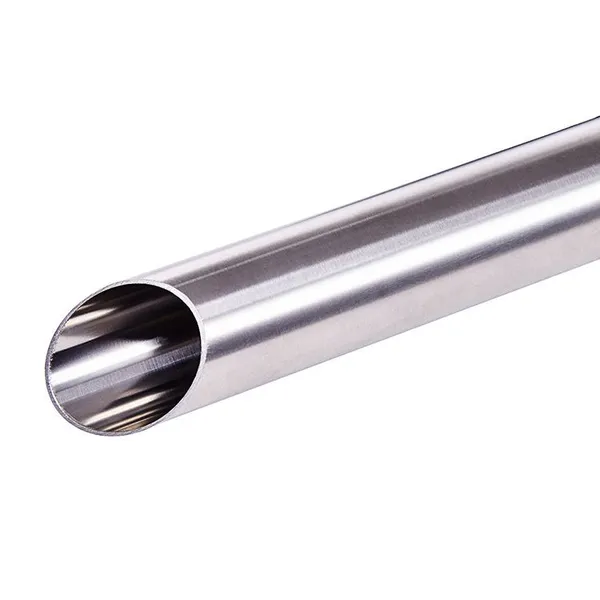
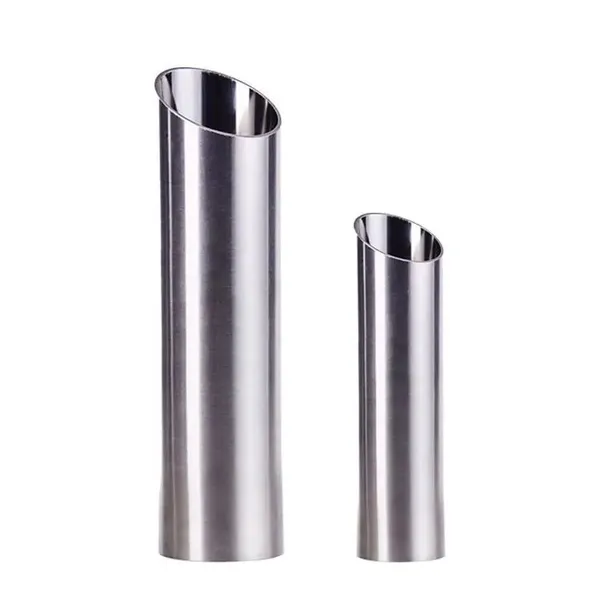
Thin-walled gas pipeline stainless steel pipe
Thin-walled gas pipeline stainless steel pipes are a type of pipe material used for gas transportation, and they possess the following features and advantages:
Material properties
High corrosion resistance: The stainless steel material itself has excellent corrosion resistance, capable of resisting the erosion of substances such as moisture and sulfides that may exist in the gas. This prolongs the service life of the pipeline and reduces the risk of leakage caused by corrosion.
High strength: It possesses a high tensile strength and yield strength, capable of withstanding the pressure during gas transportation, ensuring the safety and stability of the pipeline. Additionally, its strength also makes the pipeline less prone to deformation during installation and use.
Health and Environmental Protection: Stainless steel is a non-toxic and harmless material that does not cause pollution to the gas. It complies with environmental protection requirements. During the gas transportation process, no harmful substances are released, ensuring the quality and safety of the gas.
Advantages of thin-walled design
Light weight: Compared to traditional thick-walled steel pipes, thin-walled stainless steel pipes are lighter in weight, making them easier to handle and install. This not only reduces the construction difficulty but also cuts down on manpower and material costs, thereby improving the construction efficiency.
Material saving: The thin-walled design ensures the performance of the pipeline while reducing the usage of stainless steel materials and lowering the cost. At the same time, it also conforms to the concepts of resource conservation and sustainable development.
Excellent flexibility: The thin-walled stainless steel pipes possess certain flexibility, which enables them to accommodate a certain degree of ground subsidence and pipe deformation. During natural disasters such as earthquakes or changes in geological conditions, they can better maintain the integrity of the pipeline and reduce the occurrence of leakage accidents.
Connection method
Compression connection: This is a common connection method. It involves using a dedicated compression tool to connect the pipe fitting to the pipe material. During the connection process, the pipe fitting is placed over the pipe material, and then the compression tool is used to squeeze the pipe fitting, creating a tight connection between the pipe fitting and the pipe material. This connection method is simple to operate, quick, reliable, and has good sealing performance.
Welding connection: For some demanding situations, a welding connection method can be adopted. Welding connection enables the pipeline to form a single unit, providing high strength and sealing performance. However, the welding operation requires professional technicians and equipment, and after welding, weld seam inspection and anti-corrosion treatment are necessary.
Application scenarios
Urban gas transmission: Widely used in urban gas pipeline systems, including the transportation of natural gas, coal gas, etc. It can be applied in various scenarios such as underground laying and indoor installation, providing safe and stable gas supply for urban residents and industrial users.
Industrial gas pipelines: In the industrial sector, such as in the fields of chemical engineering, steel manufacturing, and power generation, these pipelines are used to transport various types of gases to meet the energy demands of the production process. Due to their corrosion resistance and high strength, they can adapt to the complex working conditions in industrial environments.
Gas appliance connection: It can be used to connect gas water heaters, gas stoves and other gas appliances to ensure the safe transmission of gas from the pipeline to the appliances. Its hygienic and environmentally friendly features also guarantee the safety and hygiene of the use of gas appliances.
Recently Posted
-
Does the stainless steel welded pipe have specific temperature requirements during the solution heat
January 20, 2026Solution heat treatment involves heating stainless steel to a high temperature and then rapidly cooling it to achieve an oversatur Read More
 -
Can stainless steel welded pipes be made into thick pipes
January 20, 2026With the improvement of high-quality welding technology and increasingly strict weld inspection, the application fields of s Read More
 -
Three types of commonly available food-grade stainless steel on the market
January 20, 2026The common food-grade stainless steel pipes are mainly composed of iron, chromium and carbon and other elements. Household stainle Read More
 -
What are the requirements for stainless steel welding pipe production equipment
January 20, 2026As is well known, stainless steel welded pipes have been widely used in various industries such as machinery, chemical engineering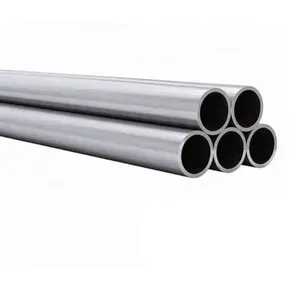 Read More

Contact Us
Recommended Products
-
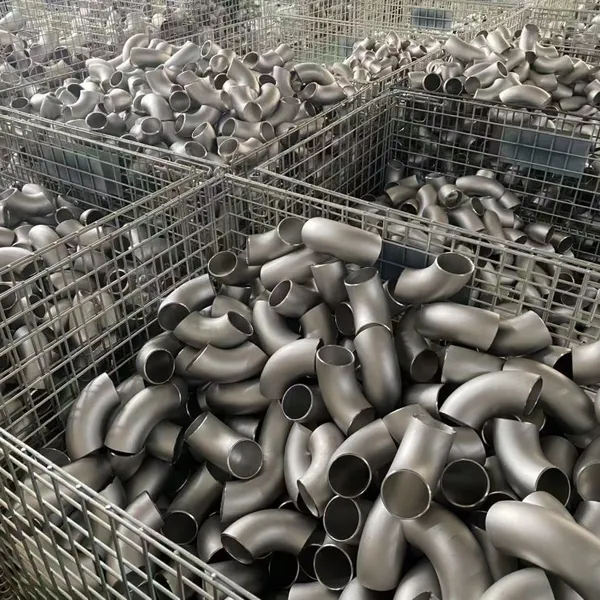
 Stainless Steel Elbow Welded Elbow 45/90/180-degree Seamless Pressed Elbow Long Radius Elbow Short Radius Elbow WholesaleNegotiableMOQ: 1 Piece
 -
316L/1.4405 Seamless Stainless Steel PipeNegotiableMOQ: 2 Meters
-
310s 440 Seamless Sanitary Piping Price 321 904l 201 20 Inch Seamless Steel Pipe A554 Stainless Steel PipeNegotiableMOQ: 1 Piece
-
China Brand ZZ Wholesale 304L 316 316L Welded Austenitic Piping Stainless Steel Pipe SupplierNegotiableMOQ: 2 Meters
-
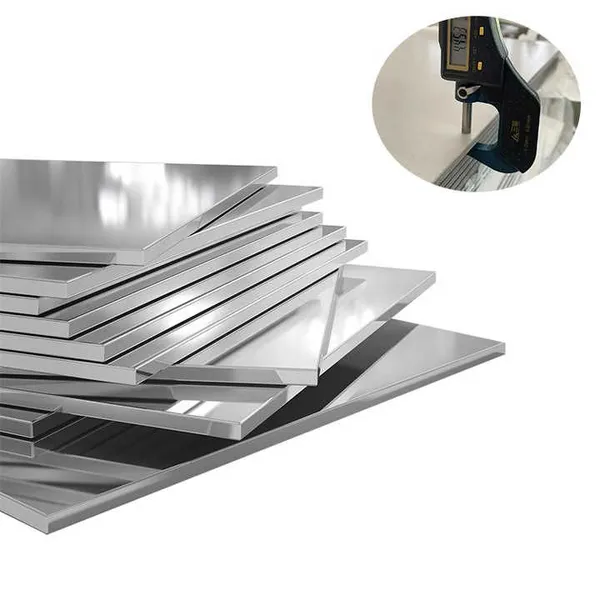
304/304L/316/409/410/904L/2205/2507/310H Premium Stainless Steel Sheets Supplier Custom Sizes & FinishesUS$ 1.72MOQ: 1 Ton
-
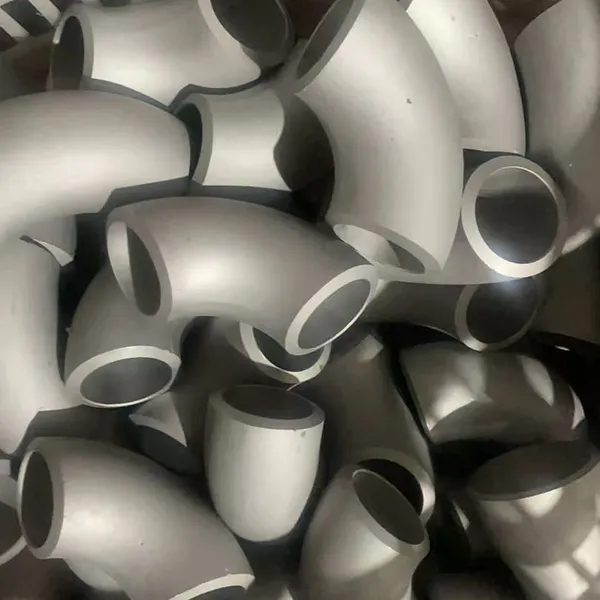
Stainless Steel ASME B16.9 Sch 45 90 Degree Pipe Fittings ElbowUS$ 8MOQ: 1 Piece
-
China Brand Zz 304L 316/316L GB En JIS Standard Thin Wall Welded Stainless Steel Water Pipe/TubeNegotiableMOQ: 2 Meters
-
BA 4 Inch 6 Inch 8 Inch 201 304 304L 316 316L Welded Seamless Stainless Steel PipeNegotiableMOQ: 2 Meters
-
ASME B36.19M-2004 SCH40S Stainless Steel Pipe - Complies With EU 3.1 CertificationUS$ 1 - 650MOQ: 1 Piece
-
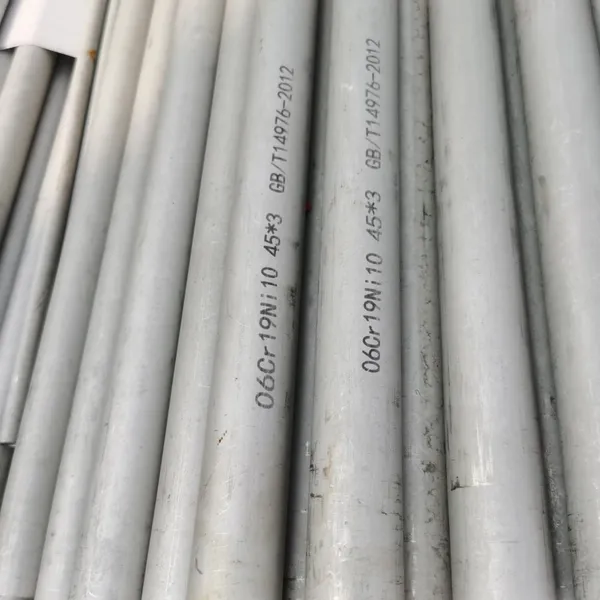
Factory TP309/TP309S/TP309H (UNS30900) Seamless Stainless Steel Pipe and Tube for Boiler BafflesUS$ 8MOQ: 200 Kilograms
-
TP347/TP347H/1.4961/S34709 Seamless Stainless Steel Pipe for UseNegotiableMOQ: 2 Meters
-
China 304 316 Stainless Steel Sanitary Welded Tube Food Grade Sanitary Grade Welded Pipe PolishingNegotiableMOQ: 1 Piece
-
China Manufacture Stainless Steel 316L Ba Seamless Welded Steel Pipe TubesUS$ 1760 - 1860MOQ: 5 Tons
-
316L/1.4405 Seamless Stainless Steel PipeNegotiableMOQ: 2 Meters
-
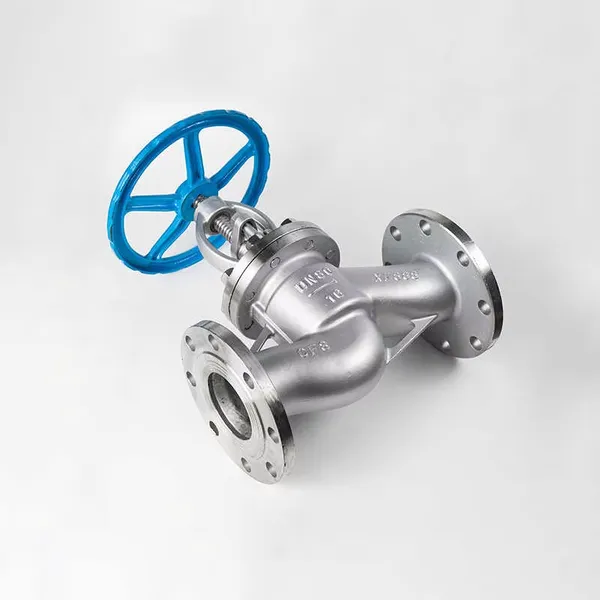
Stainless Steel Globe Valve – High Durability & Corrosion ResistanceNegotiableMOQ: 1 Piece
-
1.4529 Stainless Steel Flat Plate for Chemical Processing EquipmentUS$ 25 - 35MOQ: 1 Kilogram
-
Color Coated Steel Panels for Warehouse Partition Walls (Fireproof Grade)US$ 1 - 1.2MOQ: 50 Kilograms
-
Custom Width (600mm-1250mm) Colored Steel Coil With Scratch ResistanceUS$ 1 - 1.2MOQ: 50 Kilograms
-
0.5mm-3.0mm Colored Coated Steel Sheet With PVDF/Polyester CoatingUS$ 1 - 1.2MOQ: 50 Kilograms
-
JIS G 3322 Compliant Colored Coils With Third-Party Inspection ReportUS$ 1 - 1.2MOQ: 50 Kilograms