
 Business License

What are the application areas of stainless steel tubes in mechanical structures
The situation of stainless steel pipes in an acidic or alkaline environment is like a delicate scholar stepping into a perilous and chaotic world. So how can we enable stainless steel pipes to acquire the strong skills of "resisting acid and alkali" in this perilous "world"?
Selecting the right "equipment" - suitable materials
The family of stainless steel is vast, with each member having its own strengths. 304 stainless steel can be regarded as the "entry-level hero", performing well in ordinary environments. However, once it enters the "difficult areas" with high acid and alkali concentrations, it becomes a bit powerless. At this point, 316 stainless steel steps in. It adds molybdenum as a "secret weapon", like donning a more robust armor for itself, and is not afraid of "powerful enemies" such as sulfuric acid and phosphoric acid. If it encounters nitric acid, this "super villain", 310S stainless steel, with its high nickel content, is like holding a "supreme magic sword", remaining stable even in high-temperature and high-concentration nitric acid environments.
Creating a protective "shield" - Surface treatment
Passivation treatment
Give the stainless steel pipe a "chemical SPA" - Passivation treatment. Immerse it in solutions such as nitric acid and citric acid, which is like giving the stainless steel pipe a full-body massage. This promotes the full oxidation of the chromium elements on the surface, forming a layer of chromium-rich passivation film. This film is like a hidden shield covering the stainless steel pipe, effectively blocking the attack of acidic and alkaline media.
Coating protection
Putting on a "protective suit" for the stainless steel pipe - the coating. Coated with epoxy resin, polytetrafluoroethylene, etc., it's like a fashionable and practical bulletproof vest. These coatings have stable chemical properties and excellent acid and alkali resistance, providing all-round protection for the stainless steel pipe and preventing acids and alkalis from having any effect.
Create a favorable "battle situation" - optimize the usage environment
Control the intensity of the "enemy"
The concentration of acid and alkali and the temperature are like the enemy's attack power. The higher the concentration and the higher the temperature, the faster the stainless steel pipe will be corroded. This is like if the enemy's firepower is too strong, even the most skilled hero would find it difficult to withstand. Therefore, try to reduce the concentration of the acid and alkali solution and control the environmental temperature. If it is necessary to face high temperatures, then choose a material for the stainless steel pipe that is resistant to high temperatures, and also equip it with "cooling fans" to lower the environmental temperature.
Remove "troublemakers"
The impurities in the acid-base solution, such as chloride ions and sulfides, are like a group of unruly minions that accelerate the corrosion of the stainless steel pipe. Purifying the acid-base solution is equivalent to eliminating these minions, reducing the interference to the stainless steel pipe.
Properly design the structure of the stainless steel pipe to avoid the occurrence of gaps, dead corners, etc., which would provide opportunities for acidic and alkaline solutions to exploit. At the same time, conduct regular "check-ups" on the stainless steel pipe to promptly identify and solve corrosion problems, ensuring that it remains in a good condition and can thrive in the acidic and alkaline environment.
Recently Posted
-
Does the stainless steel welded pipe have specific temperature requirements during the solution heat
January 20, 2026Solution heat treatment involves heating stainless steel to a high temperature and then rapidly cooling it to achieve an oversatur Read More
 -
Can stainless steel welded pipes be made into thick pipes
January 20, 2026With the improvement of high-quality welding technology and increasingly strict weld inspection, the application fields of s Read More
 -
Three types of commonly available food-grade stainless steel on the market
January 20, 2026The common food-grade stainless steel pipes are mainly composed of iron, chromium and carbon and other elements. Household stainle Read More
 -
What are the requirements for stainless steel welding pipe production equipment
January 20, 2026As is well known, stainless steel welded pipes have been widely used in various industries such as machinery, chemical engineering Read More

Contact Us
Recommended Products
-
 Stainless Steel Elbow Welded Elbow 45/90/180-degree Seamless Pressed Elbow Long Radius Elbow Short Radius Elbow WholesaleNegotiableMOQ: 1 Piece
 -
316L/1.4405 Seamless Stainless Steel PipeNegotiableMOQ: 2 Meters
-
310s 440 Seamless Sanitary Piping Price 321 904l 201 20 Inch Seamless Steel Pipe A554 Stainless Steel PipeNegotiableMOQ: 1 Piece
-
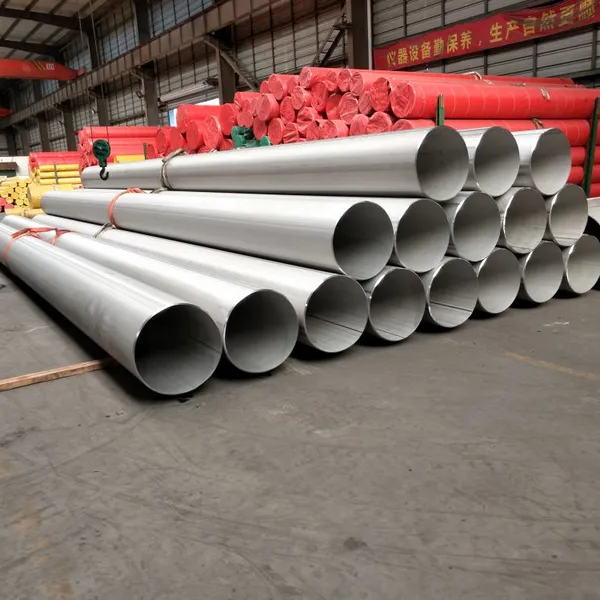
China Brand ZZ Wholesale 304L 316 316L Welded Austenitic Piping Stainless Steel Pipe SupplierNegotiableMOQ: 2 Meters
-
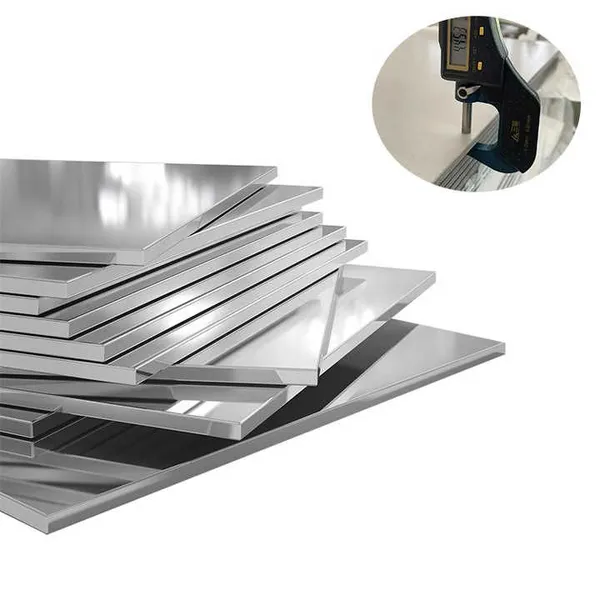
304/304L/316/409/410/904L/2205/2507/310H Premium Stainless Steel Sheets Supplier Custom Sizes & FinishesUS$ 1.72MOQ: 1 Ton
-
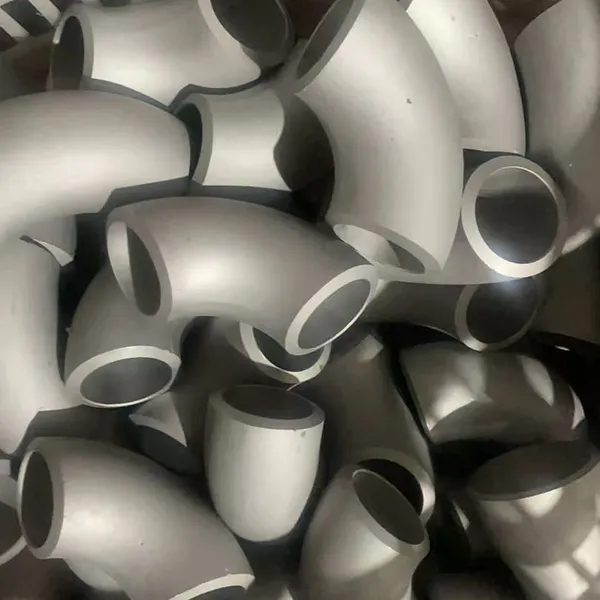
Stainless Steel ASME B16.9 Sch 45 90 Degree Pipe Fittings ElbowUS$ 8MOQ: 1 Piece
-
China Brand Zz 304L 316/316L GB En JIS Standard Thin Wall Welded Stainless Steel Water Pipe/TubeNegotiableMOQ: 2 Meters
-
BA 4 Inch 6 Inch 8 Inch 201 304 304L 316 316L Welded Seamless Stainless Steel PipeNegotiableMOQ: 2 Meters
-
ASME B36.19M-2004 SCH40S Stainless Steel Pipe - Complies With EU 3.1 CertificationUS$ 1 - 650MOQ: 1 Piece
-
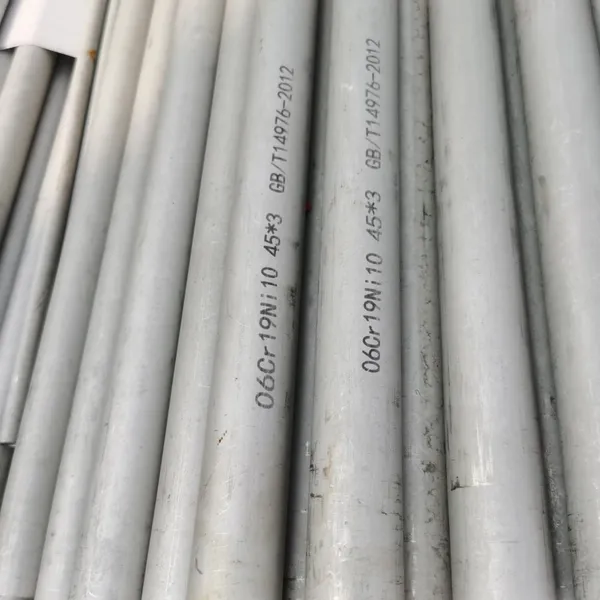
Factory TP309/TP309S/TP309H (UNS30900) Seamless Stainless Steel Pipe and Tube for Boiler BafflesUS$ 8MOQ: 200 Kilograms
-
TP347/TP347H/1.4961/S34709 Seamless Stainless Steel Pipe for UseNegotiableMOQ: 2 Meters
-
China 304 316 Stainless Steel Sanitary Welded Tube Food Grade Sanitary Grade Welded Pipe PolishingNegotiableMOQ: 1 Piece
-
China Manufacture Stainless Steel 316L Ba Seamless Welded Steel Pipe TubesUS$ 1760 - 1860MOQ: 5 Tons
-
316L/1.4405 Seamless Stainless Steel PipeNegotiableMOQ: 2 Meters
-
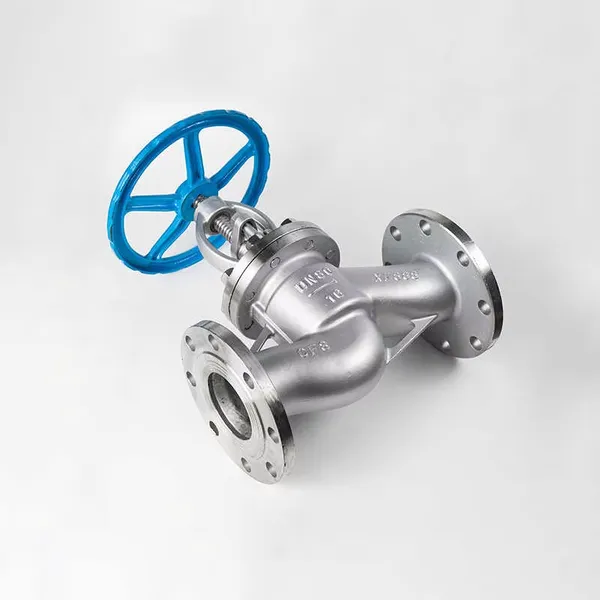
Stainless Steel Globe Valve – High Durability & Corrosion ResistanceNegotiableMOQ: 1 Piece
-
1.4529 Stainless Steel Flat Plate for Chemical Processing EquipmentUS$ 25 - 35MOQ: 1 Kilogram
-
Color Coated Steel Panels for Warehouse Partition Walls (Fireproof Grade)US$ 1 - 1.2MOQ: 50 Kilograms
-
Custom Width (600mm-1250mm) Colored Steel Coil With Scratch ResistanceUS$ 1 - 1.2MOQ: 50 Kilograms
-
0.5mm-3.0mm Colored Coated Steel Sheet With PVDF/Polyester CoatingUS$ 1 - 1.2MOQ: 50 Kilograms
-
JIS G 3322 Compliant Colored Coils With Third-Party Inspection ReportUS$ 1 - 1.2MOQ: 50 Kilograms