
 Business License

How does the 316L stainless steel pipe perform in terms of wear resistance?
The 316L stainless steel pipe has a unique performance in terms of wear resistance. It will exhibit different characteristics under various working conditions. The following provides a detailed analysis from aspects such as the microstructure, hardness and other intrinsic factors, as well as different application scenarios:
I. Microstructure and Alloy Composition Foundation
1.316L stainless steel pipe has a relatively low carbon content, generally not exceeding 0.03%. This helps to reduce the precipitation of carbides, making the matrix of the material more uniform and improving the wear resistance to a certain extent. Because the uneven precipitation of carbides may cause differences in the local properties of the material, which makes it more prone to wear during the friction process.
2. The element of molybdenum (Mo) it contains generally accounts for 2% to 3%. Molybdenum can enhance the corrosion resistance and strength of steel, and improve the material's resistance to pitting corrosion and crevice corrosion. During the wear process, this helps to resist the micro-area corrosion caused by friction, thereby indirectly improving the wear resistance.
3. The nickel (Ni) content is relatively high, typically ranging from 10% to 14%. Nickel can expand the austenite phase region, thereby endowing stainless steel with excellent toughness and ductility. This enables 316L stainless steel pipes to better withstand deformation under frictional stress without easily developing cracks or spalling, and it has a positive effect on wear resistance.
II. Hardness Performance
The hardness of 316L stainless steel is typically around HB 187 and HV 200. Compared to some common carbon steels, it has a certain hardness advantage and performs well in resisting low-intensity friction and wear. However, when compared to some specialized wear-resistant steels or hard alloys, its hardness is relatively lower. Under high-load and high-frequency friction conditions, it may show more obvious wear.
III. Wear Resistance Performance under Different Working Conditions
1. General Industrial Environment: In scenarios such as ordinary industrial pipeline transportation and equipment structure support, the wear resistance of 316L stainless steel pipes can generally meet the requirements. For example, in some chemical equipment, where liquid or gas media at normal temperatures and low flow rates are transported, 316L stainless steel pipes can be used for a long time without experiencing severe wear problems. Their surfaces can remain relatively intact and the wall thickness loss is relatively small.
2. Medium transportation with solid particles: When used for transporting fluids containing a small amount of solid particles, such as in the sewage pipelines of some wastewater treatment systems, 316L stainless steel pipes will suffer some degree of erosion and wear. If the particle size is small, the hardness is low, and the transportation speed is not very high, the 316L stainless steel pipes can resist the wear through their toughness and corrosion resistance, and have a relatively longer service life. However, as the particle content increases, the particle size becomes larger, or the flow rate rises, the wear will gradually intensify.
3. High wear conditions: In high-wear environments such as those found in mining and construction industries, for example in pipelines used for transporting ores, the wear resistance of 316L stainless steel pipes may be insufficient. Due to the high hardness and irregular shape of ore particles, during high-speed transportation, they will cause intense scouring and impact on the inner wall of the pipeline. As a result, the wear rate of 316L stainless steel pipes will increase significantly, and the wall thickness will thin out noticeably. Regular inspection and replacement of the pipelines are necessary.
4. Friction and Sliding Conditions: In some mechanical components involving friction and sliding, such as in certain applications of seals and shaft sleeves where relative movement is required, the wear resistance of 316L stainless steel pipes may be limited if they have not undergone special surface treatment or are not paired with suitable matching materials. During long-term friction processes, phenomena such as surface wear and scratches may occur, which can affect the sealing performance and accuracy of the equipment.
Recently Posted
-
Does the stainless steel welded pipe have specific temperature requirements during the solution heat
January 20, 2026Solution heat treatment involves heating stainless steel to a high temperature and then rapidly cooling it to achieve an oversatur Read More
 -
Can stainless steel welded pipes be made into thick pipes
January 20, 2026With the improvement of high-quality welding technology and increasingly strict weld inspection, the application fields of s Read More
 -
Three types of commonly available food-grade stainless steel on the market
January 20, 2026The common food-grade stainless steel pipes are mainly composed of iron, chromium and carbon and other elements. Household stainle Read More
 -
What are the requirements for stainless steel welding pipe production equipment
January 20, 2026As is well known, stainless steel welded pipes have been widely used in various industries such as machinery, chemical engineering Read More

Contact Us
Recommended Products
-
 Stainless Steel Elbow Welded Elbow 45/90/180-degree Seamless Pressed Elbow Long Radius Elbow Short Radius Elbow WholesaleNegotiableMOQ: 1 Piece
 -
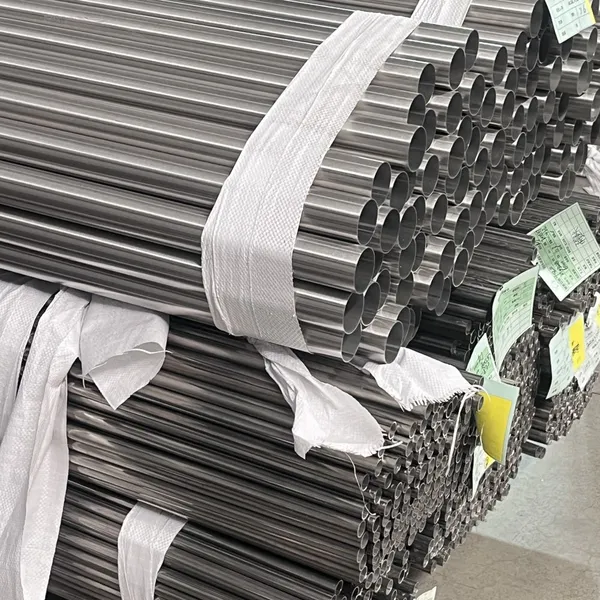
316L/1.4405 Seamless Stainless Steel PipeNegotiableMOQ: 2 Meters
-
310s 440 Seamless Sanitary Piping Price 321 904l 201 20 Inch Seamless Steel Pipe A554 Stainless Steel PipeNegotiableMOQ: 1 Piece
-
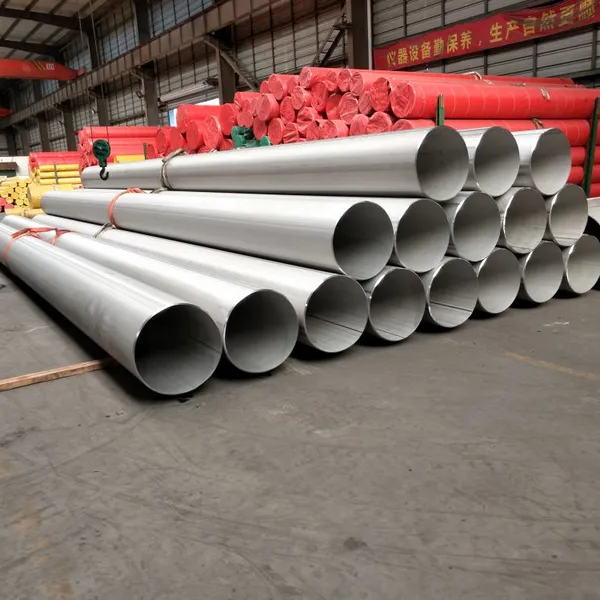
China Brand ZZ Wholesale 304L 316 316L Welded Austenitic Piping Stainless Steel Pipe SupplierNegotiableMOQ: 2 Meters
-
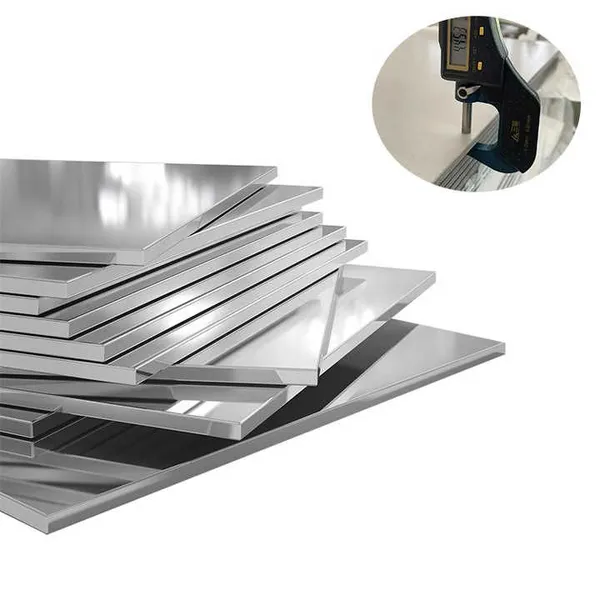
304/304L/316/409/410/904L/2205/2507/310H Premium Stainless Steel Sheets Supplier Custom Sizes & FinishesUS$ 1.72MOQ: 1 Ton
-
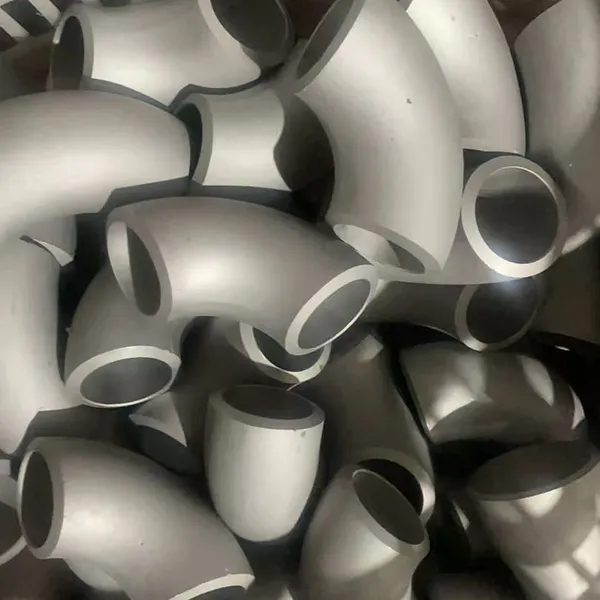
Stainless Steel ASME B16.9 Sch 45 90 Degree Pipe Fittings ElbowUS$ 8MOQ: 1 Piece
-
China Brand Zz 304L 316/316L GB En JIS Standard Thin Wall Welded Stainless Steel Water Pipe/TubeNegotiableMOQ: 2 Meters
-
BA 4 Inch 6 Inch 8 Inch 201 304 304L 316 316L Welded Seamless Stainless Steel PipeNegotiableMOQ: 2 Meters
-
ASME B36.19M-2004 SCH40S Stainless Steel Pipe - Complies With EU 3.1 CertificationUS$ 1 - 650MOQ: 1 Piece
-
Factory TP309/TP309S/TP309H (UNS30900) Seamless Stainless Steel Pipe and Tube for Boiler BafflesUS$ 8MOQ: 200 Kilograms
-
TP347/TP347H/1.4961/S34709 Seamless Stainless Steel Pipe for UseNegotiableMOQ: 2 Meters
-
China 304 316 Stainless Steel Sanitary Welded Tube Food Grade Sanitary Grade Welded Pipe PolishingNegotiableMOQ: 1 Piece
-
China Manufacture Stainless Steel 316L Ba Seamless Welded Steel Pipe TubesUS$ 1760 - 1860MOQ: 5 Tons
-
316L/1.4405 Seamless Stainless Steel PipeNegotiableMOQ: 2 Meters
-
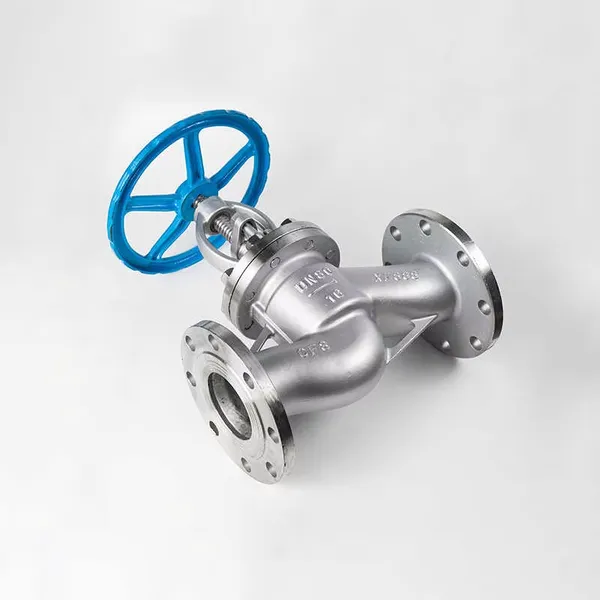
Stainless Steel Globe Valve – High Durability & Corrosion ResistanceNegotiableMOQ: 1 Piece
-
1.4529 Stainless Steel Flat Plate for Chemical Processing EquipmentUS$ 25 - 35MOQ: 1 Kilogram
-
Color Coated Steel Panels for Warehouse Partition Walls (Fireproof Grade)US$ 1 - 1.2MOQ: 50 Kilograms
-
Custom Width (600mm-1250mm) Colored Steel Coil With Scratch ResistanceUS$ 1 - 1.2MOQ: 50 Kilograms
-
0.5mm-3.0mm Colored Coated Steel Sheet With PVDF/Polyester CoatingUS$ 1 - 1.2MOQ: 50 Kilograms
-
JIS G 3322 Compliant Colored Coils With Third-Party Inspection ReportUS$ 1 - 1.2MOQ: 50 Kilograms