
 Business License

Comparison of Advantages and Disadvantages of Several Common Heat Exchangers
The heat exchangers commonly used in the chemical industry can be classified in the following ways:
1) By the heat transfer mode: mixed heat exchanger, regenerative heat exchanger, and wall-pass heat exchanger.
2) By the structure: tubular heat exchanger, plate heat exchanger, and heat transfer surface type heat exchanger.
3) By the purpose: heater, preheater, superheater, evaporator, reboiler, cooler, condenser.
4) By the material: metal materials, non-metal materials.
5) By the shape and structure of the heat transfer surface, etc.: fixed tube sheet type heat exchanger, U-tube type heat exchanger, packed vessel type heat exchanger, and kettle type heat exchanger.
Usually, in daily work, classification based on structure is mainly adopted. The following is a summary of the advantages and disadvantages of several commonly used heat exchangers:
1. Fixed tube sheet heat exchanger:
(1) Large heat exchange area, approximately 20-30%; no internal leakage, fewer forgings, and low cost;
(2) Cannot be mechanically cleaned; short lifespan, not suitable for places with scale formation.
2. Floating head heat exchanger:
(1) It can be withdrawn for easy cleaning, and the temperature difference of the medium is not restricted;
(2) One section is not connected to the object. When the tubes are heated, the tube bundle along with the floating head can freely expand and contract along the axial direction.
(3) Two tube plates are prone to internal leakage, consuming a large amount of metal and having high costs, and the structure is complex.
(4) The heat exchange effect is better than that of U-tube heat exchangers.
(5) It is suitable for high-temperature, high-pressure and large temperature difference scenarios.
3. U-tube heat exchanger:
(1) It can be withdrawn and is easy to clean, without being limited by temperature differences;
(2) The shell side is not suitable for transporting media with large structures.
(3) The structure is simple, consisting of only one tube sheet.
(4) It is suitable for scenarios where the requirement for heat exchange efficiency is not particularly high and the budget is limited.
4. Packed Tube-Type Heat Exchanger
(1) The tubes can freely expand and contract, and there will be no temperature difference stress between the tubes and the shell.
(2) The structure is simple, the manufacturing process is convenient, and maintenance and cleaning are easy.
(3) There is a possibility of leakage of the shell-side fluid, so the operating pressure and temperature are limited.
(4) Toxic, flammable, explosive and volatile media should not be passed through the shell side.
5. Plate heat exchanger
(1) Large heat exchange area, low material consumption, small volume, and low space occupation.
(2) Easy to disassemble and clean.
(3) Relatively economical in price.
(4) Poor sealing performance, prone to leakage, and requires frequent replacement of gaskets.
(5) Poor pressure resistance effect, prone to blockage. Not suitable for gas-to-gas heat exchange or steam condensation.
Recently Posted
-
Does the stainless steel welded pipe have specific temperature requirements during the solution heat
January 20, 2026Solution heat treatment involves heating stainless steel to a high temperature and then rapidly cooling it to achieve an oversatur Read More
 -
Can stainless steel welded pipes be made into thick pipes
January 20, 2026With the improvement of high-quality welding technology and increasingly strict weld inspection, the application fields of s Read More
 -
Three types of commonly available food-grade stainless steel on the market
January 20, 2026The common food-grade stainless steel pipes are mainly composed of iron, chromium and carbon and other elements. Household stainle Read More
 -
What are the requirements for stainless steel welding pipe production equipment
January 20, 2026As is well known, stainless steel welded pipes have been widely used in various industries such as machinery, chemical engineering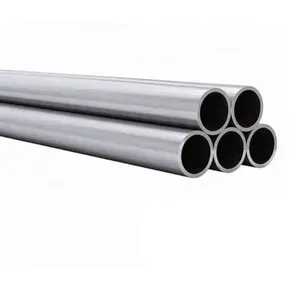 Read More

Contact Us
Recommended Products
-
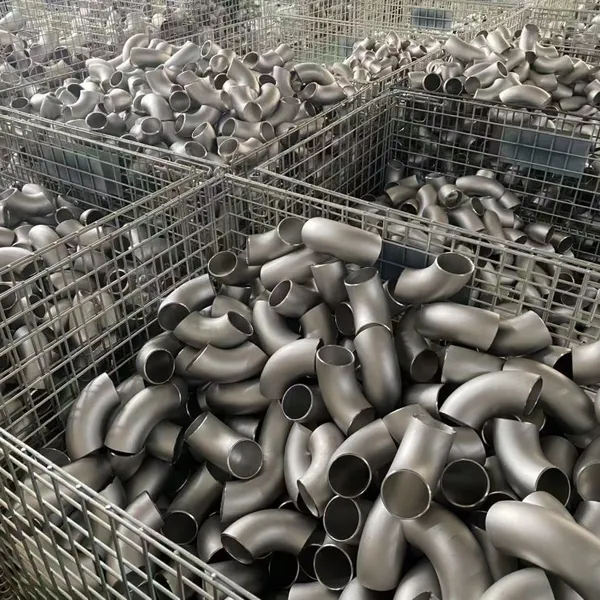
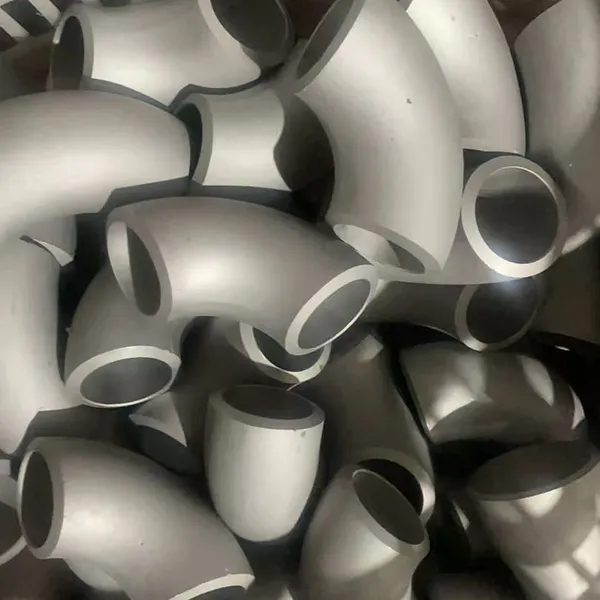
 Stainless Steel Elbow Welded Elbow 45/90/180-degree Seamless Pressed Elbow Long Radius Elbow Short Radius Elbow WholesaleNegotiableMOQ: 1 Piece
 -
316L/1.4405 Seamless Stainless Steel PipeNegotiableMOQ: 2 Meters
-
310s 440 Seamless Sanitary Piping Price 321 904l 201 20 Inch Seamless Steel Pipe A554 Stainless Steel PipeNegotiableMOQ: 1 Piece
-
China Brand ZZ Wholesale 304L 316 316L Welded Austenitic Piping Stainless Steel Pipe SupplierNegotiableMOQ: 2 Meters
-
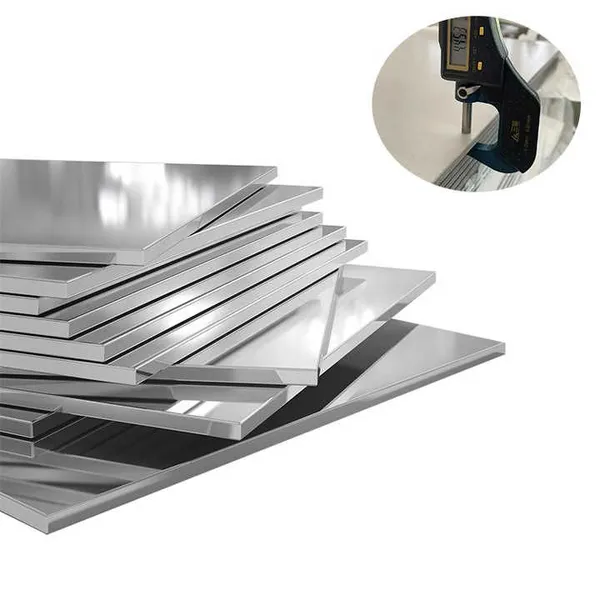
304/304L/316/409/410/904L/2205/2507/310H Premium Stainless Steel Sheets Supplier Custom Sizes & FinishesUS$ 1.72MOQ: 1 Ton
-
Stainless Steel ASME B16.9 Sch 45 90 Degree Pipe Fittings ElbowUS$ 8MOQ: 1 Piece
-
China Brand Zz 304L 316/316L GB En JIS Standard Thin Wall Welded Stainless Steel Water Pipe/TubeNegotiableMOQ: 2 Meters
-
BA 4 Inch 6 Inch 8 Inch 201 304 304L 316 316L Welded Seamless Stainless Steel PipeNegotiableMOQ: 2 Meters
-
ASME B36.19M-2004 SCH40S Stainless Steel Pipe - Complies With EU 3.1 CertificationUS$ 1 - 650MOQ: 1 Piece
-
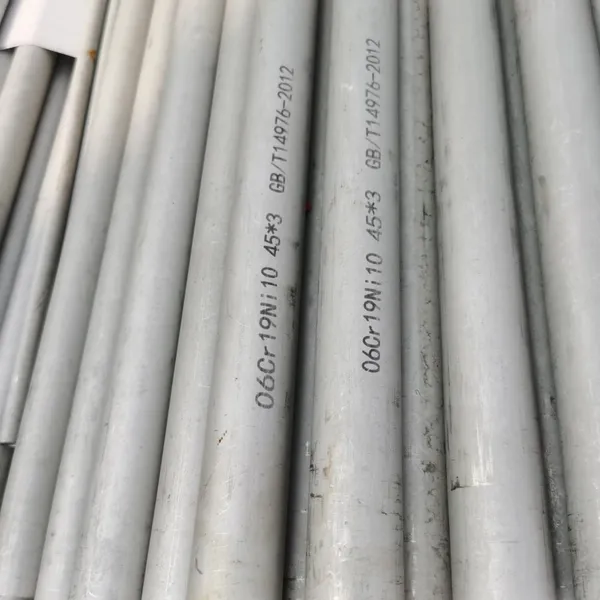
Factory TP309/TP309S/TP309H (UNS30900) Seamless Stainless Steel Pipe and Tube for Boiler BafflesUS$ 8MOQ: 200 Kilograms
-
TP347/TP347H/1.4961/S34709 Seamless Stainless Steel Pipe for UseNegotiableMOQ: 2 Meters
-
China 304 316 Stainless Steel Sanitary Welded Tube Food Grade Sanitary Grade Welded Pipe PolishingNegotiableMOQ: 1 Piece
-
China Manufacture Stainless Steel 316L Ba Seamless Welded Steel Pipe TubesUS$ 1760 - 1860MOQ: 5 Tons
-
316L/1.4405 Seamless Stainless Steel PipeNegotiableMOQ: 2 Meters
-
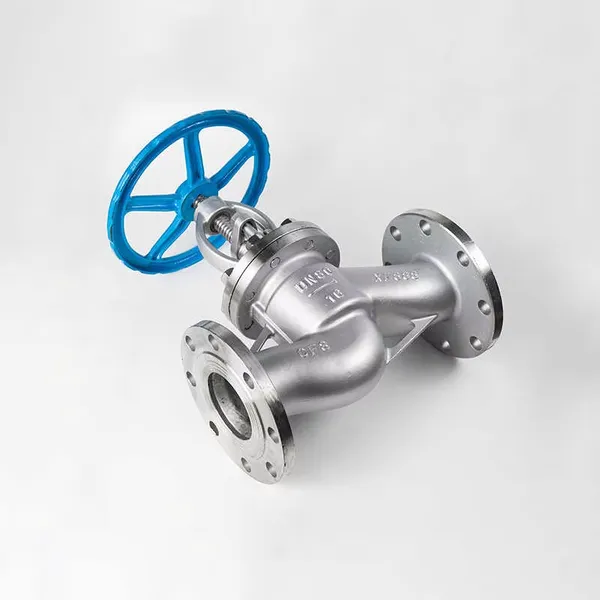
Stainless Steel Globe Valve – High Durability & Corrosion ResistanceNegotiableMOQ: 1 Piece
-
1.4529 Stainless Steel Flat Plate for Chemical Processing EquipmentUS$ 25 - 35MOQ: 1 Kilogram
-
Color Coated Steel Panels for Warehouse Partition Walls (Fireproof Grade)US$ 1 - 1.2MOQ: 50 Kilograms
-
Custom Width (600mm-1250mm) Colored Steel Coil With Scratch ResistanceUS$ 1 - 1.2MOQ: 50 Kilograms
-
0.5mm-3.0mm Colored Coated Steel Sheet With PVDF/Polyester CoatingUS$ 1 - 1.2MOQ: 50 Kilograms
-
JIS G 3322 Compliant Colored Coils With Third-Party Inspection ReportUS$ 1 - 1.2MOQ: 50 Kilograms