
 Business License

What are the special methods for identifying stainless steel
Grinding pattern identification
The method of identifying by grinding is to grind the stainless steel on a grinding wheel machine and observe the sparks. If the sparks are in a streamlined shape and have more and denser swirls, it indicates a high manganese steel or manganese-nitrogen steel with a higher manganese content; if there are no swirls, it is a chromium steel or chromium-nickel stainless steel.
2. Annealing method identification
The cold-worked chromium-nickel stainless steel, if magnetic, can be cut into small pieces, heated red-hot in a fire and allowed to cool naturally, or placed in water (for annealing). Generally speaking, after annealing, the magnetism will significantly weaken or completely disappear. However, for some chromium-nickel stainless steels, such as Cr18Ni11Si4AlTi steel and Cr21Ni5Ti steel, since they contain a considerable amount of ferrite elements, a considerable part of their internal structure is ferrite. Therefore, even in the state of hot processing, they still have magnetism.
3. Chemical qualitative analysis method for identification
The chemical qualitative method is a way to identify whether nickel is present in magnetic stainless steel. The method is as follows: Take a small piece of stainless steel and dissolve it in aqua regia. Dilute the acid solution with clean water, add ammonia to neutralize it, and then gently inject the nickel reagent. If a red fluffy substance floats on the liquid surface, it indicates that the stainless steel contains nickel; if there is no red fluffy substance, it proves that there is no nickel in the stainless steel. (However, since the nickel content in stainless steel is low, usually only a few percent, the nickel content is not easy to be revealed or determined precisely. Generally, it is necessary to conduct experiments with standard samples multiple times before one can master it.)
The above several identification methods indicate that when using a sensory tube to identify stainless steel, not only multiple methods need to be combined for testing, but the test results can only determine the type of stainless steel, but cannot determine which alloy elements are contained in the steel and their specific contents. Therefore, it can be said that the sensory identification method is currently extremely imperfect. Some of them may be incorrect, and many physical phenomena are only known in terms of their effects but not the reasons behind them. They still need further exploration.
The best way to accurately distinguish different types of stainless steel is to conduct in-depth investigations at relevant processing units, consult with their material managers and workers, understand the steel type used, carefully examine the steel grade marks on the steel, and review the original materials, etc. This is the fundamental method for correctly identifying the types and quality of stainless steel.
Recently Posted
-
Does the stainless steel welded pipe have specific temperature requirements during the solution heat
January 20, 2026Solution heat treatment involves heating stainless steel to a high temperature and then rapidly cooling it to achieve an oversatur Read More
 -
Can stainless steel welded pipes be made into thick pipes
January 20, 2026With the improvement of high-quality welding technology and increasingly strict weld inspection, the application fields of s Read More
 -
Three types of commonly available food-grade stainless steel on the market
January 20, 2026The common food-grade stainless steel pipes are mainly composed of iron, chromium and carbon and other elements. Household stainle Read More
 -
What are the requirements for stainless steel welding pipe production equipment
January 20, 2026As is well known, stainless steel welded pipes have been widely used in various industries such as machinery, chemical engineering Read More

Contact Us
Recommended Products
-
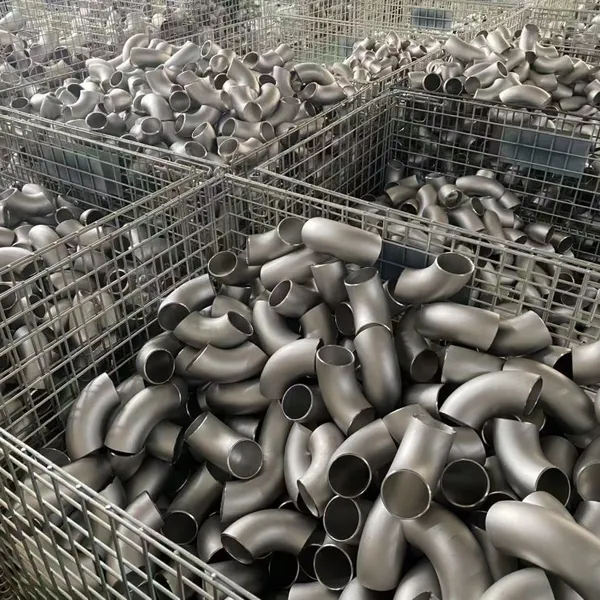
 Stainless Steel Elbow Welded Elbow 45/90/180-degree Seamless Pressed Elbow Long Radius Elbow Short Radius Elbow WholesaleNegotiableMOQ: 1 Piece
 -
316L/1.4405 Seamless Stainless Steel PipeNegotiableMOQ: 2 Meters
-
310s 440 Seamless Sanitary Piping Price 321 904l 201 20 Inch Seamless Steel Pipe A554 Stainless Steel PipeNegotiableMOQ: 1 Piece
-
China Brand ZZ Wholesale 304L 316 316L Welded Austenitic Piping Stainless Steel Pipe SupplierNegotiableMOQ: 2 Meters
-
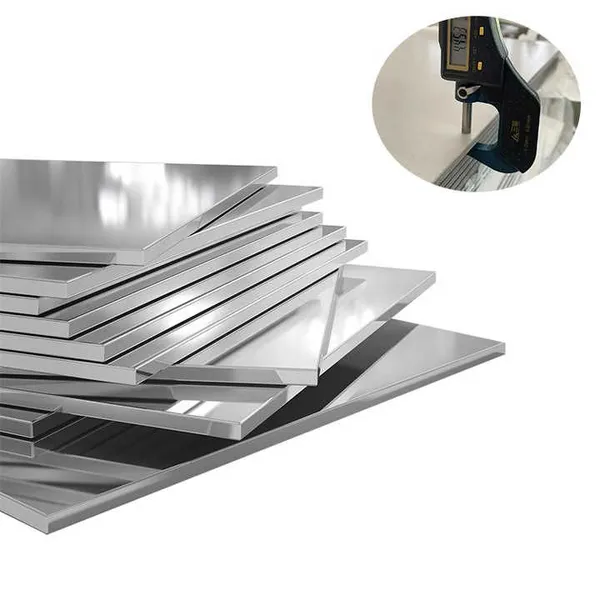
304/304L/316/409/410/904L/2205/2507/310H Premium Stainless Steel Sheets Supplier Custom Sizes & FinishesUS$ 1.72MOQ: 1 Ton
-
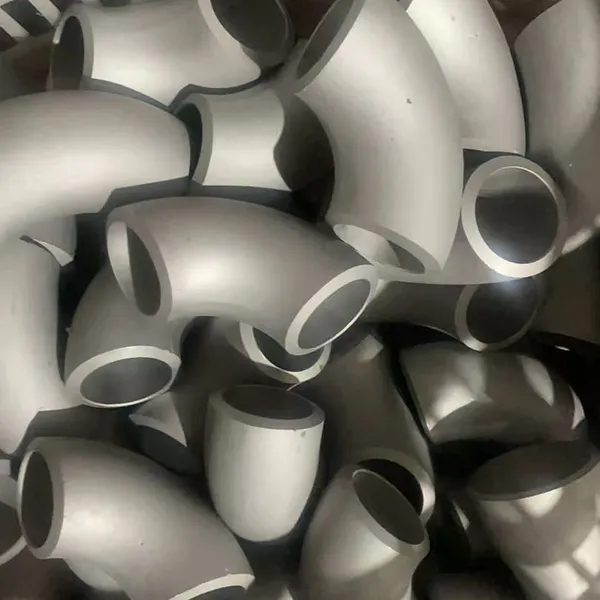
Stainless Steel ASME B16.9 Sch 45 90 Degree Pipe Fittings ElbowUS$ 8MOQ: 1 Piece
-
China Brand Zz 304L 316/316L GB En JIS Standard Thin Wall Welded Stainless Steel Water Pipe/TubeNegotiableMOQ: 2 Meters
-
BA 4 Inch 6 Inch 8 Inch 201 304 304L 316 316L Welded Seamless Stainless Steel PipeNegotiableMOQ: 2 Meters
-
ASME B36.19M-2004 SCH40S Stainless Steel Pipe - Complies With EU 3.1 CertificationUS$ 1 - 650MOQ: 1 Piece
-
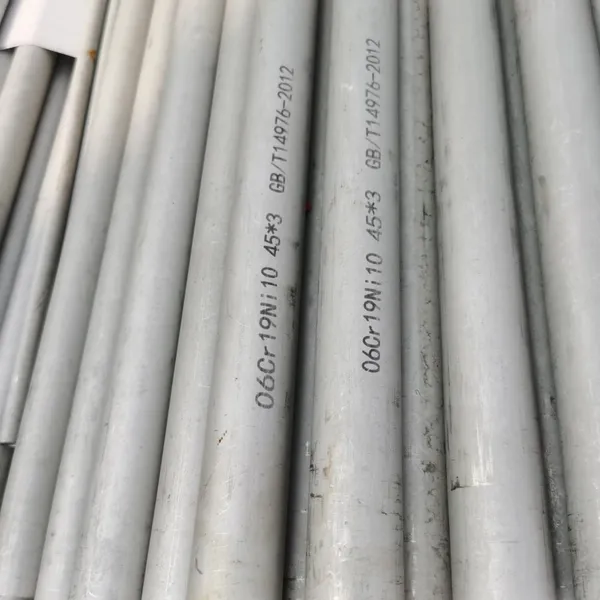
Factory TP309/TP309S/TP309H (UNS30900) Seamless Stainless Steel Pipe and Tube for Boiler BafflesUS$ 8MOQ: 200 Kilograms
-
TP347/TP347H/1.4961/S34709 Seamless Stainless Steel Pipe for UseNegotiableMOQ: 2 Meters
-
China 304 316 Stainless Steel Sanitary Welded Tube Food Grade Sanitary Grade Welded Pipe PolishingNegotiableMOQ: 1 Piece
-
China Manufacture Stainless Steel 316L Ba Seamless Welded Steel Pipe TubesUS$ 1760 - 1860MOQ: 5 Tons
-
316L/1.4405 Seamless Stainless Steel PipeNegotiableMOQ: 2 Meters
-
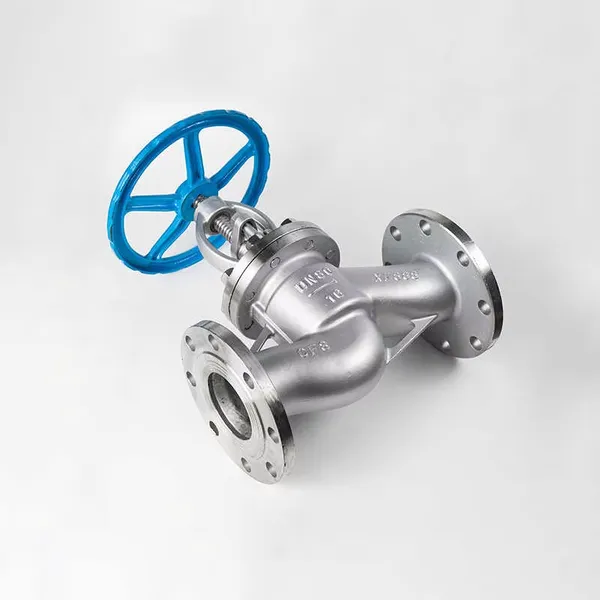
Stainless Steel Globe Valve – High Durability & Corrosion ResistanceNegotiableMOQ: 1 Piece
-
1.4529 Stainless Steel Flat Plate for Chemical Processing EquipmentUS$ 25 - 35MOQ: 1 Kilogram
-
Color Coated Steel Panels for Warehouse Partition Walls (Fireproof Grade)US$ 1 - 1.2MOQ: 50 Kilograms
-
Custom Width (600mm-1250mm) Colored Steel Coil With Scratch ResistanceUS$ 1 - 1.2MOQ: 50 Kilograms
-
0.5mm-3.0mm Colored Coated Steel Sheet With PVDF/Polyester CoatingUS$ 1 - 1.2MOQ: 50 Kilograms
-
JIS G 3322 Compliant Colored Coils With Third-Party Inspection ReportUS$ 1 - 1.2MOQ: 50 Kilograms