
 Business License

What is the difference between welded and seamless stainless steel pipes
01. Coaxiality
The manufacturing process of seamless pipes involves punching a hole in a stainless steel billet at a temperature of 2200°F. At this high temperature, the tool steel is deformed through punching and stretching, becoming soft and spirally shaped and emerging from the hole. As a result, the wall thickness of the pipes is uneven and the eccentricity is high. Therefore, ASTM allows the wall thickness difference of seamless pipes to be larger than that of welded pipes. Welded pipes are made from precisely rolled cold-rolled sheets (each roll is 4-5 feet wide). These cold-rolled sheets usually have a maximum wall thickness difference of 0.05mm. The steel plates are cut to a width of πd, where d is the outer diameter of the pipe. The tolerance of the wall thickness of welded pipes is very small, and the wall thickness throughout the circumference is very uniform.
02. Welding Performance
Generally, there are certain differences in the chemical composition between welded pipes and seamless pipes. The steel used to produce seamless pipes merely meets the basic requirements of ASTM. However, the steel used to produce welded pipes contains chemical components suitable for welding. For example, silicon, sulfur, manganese, oxygen, and elements such as ferrite can be mixed in certain proportions. This mixture can produce a weld slag that is easy to conduct heat during the welding process, allowing the entire weld to penetrate. Pipes without these chemical components, such as seamless pipes, will generate various unstable factors during the welding process, making it difficult to weld firmly and not penetrating the weld.
03. Grain Size
The size of the metal grains is related to the heat treatment temperature and the duration of maintaining the same temperature. The grain size of both the annealed welded stainless steel tubes and the seamless stainless steel tubes is the same. If the welded tubes undergo the minimum cold treatment, the grain size of the weld seam is smaller than that of the welded metal, otherwise, the grain size is the same.
04. Pipeline Strength
The strength of the pipe depends on the alloy composition. Therefore, seamless stainless steel pipes and welded stainless steel pipes with the same alloy and the same heat treatment have essentially the same strength.
After conducting tensile tests and three-dimensional vibration tests, the tearing of the seamless stainless steel pipe almost always occurred in areas far from the welding point or the heated zone. This is because the weld seam has less impurities and a slightly higher nitrogen content, so the strength at the weld is better than at other parts. However, ASME (American Society of Mechanical Engineers) believes that seamless stainless steel pipes can only withstand 85% of the permitted pressure. This is mainly due to the fact that the data was collected earlier than the improved welding equipment currently in use.
According to ASME regulations, seamless stainless steel pipes that pass 100% ultrasonic testing can fully withstand the permitted pressure. Similarly, both Europe and Asia stipulate that seamless stainless steel pipes that pass eddy current testing can ensure their excellent welding performance. The eddy current testing must be conducted through legal procedures and by institutions holding licenses.
05. Corrosion Resistance
The corrosion resistance is also dependent on the composition of the alloy. Seamless stainless steel pipes with the same chemical composition and welded stainless steel pipes that have undergone complete heat treatment have the same corrosion resistance. Supplementary tests provided by ASTM prove that the corrosion resistance at the welding joint is equivalent or better than the welded metal. In an acidic chloride environment, the corrosion at the welded joints of the unheated welded steel pipes will accelerate, but this is only for the purpose of the corrosion test. In fact, the actual environment is not so harsh.
06. Flexibility and Extensibility
The extensibility of the weld can be verified through the following tests specified by ASTM: bend at 45°, then bend to 90°, and then flatten along the weld seam; then turn the stainless steel seamless pipe around and repeat the above steps to make the inner diameter of the weld bend reach 180°. The weld quality is in accordance with the standard that no tearing or intergranular separation is allowed when magnified 40 times. The bending radius of the pipe is controlled by the composition of the alloy, and the minimum bending radius is generally 2d. The ideal welding conditions are that the weld is in a neutral or compressed state. Moreover, the pipe should undergo annealing treatment to reduce its hardness, thereby improving the bending performance.
07. Wall thickness/diameter
For thin-walled stainless steel pipes with small thickness/diameter values, the welding method is the best choice for production; while for thick-walled pipes with large thickness/diameter values, the stamping method is the most suitable.
08. Comprehensive Quality
Generally, welded stainless steel pipes have better quality than seamless stainless steel pipes. This is because welded stainless steel pipes are made from precisely cold-rolled sheets that have been inspected and approved, so any defects are confined to the welding points. Seamless pipes, on the other hand, are formed by stamping stainless steel blanks with punches, resulting in many tear-like phenomena in the tube walls formed by the extrusion process. Tests using eddy current technology show that the defect rate of welded stainless steel pipes is usually lower than that of seamless stainless steel pipes. When using ultrasonic testing, the background noise of seamless stainless steel pipes is very high, making it difficult to detect their defects. In contrast, the background noise of welded stainless steel pipes is very low, making it easier to locate the defect areas.
Recently Posted
-
Does the stainless steel welded pipe have specific temperature requirements during the solution heat
January 20, 2026Solution heat treatment involves heating stainless steel to a high temperature and then rapidly cooling it to achieve an oversatur Read More
 -
Can stainless steel welded pipes be made into thick pipes
January 20, 2026With the improvement of high-quality welding technology and increasingly strict weld inspection, the application fields of s Read More
 -
Three types of commonly available food-grade stainless steel on the market
January 20, 2026The common food-grade stainless steel pipes are mainly composed of iron, chromium and carbon and other elements. Household stainle Read More
 -
What are the requirements for stainless steel welding pipe production equipment
January 20, 2026As is well known, stainless steel welded pipes have been widely used in various industries such as machinery, chemical engineering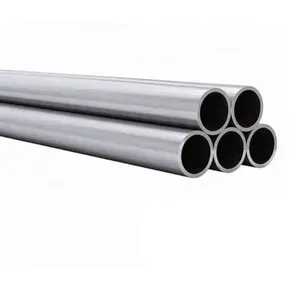 Read More

Contact Us
Recommended Products
-
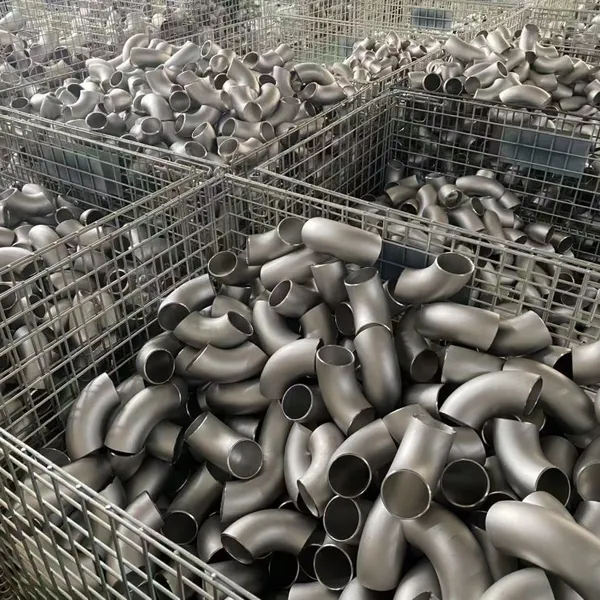
 Stainless Steel Elbow Welded Elbow 45/90/180-degree Seamless Pressed Elbow Long Radius Elbow Short Radius Elbow WholesaleNegotiableMOQ: 1 Piece
 -
316L/1.4405 Seamless Stainless Steel PipeNegotiableMOQ: 2 Meters
-
310s 440 Seamless Sanitary Piping Price 321 904l 201 20 Inch Seamless Steel Pipe A554 Stainless Steel PipeNegotiableMOQ: 1 Piece
-
China Brand ZZ Wholesale 304L 316 316L Welded Austenitic Piping Stainless Steel Pipe SupplierNegotiableMOQ: 2 Meters
-
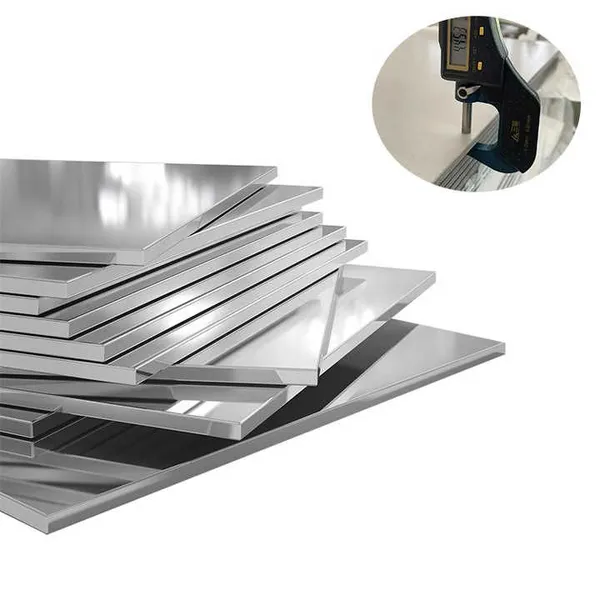
304/304L/316/409/410/904L/2205/2507/310H Premium Stainless Steel Sheets Supplier Custom Sizes & FinishesUS$ 1.72MOQ: 1 Ton
-
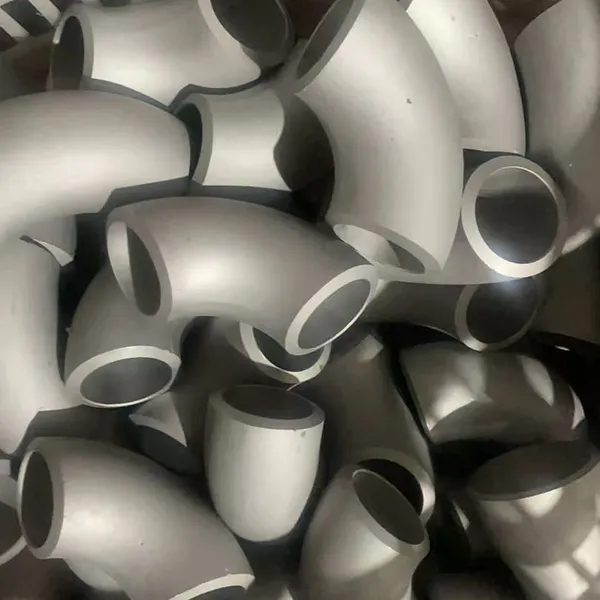
Stainless Steel ASME B16.9 Sch 45 90 Degree Pipe Fittings ElbowUS$ 8MOQ: 1 Piece
-
China Brand Zz 304L 316/316L GB En JIS Standard Thin Wall Welded Stainless Steel Water Pipe/TubeNegotiableMOQ: 2 Meters
-
BA 4 Inch 6 Inch 8 Inch 201 304 304L 316 316L Welded Seamless Stainless Steel PipeNegotiableMOQ: 2 Meters
-
ASME B36.19M-2004 SCH40S Stainless Steel Pipe - Complies With EU 3.1 CertificationUS$ 1 - 650MOQ: 1 Piece
-
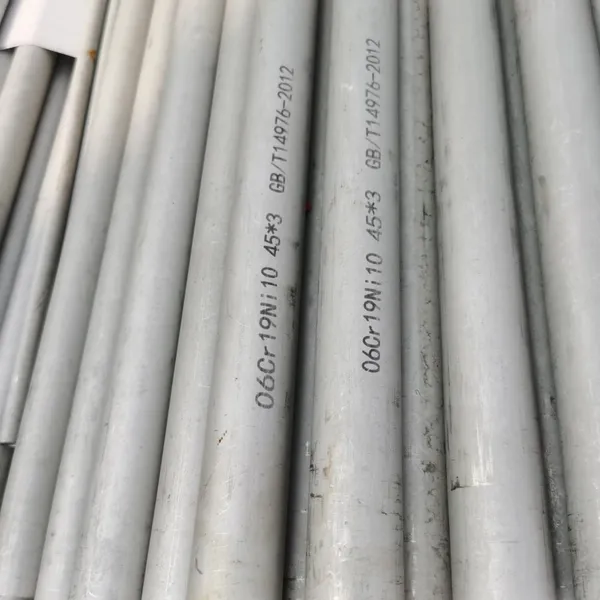
Factory TP309/TP309S/TP309H (UNS30900) Seamless Stainless Steel Pipe and Tube for Boiler BafflesUS$ 8MOQ: 200 Kilograms
-
TP347/TP347H/1.4961/S34709 Seamless Stainless Steel Pipe for UseNegotiableMOQ: 2 Meters
-
China 304 316 Stainless Steel Sanitary Welded Tube Food Grade Sanitary Grade Welded Pipe PolishingNegotiableMOQ: 1 Piece
-
China Manufacture Stainless Steel 316L Ba Seamless Welded Steel Pipe TubesUS$ 1760 - 1860MOQ: 5 Tons
-
316L/1.4405 Seamless Stainless Steel PipeNegotiableMOQ: 2 Meters
-
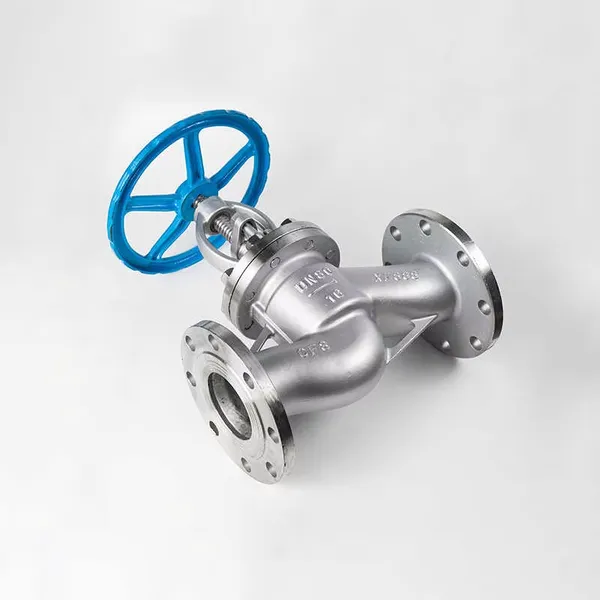
Stainless Steel Globe Valve – High Durability & Corrosion ResistanceNegotiableMOQ: 1 Piece
-
1.4529 Stainless Steel Flat Plate for Chemical Processing EquipmentUS$ 25 - 35MOQ: 1 Kilogram
-
Color Coated Steel Panels for Warehouse Partition Walls (Fireproof Grade)US$ 1 - 1.2MOQ: 50 Kilograms
-
Custom Width (600mm-1250mm) Colored Steel Coil With Scratch ResistanceUS$ 1 - 1.2MOQ: 50 Kilograms
-
0.5mm-3.0mm Colored Coated Steel Sheet With PVDF/Polyester CoatingUS$ 1 - 1.2MOQ: 50 Kilograms
-
JIS G 3322 Compliant Colored Coils With Third-Party Inspection ReportUS$ 1 - 1.2MOQ: 50 Kilograms