
 Business License

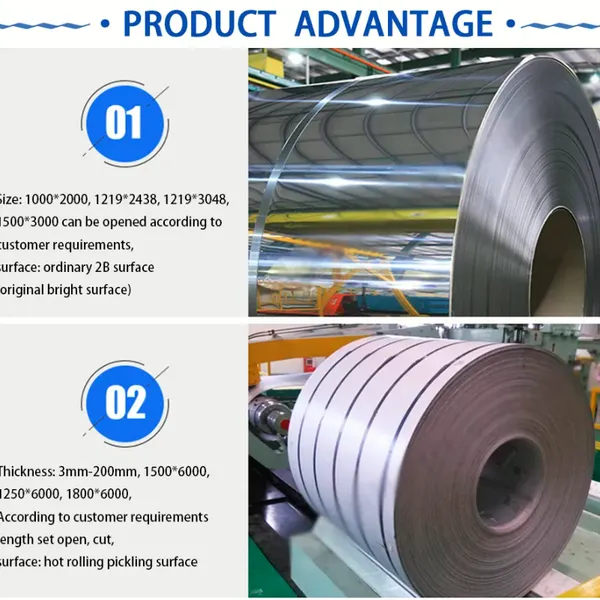
The characteristics of stainless steel sheeting
Corrosion-resistant stainless steel sheeting
The majority of stainless steel rolled sheet products require excellent corrosion resistance. For instance, items such as tableware, kitchenware, water heaters, and water purifiers all fall into this category. Some foreign merchants even conduct corrosion resistance tests on these products: they heat a NaCl aqueous solution to boiling, wait for a period of time, then pour out the solution, clean and dry it, and weigh the weight loss to determine the degree of corrosion. When the atomic quantity of chromium in the steel is not less than 12.5%, it can cause a sudden change in the electrode potential of the steel, rising from a negative potential to a positive one, thereby preventing electrochemical corrosion.
Weldable stainless steel sheeting
The different uses of the products also lead to varying requirements for welding performance. The majority of products require the raw materials to have good welding performance, such as tableware of the second category, thermos cups, steel pipes, water heaters, and water dispensers, etc.
Heat-resistant stainless steel sheeting
Stainless steel can still maintain its excellent properties even when subjected to high temperatures during rolling.
The influence of carbon: Carbon is a strongly forming and stable element in the rolling process of austenitic stainless steel, which forms austenite and expands the austenite zone. The ability of carbon to form austenite is approximately 30 times that of nickel. Carbon is an interstitial element and can significantly enhance the strength of austenitic stainless steel rolling through solid solution strengthening. Carbon can also improve the stress corrosion resistance of austenitic stainless steel rolling in high chloride solutions (such as 42% MgCl2 boiling solution).
However, in the rolling process of austenitic stainless steel, carbon is often regarded as a harmful element. This is mainly because under certain conditions in the corrosion-resistant applications of stainless steel rolling (such as welding or heating at 450-850℃), carbon can react with chromium in the steel to form high-chromium Cr23C6 type carbon compounds, thereby causing local chromium depletion and reducing the corrosion resistance of the steel, especially the intergranular corrosion resistance. Therefore, some experimental studies also indicate that carbon can also increase the tendency of point corrosion in the rolling process of chromium austenitic stainless steel. Due to the harmful effect of carbon, not only should the carbon content be controlled as low as possible during the smelting and rolling process of austenitic stainless steel, but also during subsequent hot, cold processing and heat treatment processes, measures should be taken to prevent the increase of carbon on the surface of the rolled stainless steel and to avoid the precipitation of chromium-free carbides.
Polished stainless steel sheeting
In today's society, stainless steel rolled sheet products are generally subjected to the polishing process during production. Only a few products, such as water heaters and water dispenser inner tanks, do not require polishing. Therefore, it is necessary for the raw materials to have excellent polishing performance. The factors affecting the polishing performance mainly include the following points:
①Surface defects of the raw materials. Such as scratches, blemishes, excessive acid washing, etc.
② Raw material quality issue. The hardness is too low, making it difficult to achieve a smooth finish during polishing (poor BQ property). Moreover, with such low hardness, the surface is prone to develop an orange peel effect during deep stretching, thereby affecting the BQ property. Materials with higher hardness generally have better BQ properties.
③ For products that have undergone deep stretching, small black spots and RIDGING may appear on the surface of the extremely deformed areas, thereby affecting the BQ property.
Recently Posted
-
Does the stainless steel welded pipe have specific temperature requirements during the solution heat
January 20, 2026Solution heat treatment involves heating stainless steel to a high temperature and then rapidly cooling it to achieve an oversatur Read More
 -
Can stainless steel welded pipes be made into thick pipes
January 20, 2026With the improvement of high-quality welding technology and increasingly strict weld inspection, the application fields of s Read More
 -
Three types of commonly available food-grade stainless steel on the market
January 20, 2026The common food-grade stainless steel pipes are mainly composed of iron, chromium and carbon and other elements. Household stainle Read More
 -
What are the requirements for stainless steel welding pipe production equipment
January 20, 2026As is well known, stainless steel welded pipes have been widely used in various industries such as machinery, chemical engineering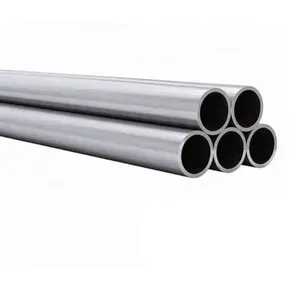 Read More

Contact Us
Recommended Products
-
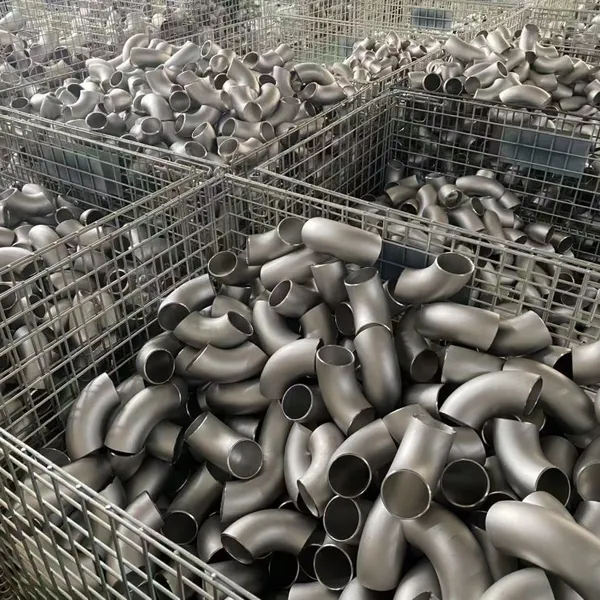
 Stainless Steel Elbow Welded Elbow 45/90/180-degree Seamless Pressed Elbow Long Radius Elbow Short Radius Elbow WholesaleNegotiableMOQ: 1 Piece
 -
316L/1.4405 Seamless Stainless Steel PipeNegotiableMOQ: 2 Meters
-
310s 440 Seamless Sanitary Piping Price 321 904l 201 20 Inch Seamless Steel Pipe A554 Stainless Steel PipeNegotiableMOQ: 1 Piece
-
China Brand ZZ Wholesale 304L 316 316L Welded Austenitic Piping Stainless Steel Pipe SupplierNegotiableMOQ: 2 Meters
-
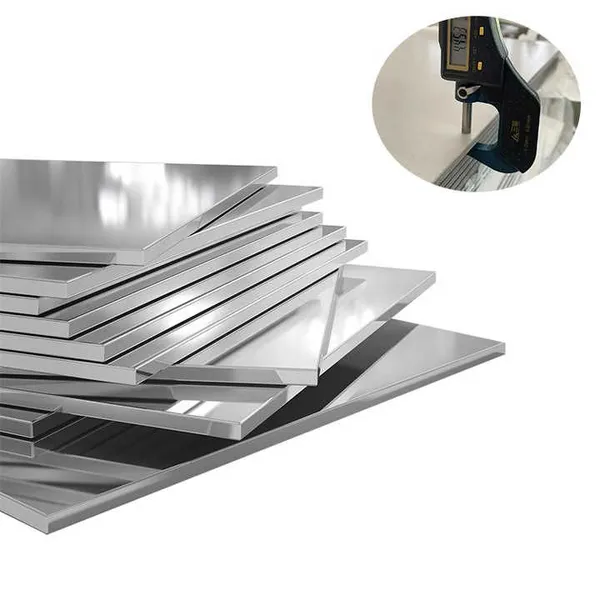
304/304L/316/409/410/904L/2205/2507/310H Premium Stainless Steel Sheets Supplier Custom Sizes & FinishesUS$ 1.72MOQ: 1 Ton
-
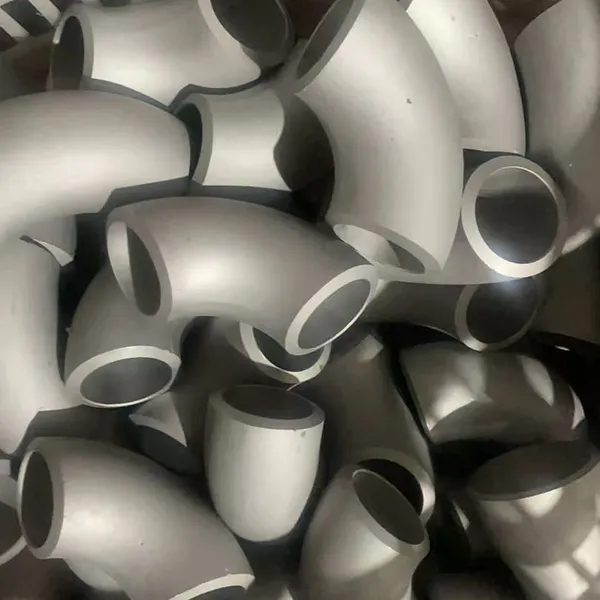
Stainless Steel ASME B16.9 Sch 45 90 Degree Pipe Fittings ElbowUS$ 8MOQ: 1 Piece
-
China Brand Zz 304L 316/316L GB En JIS Standard Thin Wall Welded Stainless Steel Water Pipe/TubeNegotiableMOQ: 2 Meters
-
BA 4 Inch 6 Inch 8 Inch 201 304 304L 316 316L Welded Seamless Stainless Steel PipeNegotiableMOQ: 2 Meters
-
ASME B36.19M-2004 SCH40S Stainless Steel Pipe - Complies With EU 3.1 CertificationUS$ 1 - 650MOQ: 1 Piece
-
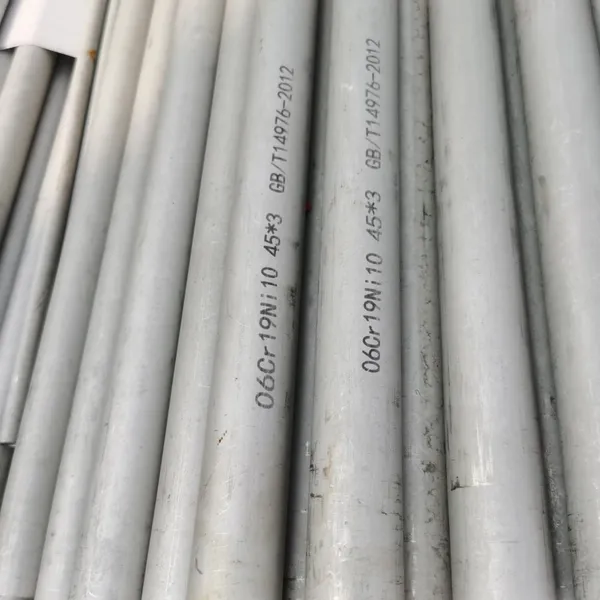
Factory TP309/TP309S/TP309H (UNS30900) Seamless Stainless Steel Pipe and Tube for Boiler BafflesUS$ 8MOQ: 200 Kilograms
-
TP347/TP347H/1.4961/S34709 Seamless Stainless Steel Pipe for UseNegotiableMOQ: 2 Meters
-
China 304 316 Stainless Steel Sanitary Welded Tube Food Grade Sanitary Grade Welded Pipe PolishingNegotiableMOQ: 1 Piece
-
China Manufacture Stainless Steel 316L Ba Seamless Welded Steel Pipe TubesUS$ 1760 - 1860MOQ: 5 Tons
-
316L/1.4405 Seamless Stainless Steel PipeNegotiableMOQ: 2 Meters
-
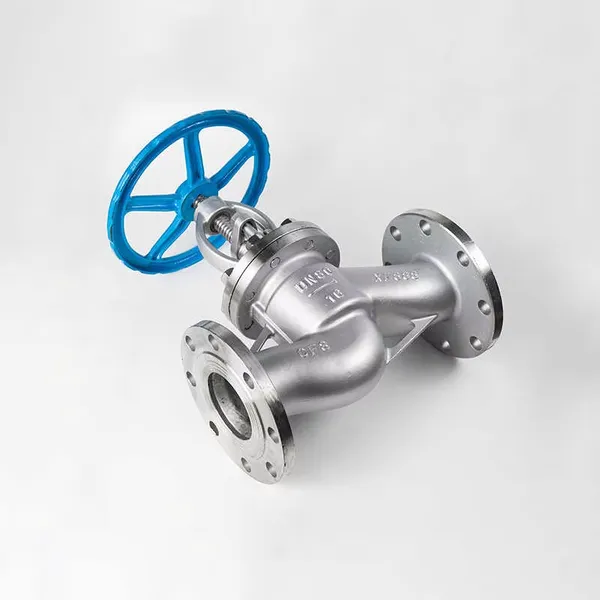
Stainless Steel Globe Valve – High Durability & Corrosion ResistanceNegotiableMOQ: 1 Piece
-
1.4529 Stainless Steel Flat Plate for Chemical Processing EquipmentUS$ 25 - 35MOQ: 1 Kilogram
-
Color Coated Steel Panels for Warehouse Partition Walls (Fireproof Grade)US$ 1 - 1.2MOQ: 50 Kilograms
-
Custom Width (600mm-1250mm) Colored Steel Coil With Scratch ResistanceUS$ 1 - 1.2MOQ: 50 Kilograms
-
0.5mm-3.0mm Colored Coated Steel Sheet With PVDF/Polyester CoatingUS$ 1 - 1.2MOQ: 50 Kilograms
-
JIS G 3322 Compliant Colored Coils With Third-Party Inspection ReportUS$ 1 - 1.2MOQ: 50 Kilograms