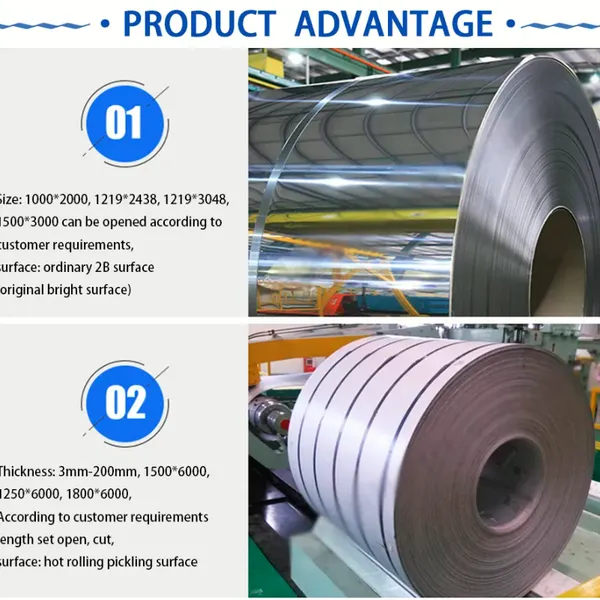

 Business License

How to detect weld defects in stainless steel pipes
1. Welding omission refers to the situation where there are welding points that are not properly welded during the welding process. Welding omission is very likely to cause quality accidents. The true cause of welding omission is difficult to identify, and the entry point for solving the problem is unclear. The preventive measures can only be to strengthen self-inspection, increase on-the-move quality inspection and increase the frequency of final inspection to prevent the occurrence of welding omission and opening welds. Non-conforming products should not be transferred to the next process.
2. To detect whether the welding material is leak-proof or not, a coloring inspection agent can be used. Coloring inspection is a type of non-destructive testing method, which is a surface detection method mainly used to detect surface damages such as cracks that cannot be identified by the naked eye, such as detecting surface defects (cracks) near the surface of stainless steel materials, pores, porosity, delamination, incomplete penetration and incomplete fusion (also known as PT inspection). It is applicable for inspecting the defects of dense metal materials (weld seams), non-metal materials (glass, ceramics, fluoroplastics) and the surface openings of their products (cracks, pores, etc.).
3. The basic principle of colored penetrant inspection agent: Apply the coloring agent to the surface of the material, and the coloring agent penetrates into the damaged area. After a certain period of time, rinse off the coloring agent from the surface. Then apply the developer agent on the already cleaned surface. Due to the coloring agent having penetrated into the damaged area, the damage can be clearly seen.
4. We use infrared weld leakage detection equipment to check for weld leaks. Infrared weld leakage detection is a non-destructive testing technology that measures the infrared radiation of components to obtain their surface temperature or temperature distribution, in order to determine whether there are internal defects in their operating status. If weld leakage is detected, the equipment will issue an alarm notification, and the production machine will automatically remove the stainless steel tubes corresponding to the alarm section to prevent the leaked stainless steel tubes from entering the next process.
5. In addition, we also implement a hierarchical quality inspection process, where the next process supervises the previous one to prevent the occurrence of unqualified processes. The multiple levels of inspection ensure that the stainless steel pipes entering the market are of high quality, allowing users to use them with confidence.
Recently Posted
-
Does the stainless steel welded pipe have specific temperature requirements during the solution heat
January 20, 2026Solution heat treatment involves heating stainless steel to a high temperature and then rapidly cooling it to achieve an oversatur Read More
 -
Can stainless steel welded pipes be made into thick pipes
January 20, 2026With the improvement of high-quality welding technology and increasingly strict weld inspection, the application fields of s Read More
 -
Three types of commonly available food-grade stainless steel on the market
January 20, 2026The common food-grade stainless steel pipes are mainly composed of iron, chromium and carbon and other elements. Household stainle Read More
 -
What are the requirements for stainless steel welding pipe production equipment
January 20, 2026As is well known, stainless steel welded pipes have been widely used in various industries such as machinery, chemical engineering Read More

Contact Us
Recommended Products
-
 Stainless Steel Elbow Welded Elbow 45/90/180-degree Seamless Pressed Elbow Long Radius Elbow Short Radius Elbow WholesaleNegotiableMOQ: 1 Piece
 -
316L/1.4405 Seamless Stainless Steel PipeNegotiableMOQ: 2 Meters
-
310s 440 Seamless Sanitary Piping Price 321 904l 201 20 Inch Seamless Steel Pipe A554 Stainless Steel PipeNegotiableMOQ: 1 Piece
-
China Brand ZZ Wholesale 304L 316 316L Welded Austenitic Piping Stainless Steel Pipe SupplierNegotiableMOQ: 2 Meters
-
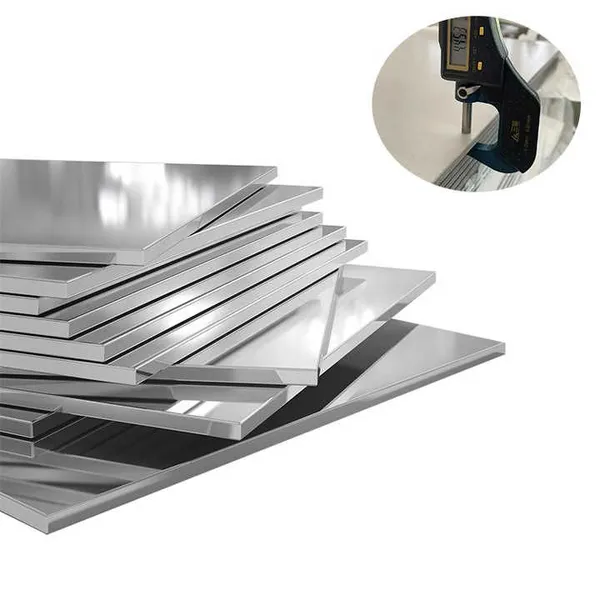
304/304L/316/409/410/904L/2205/2507/310H Premium Stainless Steel Sheets Supplier Custom Sizes & FinishesUS$ 1.72MOQ: 1 Ton
-
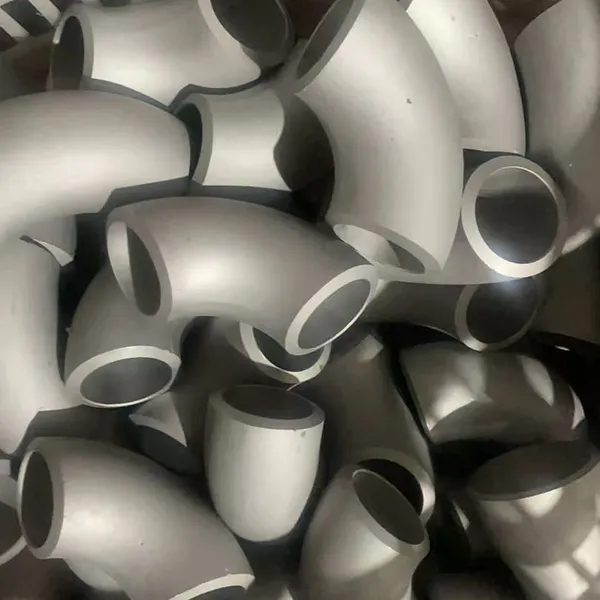
Stainless Steel ASME B16.9 Sch 45 90 Degree Pipe Fittings ElbowUS$ 8MOQ: 1 Piece
-
China Brand Zz 304L 316/316L GB En JIS Standard Thin Wall Welded Stainless Steel Water Pipe/TubeNegotiableMOQ: 2 Meters
-
BA 4 Inch 6 Inch 8 Inch 201 304 304L 316 316L Welded Seamless Stainless Steel PipeNegotiableMOQ: 2 Meters
-
ASME B36.19M-2004 SCH40S Stainless Steel Pipe - Complies With EU 3.1 CertificationUS$ 1 - 650MOQ: 1 Piece
-
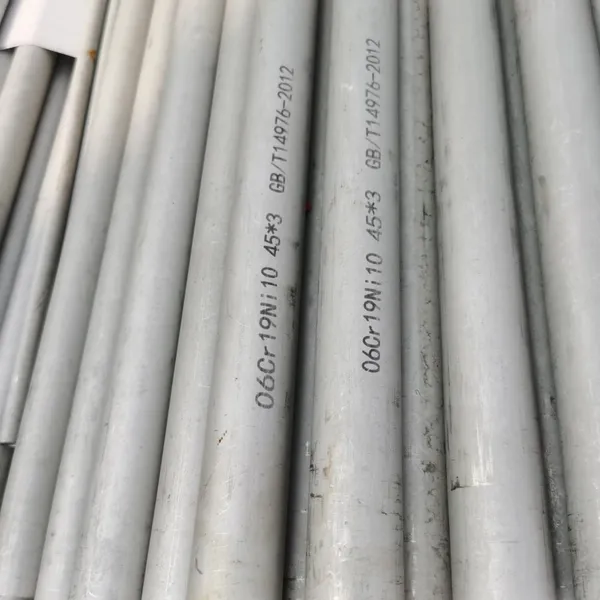
Factory TP309/TP309S/TP309H (UNS30900) Seamless Stainless Steel Pipe and Tube for Boiler BafflesUS$ 8MOQ: 200 Kilograms
-
TP347/TP347H/1.4961/S34709 Seamless Stainless Steel Pipe for UseNegotiableMOQ: 2 Meters
-
China 304 316 Stainless Steel Sanitary Welded Tube Food Grade Sanitary Grade Welded Pipe PolishingNegotiableMOQ: 1 Piece
-
China Manufacture Stainless Steel 316L Ba Seamless Welded Steel Pipe TubesUS$ 1760 - 1860MOQ: 5 Tons
-
316L/1.4405 Seamless Stainless Steel PipeNegotiableMOQ: 2 Meters
-
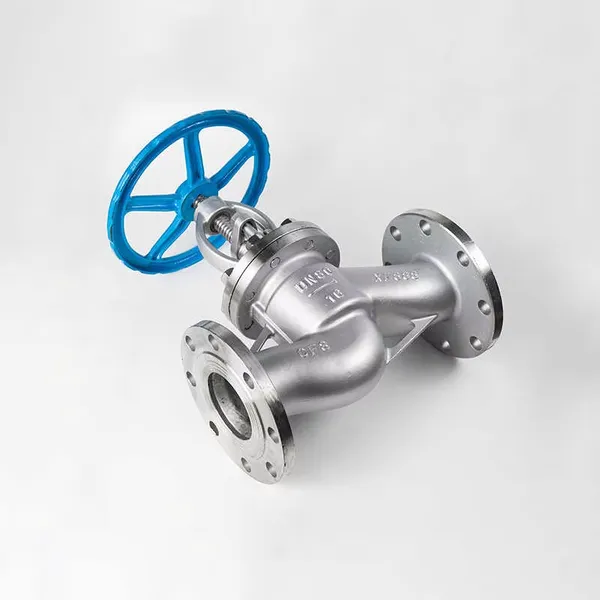
Stainless Steel Globe Valve – High Durability & Corrosion ResistanceNegotiableMOQ: 1 Piece
-
1.4529 Stainless Steel Flat Plate for Chemical Processing EquipmentUS$ 25 - 35MOQ: 1 Kilogram
-
Color Coated Steel Panels for Warehouse Partition Walls (Fireproof Grade)US$ 1 - 1.2MOQ: 50 Kilograms
-
Custom Width (600mm-1250mm) Colored Steel Coil With Scratch ResistanceUS$ 1 - 1.2MOQ: 50 Kilograms
-
0.5mm-3.0mm Colored Coated Steel Sheet With PVDF/Polyester CoatingUS$ 1 - 1.2MOQ: 50 Kilograms
-
JIS G 3322 Compliant Colored Coils With Third-Party Inspection ReportUS$ 1 - 1.2MOQ: 50 Kilograms