
 Business License

There are several welding methods for stainless steel pipes.
High-frequency induction welding
In both high-frequency contact welding and high-frequency induction welding, the equipment that supplies the current and the equipment that provides the compressive force are independent of each other. Moreover, both methods can use magnetic rods, which are soft magnetic components placed inside the tube body. They help to concentrate the welding flow at the edge of the steel strip.
In both cases, after the steel strips are cut and cleaned, they are rolled up and sent to the welding point. Additionally, coolant is used to cool the induction coils used during the heating process. Finally, some of the coolant will be used in the extrusion process. Here, a great force is applied on the extrusion pulley to prevent porosity in the welding area; however, using a greater extrusion force will result in more burrs (or weld beads). Therefore, specially designed tools are used to remove the burrs inside and outside the pipe.
One of the main advantages of the high-frequency welding process is that it enables high-speed processing of steel pipes. However, a typical situation that exists in most solid-phase welding is that the weld points of high-frequency welding are not easily testable reliably using traditional non-destructive testing (NDT) methods. Welding cracks may appear in the thin and flat areas of low-strength connections, and these cracks cannot be detected using traditional methods, thus lacking reliability in some high-demand automotive applications.
2. Tungsten Inert Gas Arc Welding (GTAW)
Traditionally, steel pipe production plants choose to complete the welding process using tungsten inert gas shielded arc welding (GTAW). GTAW generates an electric welding arc between two non-consumable tungsten electrodes. At the same time, an inert shielding gas is introduced from the spray gun to shield the electrodes, generate an ionized plasma flow, and protect the molten weld pool. This is a well-established process that has been understood by people and will allow for the repeated completion of high-quality welding processes.
The advantage of this process lies in its repeatability, the absence of spatter during the welding process, and the elimination of porosity. GTAW is considered an electrical conduction process, so, relatively speaking, the process is relatively slow.
3. High-frequency arc pulse
In recent years, GTAW welding power supplies, also known as high-speed switches, have enabled the arc pulses to exceed 10,000 Hz. The customers of steel pipe processing factories were the first to benefit from this new technology. The high-frequency arc pulses resulted in an increase of five times the downward pressure of the arc compared to traditional GTAW. The representative improvement features brought about include: the blasting strength is enhanced, the welding line speed is faster, and the waste is reduced.
The customers of the steel pipe manufacturing plant soon discovered that the welding shape obtained by this welding process needed to be reduced. Moreover, the welding speed was still relatively slow.
4. Laser welding
In all steel pipe welding applications, the edges of the steel strip are melted. When a clamping bracket is used to press the edges of the steel pipe together, the edges solidify. However, for laser welding, a unique property is that it has a high energy density of the light beam. The laser beam not only melts the surface layer of the material but also creates a keyhole, resulting in a very narrow weld shape.
If the power density is lower than 1MW/cm², such as in GTAW technology, it cannot generate sufficient energy density to form a keyhole. As a result, the welding shape obtained by this keyhole-free process is wide and shallow. The high precision of laser welding leads to higher efficiency in penetration, which in turn reduces grain growth and results in better microstructure quality; on the other hand, the higher heat input and slower cooling process of GTAW lead to a rough welding structure.
Generally speaking, people believe that the laser welding process is faster than GTAW. They have the same defect rate, but the former offers better microstructure properties, which leads to higher burst strength and higher formability. When compared with high-frequency welding, the laser material processing does not undergo oxidation, which results in a lower defect rate and higher formability.
The influence of spot size: In the welding process of the stainless steel pipe factory, the welding depth is determined by the thickness of the pipe. Therefore, the production goal is to improve the formability by reducing the welding width, while achieving higher speed. When selecting the most suitable laser, one cannot only consider the beam quality, but also must take into account the accuracy of the tube rolling machine. Moreover, before the error in the size of the tube rolling machine takes effect, the limitations imposed by reducing the spot size must be considered first.
There are many specific size-related issues in steel pipe welding. However, the main factor affecting the welding is the joint on the welding box (more specifically, the welding coil). Once the steel strip undergoes forming processing and is ready for welding, the characteristics of the weld include: steel strip gap, severe/mild welding misalignment, and changes in the weld centerline. The gap determines how much material is needed to form the weld pool. Excessive pressure will result in excess material at the top of the pipe or the inner diameter. On the other hand, severe or mild welding misalignment will lead to an unsatisfactory welding shape.
Furthermore, after being welded, the steel pipes will undergo further refinement. This involves size adjustments and shape (form) modifications. On the other hand, additional work can remove some severe or minor welding defects, but it may not be able to completely eliminate them. Of course, we aim for zero defects. Generally speaking, the rule of thumb is that welding defects should not exceed five percent of the material thickness. Exceeding this value will affect the strength of the welded product.
Finally, the presence of the welding center line is crucial for the production of high-quality stainless steel pipes. As the automotive market increasingly emphasizes formability, this directly leads to the need for a smaller heat affected zone (HAZ) and a reduction in the welding profile. In turn, this promotes the development of laser technology, which involves improving beam quality to reduce the spot size. As the spot size continues to decrease, more attention needs to be paid to the accuracy when scanning the center line of the joint. Generally, pipe manufacturers will try to minimize this deviation as much as possible, but in reality, it is very difficult to achieve a deviation of 0.2mm (0.008 inches).
This led to the need for the use of a weld tracking system. The two most common tracking techniques are mechanical scanning and laser scanning. On one hand, the mechanical system uses a probe to contact the upstream of the weld seam, and they get dusty, worn out and vibrated. The accuracy of these systems is 0.25mm (0.01 inch), which is not precise enough for high beam quality laser welding.
On the other hand, laser weld seam tracking can achieve the required accuracy. Generally speaking, the laser beam or laser spot is projected onto the weld seam surface, and the resulting image is fed back to the CMOS camera. The camera then uses algorithms to determine the positions of the weld seam, incorrect jointing, and gap.
Although imaging speed is important, when providing the necessary closed-loop control to directly move the laser focus head along the seam, the laser weld seam tracker must have a fast enough controller to precisely calculate the position of the weld seam. Therefore, the accuracy of weld seam tracking is important, and the response time is equally important.
Overall, the weld tracking technology has been fully developed and enables steel pipe manufacturing plants to utilize higher-quality laser beams to produce stainless steel pipes with better formability.
Therefore, laser welding has found its application. It is used to reduce the porosity of the weld, minimize the weld shape, while maintaining or increasing the welding speed. Laser systems, such as diffusion-cooled strip lasers, have improved the beam quality and further enhanced the formability by reducing the welding width. This development has led to stricter size control in steel pipe factories and the necessity for laser weld seam tracking.
Recently Posted
-
Does the stainless steel welded pipe have specific temperature requirements during the solution heat
January 20, 2026Solution heat treatment involves heating stainless steel to a high temperature and then rapidly cooling it to achieve an oversatur Read More
 -
Can stainless steel welded pipes be made into thick pipes
January 20, 2026With the improvement of high-quality welding technology and increasingly strict weld inspection, the application fields of s Read More
 -
Three types of commonly available food-grade stainless steel on the market
January 20, 2026The common food-grade stainless steel pipes are mainly composed of iron, chromium and carbon and other elements. Household stainle Read More
 -
What are the requirements for stainless steel welding pipe production equipment
January 20, 2026As is well known, stainless steel welded pipes have been widely used in various industries such as machinery, chemical engineering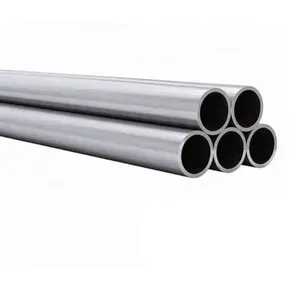 Read More

Contact Us
Recommended Products
-
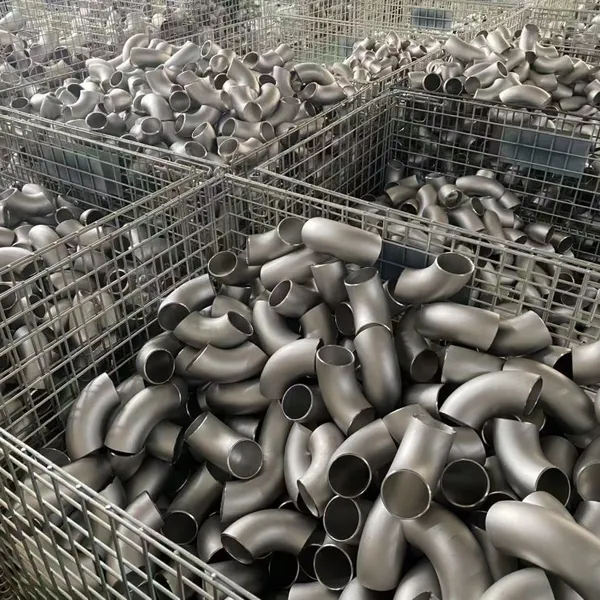
 Stainless Steel Elbow Welded Elbow 45/90/180-degree Seamless Pressed Elbow Long Radius Elbow Short Radius Elbow WholesaleNegotiableMOQ: 1 Piece
 -
316L/1.4405 Seamless Stainless Steel PipeNegotiableMOQ: 2 Meters
-
310s 440 Seamless Sanitary Piping Price 321 904l 201 20 Inch Seamless Steel Pipe A554 Stainless Steel PipeNegotiableMOQ: 1 Piece
-
China Brand ZZ Wholesale 304L 316 316L Welded Austenitic Piping Stainless Steel Pipe SupplierNegotiableMOQ: 2 Meters
-
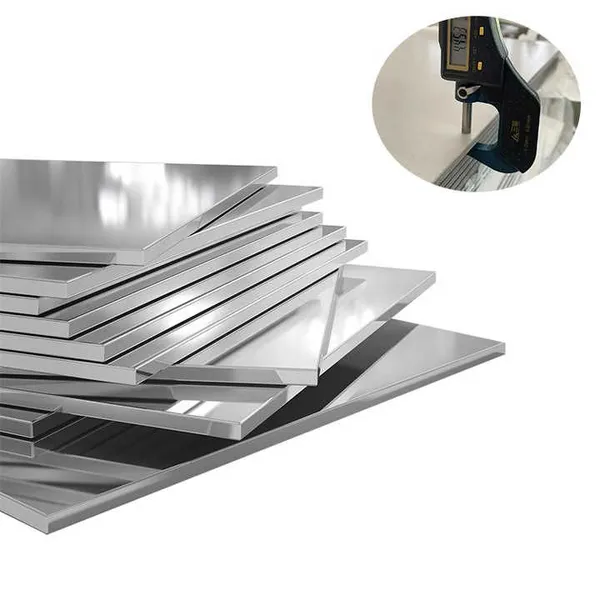
304/304L/316/409/410/904L/2205/2507/310H Premium Stainless Steel Sheets Supplier Custom Sizes & FinishesUS$ 1.72MOQ: 1 Ton
-
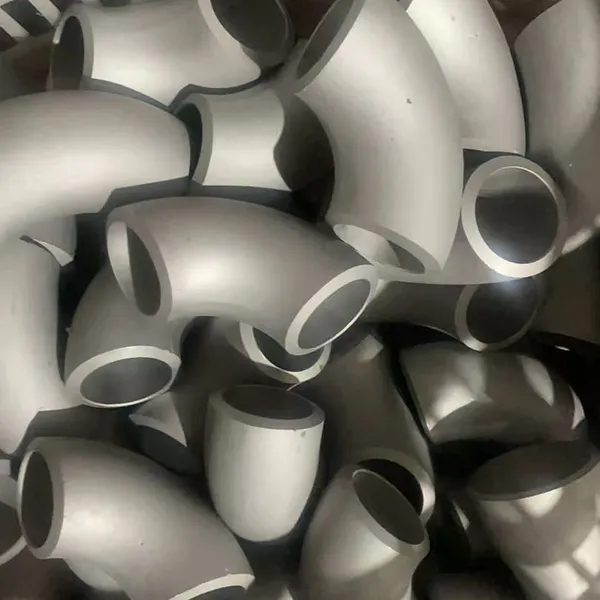
Stainless Steel ASME B16.9 Sch 45 90 Degree Pipe Fittings ElbowUS$ 8MOQ: 1 Piece
-
China Brand Zz 304L 316/316L GB En JIS Standard Thin Wall Welded Stainless Steel Water Pipe/TubeNegotiableMOQ: 2 Meters
-
BA 4 Inch 6 Inch 8 Inch 201 304 304L 316 316L Welded Seamless Stainless Steel PipeNegotiableMOQ: 2 Meters
-
ASME B36.19M-2004 SCH40S Stainless Steel Pipe - Complies With EU 3.1 CertificationUS$ 1 - 650MOQ: 1 Piece
-
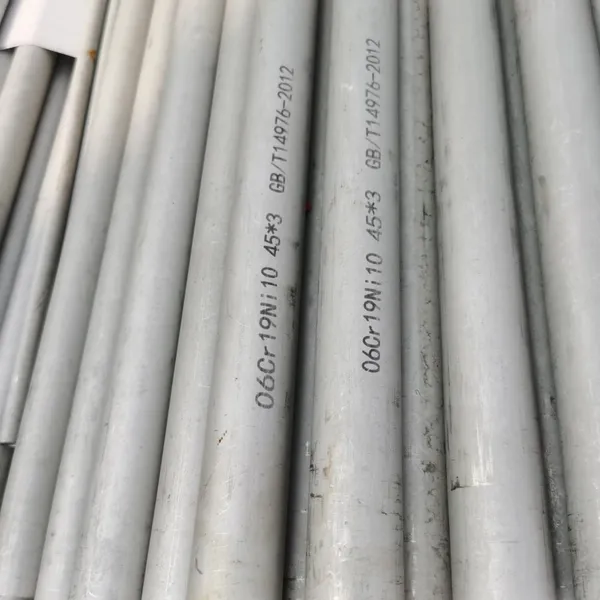
Factory TP309/TP309S/TP309H (UNS30900) Seamless Stainless Steel Pipe and Tube for Boiler BafflesUS$ 8MOQ: 200 Kilograms
-
TP347/TP347H/1.4961/S34709 Seamless Stainless Steel Pipe for UseNegotiableMOQ: 2 Meters
-
China 304 316 Stainless Steel Sanitary Welded Tube Food Grade Sanitary Grade Welded Pipe PolishingNegotiableMOQ: 1 Piece
-
China Manufacture Stainless Steel 316L Ba Seamless Welded Steel Pipe TubesUS$ 1760 - 1860MOQ: 5 Tons
-
316L/1.4405 Seamless Stainless Steel PipeNegotiableMOQ: 2 Meters
-
Stainless Steel Globe Valve – High Durability & Corrosion ResistanceNegotiableMOQ: 1 Piece
-
1.4529 Stainless Steel Flat Plate for Chemical Processing EquipmentUS$ 25 - 35MOQ: 1 Kilogram
-
Color Coated Steel Panels for Warehouse Partition Walls (Fireproof Grade)US$ 1 - 1.2MOQ: 50 Kilograms
-
Custom Width (600mm-1250mm) Colored Steel Coil With Scratch ResistanceUS$ 1 - 1.2MOQ: 50 Kilograms
-
0.5mm-3.0mm Colored Coated Steel Sheet With PVDF/Polyester CoatingUS$ 1 - 1.2MOQ: 50 Kilograms
-
JIS G 3322 Compliant Colored Coils With Third-Party Inspection ReportUS$ 1 - 1.2MOQ: 50 Kilograms