
 Business License

How to improve the corrosion resistance of stainless steel in marine environments
To enhance the corrosion resistance of stainless steel in marine environments, the core lies in three directions: blocking the damage of chloride ions to the passive film, strengthening the stability of the passive film, and eliminating the factors that induce corrosion. Comprehensive measures should be taken from the dimensions of material selection, surface modification, structural design, process control, and daily maintenance. The specific methods are as follows:
I. Selecting Stainless Steel Grades Resistant to Marine Corrosion
The core corrosion threat in marine environments is the high concentration of chloride ions, which directly determines the suitability of stainless steel grades. Materials should be selected based on specific application scenarios (such as splash zones, fully immersed zones, and tidal zones):
Alternative Base Grades: Abandon 304 stainless steel, which is prone to pitting corrosion in marine environments, and prioritize the use of molybdenum-containing 316/316L stainless steel. Molybdenum enhances the resistance of the passive film to chloride ion penetration, reducing the risk of pitting and crevice corrosion. It is suitable for low-salt spray coastal areas or short-term seawater contact scenarios.
Upgraded High-Performance Grades: For harsh conditions such as long-term seawater immersion and high-salt spray splash zones, duplex stainless steels (such as 2205, 2507) or super austenitic stainless steels (such as 904L, 317L) should be selected. Duplex steels have a crystal structure combining austenite and ferrite, with a higher pitting resistance equivalent number (PREN), and significantly better resistance to chloride ion corrosion and stress corrosion cracking than the 316 series. Super austenitic stainless steels like 904L contain high levels of chromium, nickel, and molybdenum, and also add copper, forming a more stable passive film in seawater, making them suitable for deep-sea equipment and critical components of offshore platforms.
Nickel-based Alloys for Extreme Conditions: For highly corrosive scenarios such as seawater desalination plants and offshore oil and gas extraction, nickel-based alloys like Hastelloy C276 can be used. These alloys have a much higher resistance to chloride ion corrosion than conventional stainless steels and can withstand long-term seawater erosion.
II. Strengthening Surface Protection Treatment of Stainless Steel
By means of artificial methods to optimize the surface state, thicken or repair the passive film, and block the contact between chloride ions and the substrate, common methods include:
Professional passivation treatment: Acid washing and passivation of stainless steel products are carried out using a mixed solution of nitric acid and hydrofluoric acid or a dedicated passivation solution to remove surface oxides, welding spatter and other impurities, and promote the formation of a uniform and dense chromium oxide passive film. Electrochemical passivation can also be adopted, where an external current is applied to accelerate the formation of the passive film and enhance its corrosion resistance, especially suitable for repairing damaged passive films on welded parts.
Spraying anti-corrosion coatings: Spraying marine corrosion-resistant coatings on the surface of stainless steel to form a physical isolation barrier. Fluorocarbon coatings with excellent weather resistance and salt spray resistance can be selected, which can resist seawater erosion for a long time; or ceramic coatings with high hardness and strong chemical stability can be sprayed, suitable for marine equipment parts with high wear and corrosion; for deep-sea components, thermal spraying of metal coatings (such as aluminum spraying, zinc spraying) can be used, utilizing the sacrificial anode principle to protect the stainless steel substrate.
Surface alloying treatment: Surface alloying processes such as chromium diffusion and nitrogen diffusion are adopted to form a highly alloyed layer on the surface of stainless steel, enhancing surface hardness and corrosion resistance. For example, nitrogen diffusion treatment can form a dense nitride layer on the surface, preventing the penetration of chloride ions and simultaneously improving wear resistance, suitable for moving parts of marine machinery.
III. Optimization of Structural Design and Process Control
Eliminate structural defects that can easily cause local corrosion from the source to reduce the risk of stress corrosion. Specific measures include:
Avoiding gap and dead corner design: In marine environments, gaps are prone to accumulate seawater and sediment, forming closed cells and inducing crevice corrosion. Therefore, in structural design, continuous welding should be used instead of bolted or riveted connections to minimize gaps; welding joints should be ground smooth to avoid depressions and dead corners; and drainage holes should be provided on the outer casing of equipment to prevent seawater accumulation.
Controlling welding processes to eliminate sensitization and stress: During welding, high temperatures can cause chromium carbides to precipitate at the grain boundaries of stainless steel, leading to intergranular corrosion, and also generate residual welding stress, which exacerbates stress corrosion cracking. It is necessary to use corrosion-resistant welding materials that match the base material (such as ER316 wire for 316 stainless steel), control the heat input during welding to avoid overheating; after welding, perform solution treatment on the weld and heat-affected zone (heat to 1050-1100°C and then rapidly cool) to dissolve the carbides at the grain boundaries and restore the continuity of the passive film; or conduct stress relief annealing to eliminate residual welding stress and reduce the risk of stress corrosion.
Reducing surface damage: During processing, transportation, and installation, mechanical damage such as scratches and bumps on the surface of stainless steel should be avoided to prevent the passive film from being damaged. If damage occurs, it should be promptly repaired with a dedicated passivation paste to prevent chloride ions from invading through the damaged area and causing local corrosion.
IV. Ancillary Cathodic Protection Measures
For stainless steel components fully immersed in seawater, a "dual protection" scheme combining cathodic protection and coating protection can be adopted to further enhance corrosion resistance:
Sacrificial anode cathodic protection: Install sacrificial anode materials such as zinc anodes or aluminum anodes near the stainless steel components. The electrode potential of the anode materials is lower than that of stainless steel, and they will undergo oxidation reactions preferentially in seawater, releasing electrons to protect the stainless steel substrate from corrosion. This method is suitable for deep-sea pipelines, marine platform legs, and other components, does not require an external power source, and has low maintenance costs.
Impressed current cathodic protection: Provide cathodic current through an external power source to keep the stainless steel component in a cathodically polarized state as a whole, thereby inhibiting the occurrence of corrosion reactions. It is applicable to large marine engineering structures. By adjusting the current density, the protection effect can be precisely controlled. Regular potential detection is required to ensure that the protection parameters are within a reasonable range.
V. Strengthening Daily Maintenance and Monitoring
Regular maintenance can promptly eliminate corrosion triggers, detect early corrosion risks, and extend the service life of stainless steel:
Regular surface cleaning: Regularly rinse the stainless steel surface with fresh water to remove salt spray deposits, marine organisms (such as barnacles and seaweed), etc., to prevent local increases in chloride ion concentration. For adhered marine organisms, high-pressure water jets or specialized cleaning agents can be used for removal. It is strictly prohibited to use hard tools such as steel wool balls for wiping to avoid scratching the passivation film.
Conduct corrosion monitoring: Install corrosion sensors on key components to monitor parameters such as corrosion rate and potential changes in real time, and issue timely warnings of corrosion risks; conduct regular non-destructive testing of components to identify local corrosion issues such as pitting and crevice corrosion, and take remedial measures such as touch-up coating and passivation promptly upon discovery of corrosion.
Recently Posted
-
Does the stainless steel welded pipe have specific temperature requirements during the solution heat
January 20, 2026Solution heat treatment involves heating stainless steel to a high temperature and then rapidly cooling it to achieve an oversatur Read More
 -
Can stainless steel welded pipes be made into thick pipes
January 20, 2026With the improvement of high-quality welding technology and increasingly strict weld inspection, the application fields of s Read More
 -
Three types of commonly available food-grade stainless steel on the market
January 20, 2026The common food-grade stainless steel pipes are mainly composed of iron, chromium and carbon and other elements. Household stainle Read More
 -
What are the requirements for stainless steel welding pipe production equipment
January 20, 2026As is well known, stainless steel welded pipes have been widely used in various industries such as machinery, chemical engineering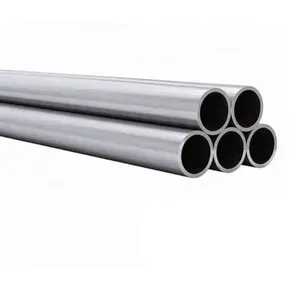 Read More

Contact Us
Recommended Products
-
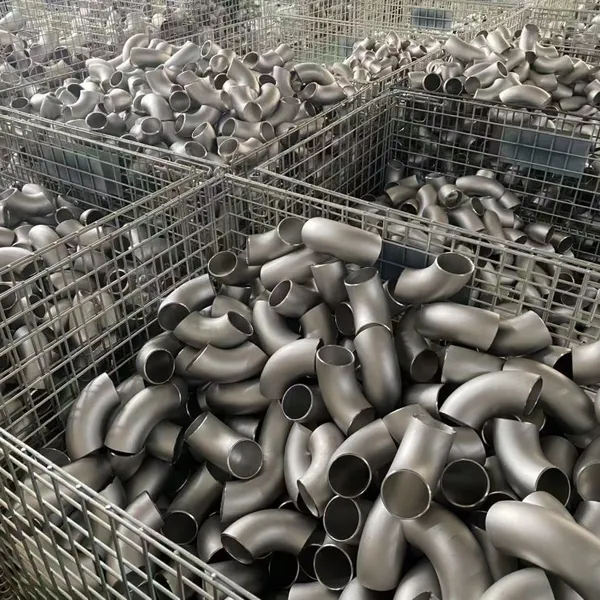
 Stainless Steel Elbow Welded Elbow 45/90/180-degree Seamless Pressed Elbow Long Radius Elbow Short Radius Elbow WholesaleNegotiableMOQ: 1 Piece
 -
316L/1.4405 Seamless Stainless Steel PipeNegotiableMOQ: 2 Meters
-
310s 440 Seamless Sanitary Piping Price 321 904l 201 20 Inch Seamless Steel Pipe A554 Stainless Steel PipeNegotiableMOQ: 1 Piece
-
China Brand ZZ Wholesale 304L 316 316L Welded Austenitic Piping Stainless Steel Pipe SupplierNegotiableMOQ: 2 Meters
-
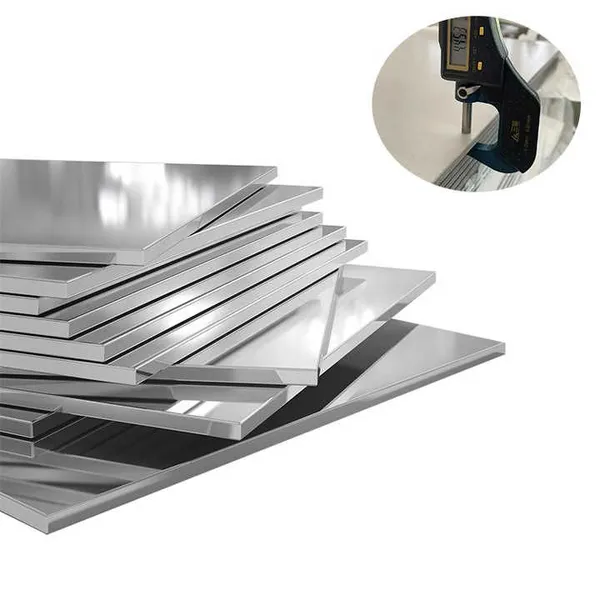
304/304L/316/409/410/904L/2205/2507/310H Premium Stainless Steel Sheets Supplier Custom Sizes & FinishesUS$ 1.72MOQ: 1 Ton
-
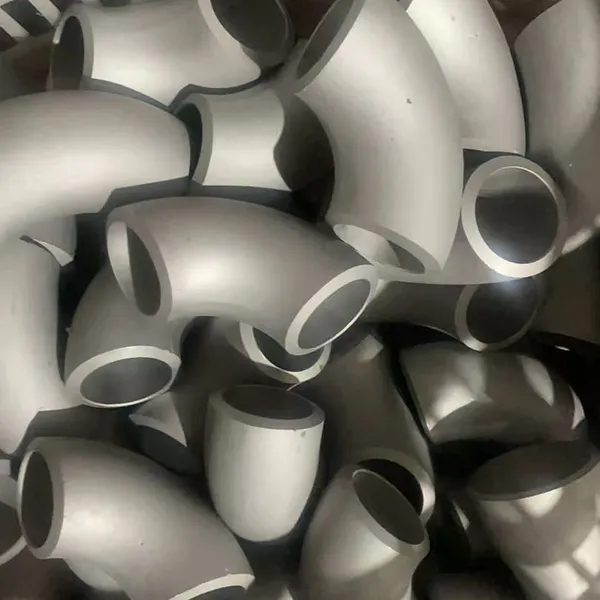
Stainless Steel ASME B16.9 Sch 45 90 Degree Pipe Fittings ElbowUS$ 8MOQ: 1 Piece
-
China Brand Zz 304L 316/316L GB En JIS Standard Thin Wall Welded Stainless Steel Water Pipe/TubeNegotiableMOQ: 2 Meters
-
BA 4 Inch 6 Inch 8 Inch 201 304 304L 316 316L Welded Seamless Stainless Steel PipeNegotiableMOQ: 2 Meters
-
ASME B36.19M-2004 SCH40S Stainless Steel Pipe - Complies With EU 3.1 CertificationUS$ 1 - 650MOQ: 1 Piece
-
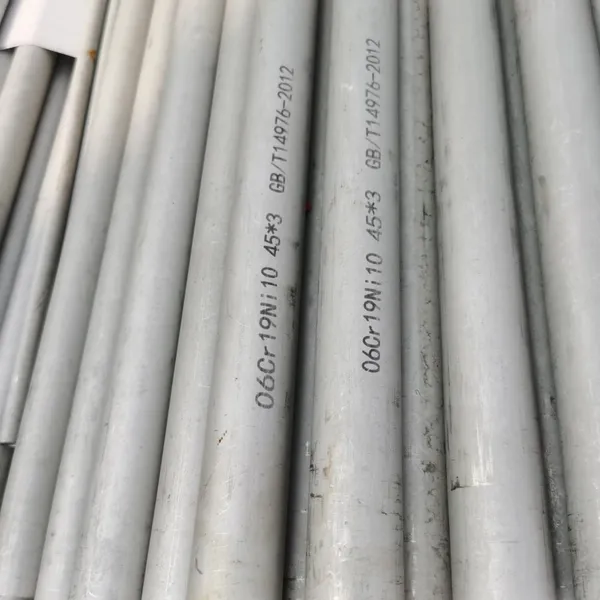
Factory TP309/TP309S/TP309H (UNS30900) Seamless Stainless Steel Pipe and Tube for Boiler BafflesUS$ 8MOQ: 200 Kilograms
-
TP347/TP347H/1.4961/S34709 Seamless Stainless Steel Pipe for UseNegotiableMOQ: 2 Meters
-
China 304 316 Stainless Steel Sanitary Welded Tube Food Grade Sanitary Grade Welded Pipe PolishingNegotiableMOQ: 1 Piece
-
China Manufacture Stainless Steel 316L Ba Seamless Welded Steel Pipe TubesUS$ 1760 - 1860MOQ: 5 Tons
-
316L/1.4405 Seamless Stainless Steel PipeNegotiableMOQ: 2 Meters
-
Stainless Steel Globe Valve – High Durability & Corrosion ResistanceNegotiableMOQ: 1 Piece
-
1.4529 Stainless Steel Flat Plate for Chemical Processing EquipmentUS$ 25 - 35MOQ: 1 Kilogram
-
Color Coated Steel Panels for Warehouse Partition Walls (Fireproof Grade)US$ 1 - 1.2MOQ: 50 Kilograms
-
Custom Width (600mm-1250mm) Colored Steel Coil With Scratch ResistanceUS$ 1 - 1.2MOQ: 50 Kilograms
-
0.5mm-3.0mm Colored Coated Steel Sheet With PVDF/Polyester CoatingUS$ 1 - 1.2MOQ: 50 Kilograms
-
JIS G 3322 Compliant Colored Coils With Third-Party Inspection ReportUS$ 1 - 1.2MOQ: 50 Kilograms