
 Business License

The disadvantage of using smooth bonding to enhance heat transfer within the heat exchange tubes
I. Overview of Smooth Bonding Enhanced Heat Exchange Technology
The smooth belt-enhanced heat exchange technology is a newly emerging type of heat exchange method in recent years. During the heat exchange process, it adopts specially structured belts to increase the heat transfer area within the tubes, thereby enhancing the heat exchange efficiency. Additionally, this technology has the advantages of small size, light weight, and easy installation, and is widely applied in fields such as chemical engineering, medicine, and environmental protection.
II. Disadvantages of the Smooth Linkage Enhanced Heat Exchange Technology
However, the smooth-bonded enhanced heat transfer technology also has some drawbacks in practical applications, mainly manifested in the following aspects:
Prone to contamination
The surface of the smooth connection is relatively smooth and is prone to accumulate contaminants such as sediments and particles, which leads to friction losses inside the pipeline, reduces heat transfer efficiency, and even affects the production process.
2. Likely to cause pressure loss
When smooth ties enhance heat exchange, the fluid will encounter local resistance as it passes through the pipeline, resulting in pressure loss, increasing the load on the pumping station and affecting the stability of the process flow.
3. Likely to cause scaling
The smooth surface of the connection link is relatively smooth, which easily accumulates impurities inside the pipeline, causing scaling and blocking the pipeline, thereby affecting the operational stability of the entire process.
III. Improvements to the Smooth Linkage Enhanced Heat Exchange Technology
To address the shortcomings of the smooth bond strengthening heat exchange technology, the following improvement measures can be adopted to solve the problems:
1. Pre-treatment: Before applying the smooth bond strengthening heat exchange technology, the fluid needs to undergo pre-treatment, such as filtration, impurity removal, and oil removal, to reduce the impact of impurities on the pipeline and thereby minimize the possibility of the bond surface being contaminated.
2. Optimize the connection structure: One approach is to create certain uneven patterns on the smooth surface of the connection, which will increase the frictional force of the fluid inside the pipeline and enhance the heat exchange efficiency.
3. Regular Cleaning: Conduct regular cleaning to remove the scale buildup in the pipes, ensuring the smoothness of the internal passages, thereby enhancing the flow rate and heat exchange efficiency of the system.
IV. Summary
The smooth bond strengthening heat exchange technology, due to its high efficiency, energy conservation, and ease of operation, is increasingly being applied in industrial production processes. Although there are some drawbacks in its application, by improving technologies and taking measures, the existing problems can be effectively solved, thereby enhancing heat exchange efficiency, saving energy, and reducing production costs.
Recently Posted
-
Does the stainless steel welded pipe have specific temperature requirements during the solution heat
January 20, 2026Solution heat treatment involves heating stainless steel to a high temperature and then rapidly cooling it to achieve an oversatur Read More
 -
Can stainless steel welded pipes be made into thick pipes
January 20, 2026With the improvement of high-quality welding technology and increasingly strict weld inspection, the application fields of s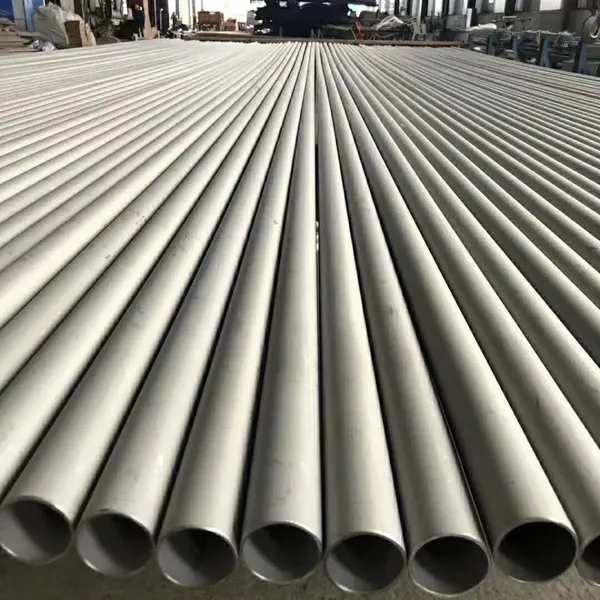 Read More
 -
Three types of commonly available food-grade stainless steel on the market
January 20, 2026The common food-grade stainless steel pipes are mainly composed of iron, chromium and carbon and other elements. Household stainle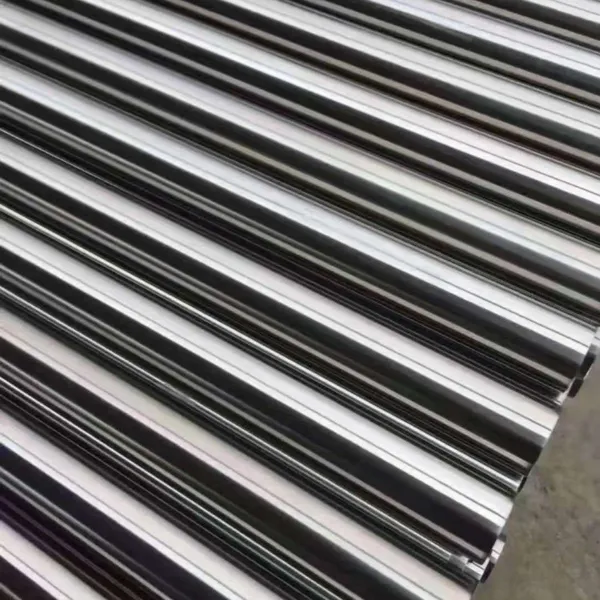 Read More
 -
What are the requirements for stainless steel welding pipe production equipment
January 20, 2026As is well known, stainless steel welded pipes have been widely used in various industries such as machinery, chemical engineering Read More

Contact Us
Recommended Products
-
 Stainless Steel Elbow Welded Elbow 45/90/180-degree Seamless Pressed Elbow Long Radius Elbow Short Radius Elbow WholesaleNegotiableMOQ: 1 Piece
 -
316L/1.4405 Seamless Stainless Steel PipeNegotiableMOQ: 2 Meters
-
310s 440 Seamless Sanitary Piping Price 321 904l 201 20 Inch Seamless Steel Pipe A554 Stainless Steel PipeNegotiableMOQ: 1 Piece
-
China Brand ZZ Wholesale 304L 316 316L Welded Austenitic Piping Stainless Steel Pipe SupplierNegotiableMOQ: 2 Meters
-
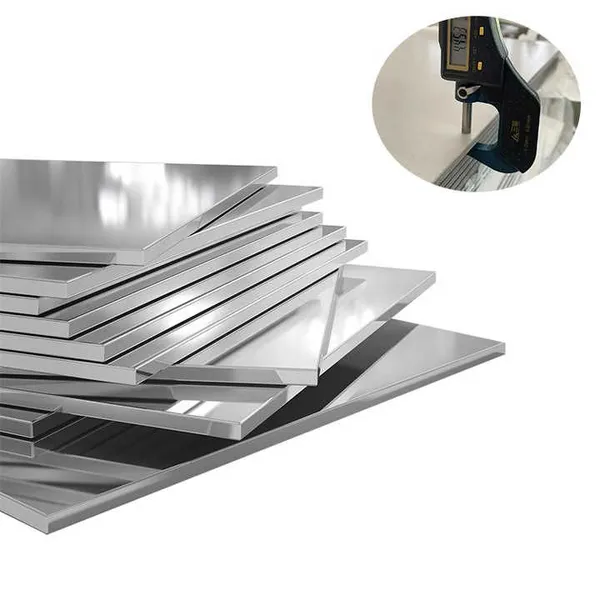
304/304L/316/409/410/904L/2205/2507/310H Premium Stainless Steel Sheets Supplier Custom Sizes & FinishesUS$ 1.72MOQ: 1 Ton
-
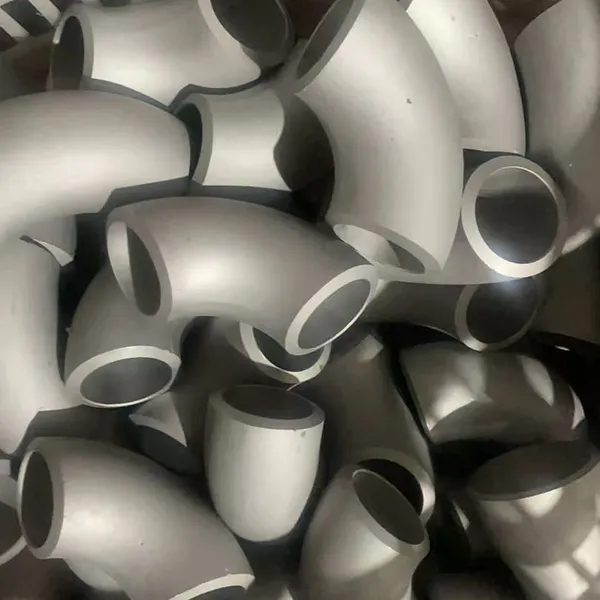
Stainless Steel ASME B16.9 Sch 45 90 Degree Pipe Fittings ElbowUS$ 8MOQ: 1 Piece
-
China Brand Zz 304L 316/316L GB En JIS Standard Thin Wall Welded Stainless Steel Water Pipe/TubeNegotiableMOQ: 2 Meters
-
BA 4 Inch 6 Inch 8 Inch 201 304 304L 316 316L Welded Seamless Stainless Steel PipeNegotiableMOQ: 2 Meters
-
ASME B36.19M-2004 SCH40S Stainless Steel Pipe - Complies With EU 3.1 CertificationUS$ 1 - 650MOQ: 1 Piece
-
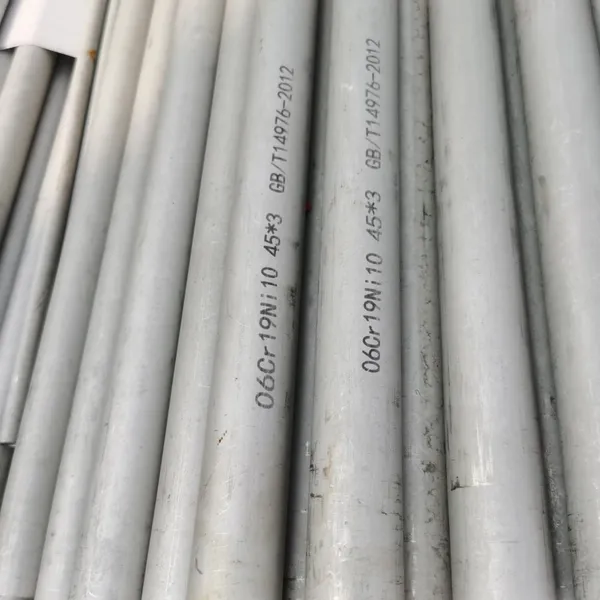
Factory TP309/TP309S/TP309H (UNS30900) Seamless Stainless Steel Pipe and Tube for Boiler BafflesUS$ 8MOQ: 200 Kilograms
-
TP347/TP347H/1.4961/S34709 Seamless Stainless Steel Pipe for UseNegotiableMOQ: 2 Meters
-
China 304 316 Stainless Steel Sanitary Welded Tube Food Grade Sanitary Grade Welded Pipe PolishingNegotiableMOQ: 1 Piece
-
China Manufacture Stainless Steel 316L Ba Seamless Welded Steel Pipe TubesUS$ 1760 - 1860MOQ: 5 Tons
-
316L/1.4405 Seamless Stainless Steel PipeNegotiableMOQ: 2 Meters
-
Stainless Steel Globe Valve – High Durability & Corrosion ResistanceNegotiableMOQ: 1 Piece
-
1.4529 Stainless Steel Flat Plate for Chemical Processing EquipmentUS$ 25 - 35MOQ: 1 Kilogram
-
Color Coated Steel Panels for Warehouse Partition Walls (Fireproof Grade)US$ 1 - 1.2MOQ: 50 Kilograms
-
Custom Width (600mm-1250mm) Colored Steel Coil With Scratch ResistanceUS$ 1 - 1.2MOQ: 50 Kilograms
-
0.5mm-3.0mm Colored Coated Steel Sheet With PVDF/Polyester CoatingUS$ 1 - 1.2MOQ: 50 Kilograms
-
JIS G 3322 Compliant Colored Coils With Third-Party Inspection ReportUS$ 1 - 1.2MOQ: 50 Kilograms