
 Business License

Why does stainless steel rust? What are the causes of rusting
1. What is stainless steel?
When chromium or nickel is added to iron, a thin, non-reactive protective film forms on the surface of the iron. This non-reactive film is an oxide layer. It tightly covers the surface of the steel and will not react even if the steel surface comes into contact with oxygen in the air. In other words, this tightly sealed layer of oxide formed by oxides isolates oxygen. Sometimes, different elements such as molybdenum are added for different purposes.
All steel will rust. The key factor lies in the material and quality of the protective oxide film. Because some steels contain more than 13% chromium, they have much higher rust resistance than ordinary steel. Such steels are called stainless steel.
II. The Reason Why Stainless Steel Does Not Rust
Iron rusts because it readily reacts with oxygen in the air to form brittle red iron oxide. Stainless steel is corrosion-resistant, or "does not rust", because it has a layer of chromium oxide on its surface.
III. The main external factors causing metal rusting:
1. Atmospheric Relative Humidity
At a certain temperature, the percentage of water vapor content in the atmosphere compared to its saturated water vapor content is called relative humidity. Below a certain relative humidity, the rate of metal corrosion is very low, while above this relative humidity, the corrosion rate increases sharply. This relative humidity is called the critical humidity. The critical humidity of many metals is between 50% and 80%, and for steel, it is approximately 75%. Atmospheric relative humidity has the greatest impact on metal corrosion. When the atmospheric humidity exceeds the critical humidity, water films or water droplets appear on the metal surface. If harmful impurities in the atmosphere dissolve in the water films or water droplets, they become electrolytes, intensifying the corrosion.
2. Temperature and Humidity
The relationship between atmospheric temperature and humidity affects metal corrosion. There are the following main situations: First, the water vapor content in the atmosphere increases with rising temperature; second, high temperatures accelerate corrosion, especially in humid environments, the higher the temperature, the faster the corrosion rate. At low relative humidity, the influence of temperature on corrosion is not very obvious, but when the relative humidity exceeds the critical humidity, as the temperature rises, the amount of corrosion increases sharply. Additionally, if there is a temperature difference between the atmosphere and the metal, condensation water forms on the metal surface at a lower temperature, which also causes metal corrosion.
3. Corrosive Gases
Corrosive gases in polluted air have the greatest impact on metal corrosion. Among them, sulfur dioxide has the greatest effect on metal corrosion, especially on steel, copper, and their alloys. Sulfur dioxide in the atmosphere mainly comes from the combustion of coal. At the same time, the combustion products, carbon dioxide, also have a corrosive effect. In the atmosphere around factories, there are corrosive gases such as hydrogen sulfide, ammonia gas, and hydrochloric acid gas, all of which are factors that promote metal corrosion.
Of course, oxygen in the atmosphere is the most common and always acts everywhere, which is self-evident.
4. Other Chemical Factors
The atmosphere contains a large amount of dust, such as smoke, coal ash, chlorides, and other acids, bases, and salt particles. Some of them are themselves corrosive, or they are condensation nuclei for water droplets. They are all factors of corrosion, such as chlorides are considered the "enemy" of metal corrosion.
Four. What is the "stainless steel" used for surgical instruments?
To maintain high hardness and sharpness, medical devices often use stainless steel containing only 13% chromium as the material. It is magnetic stainless steel, which is prone to corrosion. It has high hardness and sharpness. Among various chemical elements of the oxide film, the main elements that prevent stainless steel from rusting are chromium, copper, molybdenum and nickel.
V. Specific Analysis of "Rusting" of Surgical Instruments
1. Surfaces exposed to blood
Blood contains hemoglobin, which is an iron compound. There is also sodium chloride in the blood, and it is a highly corrosive compound for all stainless steel. Once these two substances come into contact with the instrument, they will immediately start causing corrosion. Therefore, after the surgical instrument is removed from the operating table, it must be handled immediately. The longer the delay, the more severe the corrosion and rusting of the instrument, and the higher the processing cost.
2. Worn surfaces
The joint area of the surgical instrument is the part where the two surfaces are in the closest contact. With each opening and closing operation, the mechanical wear of the two surfaces will intensify once, that is, the protective oxide film layer is damaged once. For surgical instruments that are frequently operated, this mechanical wear cannot be avoided. Once the protective oxide film layer is damaged, the instrument "rusts". Therefore, the joint area of the instrument is definitely the most prone to rusting. Moreover, the lower the stainless steel grade and the poorer the process quality, the more fragile the oxide film protective layer is, and the faster the instrument "rusts".
3. Unprotected surfaces
The joint area of the surgical instrument is undoubtedly the surface that requires the most protection. Whether it is artificial or machine automatic oiling, the purpose is very clear: the first is to isolate the dry instrument surface from air and other harmful chemical substances, avoiding chemical oxidation; the second is to lubricate the mechanical contact area and reduce mechanical wear. For the oiling and wiping of other surface parts of the instrument, the main purpose is the first one.
Six. Why does rust "spread"?
When a rusty surface comes into contact with another non-rusty surface, the brittle red iron oxide known as "rust" will adhere to the smooth surface. At this point, the "rust" is merely a stain. If it is wiped off immediately with a cloth, the "rust" can be removed. However, it is often impossible to handle it promptly. Then, the uneven iron oxide particles and the smooth surface create a damp environment. As mentioned above, the protective oxide film on the smooth surface is damaged by the chemical electrolyte, and the instrument begins to rust. This is what we call "rust" being contagious.
Therefore, to minimize the "spread" of "rust", apart from on-site handling of the instruments, before cleaning and disinfecting the instruments, it is necessary to first separate and handle the already rusted instruments separately, while placing the intact other instruments in the cleaning and disinfection machine for processing. Correct and timely classification of the instruments is an important step in protecting the instruments and ensuring the quality of cleaning.
Recently Posted
-
Does the stainless steel welded pipe have specific temperature requirements during the solution heat
January 20, 2026Solution heat treatment involves heating stainless steel to a high temperature and then rapidly cooling it to achieve an oversatur Read More
 -
Can stainless steel welded pipes be made into thick pipes
January 20, 2026With the improvement of high-quality welding technology and increasingly strict weld inspection, the application fields of s Read More
 -
Three types of commonly available food-grade stainless steel on the market
January 20, 2026The common food-grade stainless steel pipes are mainly composed of iron, chromium and carbon and other elements. Household stainle Read More
 -
What are the requirements for stainless steel welding pipe production equipment
January 20, 2026As is well known, stainless steel welded pipes have been widely used in various industries such as machinery, chemical engineering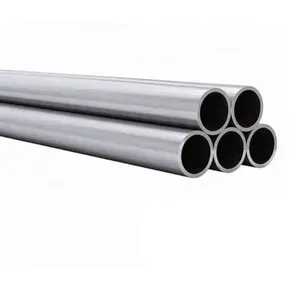 Read More

Contact Us
Recommended Products
-
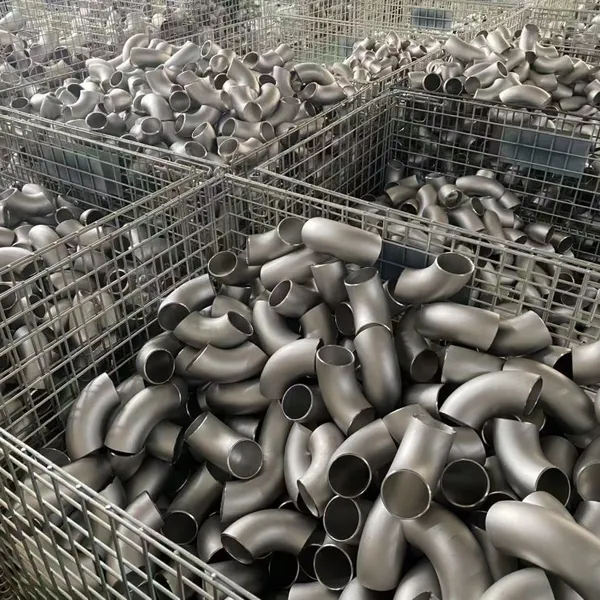
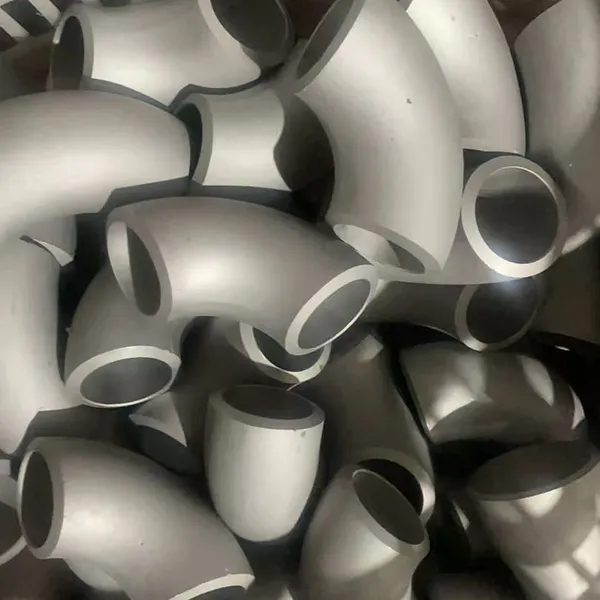
 Stainless Steel Elbow Welded Elbow 45/90/180-degree Seamless Pressed Elbow Long Radius Elbow Short Radius Elbow WholesaleNegotiableMOQ: 1 Piece
 -
316L/1.4405 Seamless Stainless Steel PipeNegotiableMOQ: 2 Meters
-
310s 440 Seamless Sanitary Piping Price 321 904l 201 20 Inch Seamless Steel Pipe A554 Stainless Steel PipeNegotiableMOQ: 1 Piece
-
China Brand ZZ Wholesale 304L 316 316L Welded Austenitic Piping Stainless Steel Pipe SupplierNegotiableMOQ: 2 Meters
-
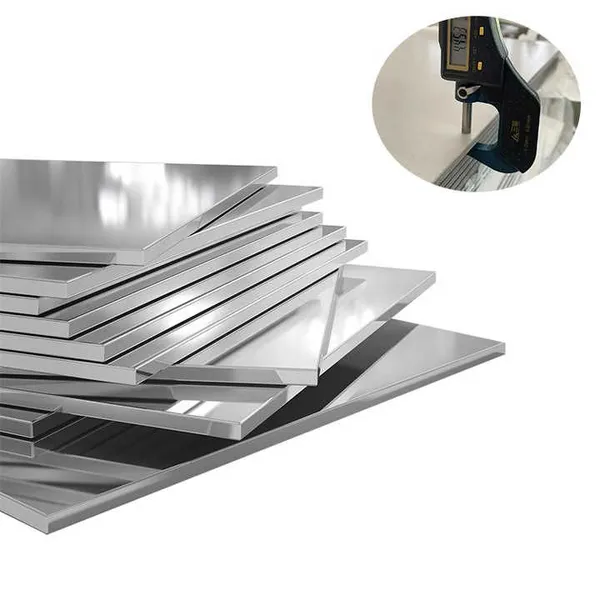
304/304L/316/409/410/904L/2205/2507/310H Premium Stainless Steel Sheets Supplier Custom Sizes & FinishesUS$ 1.72MOQ: 1 Ton
-
Stainless Steel ASME B16.9 Sch 45 90 Degree Pipe Fittings ElbowUS$ 8MOQ: 1 Piece
-
China Brand Zz 304L 316/316L GB En JIS Standard Thin Wall Welded Stainless Steel Water Pipe/TubeNegotiableMOQ: 2 Meters
-
BA 4 Inch 6 Inch 8 Inch 201 304 304L 316 316L Welded Seamless Stainless Steel PipeNegotiableMOQ: 2 Meters
-
ASME B36.19M-2004 SCH40S Stainless Steel Pipe - Complies With EU 3.1 CertificationUS$ 1 - 650MOQ: 1 Piece
-
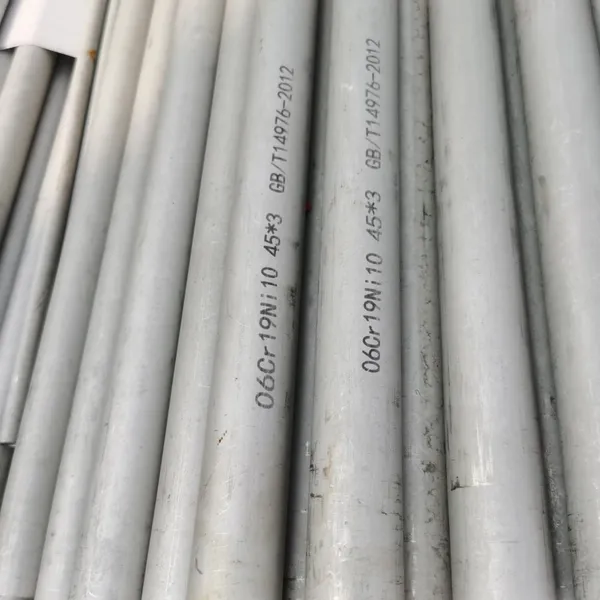
Factory TP309/TP309S/TP309H (UNS30900) Seamless Stainless Steel Pipe and Tube for Boiler BafflesUS$ 8MOQ: 200 Kilograms
-
TP347/TP347H/1.4961/S34709 Seamless Stainless Steel Pipe for UseNegotiableMOQ: 2 Meters
-
China 304 316 Stainless Steel Sanitary Welded Tube Food Grade Sanitary Grade Welded Pipe PolishingNegotiableMOQ: 1 Piece
-
China Manufacture Stainless Steel 316L Ba Seamless Welded Steel Pipe TubesUS$ 1760 - 1860MOQ: 5 Tons
-
316L/1.4405 Seamless Stainless Steel PipeNegotiableMOQ: 2 Meters
-
Stainless Steel Globe Valve – High Durability & Corrosion ResistanceNegotiableMOQ: 1 Piece
-
1.4529 Stainless Steel Flat Plate for Chemical Processing EquipmentUS$ 25 - 35MOQ: 1 Kilogram
-
Color Coated Steel Panels for Warehouse Partition Walls (Fireproof Grade)US$ 1 - 1.2MOQ: 50 Kilograms
-
Custom Width (600mm-1250mm) Colored Steel Coil With Scratch ResistanceUS$ 1 - 1.2MOQ: 50 Kilograms
-
0.5mm-3.0mm Colored Coated Steel Sheet With PVDF/Polyester CoatingUS$ 1 - 1.2MOQ: 50 Kilograms
-
JIS G 3322 Compliant Colored Coils With Third-Party Inspection ReportUS$ 1 - 1.2MOQ: 50 Kilograms