
 Business License

What is the difference between stainless steel pipes and seamless steel pipes
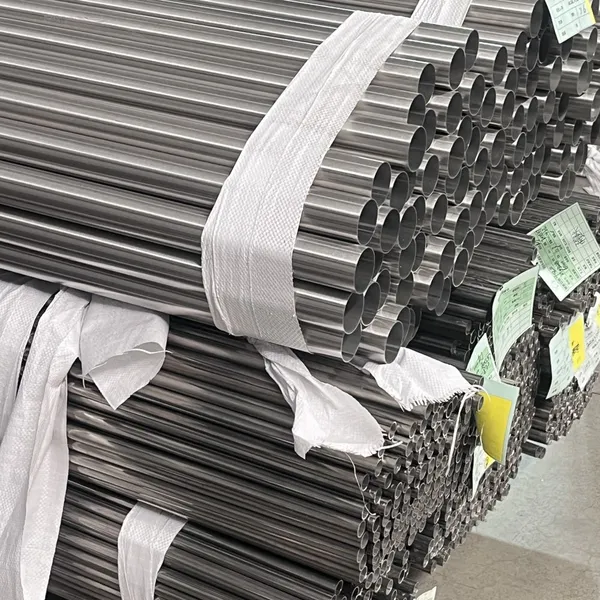
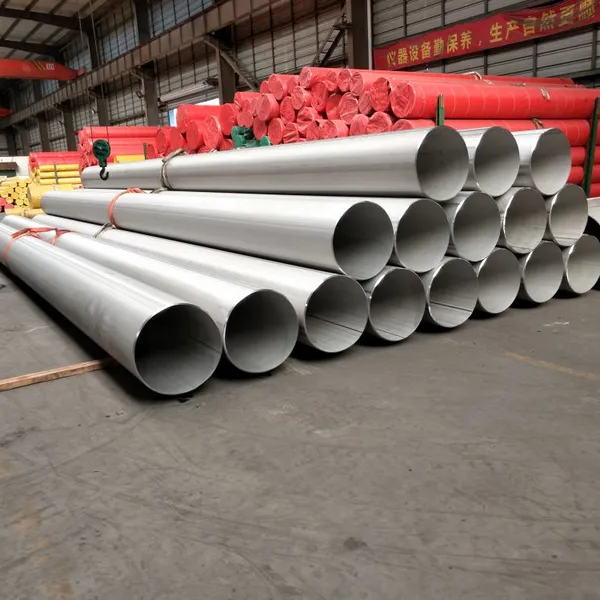
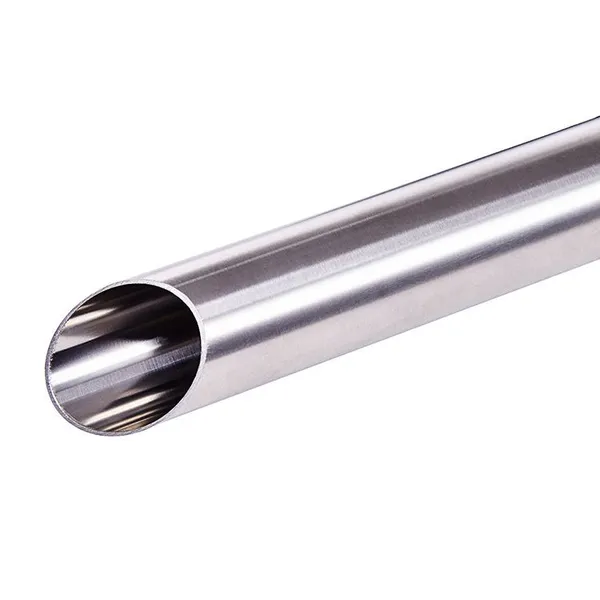
From the appearance, stainless steel pipes are usually white and free of rust. Ordinary seamless steel pipes usually have a patterned surface or a reddish-brown color.
Stainless steel is resistant to corrosion and has a much higher degree of smoothness compared to ordinary steel pipes. Wait a moment.
2. The seamless steel pipe is manufactured by drawing process and has no welding seams. The material can be ordinary 20# steel or stainless steel.
Ordinary stainless steel pipes are generally manufactured through welding and are made of stainless steel.
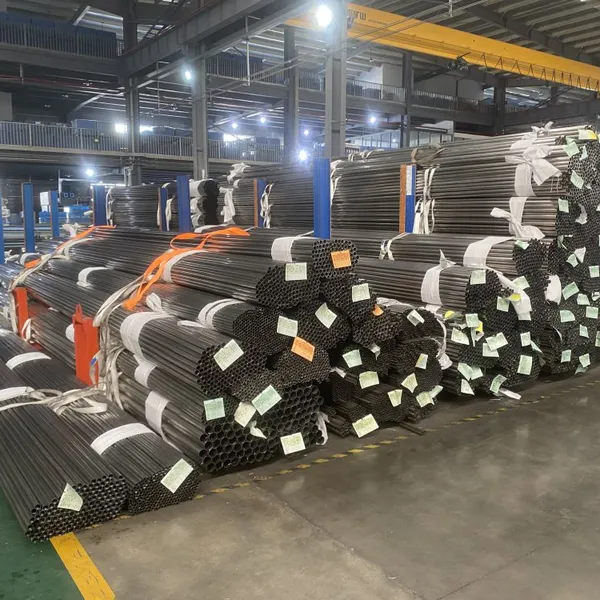
Stainless steel seamless pipes are long strips of steel with a hollow cross-section and no seams on the periphery. The thicker the wall thickness of this product, the more economical and practical it becomes. The thinner the wall thickness, the significantly higher the processing cost will be. The manufacturing process determines its limitations. Generally, seamless steel pipes have low precision: uneven wall thickness, low brightness of the inner and outer surfaces, high cost of fixed-length production, and there are also blemishes and black spots on the inner and outer surfaces that are difficult to remove. Its detection and shaping must be processed offline. Therefore, it demonstrates its superiority in applications such as high-pressure, high-strength, and mechanical structural materials.
Welded steel pipes are commonly referred to as welded pipes. They are made by rolling the commonly used steel or steel strip into a shape using a machine and mold, and then welding them together. The production process of welded steel pipes is simple, with high production efficiency, a wide variety of specifications, and low equipment investment. However, their strength is generally lower than that of seamless steel pipes. Since the 1930s, with the rapid development of high-quality strip steel continuous rolling production and the advancement of welding and inspection technologies, the quality of weld seams has been continuously improved. The varieties and specifications of welded steel pipes have increased, and they have replaced seamless steel pipes in more and more fields, especially in heat exchange standby pipes, decorative pipes, and medium and low-pressure fluid pipes.
1. Different nature
1. Stainless steel pipe: It is a hollow, long and round piece of steel.
2. Seamless steel pipe: A type of pipe made entirely from a single piece of metal, with no joints on its surface.
II. Different Characteristics
1. Stainless steel pipe: In the standards for stainless steel pipes, Brinell hardness is the most widely used. The hardness of the material is often indicated by the diameter of the indentation, which is both intuitive and convenient. However, it is not applicable to harder or thinner steel pipes.
2. Seamless steel pipes: According to the production method, seamless pipes are classified as hot-rolled pipes, cold-rolled pipes, cold-drawn pipes, extruded pipes, and top-entry pipes, etc. Based on the cross-sectional shape, seamless steel pipes are divided into circular and special-shaped types. Special-shaped pipes include square, oval, triangular, hexagonal, melon-shaped, star-shaped, and pipe with wings, among many other complex shapes. The maximum diameter can reach 650mm, and the minimum diameter is 0.3mm.
III. Application Differences
1. Stainless steel pipe: It is mainly widely used in industrial pipelines for transportation in industries such as petroleum, chemical engineering, medical field, food processing, light industry, and mechanical instruments, as well as in mechanical structural components. Additionally, when the bending and torsional strength are the same, it has a lighter weight, so it is also widely used in manufacturing mechanical parts and engineering structures. It is also commonly used in furniture, kitchenware, and other products.
2. Seamless: Seamless is mainly used for petroleum geological drilling pipes, cracking pipes in the petrochemical industry, boiler tubes, bearing tubes, as well as high-precision structural pipes for automobiles, tractors, and aviation.
Recently Posted
-
Does the stainless steel welded pipe have specific temperature requirements during the solution heat
January 20, 2026Solution heat treatment involves heating stainless steel to a high temperature and then rapidly cooling it to achieve an oversatur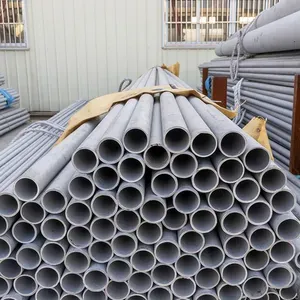 Read More
 -
Can stainless steel welded pipes be made into thick pipes
January 20, 2026With the improvement of high-quality welding technology and increasingly strict weld inspection, the application fields of s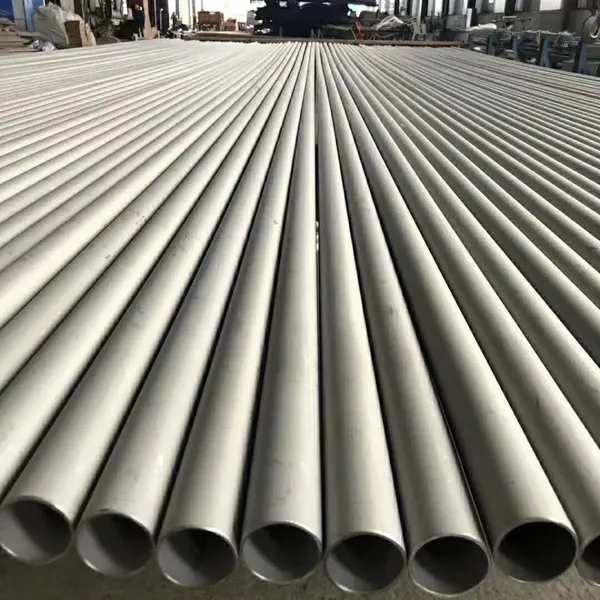 Read More
 -
Three types of commonly available food-grade stainless steel on the market
January 20, 2026The common food-grade stainless steel pipes are mainly composed of iron, chromium and carbon and other elements. Household stainle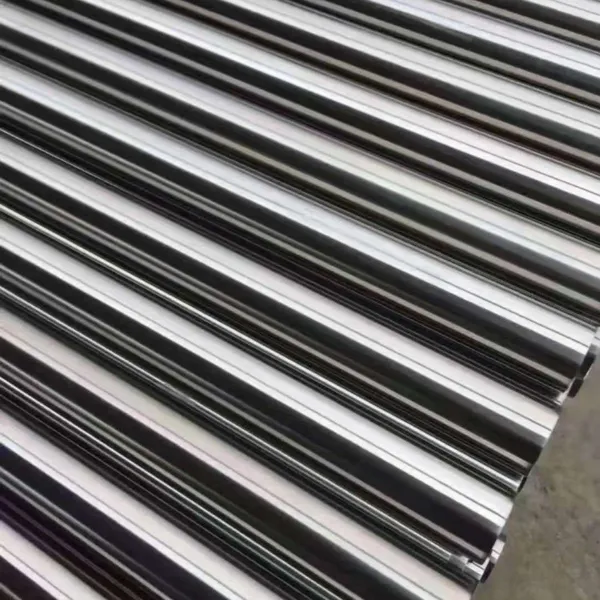 Read More
 -
What are the requirements for stainless steel welding pipe production equipment
January 20, 2026As is well known, stainless steel welded pipes have been widely used in various industries such as machinery, chemical engineering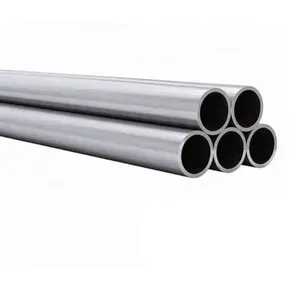 Read More

Contact Us
Recommended Products
-
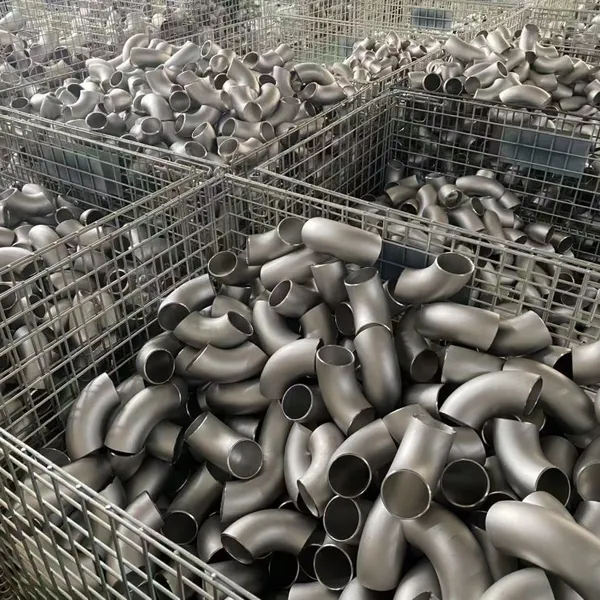
 Stainless Steel Elbow Welded Elbow 45/90/180-degree Seamless Pressed Elbow Long Radius Elbow Short Radius Elbow WholesaleNegotiableMOQ: 1 Piece
 -
316L/1.4405 Seamless Stainless Steel PipeNegotiableMOQ: 2 Meters
-
310s 440 Seamless Sanitary Piping Price 321 904l 201 20 Inch Seamless Steel Pipe A554 Stainless Steel PipeNegotiableMOQ: 1 Piece
-
China Brand ZZ Wholesale 304L 316 316L Welded Austenitic Piping Stainless Steel Pipe SupplierNegotiableMOQ: 2 Meters
-
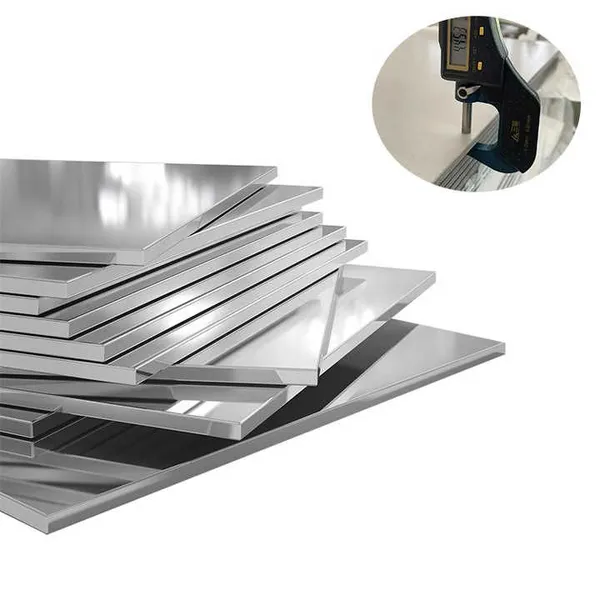
304/304L/316/409/410/904L/2205/2507/310H Premium Stainless Steel Sheets Supplier Custom Sizes & FinishesUS$ 1.72MOQ: 1 Ton
-
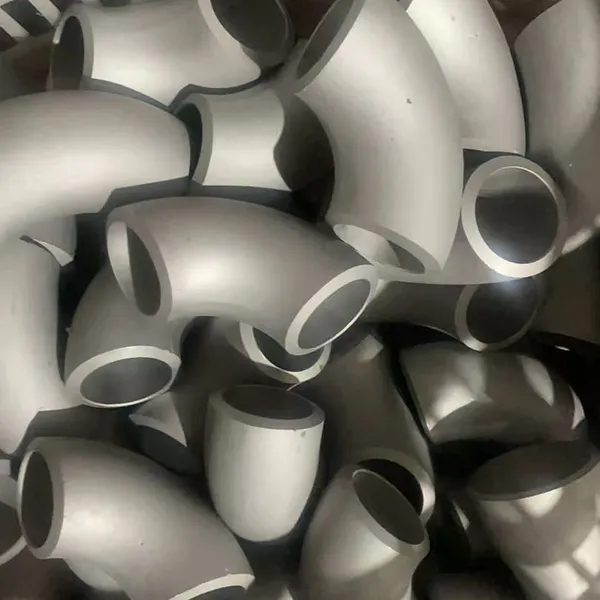
Stainless Steel ASME B16.9 Sch 45 90 Degree Pipe Fittings ElbowUS$ 8MOQ: 1 Piece
-
China Brand Zz 304L 316/316L GB En JIS Standard Thin Wall Welded Stainless Steel Water Pipe/TubeNegotiableMOQ: 2 Meters
-
BA 4 Inch 6 Inch 8 Inch 201 304 304L 316 316L Welded Seamless Stainless Steel PipeNegotiableMOQ: 2 Meters
-
ASME B36.19M-2004 SCH40S Stainless Steel Pipe - Complies With EU 3.1 CertificationUS$ 1 - 650MOQ: 1 Piece
-
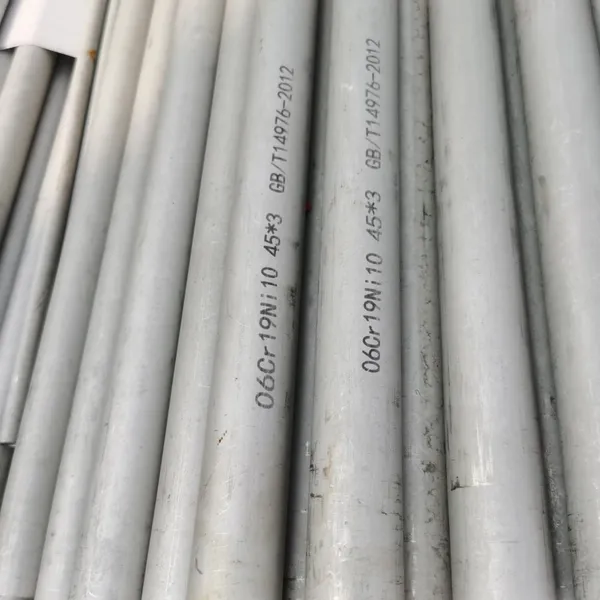
Factory TP309/TP309S/TP309H (UNS30900) Seamless Stainless Steel Pipe and Tube for Boiler BafflesUS$ 8MOQ: 200 Kilograms
-
TP347/TP347H/1.4961/S34709 Seamless Stainless Steel Pipe for UseNegotiableMOQ: 2 Meters
-
China 304 316 Stainless Steel Sanitary Welded Tube Food Grade Sanitary Grade Welded Pipe PolishingNegotiableMOQ: 1 Piece
-
China Manufacture Stainless Steel 316L Ba Seamless Welded Steel Pipe TubesUS$ 1760 - 1860MOQ: 5 Tons
-
316L/1.4405 Seamless Stainless Steel PipeNegotiableMOQ: 2 Meters
-
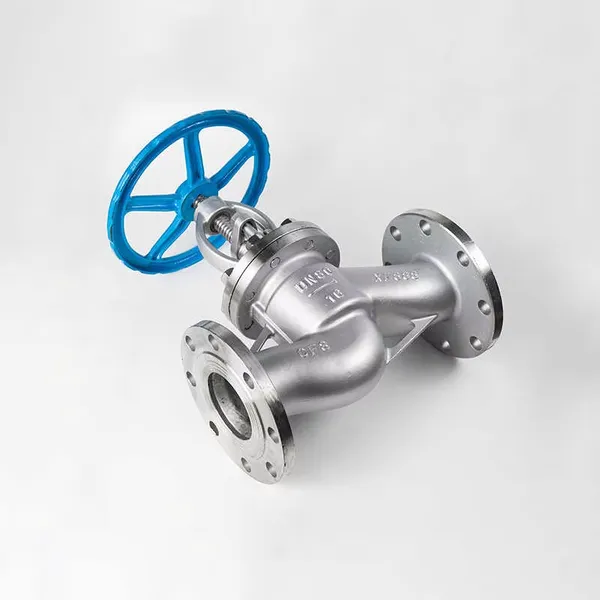
Stainless Steel Globe Valve – High Durability & Corrosion ResistanceNegotiableMOQ: 1 Piece
-
1.4529 Stainless Steel Flat Plate for Chemical Processing EquipmentUS$ 25 - 35MOQ: 1 Kilogram
-
Color Coated Steel Panels for Warehouse Partition Walls (Fireproof Grade)US$ 1 - 1.2MOQ: 50 Kilograms
-
Custom Width (600mm-1250mm) Colored Steel Coil With Scratch ResistanceUS$ 1 - 1.2MOQ: 50 Kilograms
-
0.5mm-3.0mm Colored Coated Steel Sheet With PVDF/Polyester CoatingUS$ 1 - 1.2MOQ: 50 Kilograms
-
JIS G 3322 Compliant Colored Coils With Third-Party Inspection ReportUS$ 1 - 1.2MOQ: 50 Kilograms