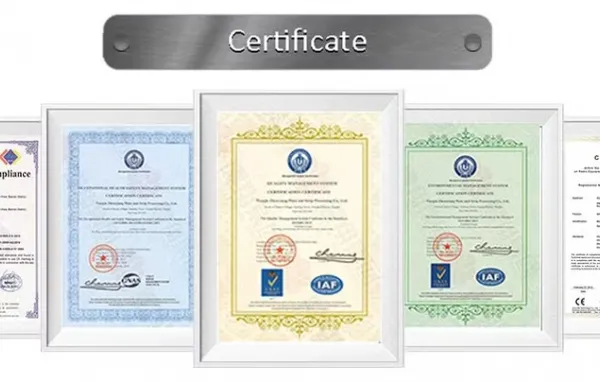

 Business License

Today, let's learn together about "What should we do if thick-walled stainless steel pipes rust
Many people may think that thick-walled stainless steel pipes are a type of steel pipe that does not rust, but this is not the case. Such stainless steel pipes can also rust easily in some special environments. Therefore, when rust occurs, it is necessary to choose a correct solution to improve the rust problem based on the actual situation. So, how to solve the rust problem of thick-walled stainless steel pipes?
If the rust problem is caused by other metals adhering to the stainless steel pipe, the solution should be determined based on the severity of the rust. If the rust problem is not very serious, a sponge cloth can be used with a neutral cleaner or soapy water to scrub. However, if the situation is very serious and rust spots have already appeared, a special rust spot cleaner or a diluted sulfuric acid solution must be used for cleaning. Otherwise, it may lead to the abnormal situation where the rust spots cannot be removed. Common foreign metals that can cause rust include iron and the like.
2. If the thick-walled stainless steel pipes rust due to the exhaust gases emitted by automobiles, the gases discharged during the operation of heating and cooling machines, or the smoke emitted by factories during the production process containing harmful elements, then in such cases, it is necessary to select appropriate products based on the types of harmful gases in the exhaust to help remove the rust spots.
3. Some thick-walled pipes can be used in some coastal areas. However, enterprises in these different regions are all exposed to sea winds from the front, and the salt content in the sea wind is relatively rich. Therefore, it will naturally lead to the appearance of red rust spots in a short period of time, and the rusting speed of the pipes in these areas will be faster than in other regions. In this case, the first method can be used to deal with the existing rust spots. To avoid such situations and improve the durability of stainless steel pipes, it is recommended that these regions choose 316 material pipes that have a relatively strong anti-corrosion effect, so as to reduce the probability of rust spots.
4. If rust spots occur due to the presence of some cleaning solution adhering to the surface of thick-walled stainless steel pipes, in addition to choosing an appropriate method to clean the rust spots, it is also necessary to consider whether it is necessary to replace the pipes to reduce the probability of rust spots during the use of steel pipes. The specific selection of thick-walled pipes still needs to be determined in combination with the environment.
Recently Posted
-
Does the stainless steel welded pipe have specific temperature requirements during the solution heat
January 20, 2026Solution heat treatment involves heating stainless steel to a high temperature and then rapidly cooling it to achieve an oversatur Read More
 -
Can stainless steel welded pipes be made into thick pipes
January 20, 2026With the improvement of high-quality welding technology and increasingly strict weld inspection, the application fields of s Read More
 -
Three types of commonly available food-grade stainless steel on the market
January 20, 2026The common food-grade stainless steel pipes are mainly composed of iron, chromium and carbon and other elements. Household stainle Read More
 -
What are the requirements for stainless steel welding pipe production equipment
January 20, 2026As is well known, stainless steel welded pipes have been widely used in various industries such as machinery, chemical engineering Read More

Contact Us
Recommended Products
-
 Stainless Steel Elbow Welded Elbow 45/90/180-degree Seamless Pressed Elbow Long Radius Elbow Short Radius Elbow WholesaleNegotiableMOQ: 1 Piece
 -
316L/1.4405 Seamless Stainless Steel PipeNegotiableMOQ: 2 Meters
-
310s 440 Seamless Sanitary Piping Price 321 904l 201 20 Inch Seamless Steel Pipe A554 Stainless Steel PipeNegotiableMOQ: 1 Piece
-
China Brand ZZ Wholesale 304L 316 316L Welded Austenitic Piping Stainless Steel Pipe SupplierNegotiableMOQ: 2 Meters
-
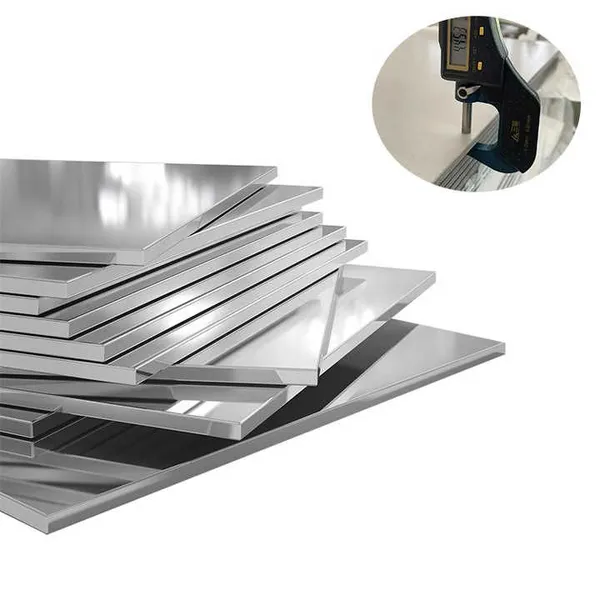
304/304L/316/409/410/904L/2205/2507/310H Premium Stainless Steel Sheets Supplier Custom Sizes & FinishesUS$ 1.72MOQ: 1 Ton
-
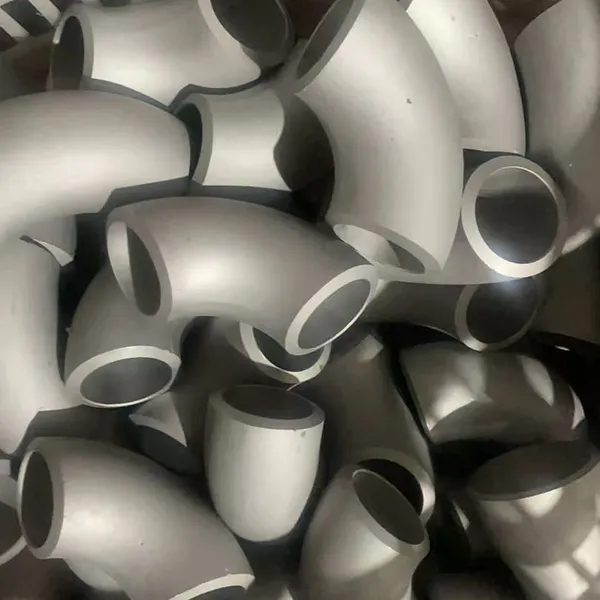
Stainless Steel ASME B16.9 Sch 45 90 Degree Pipe Fittings ElbowUS$ 8MOQ: 1 Piece
-
China Brand Zz 304L 316/316L GB En JIS Standard Thin Wall Welded Stainless Steel Water Pipe/TubeNegotiableMOQ: 2 Meters
-
BA 4 Inch 6 Inch 8 Inch 201 304 304L 316 316L Welded Seamless Stainless Steel PipeNegotiableMOQ: 2 Meters
-
ASME B36.19M-2004 SCH40S Stainless Steel Pipe - Complies With EU 3.1 CertificationUS$ 1 - 650MOQ: 1 Piece
-
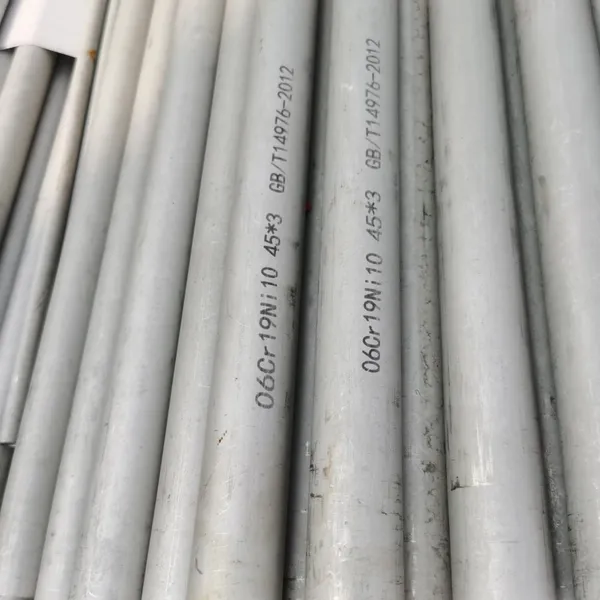
Factory TP309/TP309S/TP309H (UNS30900) Seamless Stainless Steel Pipe and Tube for Boiler BafflesUS$ 8MOQ: 200 Kilograms
-
TP347/TP347H/1.4961/S34709 Seamless Stainless Steel Pipe for UseNegotiableMOQ: 2 Meters
-
China 304 316 Stainless Steel Sanitary Welded Tube Food Grade Sanitary Grade Welded Pipe PolishingNegotiableMOQ: 1 Piece
-
China Manufacture Stainless Steel 316L Ba Seamless Welded Steel Pipe TubesUS$ 1760 - 1860MOQ: 5 Tons
-
316L/1.4405 Seamless Stainless Steel PipeNegotiableMOQ: 2 Meters
-
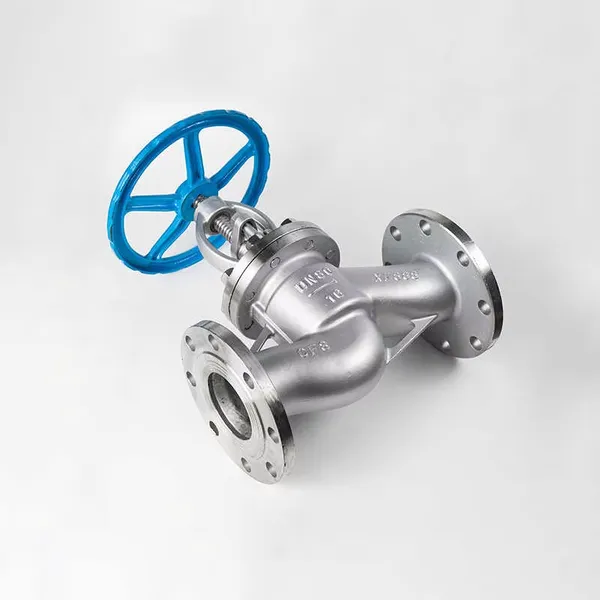
Stainless Steel Globe Valve – High Durability & Corrosion ResistanceNegotiableMOQ: 1 Piece
-
World's Most Affordable Color-Coated Steel Sheets - 0.3mm to 3mm Thickness - Mill Test Report IncludedUS$ 1102MOQ: 10 Kilograms
-
Color-Coated Steel Sheets With 15-Year Fade Warranty - JIS G 3322 Standard CompliantUS$ 1102MOQ: 10 Kilograms
-
Prefab Building Material - 0.4mm Color-Coated Corrugated Sheets - 100,000㎡ Monthly OutputUS$ 1102MOQ: 10 Kilograms
-
Industrial-Grade Color-Coated Sheets - 150-250g/m² Zinc Coating - Weather & UV ResistantUS$ 1102MOQ: 10 Kilograms
-
Factory-Direct Color-Coated Steel Plates - PVDF/Polyester Coating - 1220mm Standard WidthUS$ 1102MOQ: 10 Kilograms