
 Business License

What are the common welding defects of stainless steel pipe
During the welding process of stainless steel pipes, some defects may occur. These defects can lead to stress concentration, reduced load-bearing capacity, shortened service life, and even fracture. According to general technical regulations, incomplete penetration, incomplete fusion, burn-through, inclusions, and slag inclusions are not allowed; beveling, weld spurs, and pores and other defects must not exceed certain allowable values. For excessive defects, they must be thoroughly removed and repaired. The causes, hazards, and prevention measures of common welding defects in stainless steel pipes are briefly described as follows.
Underwelding: The phenomenon where the root of the joint is not fully welded during fusion welding is called underwelding. This technical defect can occur in stainless steel water pipes during single-sided welding and double-sided welding. The main reasons for the formation of underwelding are too low welding current, too fast welding speed, inappropriate groove size, or the welding wire not aligning with the center of the weld seam.
Unwelded Joint: During fusion welding, the weld metal of the stainless steel water pipe and the base material, or between welds, do not fully fuse. Unwelded joints can be classified as side-wall unwelded, interlayer unwelded, and root unwelded. The molten pool metal is pushed towards the tail by the arc force, forming a groove. When the arc moves forward, more liquid metal is added to the groove. If the liquid metal layer at the groove wall has already solidified and the heat from the incoming liquid metal is insufficient to melt it again, an unwelded joint is formed. In submerged arc welding, slag may flow into the non-welded area. To prevent unwelded defects during high-speed welding, methods such as increasing the weld width or using double arc welding should be employed.
Burn-through: When welding stainless steel pipes, the molten metal flows out from the back of the weld seam, resulting in a perforation phenomenon known as burn-through. This defect can be caused by excessive welding current, too low welding speed, or excessive gap between the bevels.
Edge burning: When the base metal along the weld toe of stainless steel and water pipes melts and forms a depression or groove, this phenomenon is called edge burning. Edge burning can be continuous or intermittent. This defect may occur during the high-speed welding of stainless steel pipes. If the butt joint welding is improper, this defect may also appear.
Weld bead: During the melting process of stainless steel and pipe materials, the metal that flows onto the un-melted base material outside the weld seam and forms a metal lump is called a weld bead. There is local incomplete fusion at the weld bead. The weld seam is caused by excessive metal filling, which is related to small gaps and bevel sizes, low welding speed, low voltage, or large elongation length of the welding wire.
Underwelding: During the welding of stainless steel pipes, if the filler metal is insufficient, a continuous or intermittent bevel will form on the surface of the weld, which is referred to as underwelding.
Inclusions and slag: Inclusions are non-metallic inclusions and oxides that are produced by metallurgical reactions and remain in the weld metal. Slag is the molten material remaining in the weld. The slag in stainless steel welding pipes can be classified into two types: point-like slag and strip-like slag. The slag weakens the effective cross-section of the weld, thereby reducing the mechanical properties of the weld. The slag can also cause stress concentration, making the welded structure prone to failure under load.
Causes: Inadequate slag removal between layers during welding; Insufficient welding current; Excessive welding speed; Improper operation during welding; Inappropriate chemical composition matching between welding materials and base material; Inappropriate design and processing of the groove.
Preventive measures: Select welding rods with good slag removal performance; Carefully remove interlayer slag; Reasonably select welding process parameters; Adjust the angle of the welding rod and the welding technique.
When welding stainless steel pipes, in addition to the aforementioned defects, there are also various possible welding defects such as back shrinkage, poor surface shape, excessive height, irregular surface, surface pores, root pores, poor weld joint connection, arc abrasion, spatter, etc. Most of these defects are caused by improper welding techniques. Therefore, formulating appropriate welding techniques for stainless steel pipes and operating carefully can fundamentally prevent the occurrence of welding defect formation. Additionally, when certain process conditions change during the welding of stainless steel pipes, taking timely response measures is extremely important.
Recently Posted
-
Does the stainless steel welded pipe have specific temperature requirements during the solution heat
January 20, 2026Solution heat treatment involves heating stainless steel to a high temperature and then rapidly cooling it to achieve an oversatur Read More
 -
Can stainless steel welded pipes be made into thick pipes
January 20, 2026With the improvement of high-quality welding technology and increasingly strict weld inspection, the application fields of s Read More
 -
Three types of commonly available food-grade stainless steel on the market
January 20, 2026The common food-grade stainless steel pipes are mainly composed of iron, chromium and carbon and other elements. Household stainle Read More
 -
What are the requirements for stainless steel welding pipe production equipment
January 20, 2026As is well known, stainless steel welded pipes have been widely used in various industries such as machinery, chemical engineering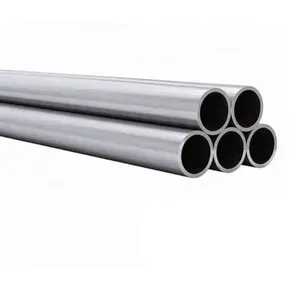 Read More

Contact Us
Recommended Products
-
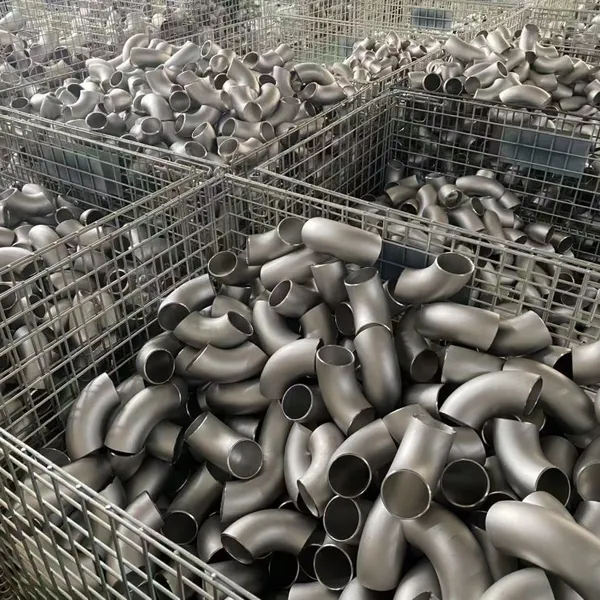
 Stainless Steel Elbow Welded Elbow 45/90/180-degree Seamless Pressed Elbow Long Radius Elbow Short Radius Elbow WholesaleNegotiableMOQ: 1 Piece
 -
316L/1.4405 Seamless Stainless Steel PipeNegotiableMOQ: 2 Meters
-
310s 440 Seamless Sanitary Piping Price 321 904l 201 20 Inch Seamless Steel Pipe A554 Stainless Steel PipeNegotiableMOQ: 1 Piece
-
China Brand ZZ Wholesale 304L 316 316L Welded Austenitic Piping Stainless Steel Pipe SupplierNegotiableMOQ: 2 Meters
-
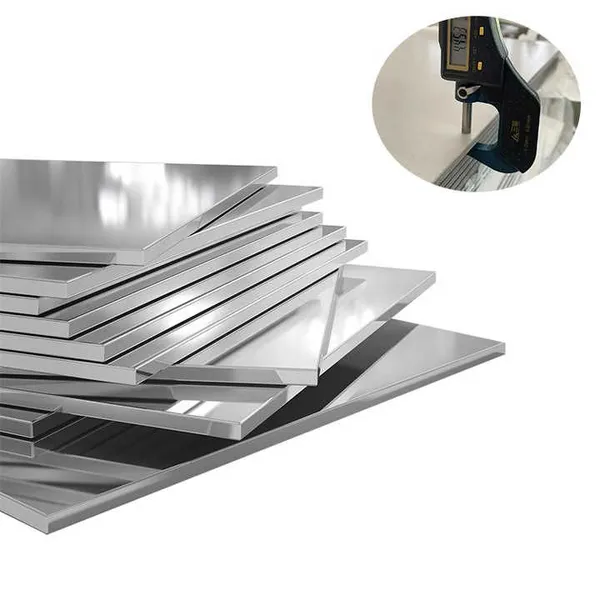
304/304L/316/409/410/904L/2205/2507/310H Premium Stainless Steel Sheets Supplier Custom Sizes & FinishesUS$ 1.72MOQ: 1 Ton
-
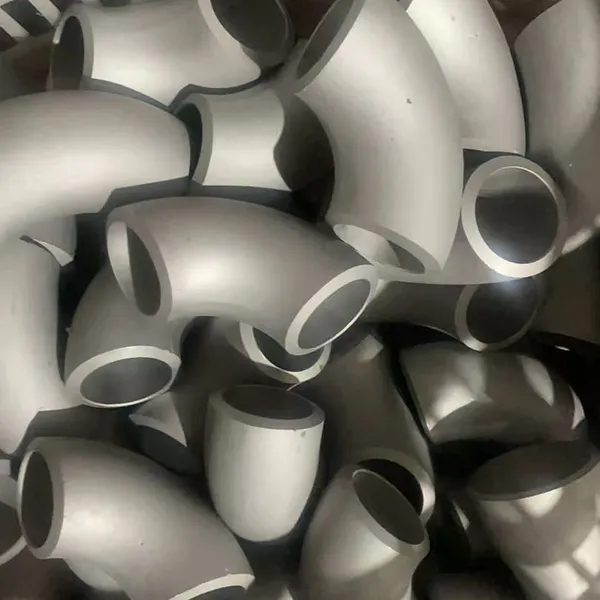
Stainless Steel ASME B16.9 Sch 45 90 Degree Pipe Fittings ElbowUS$ 8MOQ: 1 Piece
-
China Brand Zz 304L 316/316L GB En JIS Standard Thin Wall Welded Stainless Steel Water Pipe/TubeNegotiableMOQ: 2 Meters
-
BA 4 Inch 6 Inch 8 Inch 201 304 304L 316 316L Welded Seamless Stainless Steel PipeNegotiableMOQ: 2 Meters
-
ASME B36.19M-2004 SCH40S Stainless Steel Pipe - Complies With EU 3.1 CertificationUS$ 1 - 650MOQ: 1 Piece
-
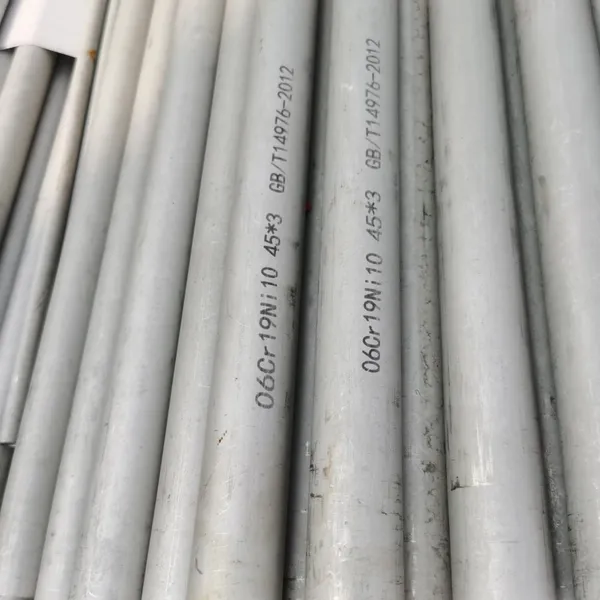
Factory TP309/TP309S/TP309H (UNS30900) Seamless Stainless Steel Pipe and Tube for Boiler BafflesUS$ 8MOQ: 200 Kilograms
-
TP347/TP347H/1.4961/S34709 Seamless Stainless Steel Pipe for UseNegotiableMOQ: 2 Meters
-
China 304 316 Stainless Steel Sanitary Welded Tube Food Grade Sanitary Grade Welded Pipe PolishingNegotiableMOQ: 1 Piece
-
China Manufacture Stainless Steel 316L Ba Seamless Welded Steel Pipe TubesUS$ 1760 - 1860MOQ: 5 Tons
-
316L/1.4405 Seamless Stainless Steel PipeNegotiableMOQ: 2 Meters
-
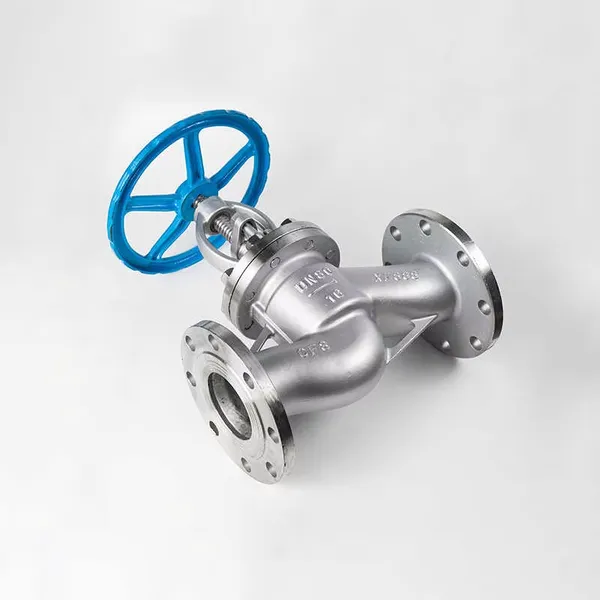
Stainless Steel Globe Valve – High Durability & Corrosion ResistanceNegotiableMOQ: 1 Piece
-
1.4529 Stainless Steel Flat Plate for Chemical Processing EquipmentUS$ 25 - 35MOQ: 1 Kilogram
-
Color Coated Steel Panels for Warehouse Partition Walls (Fireproof Grade)US$ 1 - 1.2MOQ: 50 Kilograms
-
Custom Width (600mm-1250mm) Colored Steel Coil With Scratch ResistanceUS$ 1 - 1.2MOQ: 50 Kilograms
-
0.5mm-3.0mm Colored Coated Steel Sheet With PVDF/Polyester CoatingUS$ 1 - 1.2MOQ: 50 Kilograms
-
JIS G 3322 Compliant Colored Coils With Third-Party Inspection ReportUS$ 1 - 1.2MOQ: 50 Kilograms