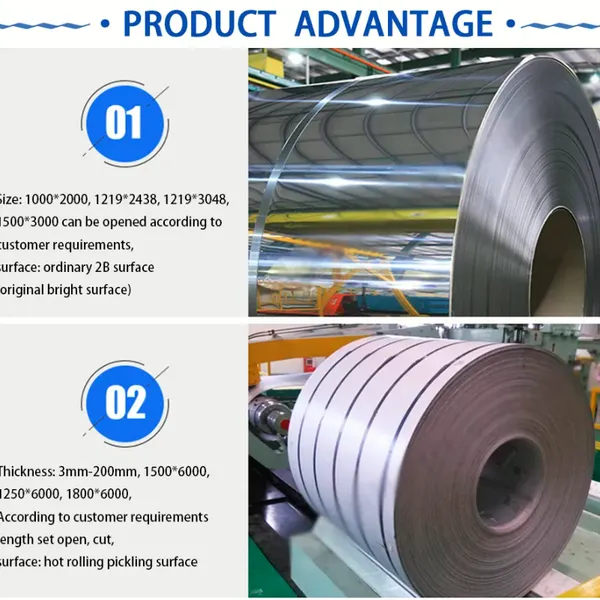

 Business License

Why are stainless steel pipes suitable for home decoration
With the rapid development of society, in the daily use of water resources, the use of stainless steel pipes is definitely the preferred choice for health. Whether in terms of material, quality or other aspects, stainless steel pipes are one of the main building materials for homes. Before using stainless steel as the main material, it undergoes strict inspections and tests. Once the methods are feasible, it will be used for pipe production. The various indicators of the tests show that the leakage rate of stainless steel pipes is very low. Using stainless steel pipes as the channel for water flow transmission, the leakage rate has decreased from the previous 17% to 7%. During the vibration test, the stainless steel pipes remained intact.
I. Advantages of Stainless Steel Water Pipes
1. Hygiene
Stainless steel materials are both healthy and environmentally friendly. Choosing thin-walled stainless steel water pipes is beneficial for maintaining good health. All indicators comply with the relevant drinking water standards set by our country. The inner wall of the stainless steel pipes is smooth, and they will not accumulate dirt or be easily contaminated by bacteria. There is no need to worry about the water quality being affected, and it can also prevent secondary pollution of the water.
2. Material Selection
All the stainless steel water pipes use raw material grades of 304, 316L, 304L, and 316, which all comply with the requirements of JIS4305. They have stable performance, high strength, and a low thermal expansion coefficient.
3. Long-lasting and durable
The chromium-rich oxide film on the stainless steel surface ensures excellent corrosion resistance for all stainless steel pipes, even when used underground. Our on-site corrosion test data for stainless steel water pipes show that the lifespan of these pipes can reach 100 years, and maintenance is almost unnecessary during the entire lifespan, thus avoiding the costs and troubles associated with pipe replacement. Therefore, the overall cost of using stainless steel pipes is lower.
4. High-temperature and high-pressure resistance
Stainless steel can operate safely for a long time within the temperature range of -270℃ to 400℃. Regardless of high or low temperatures, no harmful substances will be released, and the material performance remains quite stable. The tensile strength of stainless steel water pipes is greater than 530 N/mm, and they also have good ductility and toughness. The high strength of stainless steel water pipes significantly reduces the possibility of leakage under external force, significantly lowers the leakage rate, and effectively protects and utilizes water resources.
5. Energy conservation and environmental protection
The inner wall of the pipeline is smooth, resulting in low resistance and reduced loss, thereby lowering costs. Due to the low thermal expansion coefficient of stainless steel in China, it effectively reduces the loss of produced thermal energy in hot water system pipelines. Stainless steel is a recycled material and does not cause environmental pollution.
6. Wide Application Scope
Where can stainless steel pipes be used? Stainless steel pipes are widely applied in water cooling systems, hot water systems, drinking water systems, air systems, gas systems, chemical systems, water treatment systems, and other pipeline systems.
7. Economical and Practical
Why is stainless steel pipe economical and practical? Since the invention of stainless steel in the 20th century, it has become a common material. Currently, among the price-performance ratios of various types of water pipes, stainless steel pipes are very good. This is related to the superior performance research of stainless steel as a material in terms of corrosion resistance, high strength, and strong impact resistance in China. Its service life can be said to be the same as the service life of the building. One-time investment, lifelong benefit. It can be called "once and for all".
II. Installation of Stainless Steel Pipes
1. In home renovations, PPR pipes, copper pipes, and steel-plastic pipes are commonly used. Generally, steel-plastic pipe materials are more expensive, but the accessories for PPR pipes are more costly. Copper pipes cost approximately four times as much as PPR pipes and are the most expensive type of pipe.
2. When laying the water pipes, do not lay them on the ground. Instead, try to route them from the top or the walls. Although it will require a bit more pipe material, it will make the future pipe maintenance much more convenient.
3. The cold water pipe and the hot water pipe should be separated. This is because the wall thickness of the cold water pipe and the hot water pipe is different. The cold water pipe must not be used as the hot water pipe. A simple way to distinguish between the two is that there is a red line marking on the hot water pipe.
4. When installing water pipes for home decoration, pay attention to the difference in pipe diameter and wall thickness. Generally, the main pipe should use 6-inch pipes, while the branch pipes should use 4-inch pipes.
5. When purchasing stainless steel pipes for home decoration, pay attention to whether the inner diameters of the pipes are uniform. If the diameters are uneven, you should definitely replace them. Because this will affect the connection of the two interfaces.
6. According to national regulations, newly installed water supply pipes must undergo pressure testing in accordance with relevant standards. The test pressure for plastic pipes is 0.8 MPa, and the pressure should be maintained for 20 minutes. The pressure drop within the pipe should not exceed 0.05 MPa, and there should be no leakage. The test pressure for metal and composite pipes is 0.6 MPa, and the pressure should be maintained for 10 minutes. The pressure drop within the pipe should not exceed 0.02 MPa, and there should be no leakage.
Note: Before the construction and installation, based on the design drawings and the actual measured pipe lengths on site, combined with different connection methods, precise cutting should be carried out to determine the installation sequence. Pre-assembly should be conducted.
Recently Posted
-
Does the stainless steel welded pipe have specific temperature requirements during the solution heat
January 20, 2026Solution heat treatment involves heating stainless steel to a high temperature and then rapidly cooling it to achieve an oversatur Read More
 -
Can stainless steel welded pipes be made into thick pipes
January 20, 2026With the improvement of high-quality welding technology and increasingly strict weld inspection, the application fields of s Read More
 -
Three types of commonly available food-grade stainless steel on the market
January 20, 2026The common food-grade stainless steel pipes are mainly composed of iron, chromium and carbon and other elements. Household stainle Read More
 -
What are the requirements for stainless steel welding pipe production equipment
January 20, 2026As is well known, stainless steel welded pipes have been widely used in various industries such as machinery, chemical engineering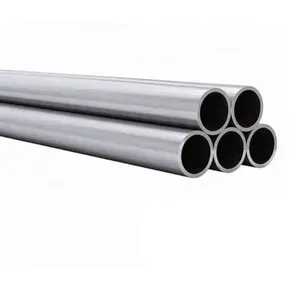 Read More

Contact Us
Recommended Products
-
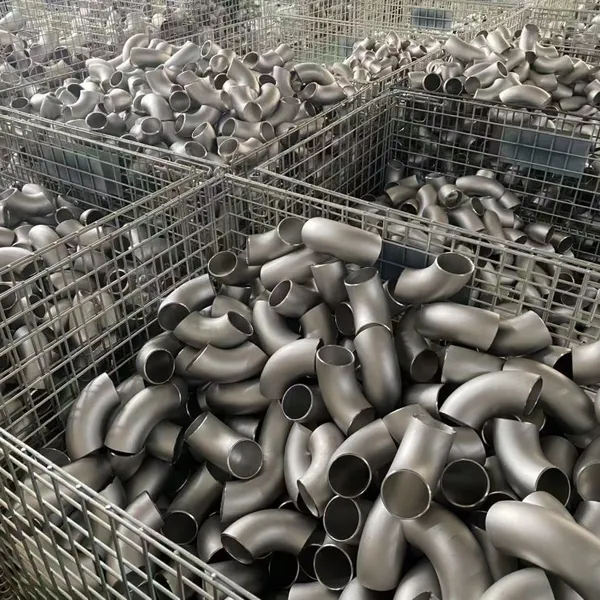
 Stainless Steel Elbow Welded Elbow 45/90/180-degree Seamless Pressed Elbow Long Radius Elbow Short Radius Elbow WholesaleNegotiableMOQ: 1 Piece
 -
316L/1.4405 Seamless Stainless Steel PipeNegotiableMOQ: 2 Meters
-
310s 440 Seamless Sanitary Piping Price 321 904l 201 20 Inch Seamless Steel Pipe A554 Stainless Steel PipeNegotiableMOQ: 1 Piece
-
China Brand ZZ Wholesale 304L 316 316L Welded Austenitic Piping Stainless Steel Pipe SupplierNegotiableMOQ: 2 Meters
-
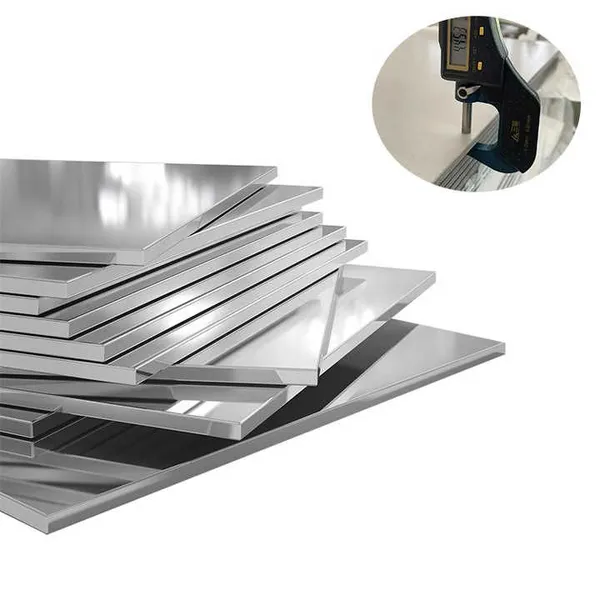
304/304L/316/409/410/904L/2205/2507/310H Premium Stainless Steel Sheets Supplier Custom Sizes & FinishesUS$ 1.72MOQ: 1 Ton
-
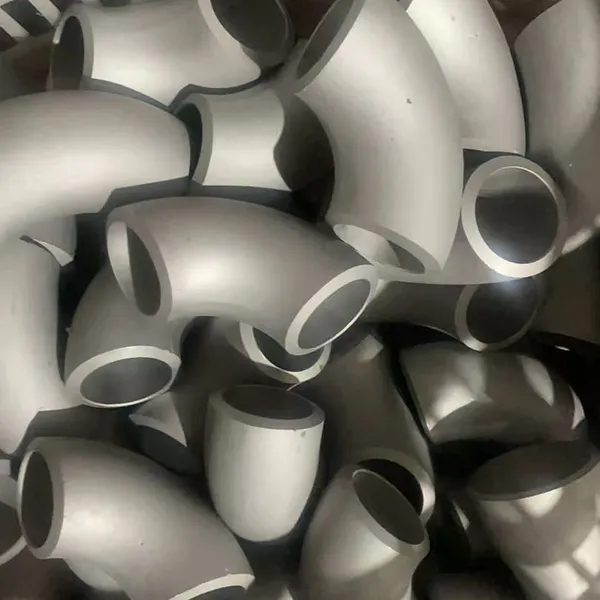
Stainless Steel ASME B16.9 Sch 45 90 Degree Pipe Fittings ElbowUS$ 8MOQ: 1 Piece
-
China Brand Zz 304L 316/316L GB En JIS Standard Thin Wall Welded Stainless Steel Water Pipe/TubeNegotiableMOQ: 2 Meters
-
BA 4 Inch 6 Inch 8 Inch 201 304 304L 316 316L Welded Seamless Stainless Steel PipeNegotiableMOQ: 2 Meters
-
ASME B36.19M-2004 SCH40S Stainless Steel Pipe - Complies With EU 3.1 CertificationUS$ 1 - 650MOQ: 1 Piece
-
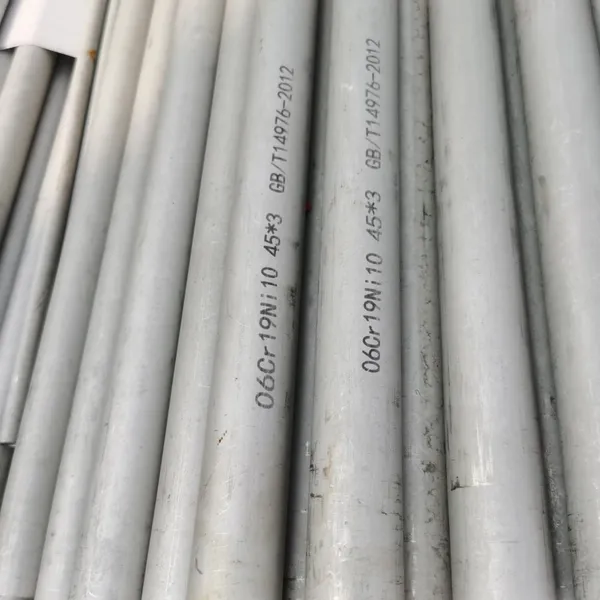
Factory TP309/TP309S/TP309H (UNS30900) Seamless Stainless Steel Pipe and Tube for Boiler BafflesUS$ 8MOQ: 200 Kilograms
-
TP347/TP347H/1.4961/S34709 Seamless Stainless Steel Pipe for UseNegotiableMOQ: 2 Meters
-
China 304 316 Stainless Steel Sanitary Welded Tube Food Grade Sanitary Grade Welded Pipe PolishingNegotiableMOQ: 1 Piece
-
China Manufacture Stainless Steel 316L Ba Seamless Welded Steel Pipe TubesUS$ 1760 - 1860MOQ: 5 Tons
-
316L/1.4405 Seamless Stainless Steel PipeNegotiableMOQ: 2 Meters
-
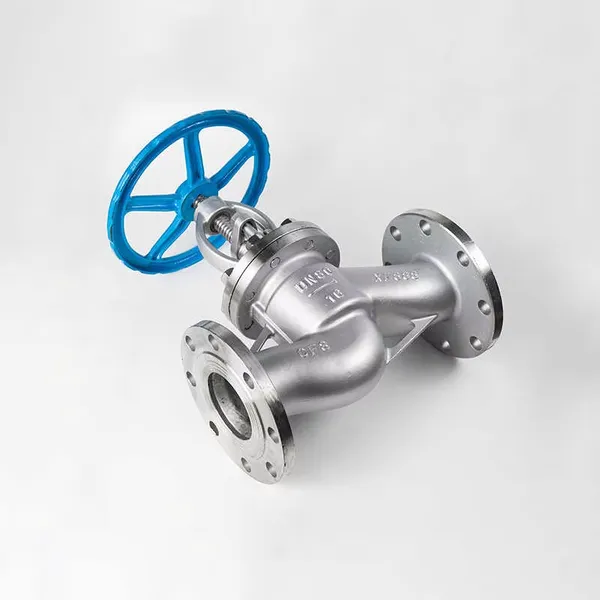
Stainless Steel Globe Valve – High Durability & Corrosion ResistanceNegotiableMOQ: 1 Piece
-
1.4529 Stainless Steel Flat Plate for Chemical Processing EquipmentUS$ 25 - 35MOQ: 1 Kilogram
-
Color Coated Steel Panels for Warehouse Partition Walls (Fireproof Grade)US$ 1 - 1.2MOQ: 50 Kilograms
-
Custom Width (600mm-1250mm) Colored Steel Coil With Scratch ResistanceUS$ 1 - 1.2MOQ: 50 Kilograms
-
0.5mm-3.0mm Colored Coated Steel Sheet With PVDF/Polyester CoatingUS$ 1 - 1.2MOQ: 50 Kilograms
-
JIS G 3322 Compliant Colored Coils With Third-Party Inspection ReportUS$ 1 - 1.2MOQ: 50 Kilograms